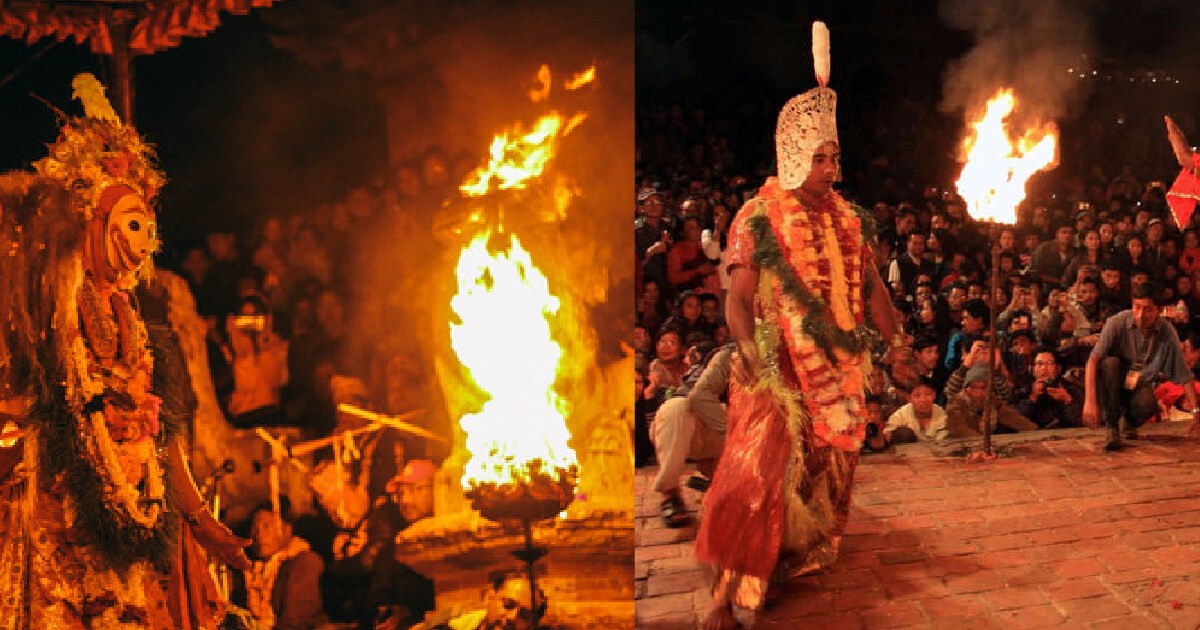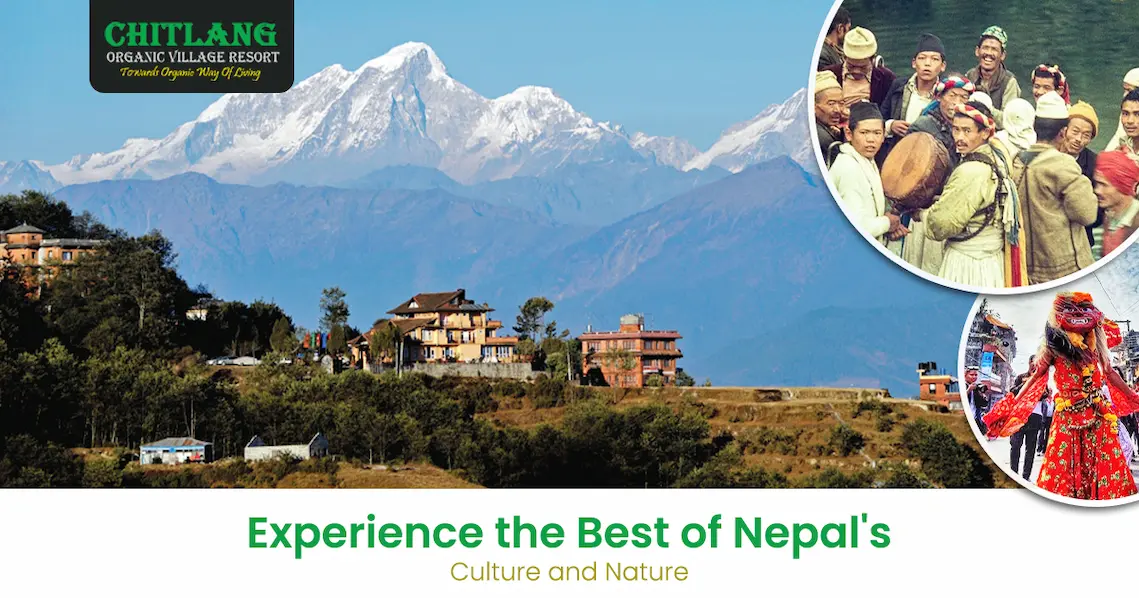
As winter begins to soften and the sun slowly shifts its path northward, Nepal welcomes one of its most meaningful festivals—Maghe Sankranti. Celebrated in mid-January, this auspicious occasion marks renewal, gratitude, and togetherness. While Maghe Sankranti is observed across Nepal, celebrating Maghe Sankranti in Chitlang offers something truly special: a special harmony of abiding culture, rituals of the community, and the pristine beauty of nature.
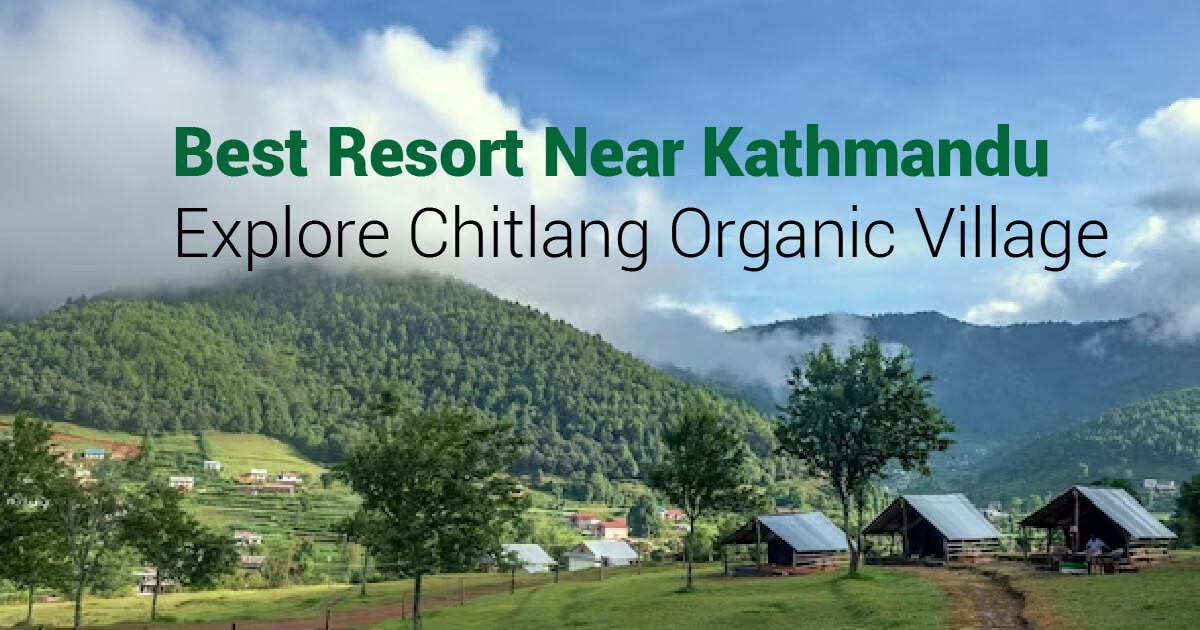
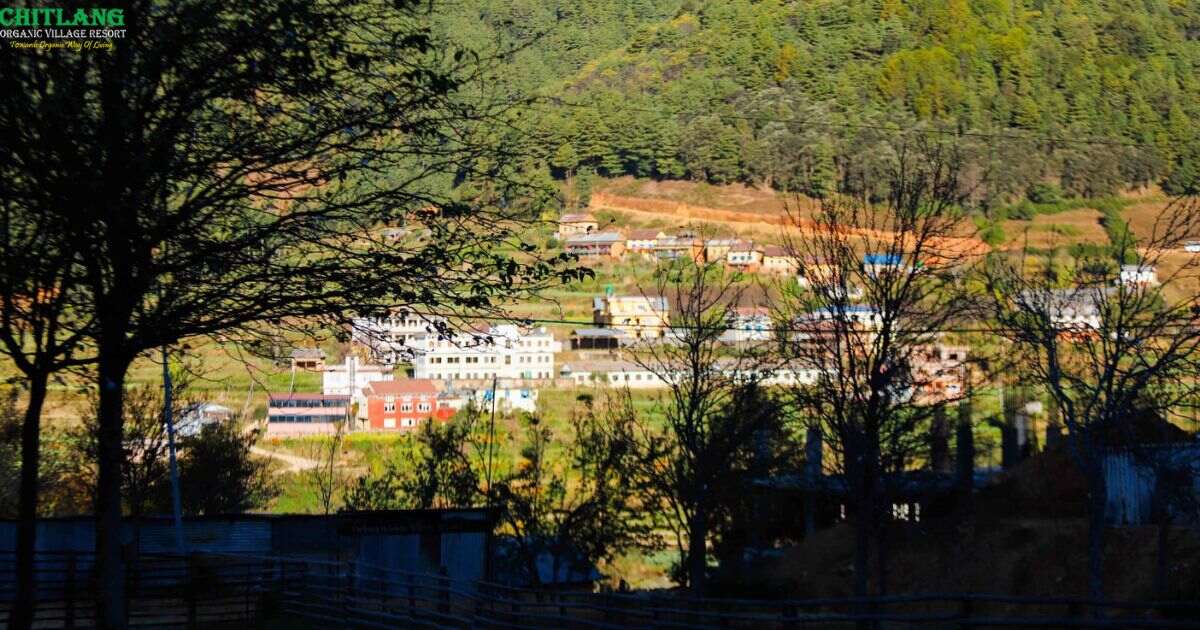
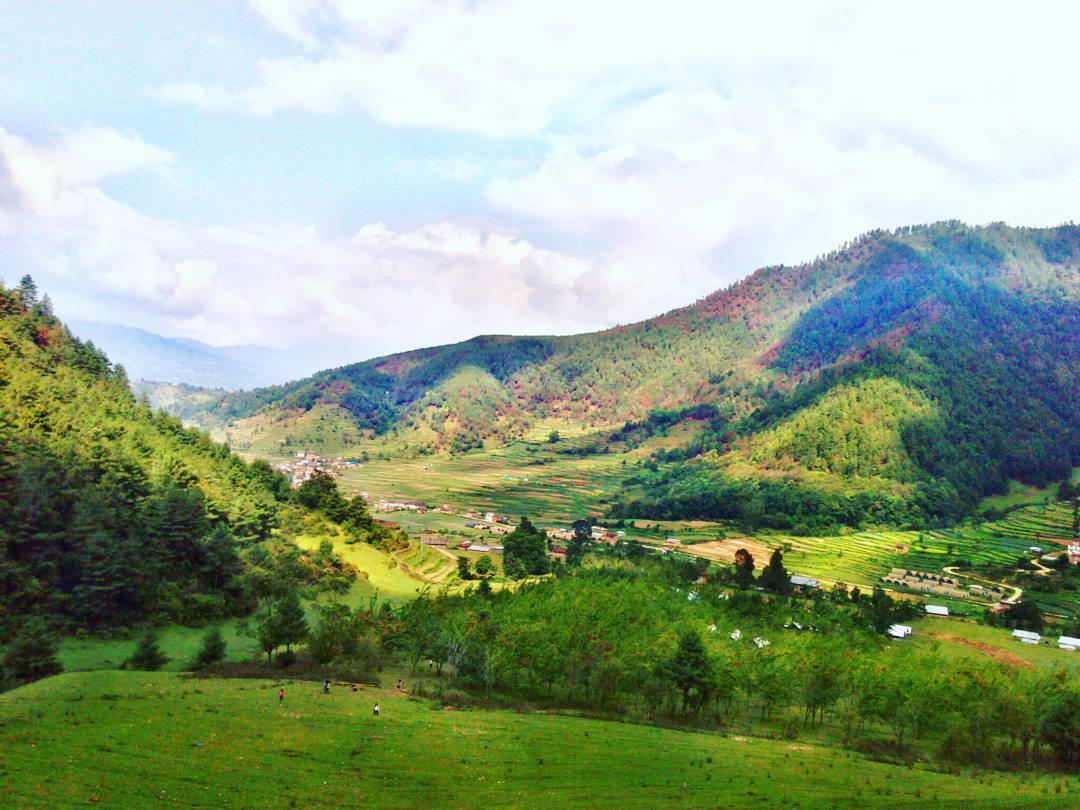
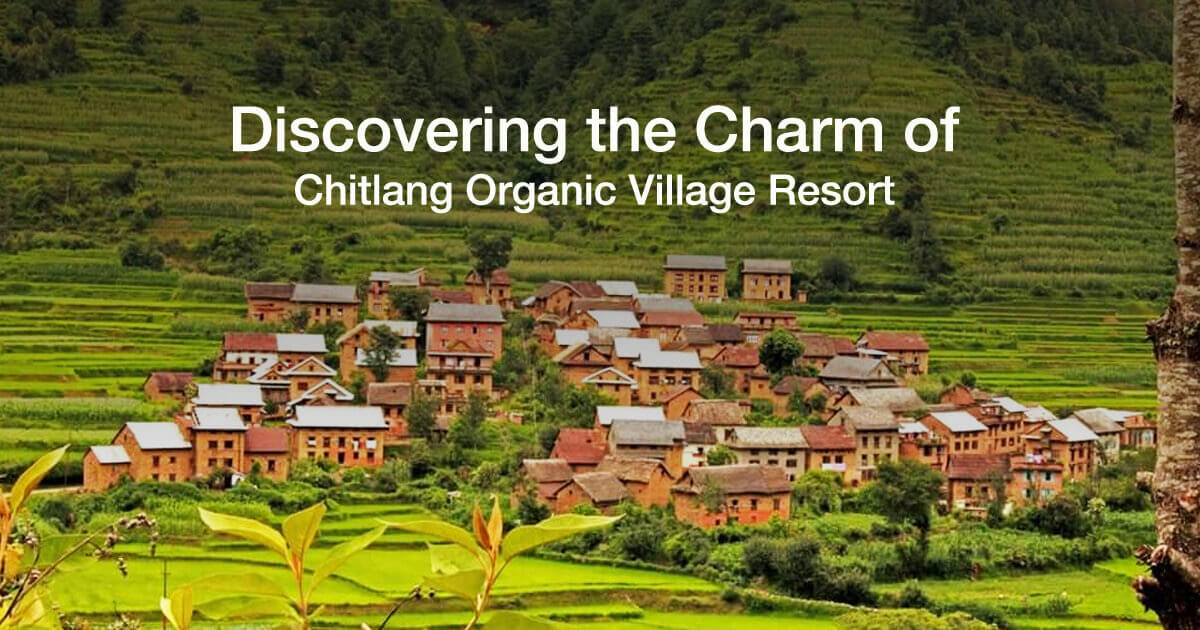
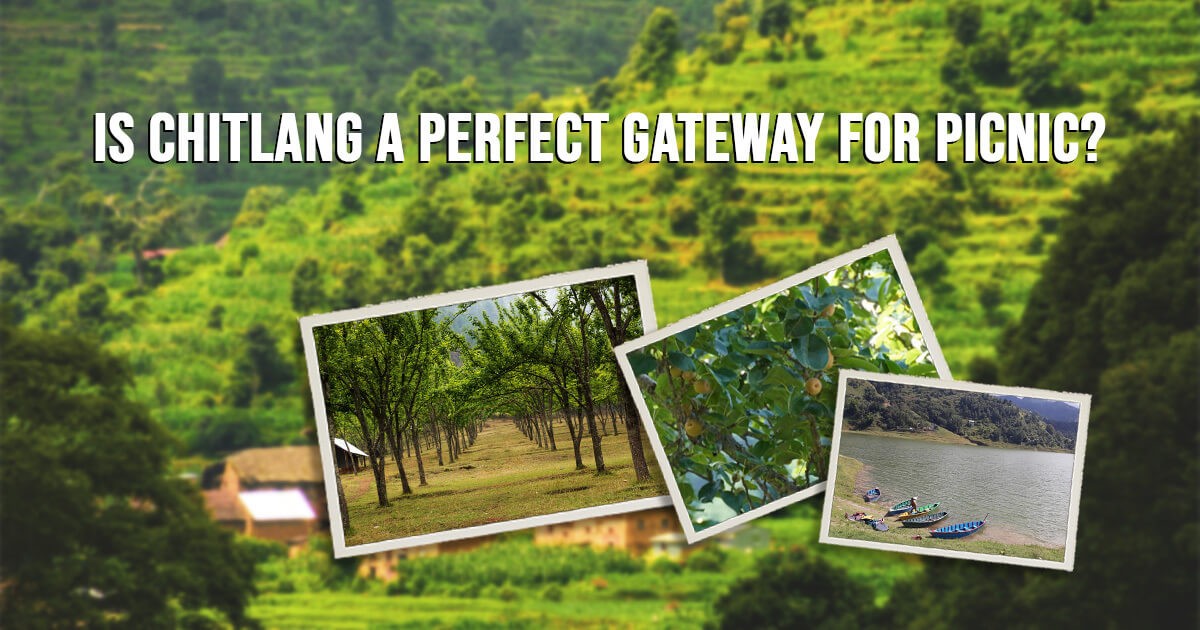
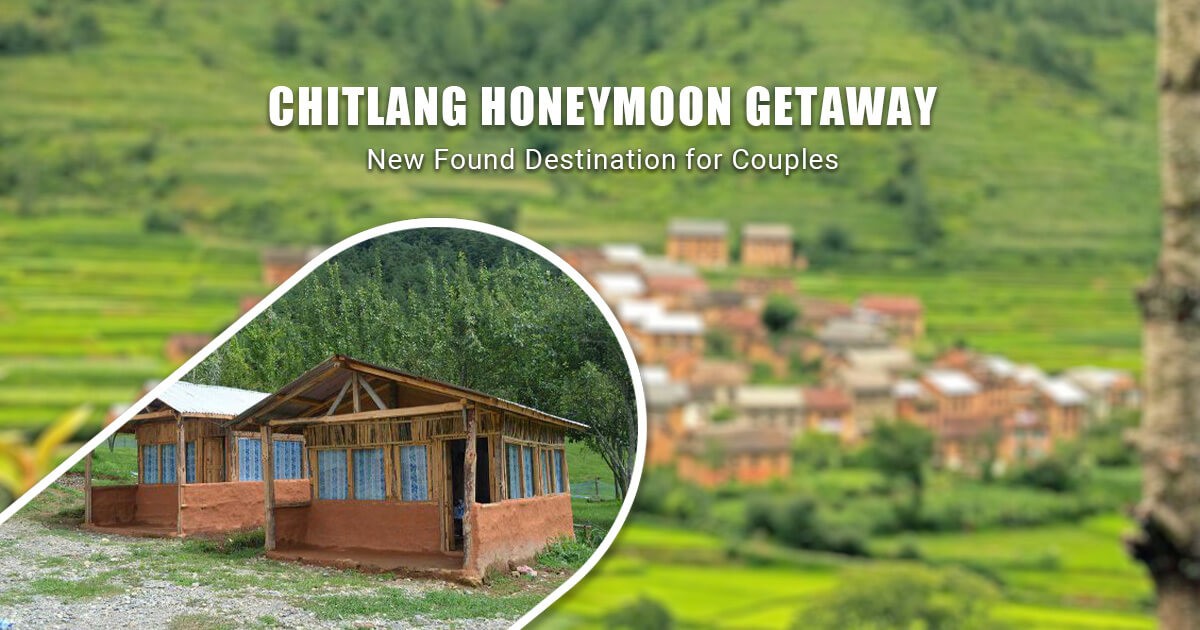
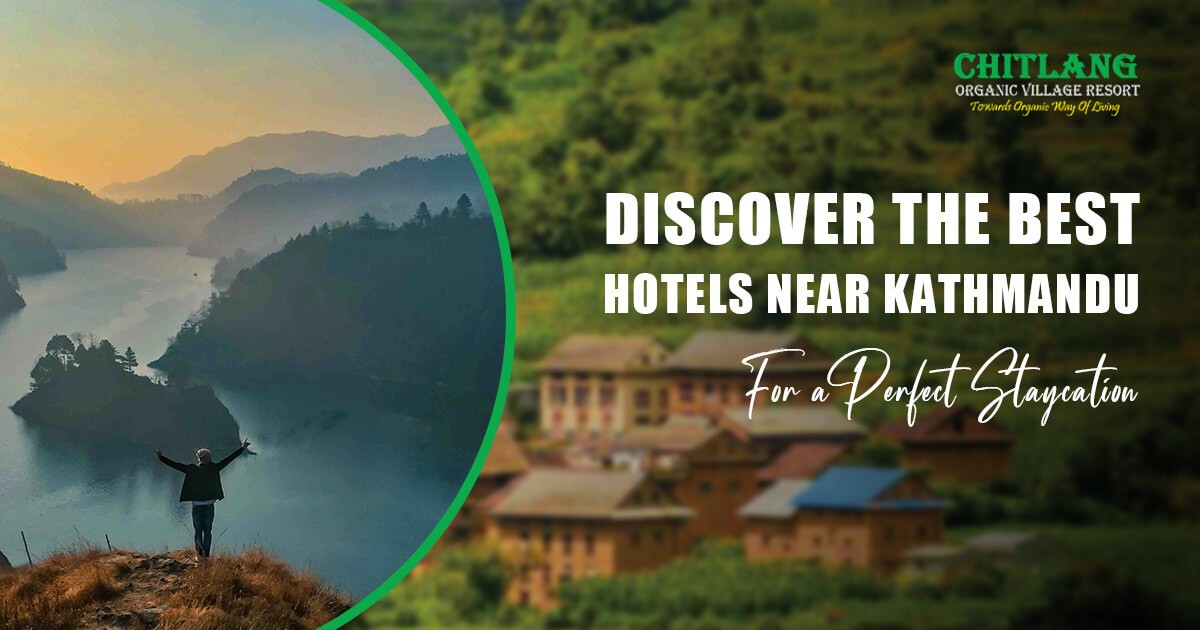
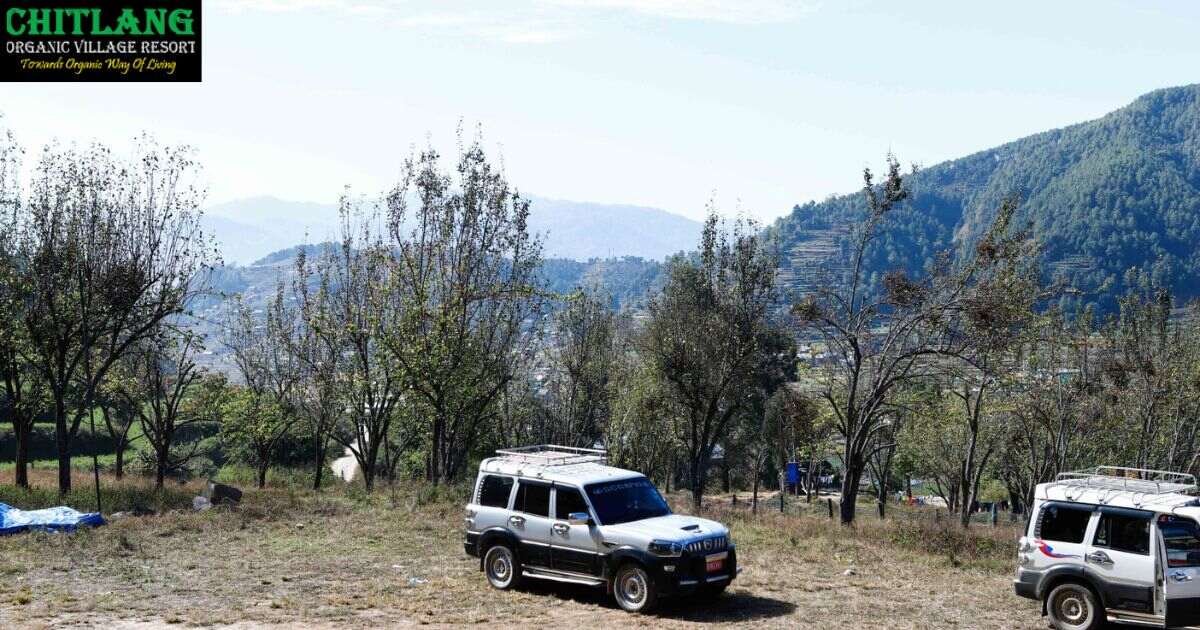
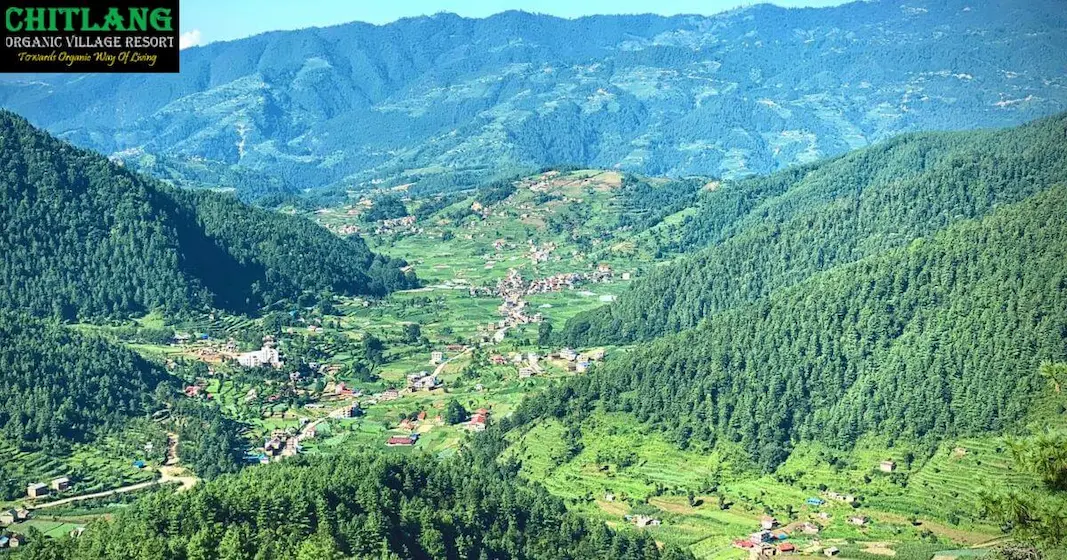
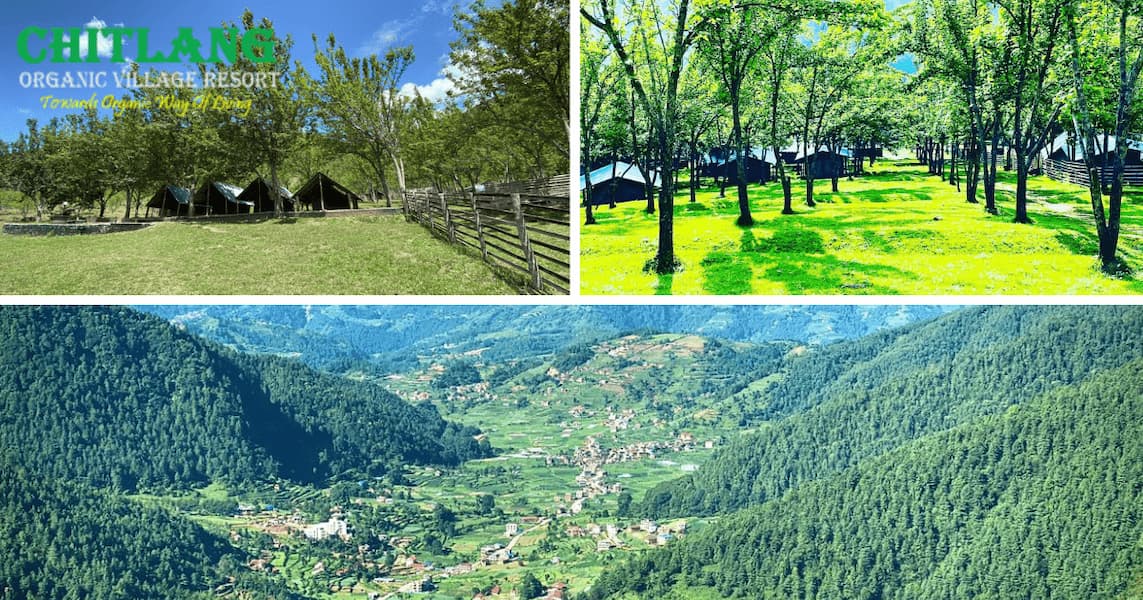
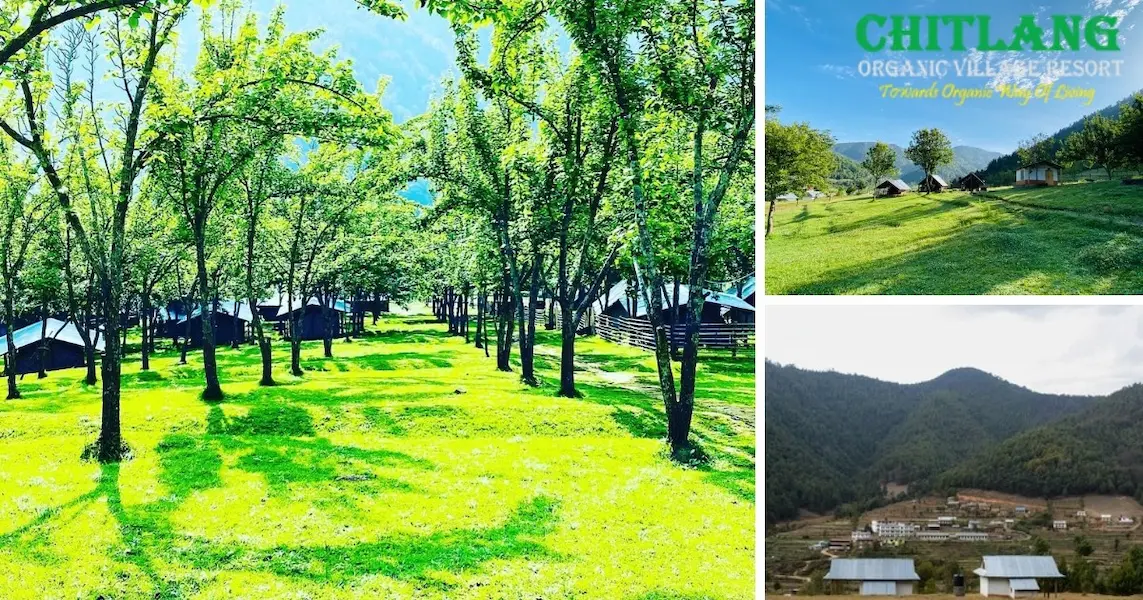
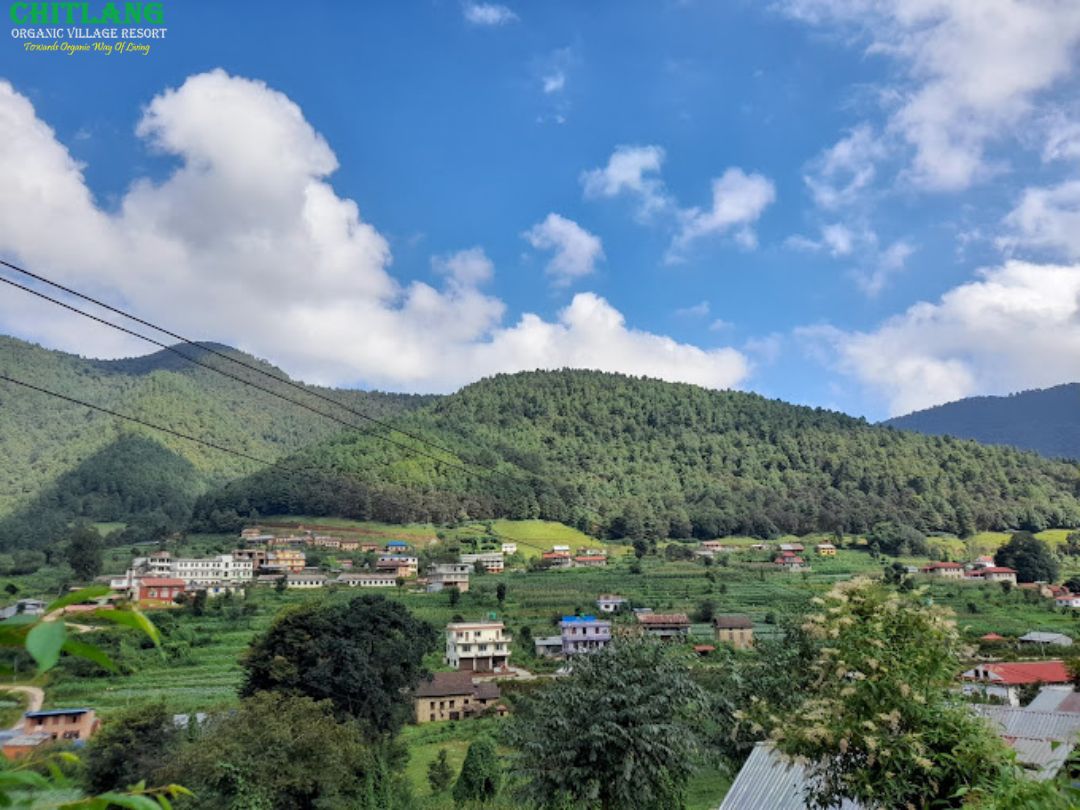
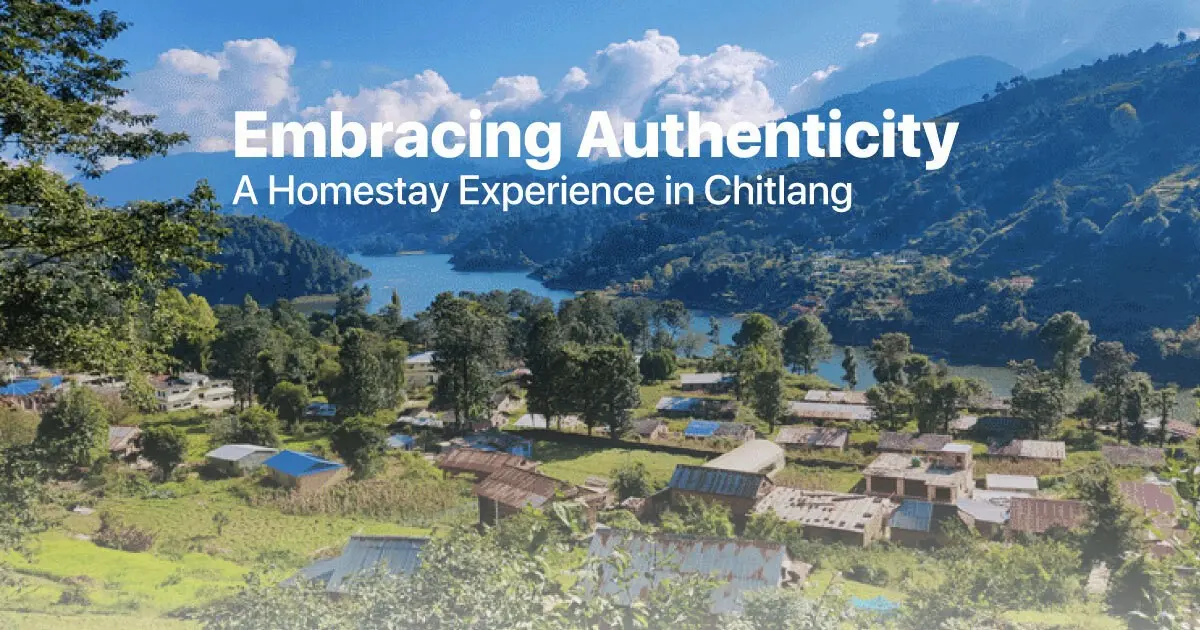
Nestled in the southern hills of Kathmandu Valley, Chitlang changes its mixed color into a living cultural canvas with the rising of Maghe Sankranti. Smoke rises from wood-fired kitchens, families come together to share some hearty food, and warmth, both literally and spiritually, empties the village. For the kind of traveller seeking more than a crowded city celebration, Chitlang offers a peaceful yet immersive retreat.
This guide brings why Maghe Sankranti matters, how it is celebrated, what the people of Chitlang eat, which deity is worshipped, and how this village gradually turns into an emerging sought-after cultural escape during the month of Magh.
Understanding Maghe Sankranti: Meaning, Time, and Spirituality
The Astronomical and Seasonal Significance
According to the Hindu lunar calendar, the most important day of the year is known as Maghe Sankranti, when the sun enters the zodiac sign Makara (Capricorn), as it is termed in Sanskrit. Unlike most festivals that follow the lunar calendar, however, Maghe Sankranti is a solar festival that is celebrated on a fixed date—January 14—because it follows the precision of astronomy that is derived from the solar calendar.
The Festival signals the end of the winter solstice and ushers in the sun’s marking of the ever-important point, Uttarayana, in Hindu philosophy, on its northward course. There are tangible changes involved in this heavenly transition, like days becoming longer, temperatures progressively warming, and spring peeking around the horizon. For all the agrarian communities in Nepal, this astronomical event signifies quite an important moment-the maturity point of harvest for the winter crops and the beginning of new cycles of planting.
The transition is not merely scientific; it is spiritual in nature. In Hindu tradition, Uttarayana is considered a highly auspicious period for spiritual practices, self-realization, and attaining liberation. Devotees believe that souls departing during this period achieve Moksh (salvation) rather than rebirth.
Why Do We Celebrate Maghe Sankranti?
Maghe Sankranti marks the beginning of the Nepali month called Magh and the transition of the sun into the constellation Capricorn (Makara). This star-sailing transition is called Uttarayan and hence symbolizes longer days, warmth, and positive energy.
For an agrarian society like Nepal, Maghe Sankranti has much more to do with being grateful for the harvest and the renewal of a new season. Farmers offer thanksgiving to Mother Nature because of the winter harvest, families pray for health and prosperity, and communities welcome the new agricultural cycle.
According to Hindu belief systems in reference to classical texts like the Bhagavad Purana and Mahabharata, during Magh, acts of charity, bathing in rivers, and spiritual disciplines bear maximal reward.
Maghe Sankranti thus celebrates balance- between human and nature, past harvests and future hopes.
When Is Maghe Sankranti Celebrated in Nepal?
Maghe Sankranti typically falls on January 14th (January 15th in some years), depending on the solar calendar. In 2025, Maghe Sankranti is observed on January 14.
This date, however, corresponds with the coldest part of winter-making warming foods and communal feasts the mainstays of the celebration.
Which God Is Worshipped in Maghe Sankranti?
Maghe Sankranti is celebrated mainly with the Sun God (Surya) mostly represents vitality, clarity, and cosmic order. Worshipping Surya during the solar transition is believed to remove delusions and bring prosperity.
Additionally, Lord Vishnu is worshipped during the Magh month, as devotees believe that fasting from food, charity, and devotion during this time pleases Vishnu, the preserver of the universe. In addition, many Hindus pay respect to ancestors, hoping to have blessings for well-being within the family.
However, in Buddhist communities, the festival is marked by cultivating mindfulness, harmony with nature, and gratitude, rendering Maghe Sankranti a cultural celebration enjoyed by all, irrespective of religion.
Celebrating Maghe Sankranti at Chitlang: A Village-Centric Experience
Why Chitlang Offers A Unique Festival Experience
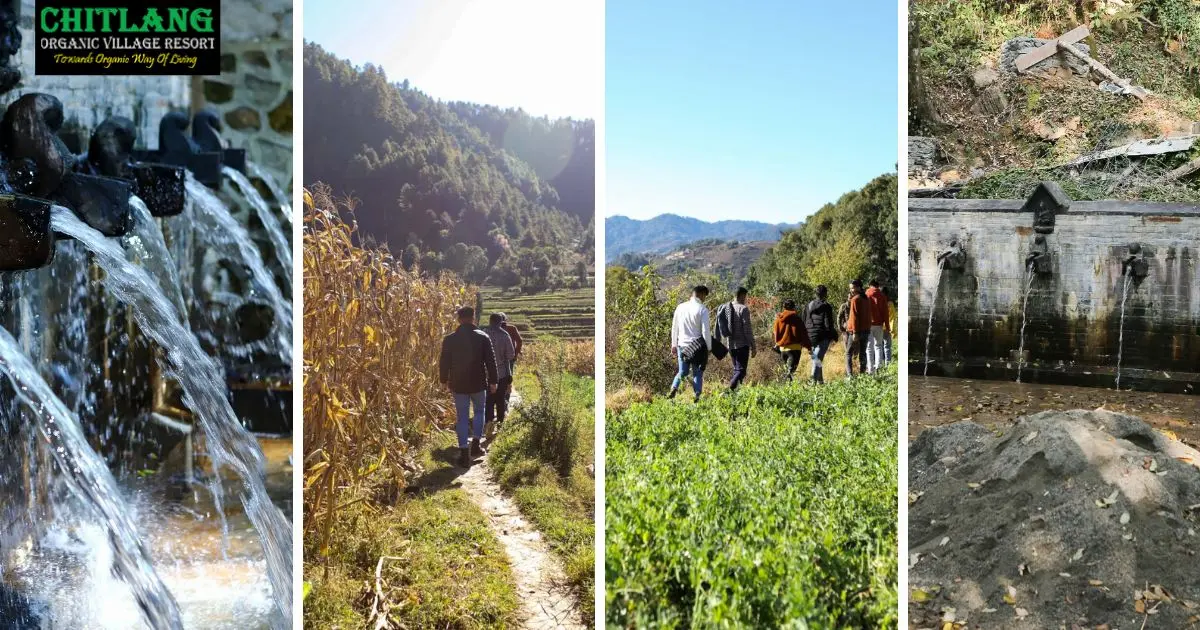
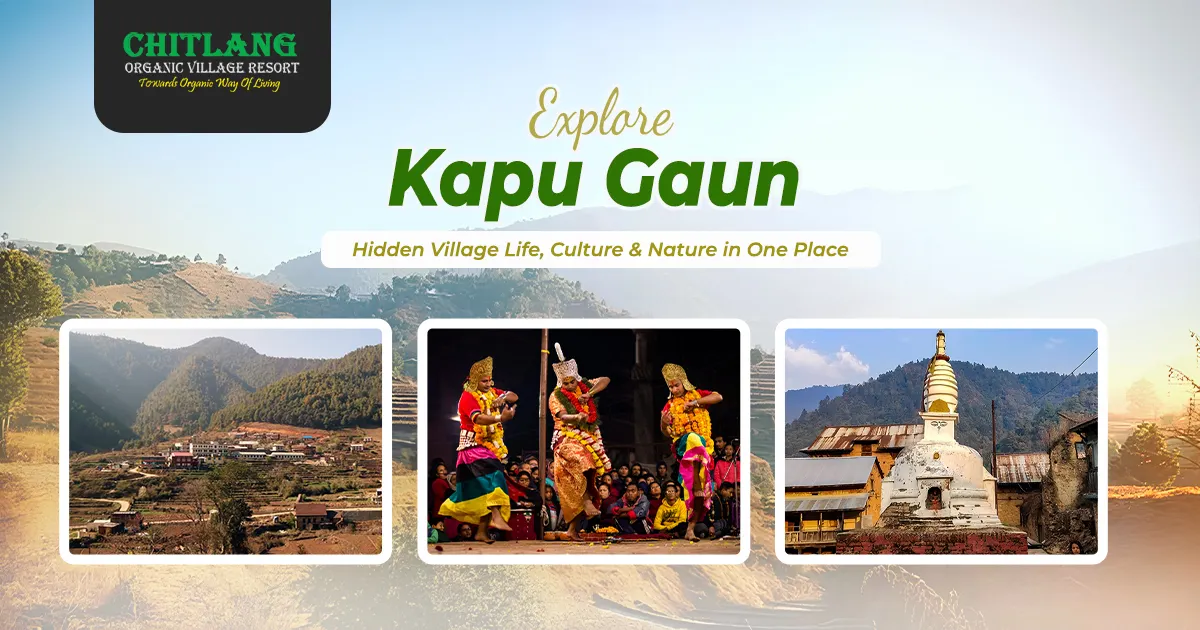
Unlike most urban festivities that come rushing, Maghe Sankranti in Chitlang is all about slow, meaningful time. And it highlights the strong community spirit of the village in such a way that traditions are not performed in public display but are lived out.
The Newar and hill communities create the cultural identity of Chitlang. This results in specific rituals making their unique contribution to the festival. Most importantly, many visitors are often invited to witness or actually participate, thus evoking a very personal experience.
Rituals and Community Traditions in Chitlang
Celebrations of Maghe Sankranti in Chitlang will typically include:
- Early morning cleansing rituals
- Family prayers honouring the sun and ancestors
- Preparing the traditional foods of Maghe
- Community gatherings and storytelling
- Sharing meals with neighbours and guests
The emphasis is on togetherness and renewal, and not on huge processions. That’s what makes the celebration of Chitlang so unique.
What Do Nepalis Eat During Maghe Sankranti?
Food is obviously the heartbeat of what defines Maghe Sankranti, especially under the cold hills of Chitlang.
Traditional Maghe Sankranti Foods in Nepal
In Nepal, the traditional preparation of food sustains heat and energy for the body:
1. Tilko Laddu (Sesame Seed Balls)
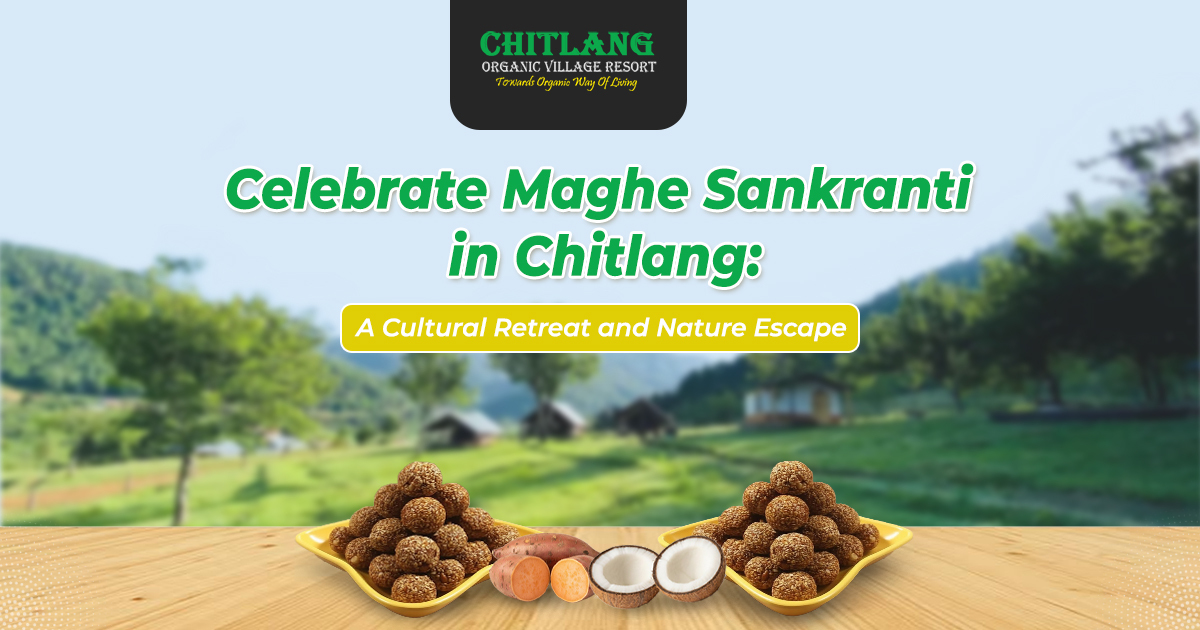
The one and only representative of Maghe Sankranti cuisine, til ko laddu consists of sesame (til) mixed with jaggery (chaku) and sometimes nuts, made into round balls. Sesame seeds are culturally and medicinally deep-rooted in Nepalese tradition. They are considered sacred for offerings in Hindu rituals, symbolising longevity and vitality. From a nutritional perspective, sesame seeds provide internal heat during the cold season, leading to such usage in the Ayurvedic context. These sweets are prepared days ahead of Maghe Sankranti, and sharing with neighbours and relatives strengthens community ties.
2. Chaku (Molasses)
Usually eaten blended with ghee (clarified butter) that produces ghyo chaku, which is the thick syrup made by boiling sugarcane juice to its concentrated state. This delicacy, ghyo chaku sanhu in Newar culture, represents prosperity and is deemed one of the foremost offerings to deities. The two together provide energy and warmth, which helps the body withstand the cold.
3. Tarul (Yam) and Sweet Potatoes
Tarul, locally known as kand, are indigenous names of yams, which throughout this season become much sought-after ingredients. They can be either fried to form crisp slices or made into a curry mixed with spices or converted into traditional way tarul laddus by sweetening them with jaggery. These root crops are harvested in winter and symbolize good health and plenty. Records state that a centuries-old tradition in Newar culture traces the eating of yams with ghee early in the morning on Maghe Sankranti to remain fit for a “mustard oil massage” ritual.
4. Ghee Bhat
A special preparation of rice cooked with ghee, aromatic spices, and seasonal vegetables in plenty, ghee bhat represents culinary richness and festive lavishness. The scent of rice mingling with ghee brings back waves of nostalgia to many Nepalis, whereby one can almost feel their childhood memories, festival mornings, and the warmth of their mothers.
5. Khichadi (Rice and Lentils)
Khichadi, an unassuming yet deeply nourishing dish of rice and lentils cooked with ghee and warming spices, is a putative symbol of warmth and comfort among Maghe Sankranti celebrations. Often referred to as comfort food throughout the Indian subcontinent, khichadi has been referred to in ancient Ayurvedic texts for millennia, in description as a perfectly nurturing food, a balanced meal of proteins, carbohydrates, flavour, and medicinal properties.
Some More Traditional Delicacies
- Kheer: A creamy rice pudding made with milk, rice, sugar, and sometimes nuts and cardamom, is a cooling and nourishing dessert.
- Sel Roti: Crispy circle-shaped fried rice cakes, traditionally an occasion during Nepali festivals
- Makai ko Roti: Cornbread symbolizes agricultural abundance
- Samay Baji: A Newar delicacy providing a festive meal by bringing together flattened rice, soybeans, fried items, and spicy potato salad.
- Batuk: Fried lentil preparations that are shaped like doughnuts and take on special significance in Magar celebrations.
- Sugarcane: Freshly chewed for health benefits (strengthening teeth and gums) and sweetness, in a symbolic way.
Cultural Meaning of Eating Together
Food-sharing during Maghe Sankranti strengthens social ties. Elders bless, youngsters imbibe culture, and guests are showered with generosity. Communal eating in Chitlang signifies the hospitality that has persisted in the spirit of the village.
Cultural Significance Beyond Religion
-
Celebrated by Hindus and Buddhists Alike
In Nepal, Maghe Sankranti is above religious bounds. The Hindu and Buddhist communities treat the celebration as seasonal and cosmic in nature, unlike just a religious one.
This shared celebration helps support social unity—something very much visible, especially in culturally enriched villages like Chitlang.
-
Strengthening Family and Community Ties
Maghe Sankranti is also a time for family reunions. Married daughters often return home; elders get paid homage, while younger generations pick up traditions by being involved.
Chitlang is one place where such practices still retain vigour, thus providing visitors with an insight into Nepal’s living heritage.
Why Celebrate Maghe Sankranti at Chitlang?
Celebrating Maghe Sankranti at Chitlang provides you with an opportunity to:
- Witness authentic village traditions
- Taste organic and seasonal food
- Connect with families of the locality
- Feel the pulse of Nepalese culture slowly
- Combine spiritual refreshment with nature immersion
Not just another festival; it is a moment of life preserved and shared.
Conclusion: A Festival that Nourishes the Body, Soul, and Community
Maghe Sankranti is more than just a date marked on the calendar. It is a reminder to pause, be grateful, and realign with nature’s rhythm. The performance of Maghe Sankranti in Chitlang adds more to this sentiment, placing you squarely in the midst of tradition, community, beauty, and nature.
Whether drawn by an interest in cultural rituals, spiritual enlightenment, or simply looking for a break from winter travellers, Chitlang is home to the kind of authentic festival experience that truly heals.
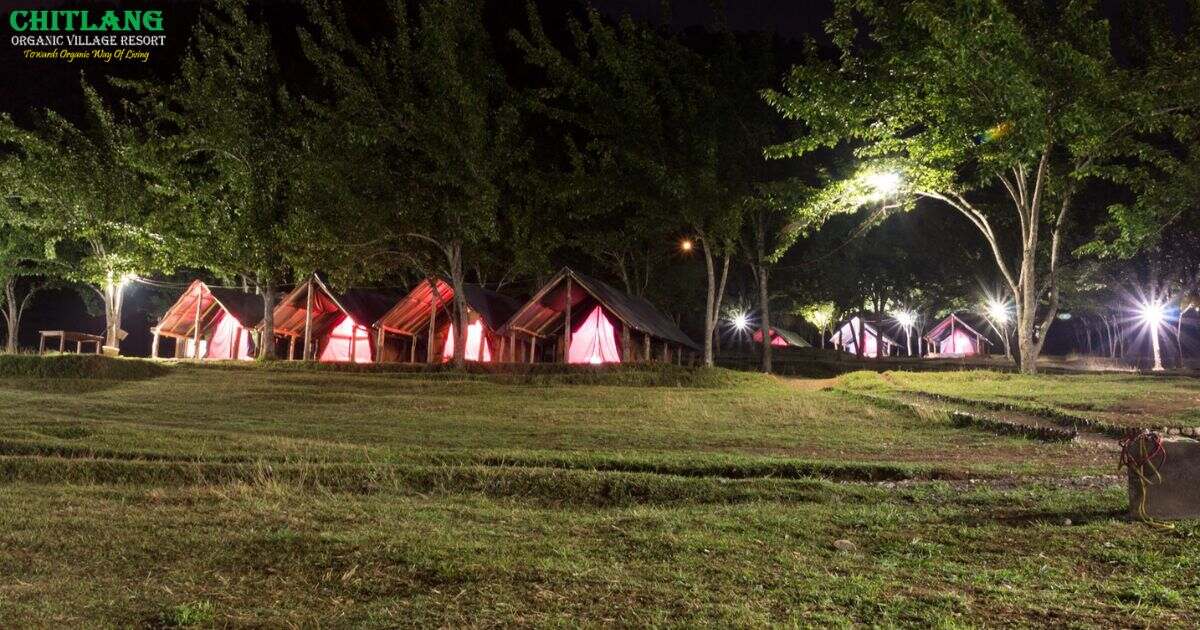
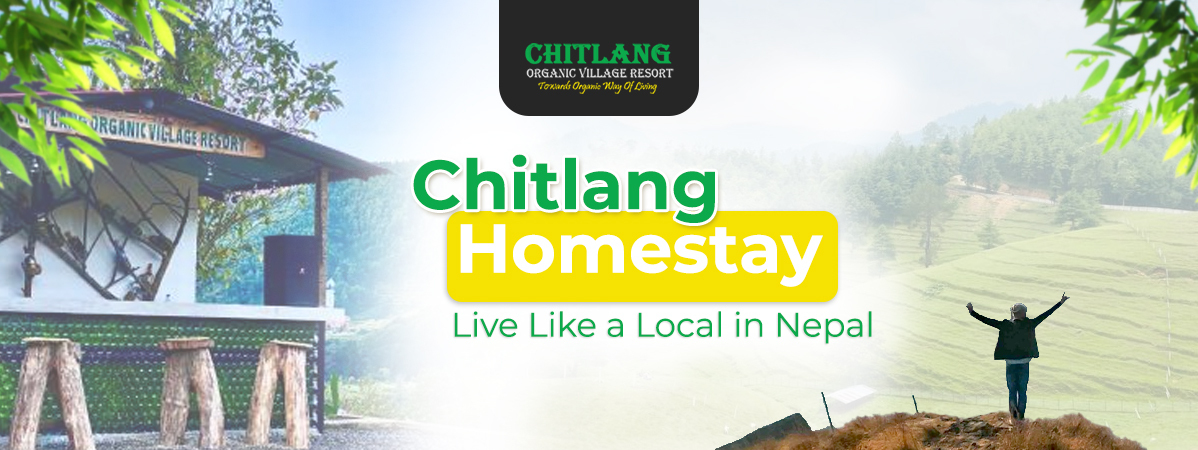
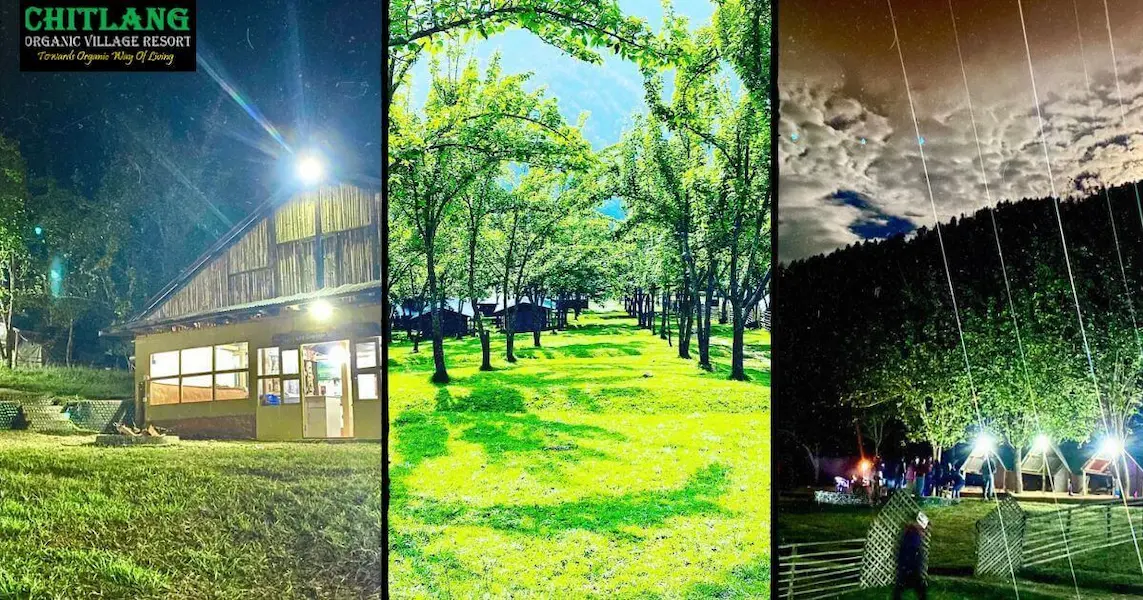
Finally, the Chitlang Organic Village Resort provides just the right touch of comfort, cultural exposure, and environmentally friendly hospitality to complement the entire experience. The combined resort and home-stay concept provides guests with an opportunity to celebrate Maghe Sankranti not just as tourists but by sharing warmth, feasting, and memories with the actual village.
If you seek a festival that truly connects you with Nepal’s roots, then the celebration of Maghe Sankranti is worth embracing at Chitlang.