Settled amidst the verdant hills of Tistung in the Makwanpur district, Rastriya Bibhuti Park is one of the finest monuments regarding Nepal’s historical legacy and the remarkable personalities who built this country. This memorial park lies around 50 kilometres from Kathmandu, serving as the brightest place for many profound wanderers in recognizing Nepal’s cultural and historical identity, as well as honouring the 18 officially recognized national heroes who contributed largely to the national advancement.
The park is more than a composition of structures and monuments—it embodies spirit-based patriotism, sacrifice, wisdom, and innovation for its journey through fragmented kingdoms to a unified nation. For travellers willing to trace out and understand the soul of Nepal beyond the majestic mountains and ancient temples, Rastriya Bibhuti Park speaks volumes through the priceless experience it holds in education and inspiration. Tistung’s serene environment and the historical significance of the park create a unique destination that appeals to history enthusiasts, students, cultural travellers, and families alike.
What is Rastriya Bibhuti Park?
Rastriya Bibhuti Park in Tistung is a memorial site that celebrates and preserves the heritage of Nepal’s national heroes. That park contains statues, monuments, and informative displays that recognize the 18 Rastriya Bibhuti and provide visitors with a glimpse into the lives, accomplishments, and contributions to the nation made by each.
Unlike the memorial parks, which are mostly constrained in space and environmental difficulties in most urban sites, the location Tistung offers a peaceful, natural environment that enhances the experience. The establishment of the park is indeed another indication of the growing trend in Nepal of decentralizing cultural and historical sites from central cities to serve relatively large audiences and promoting local tourism.
This park is not an isolated project because it forms part of other initiatives all over Nepal, such as the memorial parks in Pokhara and Jhapa, where people pay tribute to national figures and martyrs. Rastriya Bibhuti Park in Tistung is unique, however, as it encompasses all 18 national heroes in one space, thus providing one complete narrative of how Nepal has evolved through history.
Significance of Rastriya Bibhuti Park
A Tribute to Heroes of Nepal
Bibhuti in Nepalese is the “great personality” or “luminary”. Hence, Rastriya Bibhuti Park is probably the most gigantic monument to all such individuals whose lifelong dedication, intelligence, and courage have raised Nepal’s profile on the world stage.
The parks honour these icons not just through sculpture, but by creating spaces in which their philosophies, arts, and deeds are told through narration. It bridges the past with the present, inspiring to help the younger generations to understand what it truly means to serve one’s national calling.
Commemorating National Contributions
The independent nation that Nepal is today owes itself to the lives of its heroes — from those who brought about their unification, such as King Prithvi Narayan Shah, to literary pioneers like Bhanubhakta Acharya, who carved a poetic voice for Nepali. Each corner of the Rastriya Bibhuti Park tells a story of struggle, sacrifice, and enlightenment.
This design of the park indeed encourages reflection; it allows the public to walk through historical milestones in Nepal and understand how each contributed to shaping the identity of the country.
Historical Context: Preserving the Legacy of National Heroes
Honouring the Architects of Nepal’s Identity
Rastriya Bibhuti Park was thus established with the vision of saving the memory of those who moulded the cultural, social, and political architectures of Nepal. It offers lifelong permanence for history to be manifested not only in textbooks but as lived experience — through its art, architecture, and natural beauty.
From the literary gift of Bal Krishna Sama to the patriotic hints of Siddhicharan Shrestha, each monument in the park is certainly built for immortalizing so much-needed voices and direction for Nepal.
Highlighting Pivotal Roles in Shaping Nepal’s History
The history of Nepal is not confined to those who lived in those times but stretches beyond them. By the park, they are now brought back to life through inscriptions on fabulous plaques, interactive boards, and memorial sections — making it more tangible how these pioneers shaped national consciousness.
To students, historians, and travellers alike, Rastriya Bibhuti Park serves as a dynamic classroom where one can trace the fibres connecting Nepal’s medieval unification, the democratic movements, and the renaissance of Nepali literature and arts.
Cultural Heritage: A Symbol of National Pride
Reflecting Nepal’s Stories Past
At the heart of designing Rastriya Bibhuti Park is the cultural heritage of Nepal. Each section of the park has a journey history of Nepal — from ancient civilizations and dynasties to modern democratic ideals. There are statues, inscriptions, and cultural motifs throughout the park; all these are reminders of a shared identity that transcends time.
This, in fact, makes the park not only a site for commemoration but also a cultural learning centre open to all local and international tourists who want to learn more about the exceptional blend of religion, art, and strength found in Nepal.
A Living Symbol of Unity and Pride
The park embodies the essence of national unity as diversity. Every personality represented here-whether hill, mountain, or Terai-focused reflective strands of the social fabric of Nepal. These strands of the social fabric were linked together to strengthen the identity of a multicultural, multilingual nation that is Nepal.
Rastriya Bibhuti Park stands as a living symbol of that united state that reminds every visitor of the fact that the legacy of a nation lies not only in monuments but in memory and gratitude.
Main Features of Rastriya Bibhuti Park
Artistic Layout and Sculptures
The park features sculptures that portray Nepal’s national idols, crafted in a beautiful manner that is sensitive to history and artistic details. The statues are meant to convey a narrative, along with descriptions inscribed around each figure’s life, philosophy, and accomplishments.
Tourists can also access interpretive sites that offer additional information, making it easier for future generations to relate to the heroes who defined their country.
Education And Interactive Spaces
Apart from the natural attraction, the park stands as an educational place. Most schools and colleges often organize excursions to Rastriya Bibhuti Park, carrying knowledge of the heroes of Nepal in action.
Some portions include multimedia exhibits and information boards for fun learning experiences to make history alive in modern terms.
Greenery and Serenity
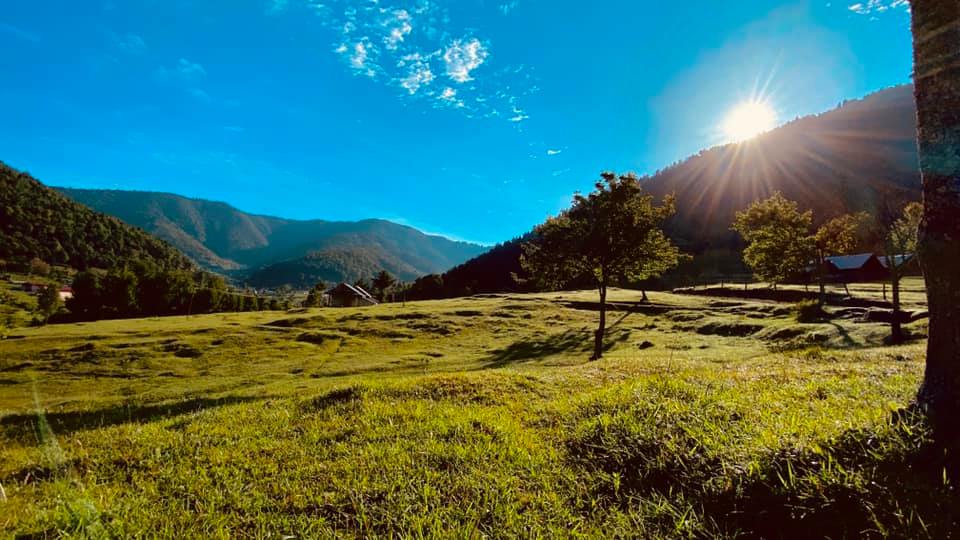
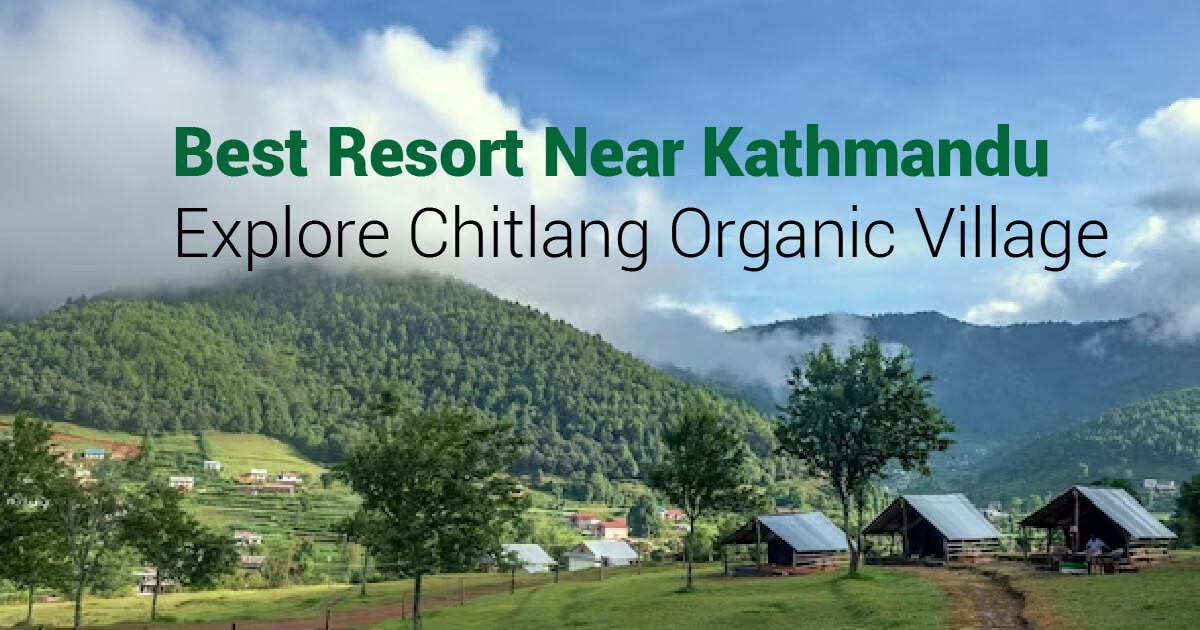
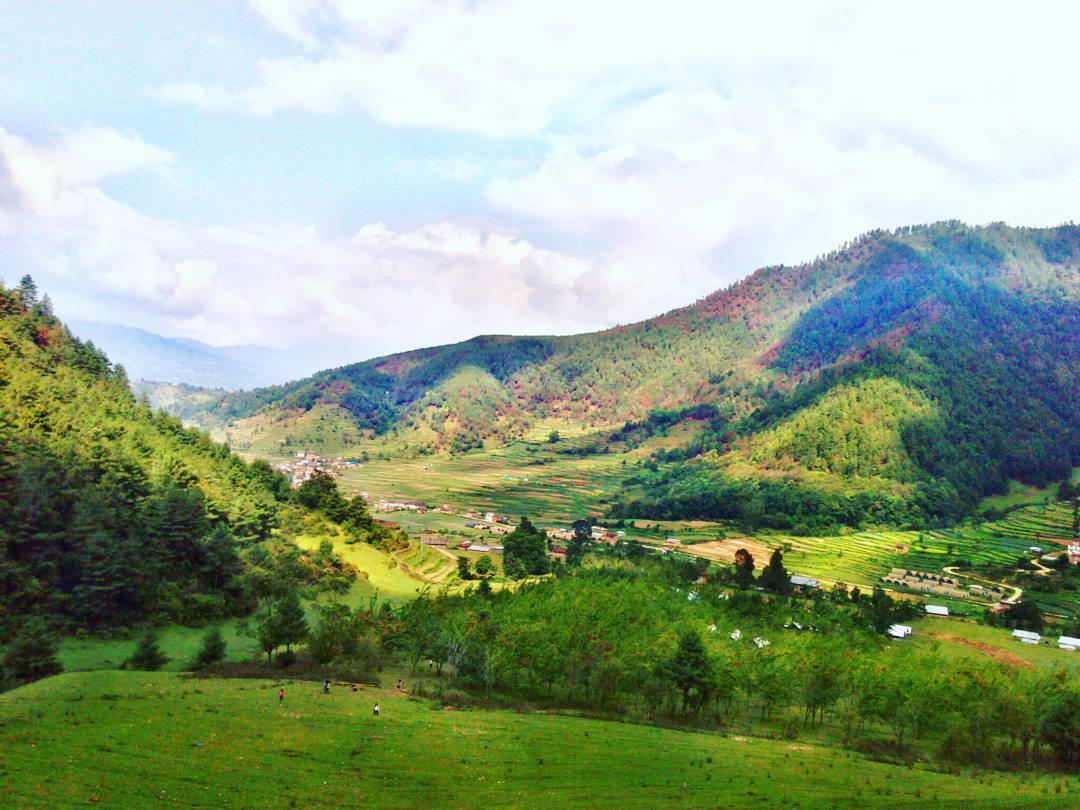
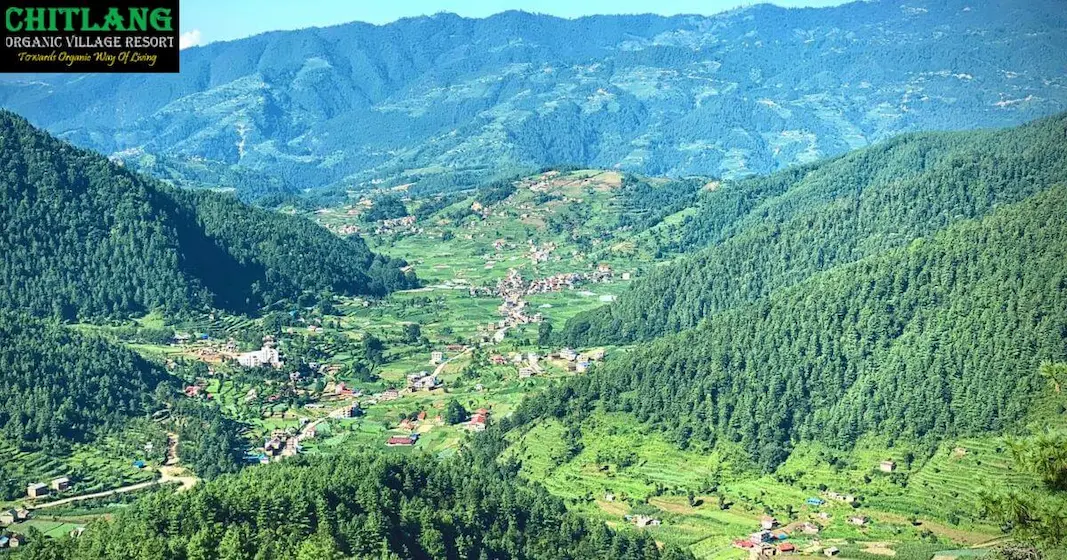
Amidst the peaceful surroundings offered by the rolling hills of Tistung, the park presents an environment for both reflection and knowledge acquisition. The lush gardens, trails, and resting spots create a wonderful setting for both relaxation and motivation.
Visitors take a peaceful, retrospective stroll down the historical milestones of Nepal, making it a perfect blend of nature, knowledge, and patriotism.
Notable National Heroes of Nepal in the Park
Although the park is still under construction, the most notable and famous national figures have already found a place:
- King Prithvi Narayan Shah –The great unifier of modern Nepal.
- Bhanubhakta Acharya – The first poet of Nepal Adikavi translated the Ramayana into the Nepali language.
- Motiram Bhatta – Literary icon and well-known promoter of Bhanubhakta’s work.
- Shiddhicharan Shrestha – One of the most popular poets concerning themes that belong to the nation’s whole love of humanity.
- Araniko –The legendary artist and architect with the credit of creations, extending his fame even to China.
- Bal Krishna Sama– The dramatist who modernized the Nepali theatre and literature.
Each one of these figures stands for something foundational to Nepal’s identity, whether it’s its unification or its rebirth through the arts.
Why Should You Visit Rastriya Bibhuti Park?
Rastriya Bibhuti Park is full of history, culture, and natural beauty, and if you are the kind of traveller, then you must visit Rastriya Bibhuti Park. Here is why:
- The cultural deep experience for visitors with the proud heritage of Nepal.
- Proximity to Kathmandu in Tistung makes it an ideal getaway for short cultural trips.
- It’s an educational experience, especially for students and heritage lovers.
- The park presents photo-rich landscapes with a mixture of statues, greenery, and mountain backdrops.
Further, visiting Rastriya Bibhuti Park facilitates the initiation of local tourism and culture-wise keeps Nepal’s cultural identity safe for the forthcoming generations.
Conclusion: Preserving Pride, Inspiring Generations
Rastriya Bibhuti Park is not just a tribute; it is the symbol of self-reliance, creativity, and unity of Nepal. Through art, memory, and landscape, it celebrates individuals who shaped the nation’s past and continue to inspire those who are likely to shape its future.
As visitors walk along peaceful paths and gaze at shrines dedicated to some of the greatest minds in Nepal, they become part of another ongoing story that honours the nation’s very soul.
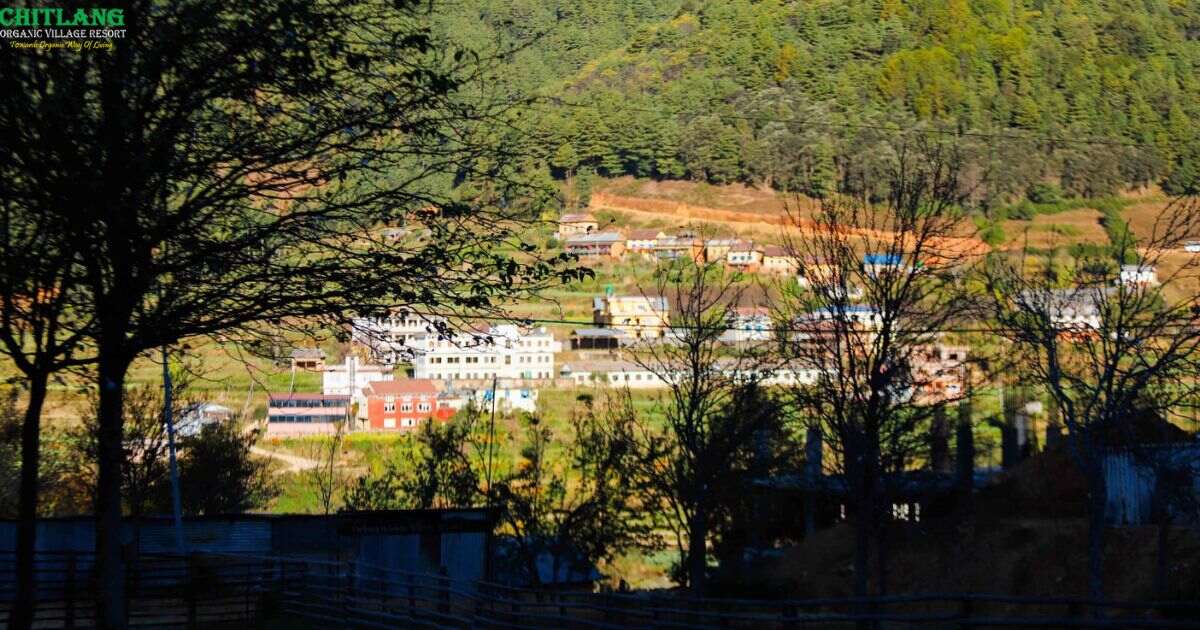
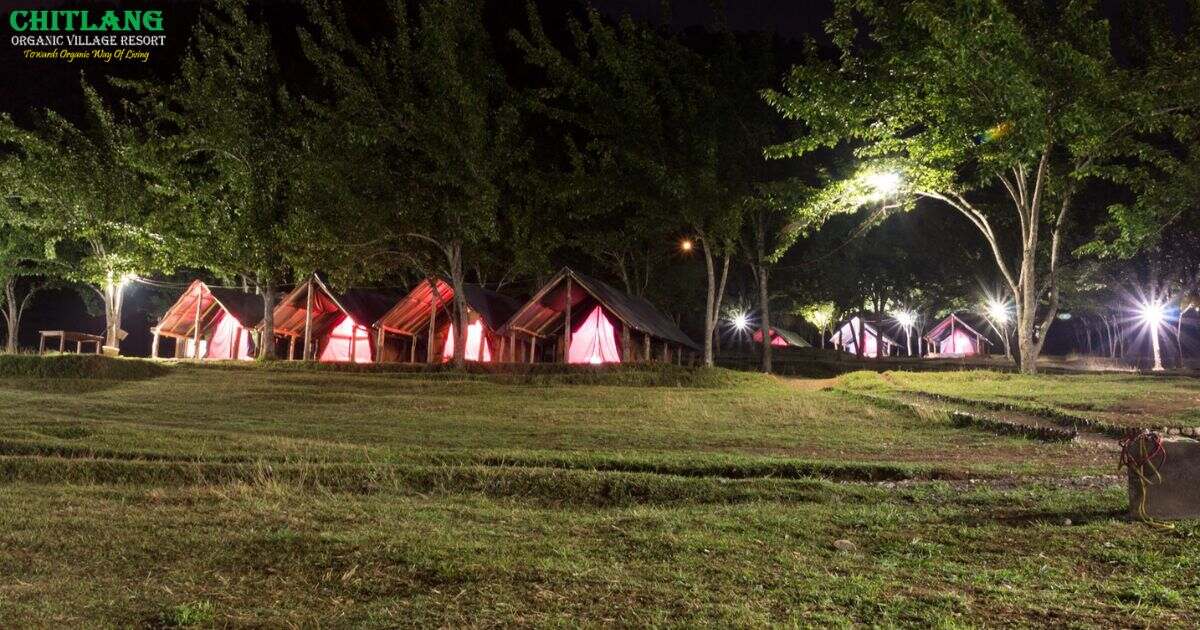
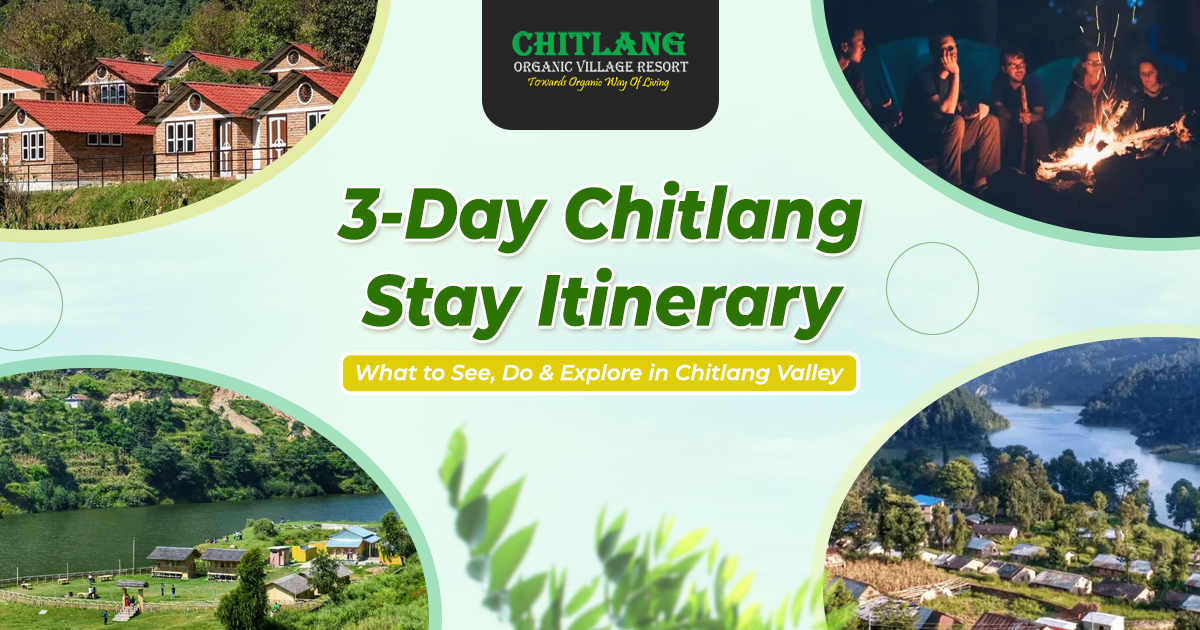
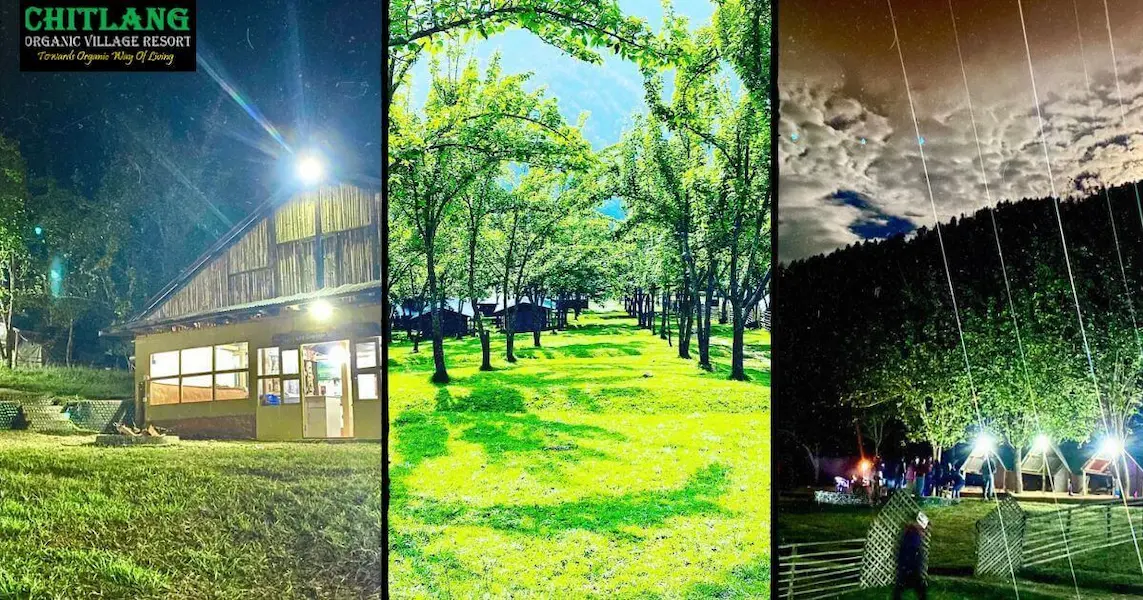
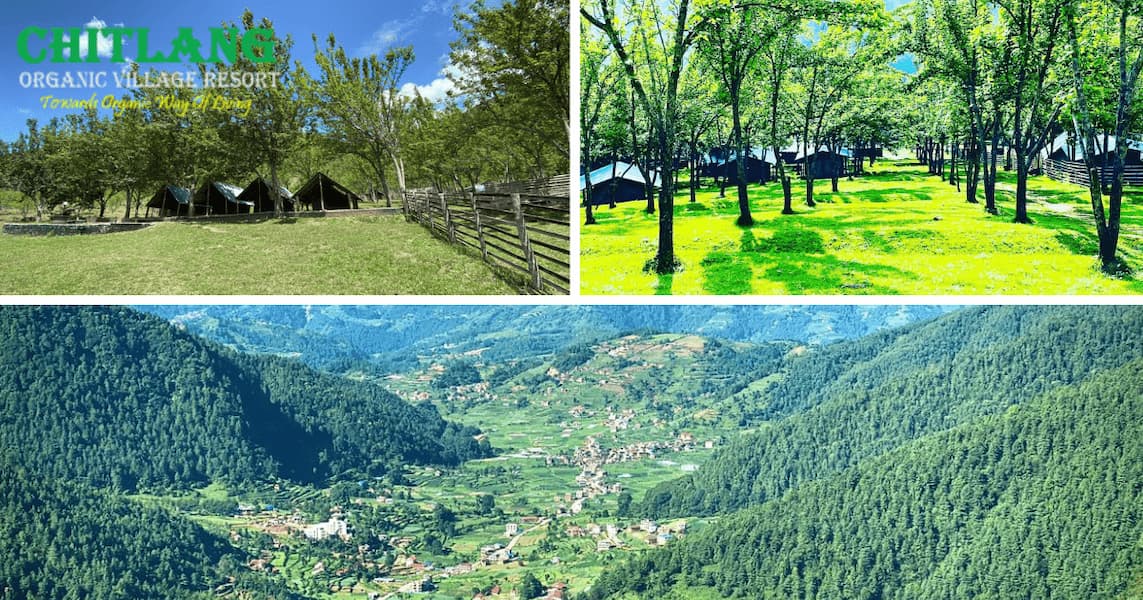
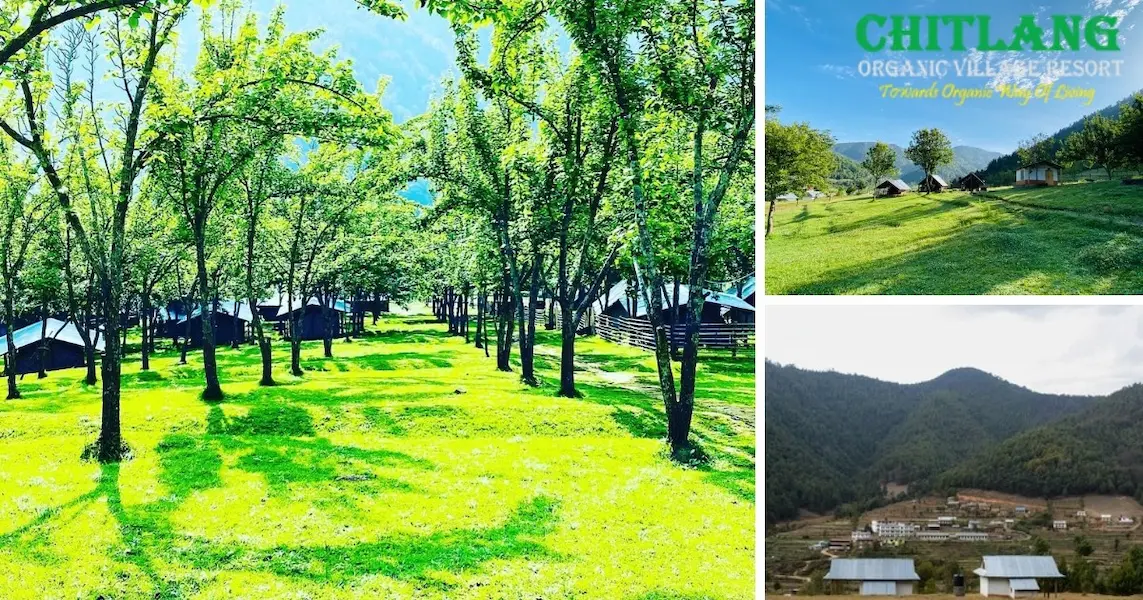
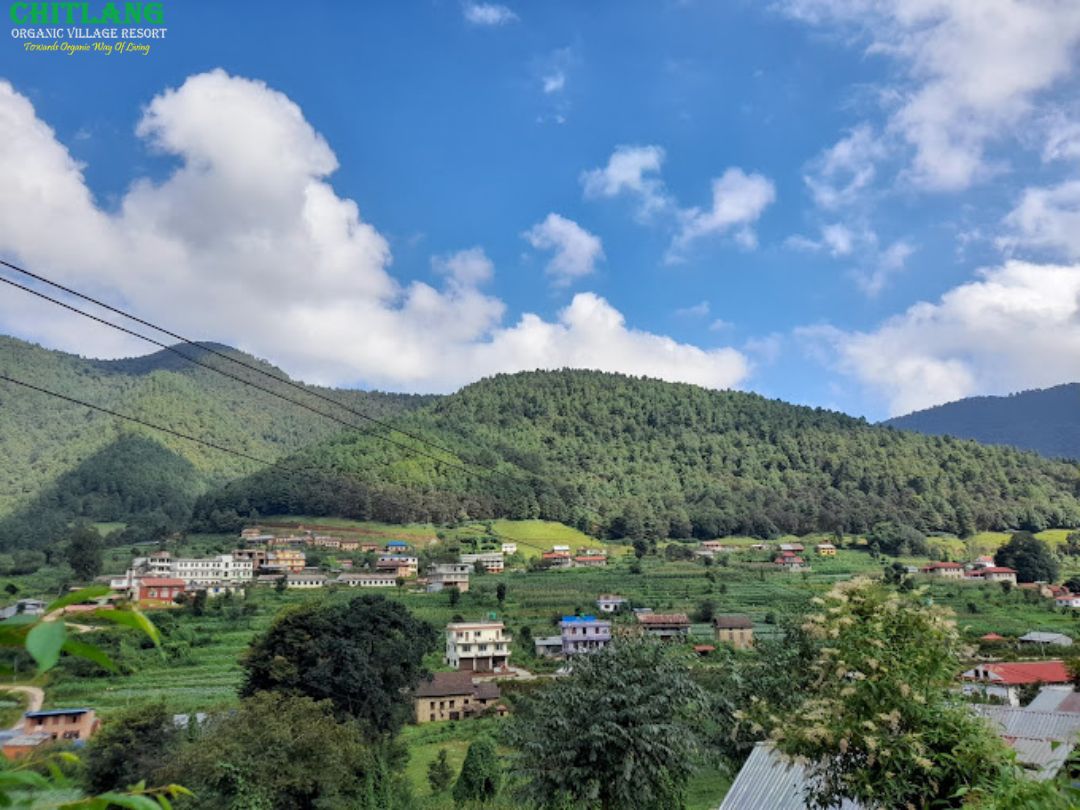
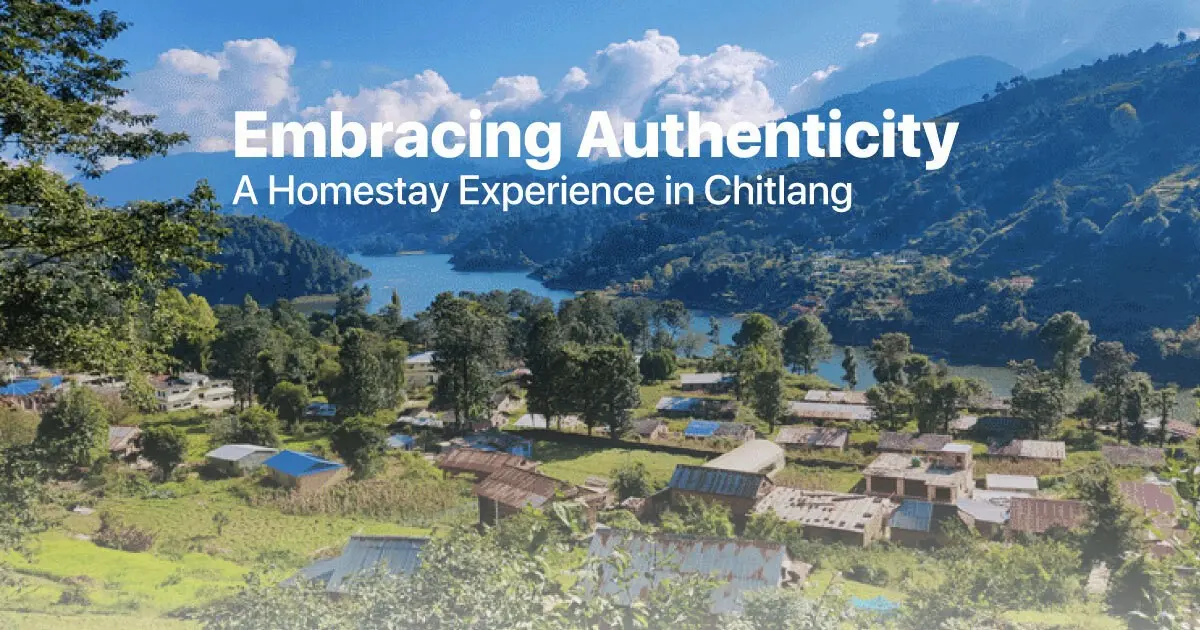
Those adventuring through Tistung’s cultural beauty and nature will find the Chitlang Organic Village Resort the perfect complement to their travels. Eco-friendly comfort and local hospitality combine to create a serene retreat for travellers wishing to unwind while discovering the culture.