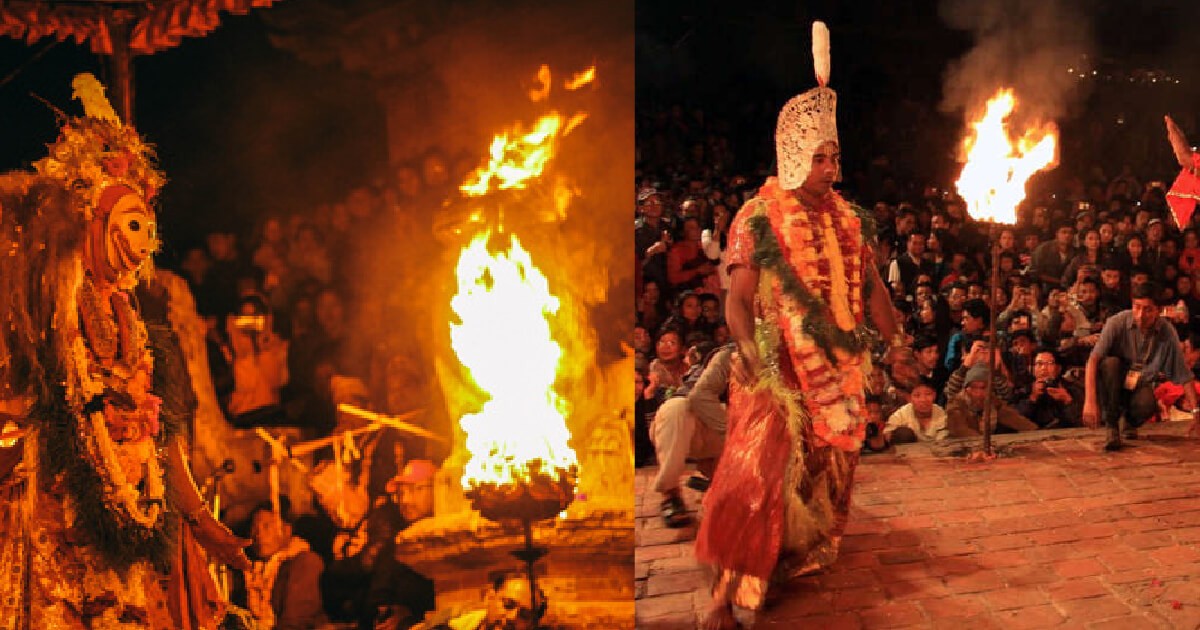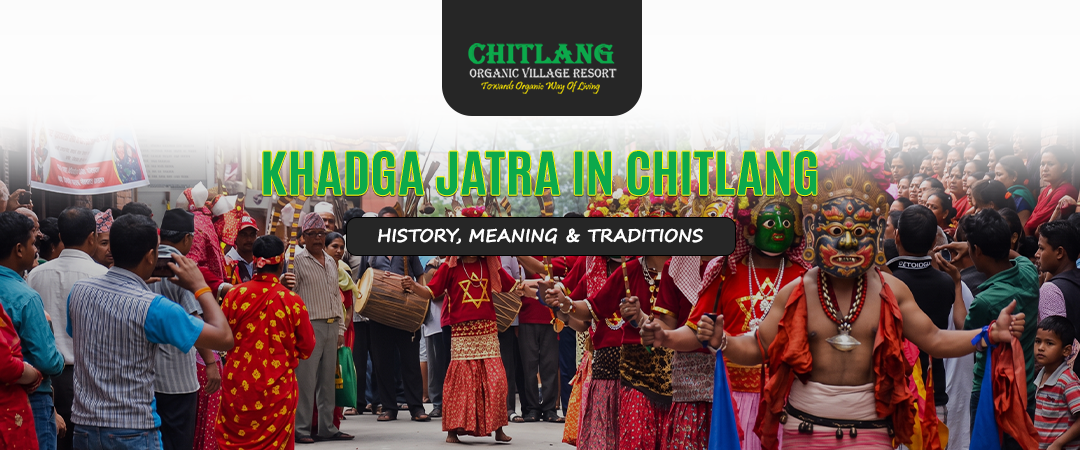
Imagine the night of Dashain in a village. Traditional drums and cymbals sound along the narrow alleys as a holy sword is taken out of a temple. A team of performers assembles with their weapons to fight against the evil spirit.
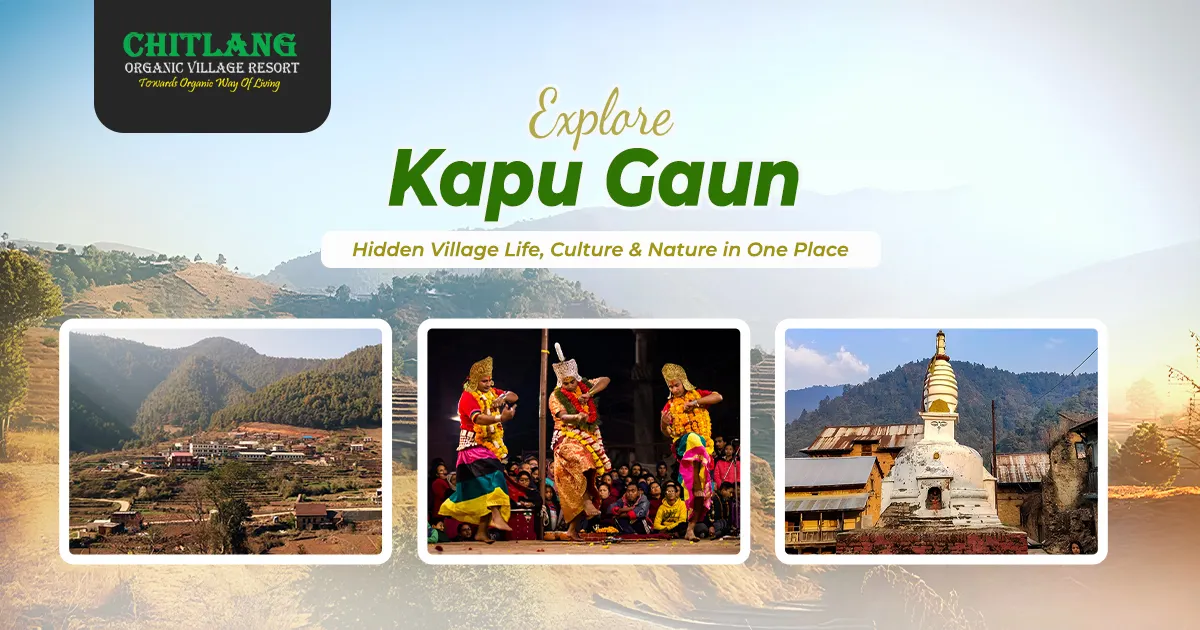
This is the scene of the Khadga Jatra in Chitlang, a unique Newar tradition of the village and an important part of its cultural heritage. The event is held in Kapugaun on the night of Dashami. It combines the performance of rituals, traditional music, and community participation.
It symbolizes victory over evil and embodies the cultural heritage of the local Newars. This guide highlights the history, significance, rituals, and traditions associated with the Khadga Jatra in Chitlang. It also covers what visitors should know before planning a Dashain trip to the village.
What Is a Khadga Jatra?
Khadga is the word for a sword, whereas jatra denotes a festival or procession. In Newari villages, the processions held with regard to swords are tied to the religious customs observed during the Dashain festival. These may vary from one village to another.
The Khadga Jatra in Chitlang belongs to this wider Newar tradition but has its own village character. It involves bringing a sacred sword out of the Taleju temple and performing a symbolic battle against Mahishasur.
The procession is also connected with the paya jatra, a traditional display of weapons accompanied by music and community participation. The significance of this tradition helps to explain why the Khadga Jatra in Chitlang is significant to the local families.
This is not merely a public ritual. This is a combination of faith, traditions of clans, and a collective identity. This makes it an important aspect of the Newar cultural heritage.
Chitlang: The Setting
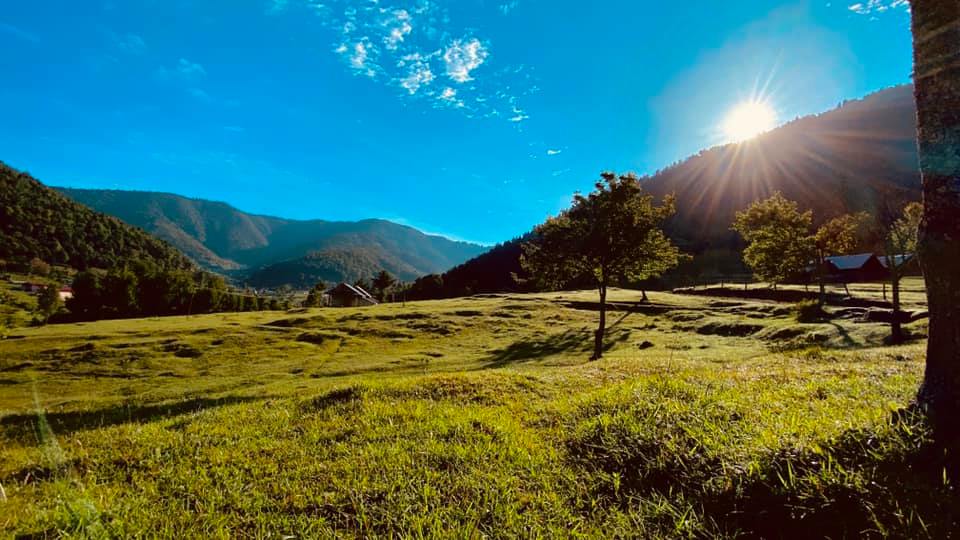
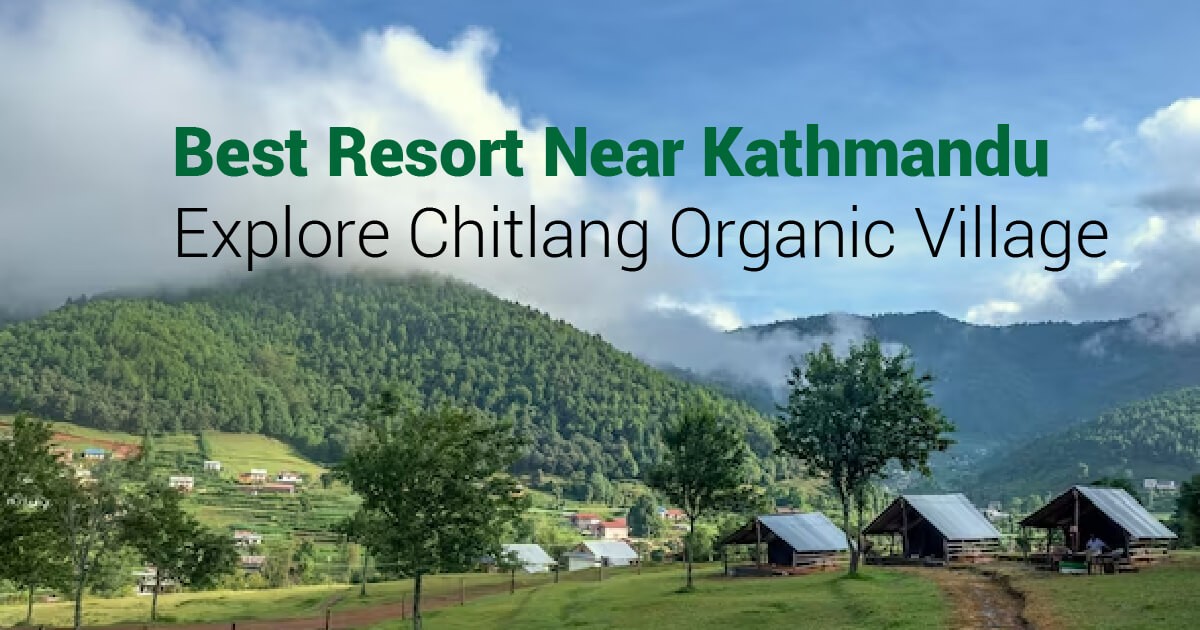
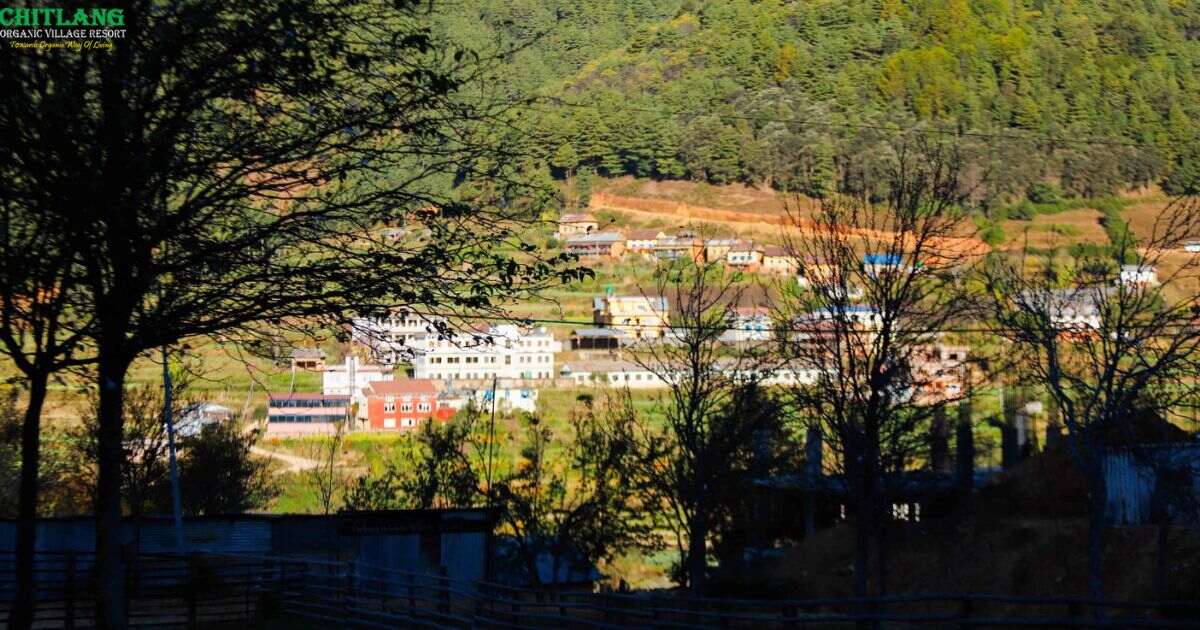
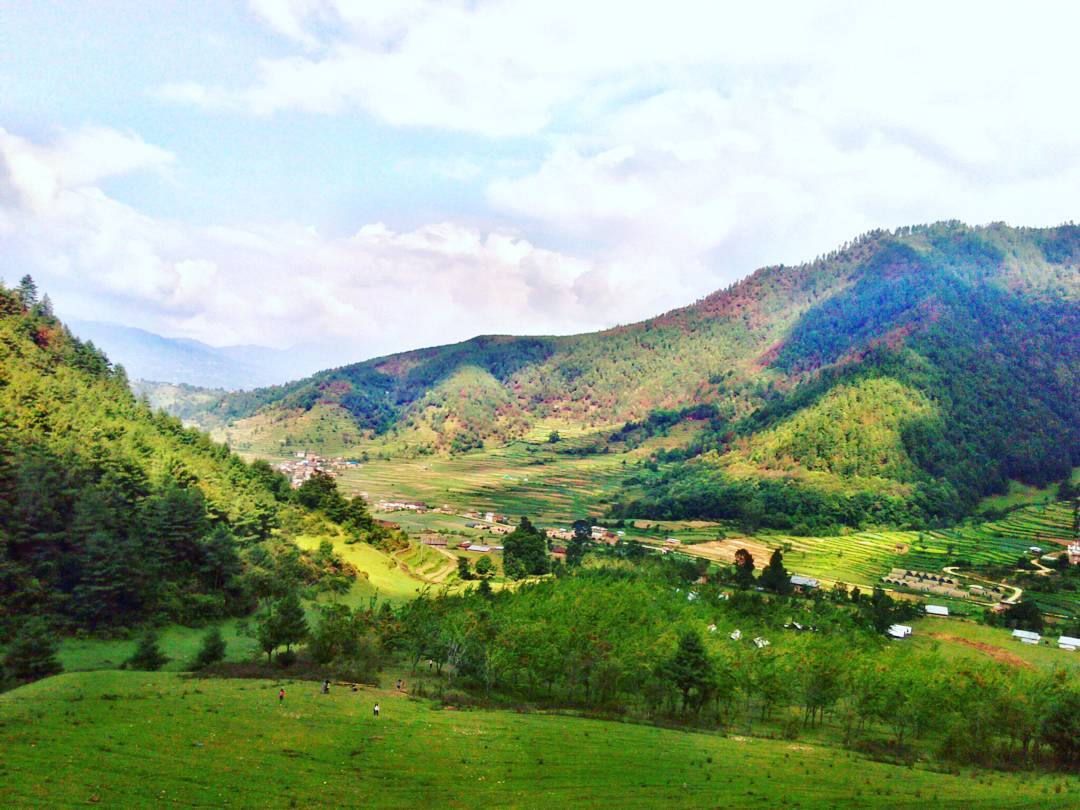
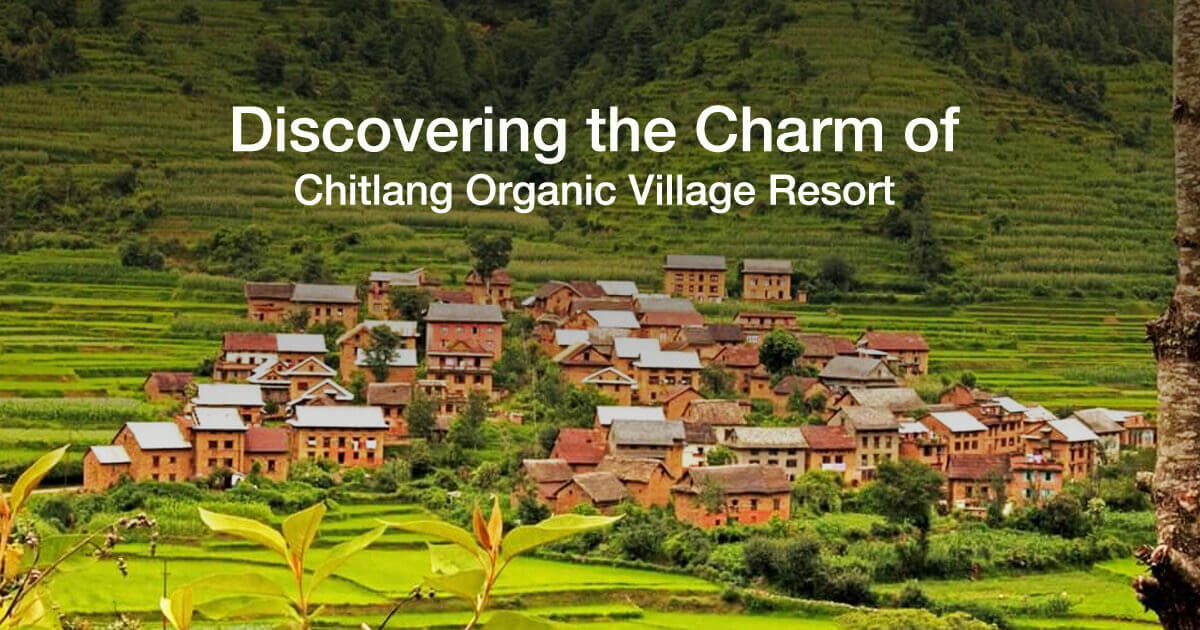
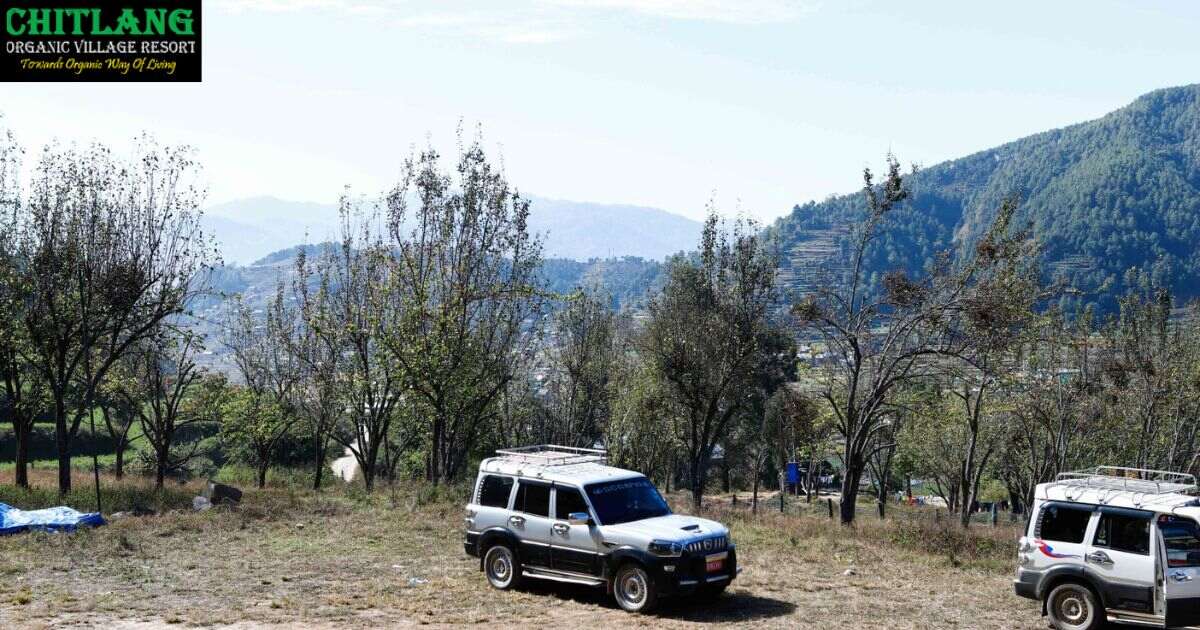
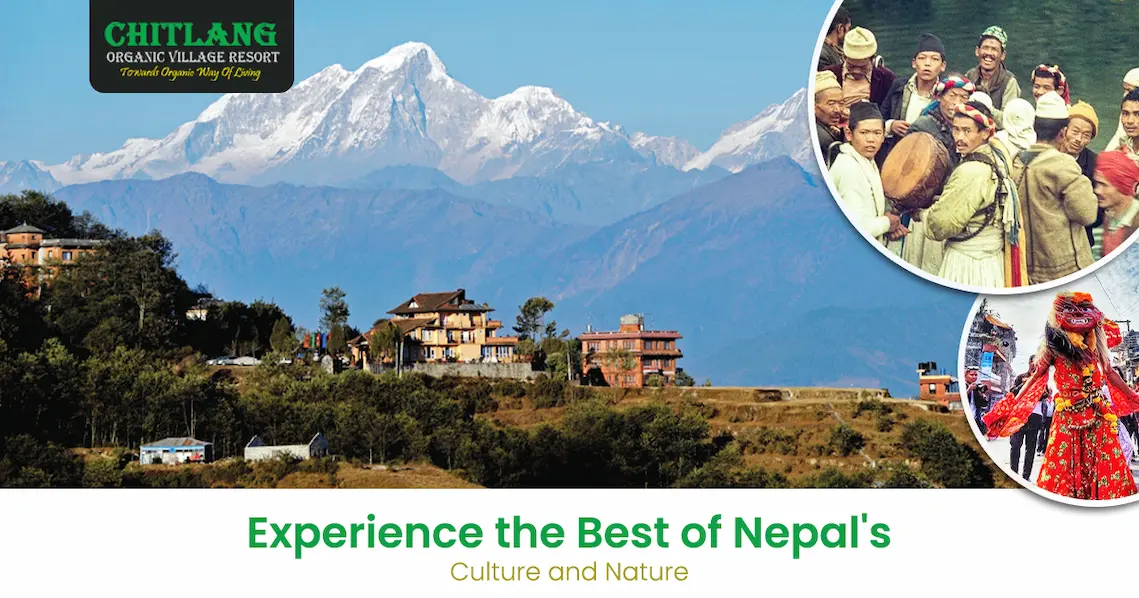
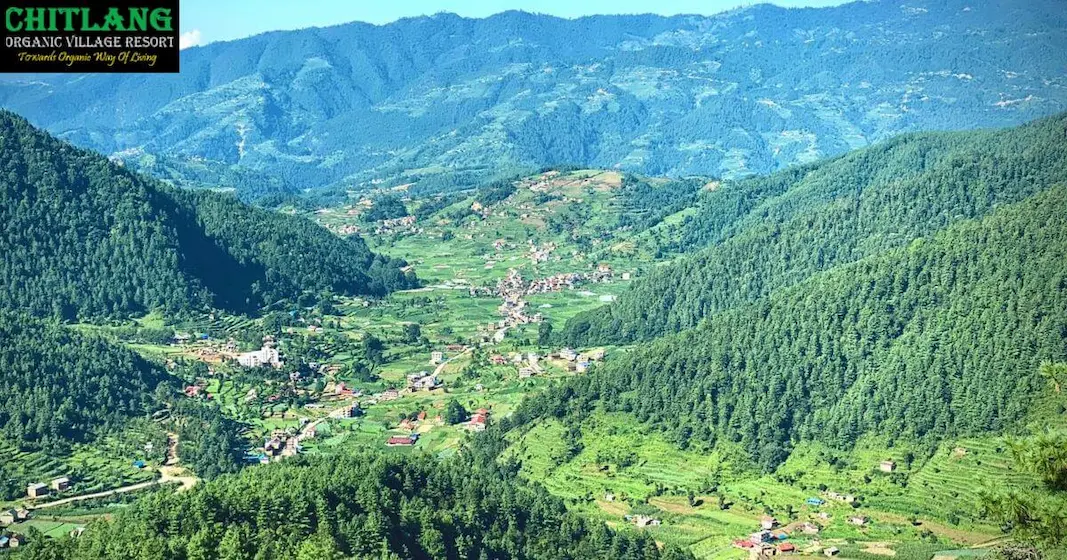
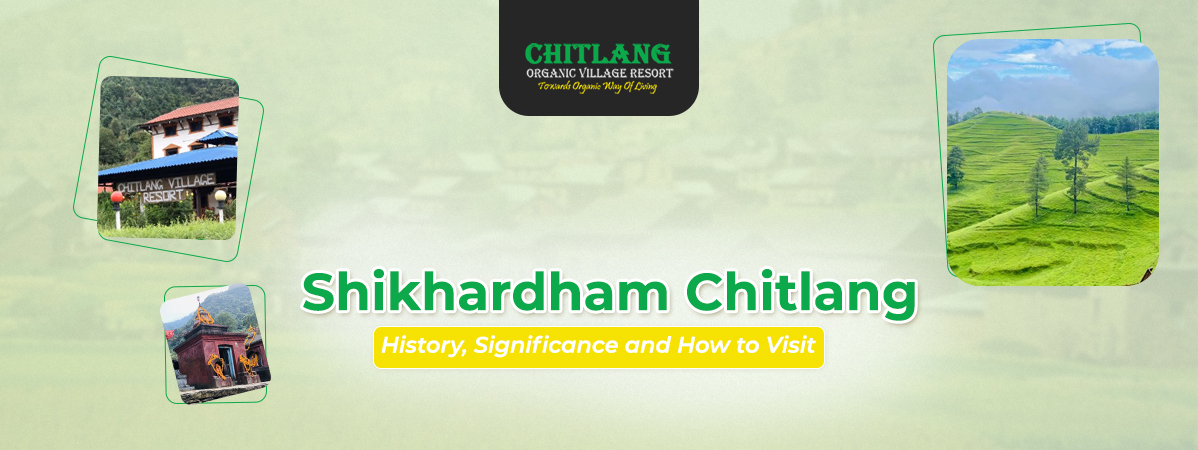
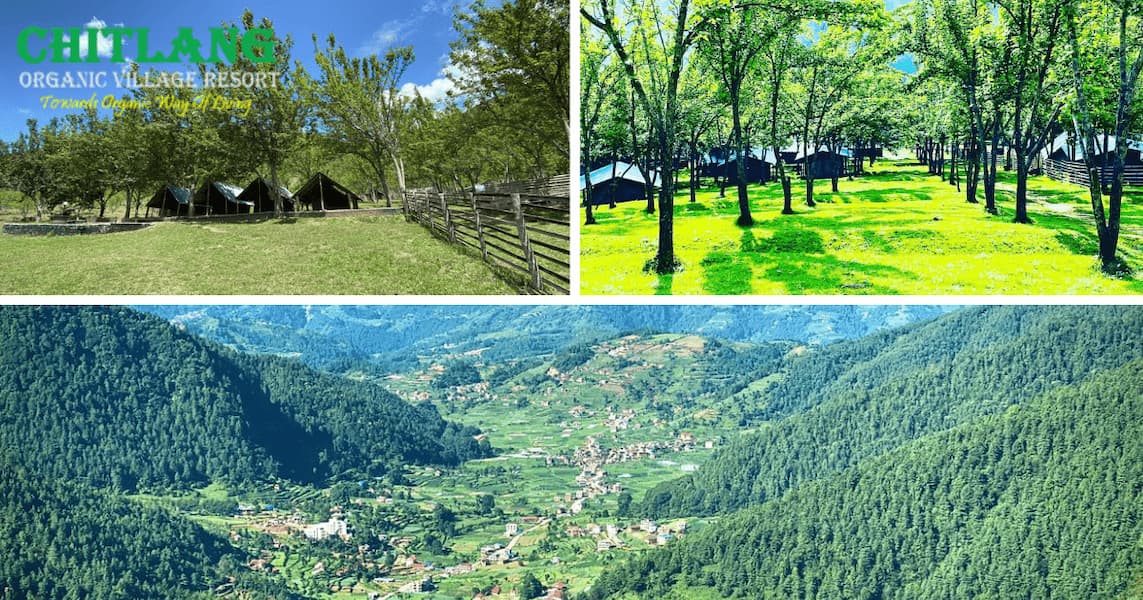
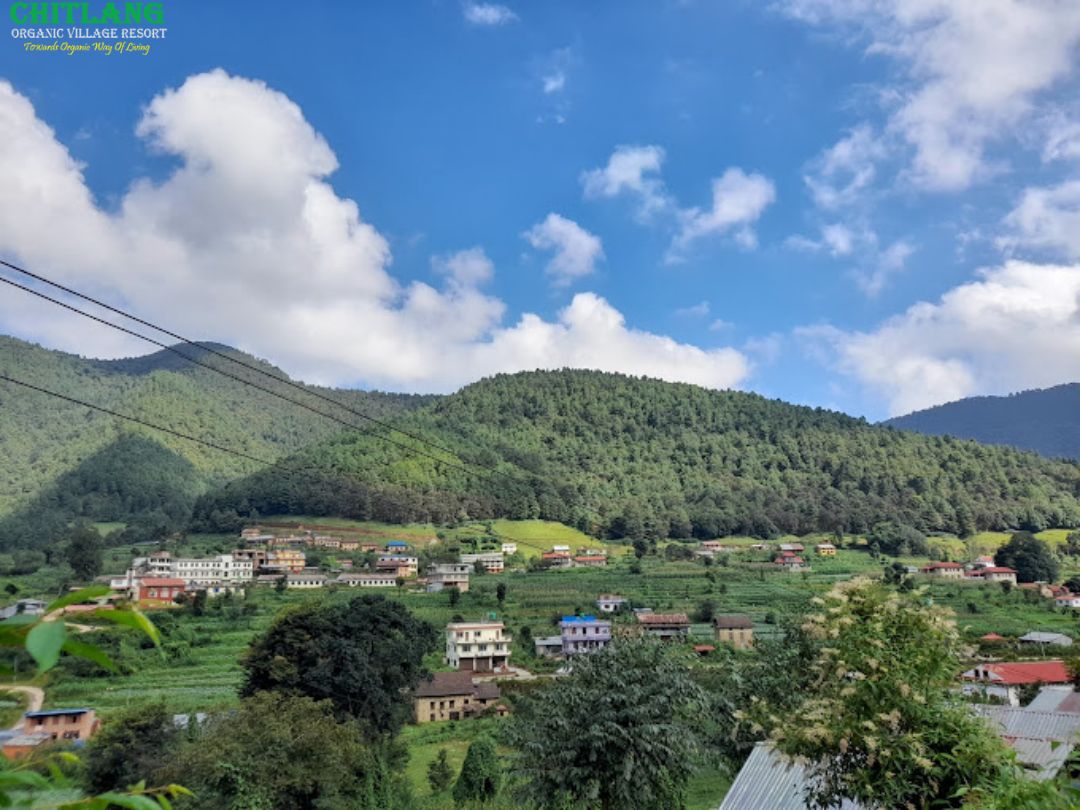
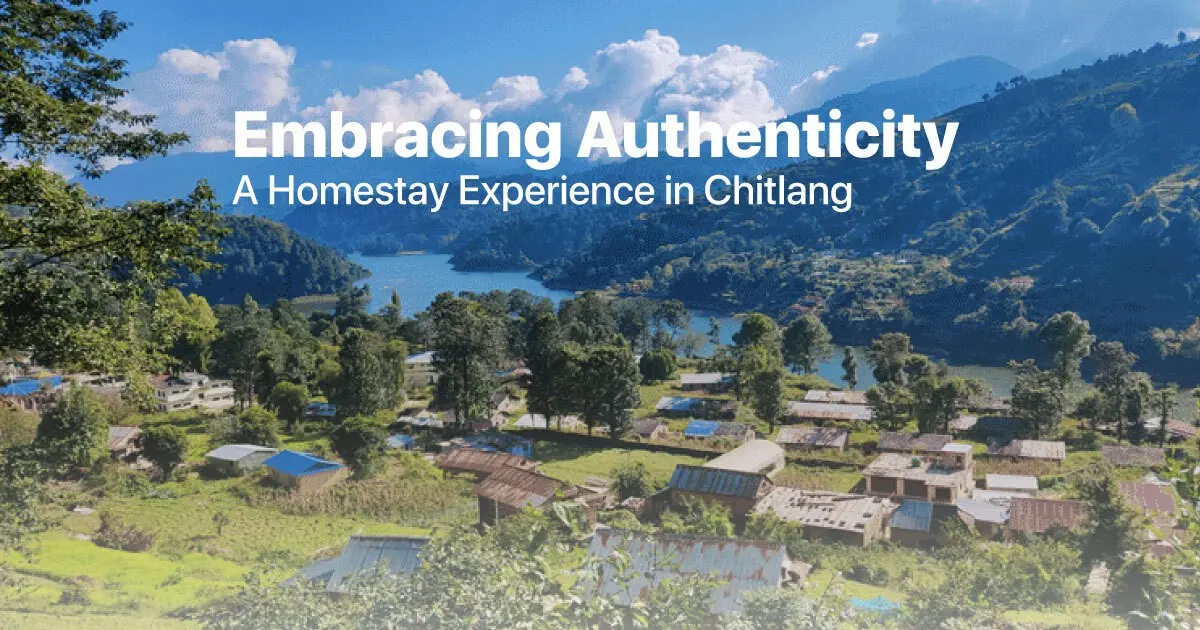
Chitlang is an old hill village of Makawanpur district, situated at an altitude of 1,833 meters above sea level. It houses Newar, Tamang, and Bahun communities. It is known as an old trade route between the Kathmandu Valley and other regions.
The jatra festival is held at Kapugaun, where the people customarily perform their rituals. The sword that is used in the procession comes from the Taleju temple. The nature of the surrounding settlement and its customs gives this festival a unique flavor.
Khadga Jatra in Chitlang bears close association with Kapugaun and those people who uphold the traditions there. Narrow streets, old houses, and the mountains that surround the village create the ambience of the festival.
The rural ambience also distinguishes Khadga Jatra in Chitlang from other similar processions that take place elsewhere. All this contributes to the cultural heritage of the village in one way or another.
History: Where the Tradition Comes From
The history of the Khadga Jatra in Chitlang is closely connected with local religious and cultural memory. According to the historical account published by Chitlang Organic Village Resort, the tradition dates back to the reign of King Mahendra Malla in the 16th century. The account also connects the ritual with tantric practices and sacraments.
This historical relationship is part of the tradition of the village concerning the jatra. However, the exact origin and date would need further historical verification before being treated as independently confirmed. The festival also carries different meanings for different Newar clans.
According to the resort’s version, the event is related to the crop ripening period, where the ceremony ensures protection from diseases and bad luck for the village. The history of the Khadga Jatra in Chitlang is preserved through family and clan traditions and legends.
The older generation shares their wisdom, while the young generation takes charge of planning the event. This participation ensures the survival of the Khadga Jatra in Chitlang for future generations. This preserves an essential element of the village’s cultural heritage.
Meaning: Victory of Good Over Evil
The central meaning of the jatra is the victory of good over evil. This idea is closely connected with the Dashain story of goddess Durga defeating the demon Mahishasur.
As per Hindu mythology, Mahishasur became powerful and challenged the gods and the entire world. Goddess Durga fought back to defeat him. This is an example of evil being defeated by good or righteousness, which is the theme of the festival Dashain.
At the time of Khadga Jatra in Chitlang, people celebrate this victory in form of a dance using traditional weapons. The drama depicts the fall of Mahishasur and gives a dramatic twist to the ceremony.
For local families, the Khadga Jatra in Chitlang also carries meanings related to protection, community, and renewal. The ritual is one mode of paying homage to our inherited tradition and ensuring well-being in the future year. It is a ritual that keeps the religious mythology and cultural heritage alive among the community.
How the Jatra Unfolds
The Khadga Jatra in Chitlang takes place on the night of Dashami, the tenth day of Dashain. Since the festival follows the lunar calendar, its date changes each year. Visitors should confirm the exact date before travelling.
The celebration begins with rituals at the Taleju temple. The sacred sword is brought out with traditional ceremonies before the procession moves forward. The Paya procession is associated with a Guthi, where traditional weapons are brought together for the festival.
In the local Newar explanation, Pa refers to traditional weapons, while you refers to festivity. One of the main attractions is the dramatic performance involving around seven to ten participants.
They use weapons such as the khukuri to enact the defeat of Mahishasur. The demons are made for the performance, and the performers dance in rhythm to depict the battle.
Music is part of the performance. The bhusiya baja and the dhimey make the beat as the performers perform the ritual. The fusion of the drumbeats, the weapons, and the movements makes the whole performance unique.
The Khadga Jatra in Chitlang gradually builds from a religious ritual into a public performance. Music and movements make the Khadga Jatra interesting from the perspective of the locals.
Visiting the Khadga Jatra in Chitlang even for a few days will reveal how religion and community life are deeply connected. They are also essential to conserving the traditional music and rituals in Chitlang’s cultural heritage.
Music, Food and the Wider Dashain in Chitlang
The Khadga Jatra in Chitlang is one part of a larger Dashain celebration in the village. There are other rituals and customs performed during the Dashain festival, which help one gain more insight into Dashain in Chitlang.
One important ritual is Mani Puja, performed on Nawami. Sacred Mani stones and symbols are worshipped as part of the local religious practice. Music also plays an important role during the festival. Mangal Dhun and Malshree Dhun are traditional music forms belonging to Newar culture. The sound of the music adds to the festive mood of the village.
Other Dashain rituals involve sowing and reaping jamara, receiving tika, blessings, and playing kites. The family comes together to make food and share their meal.
Popular festive foods include:
- Sel roti: A ring-shaped rice flour bread commonly prepared during festivals.
- Yomari: A steamed rice flour dumpling filled with molasses or sesame.
- Aloo tama: A traditional curry made with potatoes and bamboo shoots.
- Gundruk: Fermented leafy greens served as a side dish.
Such traditions clearly indicate the significance of linking the celebration of the Khadga Jatra in Chitlang to other events taking place during the festival period.
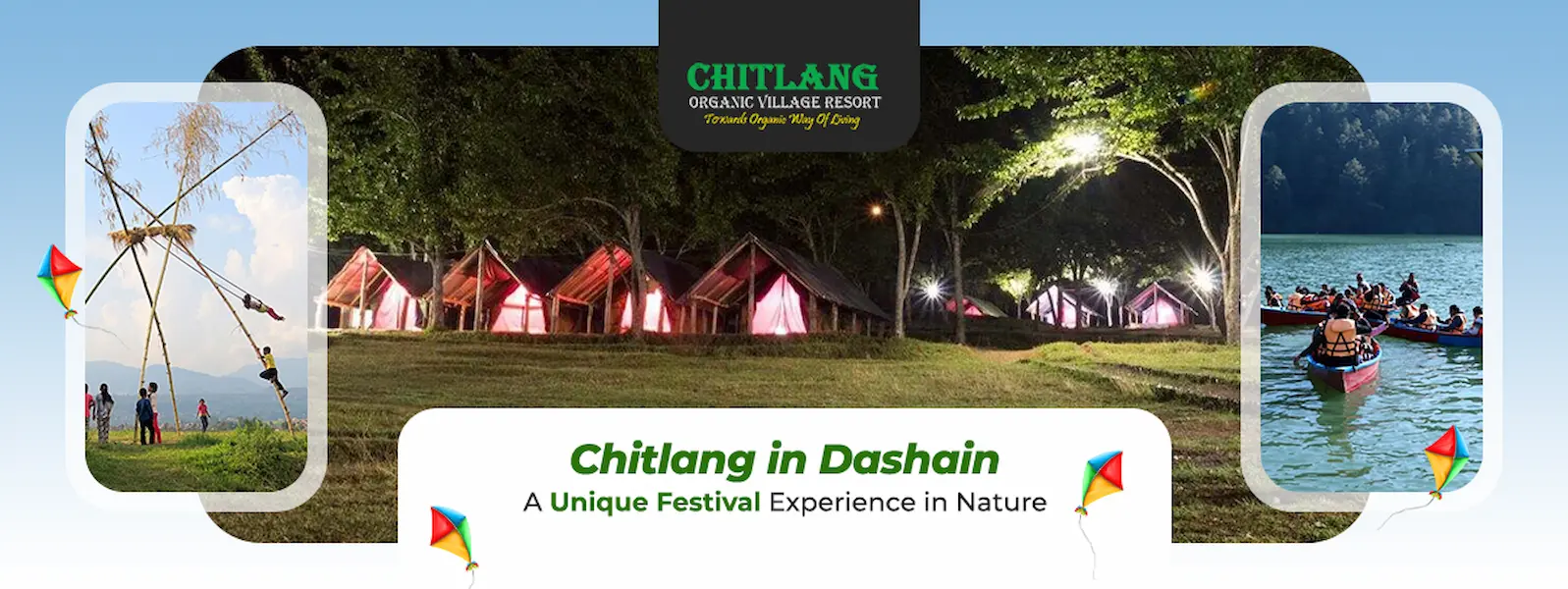
An article on the holiday by the Chitlang resort is titled Chitlang in Dashain. These traditions represent the cultural heritage of the village and its Newari inhabitants.
The People Behind It
Community participation is central to the Khadga Jatra in Chitlang. The Balami Youth Group from Kapugaun is responsible for organising the jatra that takes place every year.
The Guthi system is equally relevant in the traditional arrangement of the procession. This is because it acts as a mechanism through which people within the community relate to their spiritual duties. Different generations play their roles in various ways in the performance.
The Khadga Jatra in Chitlang is a living tradition that depends on local people. The involvement of the youth group, elders, and family members ensures that the festival can go on despite still having cultural significance related to the village.
Their involvement is crucial for ensuring the protection of this element of cultural heritage.
Visiting the Jatra: What to Know
If you want to experience the Khadga Jatra in Chitlang, a little planning can make your visit easier. The event takes place at night, so it is worth arranging your transport and accommodation in advance.
When: The jatra takes place on the night of Dashami, the tenth day of Dashain. The date changes each year, so confirm it with residents or the resort.
Getting there: The town of Chitlang is about 22 to 27 kilometers away from Kathmandu. It usually takes about 1.5 to 2 hours by road to travel from Kathmandu to Chitlang.
Etiquette: Observe the rituals with respect and refrain from interfering with the procession. Obtain consent before taking pictures of the performers, religious items, and the rituals themselves.
Visitor access: There is no clear indication from public information on whether visitors can see the entire show or participate in any of the rituals. It would be best to inquire with local people or the resort first. Inquire further about whether there are any charges or special conditions involved.
The planning will make the Khadga Jatra in Chitlang a better experience for you. An overnight visit will be the easiest choice for tourists since the Khadga Jatra in Chitlang takes place during the night.
This will also give them more time to explore the village in the Dashain season and learn about its cultural heritage.
Why Stay at Chitlang Organic Village Resort for the Khadga Jatra in Chitlang
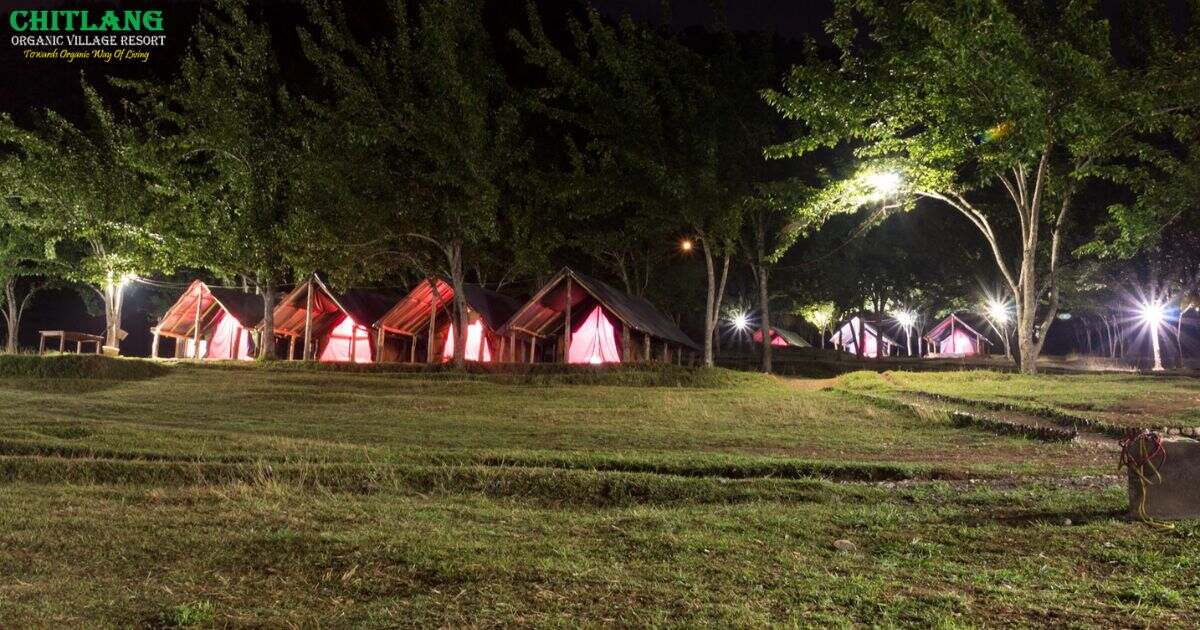
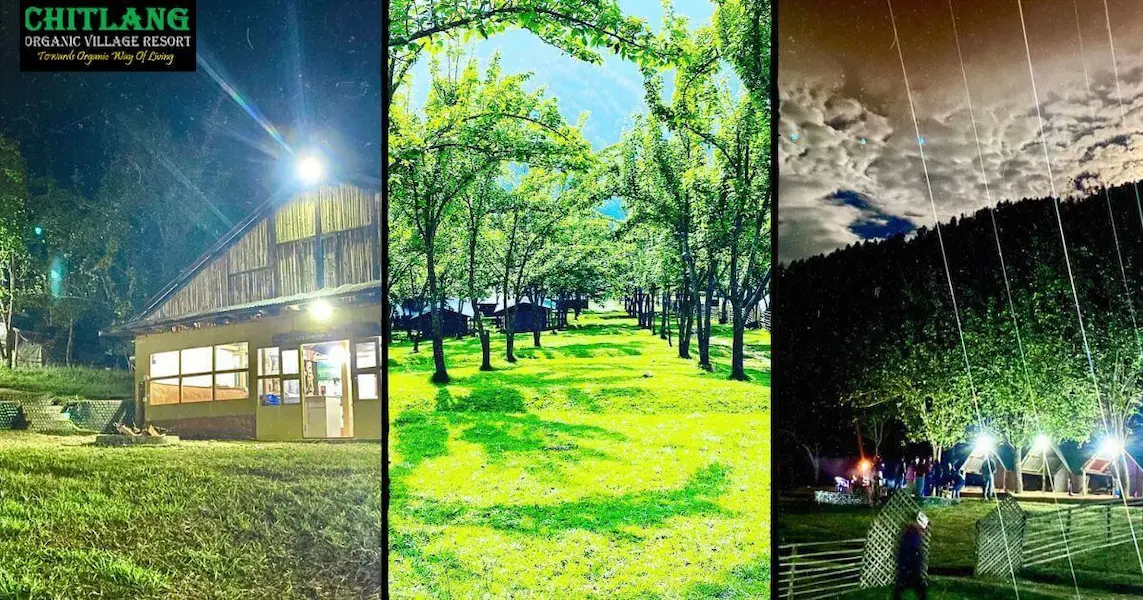
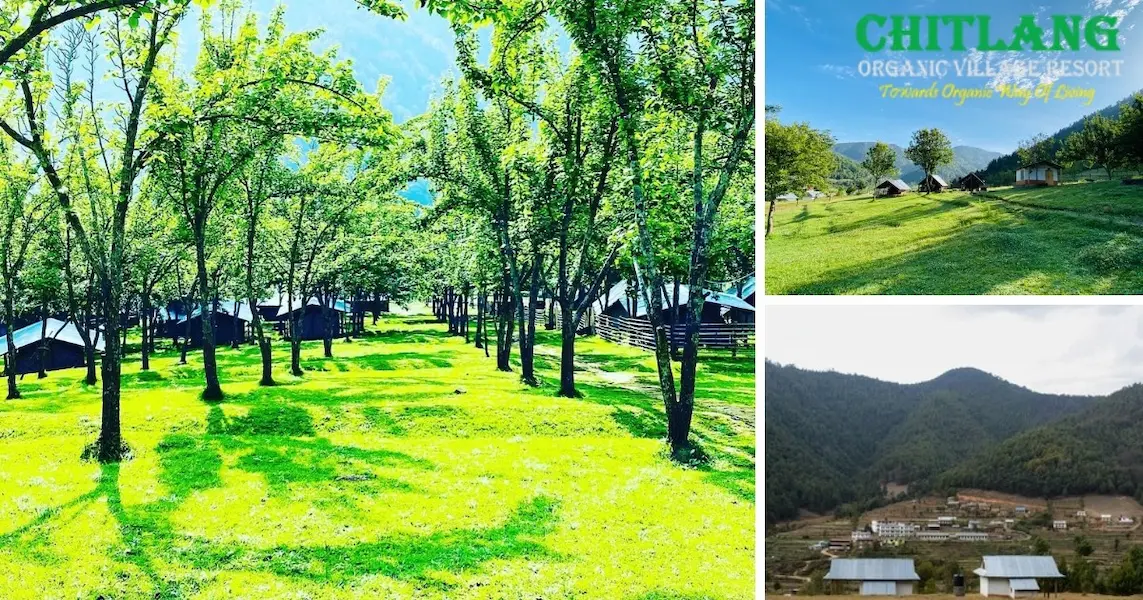
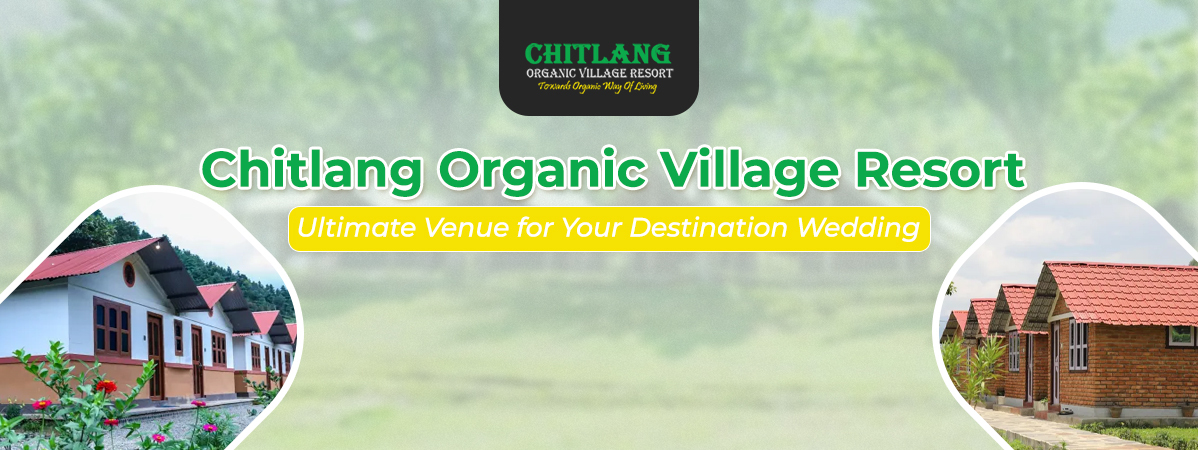
Chitlang Organic Village Resort is one of the earliest tourism properties in the village. Established in 2010, it has 19 rooms, including tented accommodation and private cottages. Its team members are from the local community and are familiar with the village and its surroundings.
Staying at the resort puts you close to the Khadga Jatra in Chitlang without needing to plan a late-night drive back to Kathmandu. You can also get information on the local festival schedule from the team to verify all the details of the festival.
The resort provides a convenient place for tourists to experience the culture of the village and its natural environment.
But the tourists need to verify the timings of the jatra with the organizers at the local level. This is also a good chance for the tourists to learn about the cultural heritage of Chitlang.
Conclusion
The Khadga Jatra in Chitlang brings together religious belief, traditional music, symbolic weapons, and community participation. Its story of good overcoming evil is connected with Dashain. At the same time, its local rituals reflect the cultural identity of the Newar community.
Rather than just being an annual procession, it represents a tradition kept alive by the locals themselves. Khadga Jatra in Chitlang is a significant insight into the culture of Newars in the hills and the traditions that sustain rural life there. It also helps one gain insight into the distinct cultural heritage of Chitlang.
If you are planning a Dashain visit, contact Chitlang Organic Village Resort to ask about accommodation and local festival arrangements.
Frequently Asked Questions
1. What is the Khadga Jatra in Chitlang?
The Khadga Jatra in Chitlang is a Dashain procession held in Kapugaun. A sacred sword is brought out from the Taleju temple, followed by a traditional performance showing the defeat of Mahishasur.
2. When is it held?
This event occurs during the night of Dashami, which is the tenth day of the Dashain festival. It happens on different dates every year, so it would be advisable to check the schedule for that year.
3. Who organises it?
Balami Youth Group of Kapugaun arranges the annual jatra with the help of the local community.
4. Can visitors watch?
Access for visitors to the ritual is not clearly stated. It is advisable to contact the people or the Chitlang Organic Village Resort before you visit to know whether visitors can view the ritual and where.
5. Where can I stay near the Khadga Jatra in Chitlang?
Chitlang Organic Village Resort, situated in Chitlang-2, Makawanpur, provides accommodation in tents and cottages. You can contact 9813302140 from Sunday to Friday, from 10 AM to 5 PM, or email chitlangvillage@gmail.com to check availability.