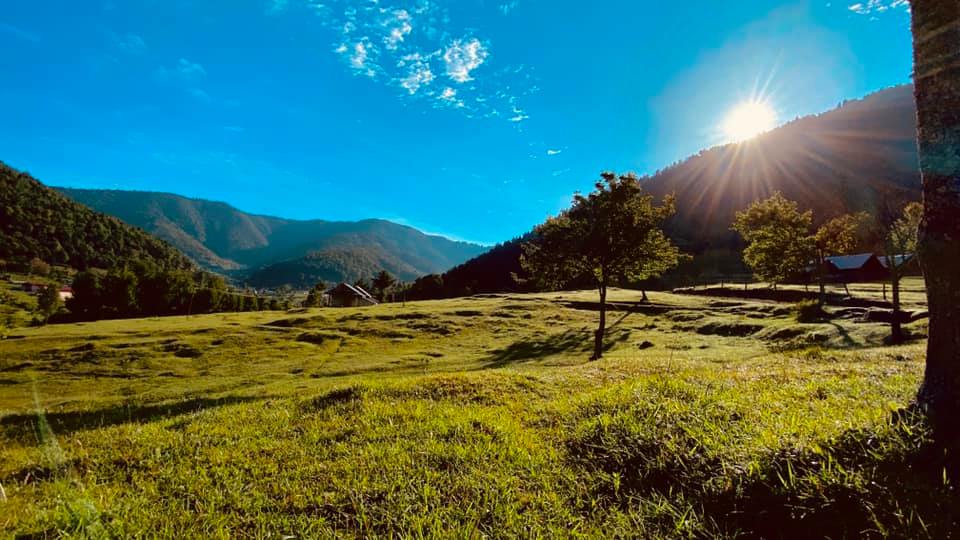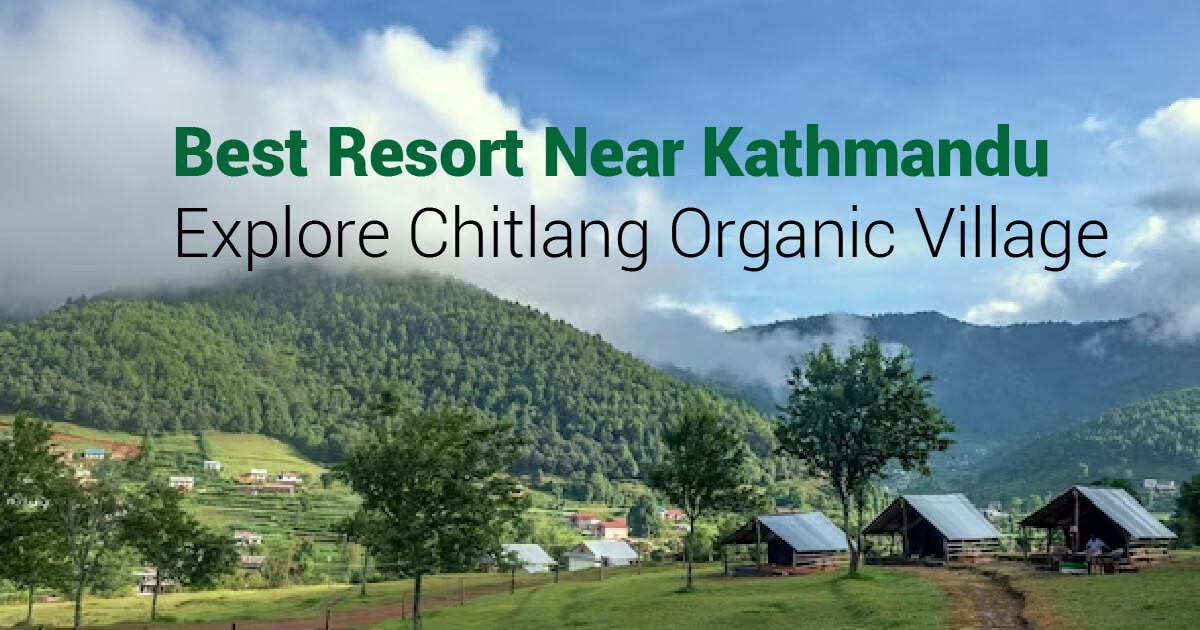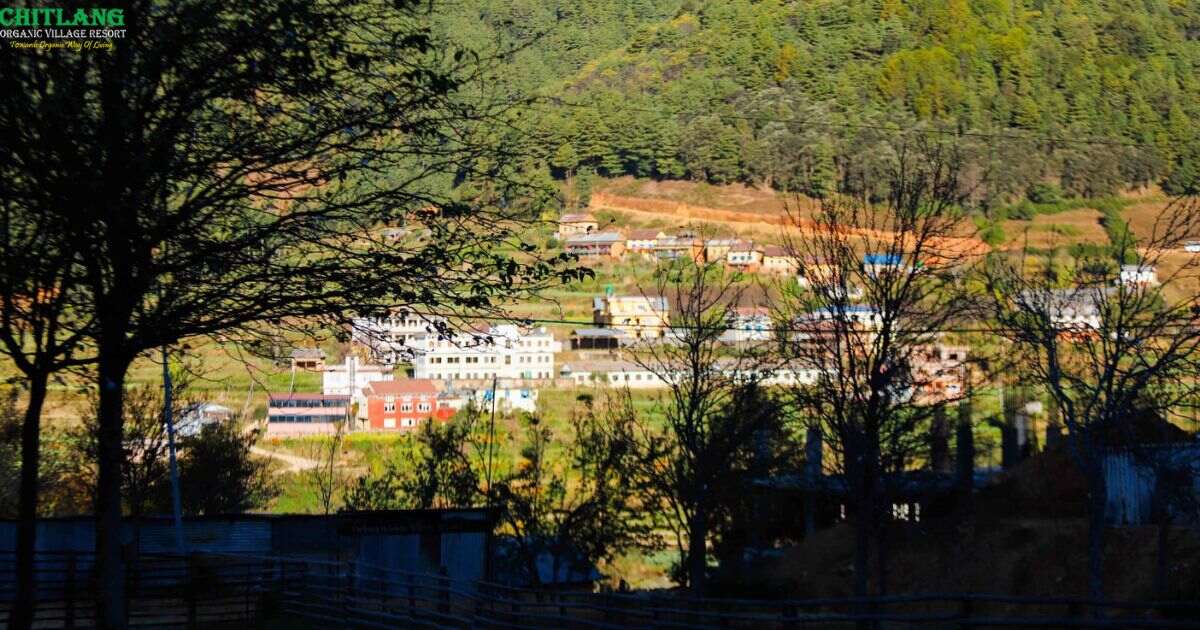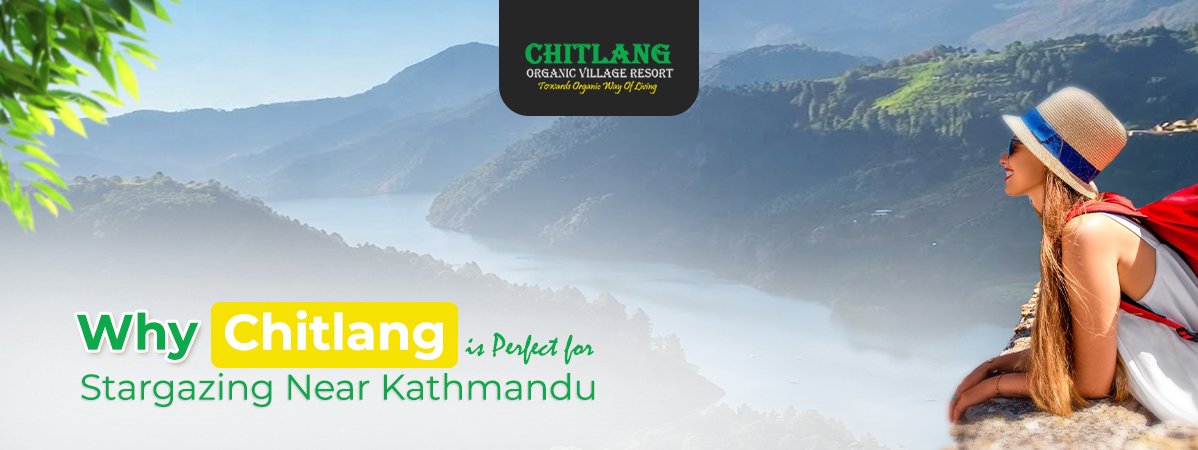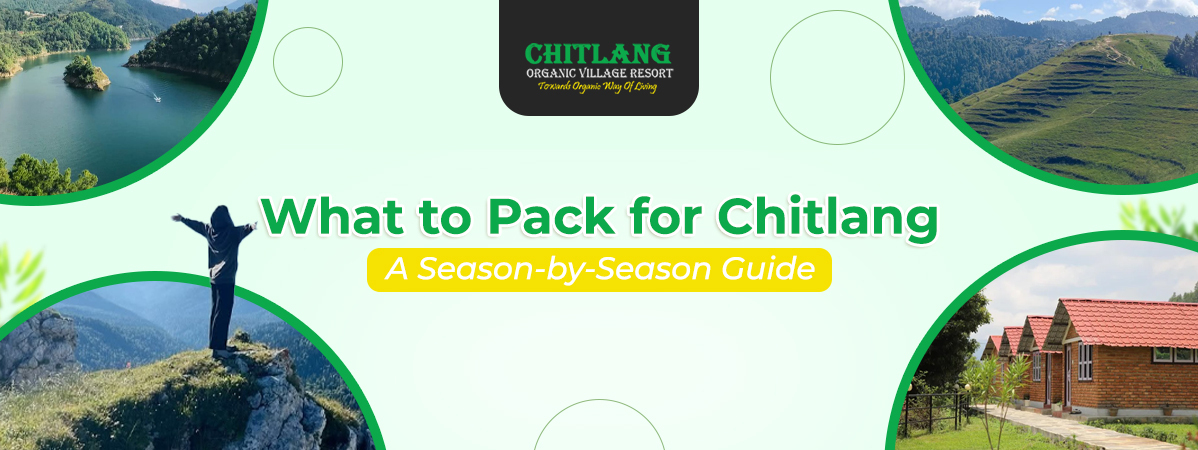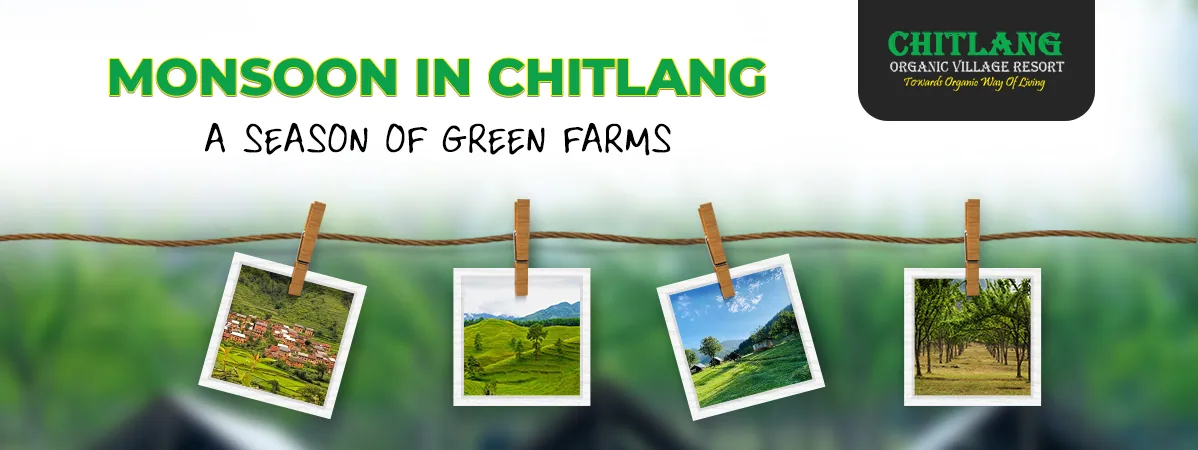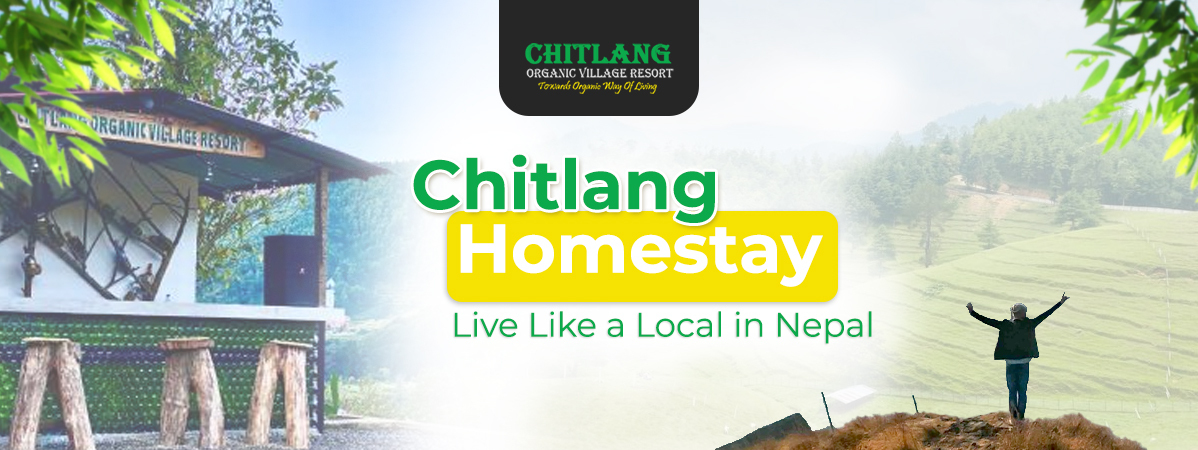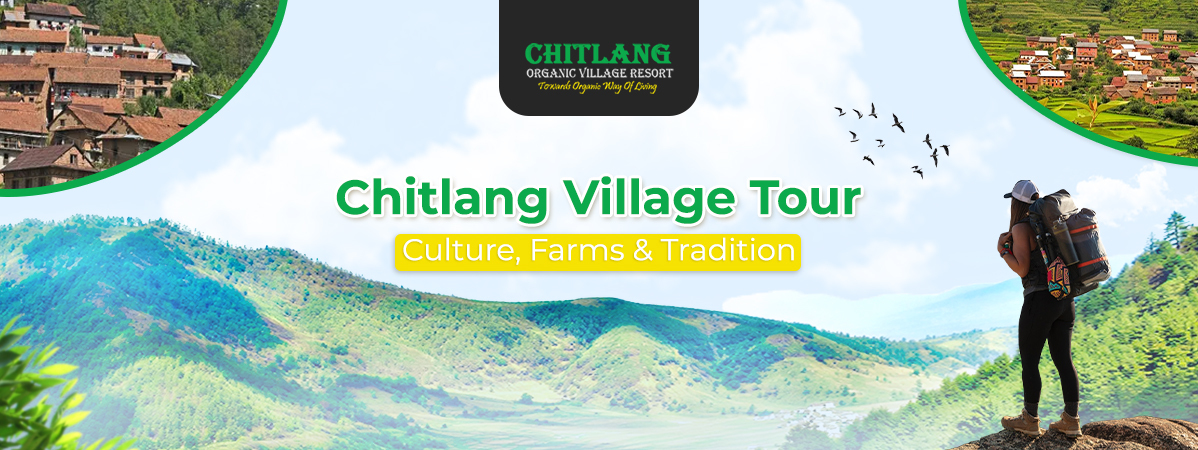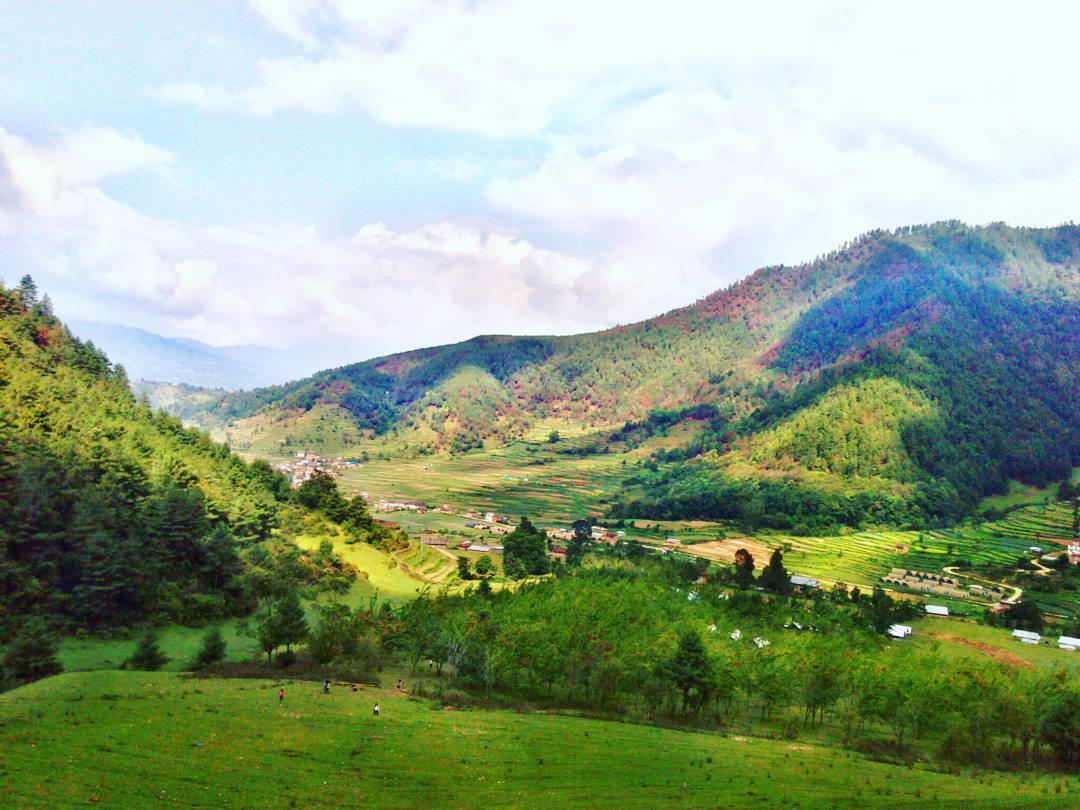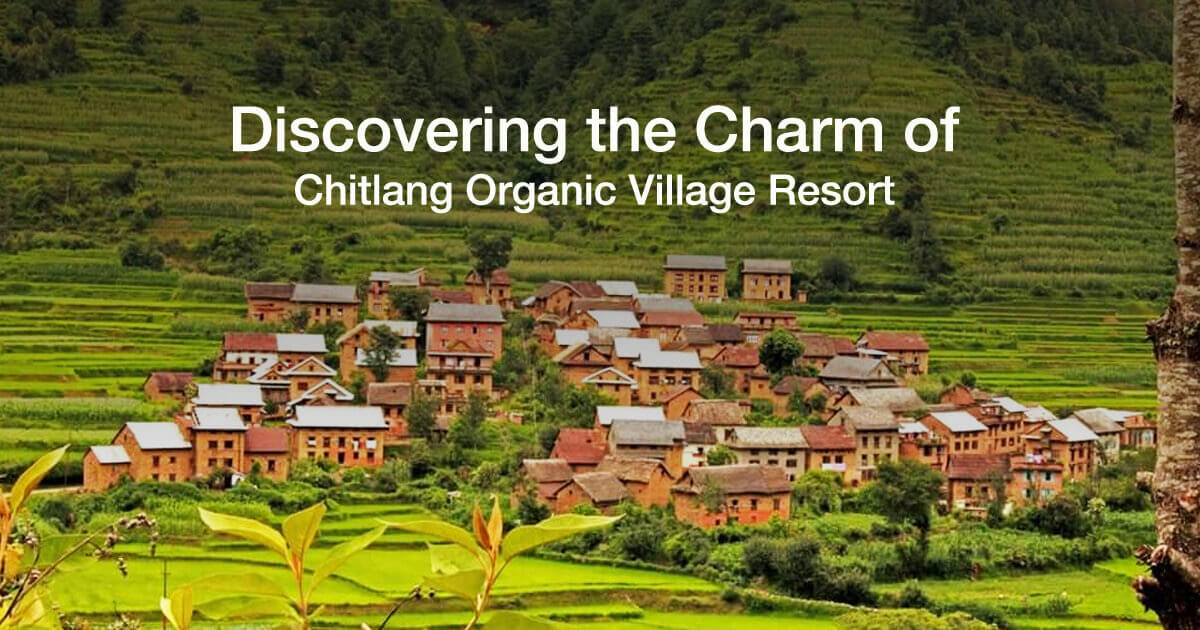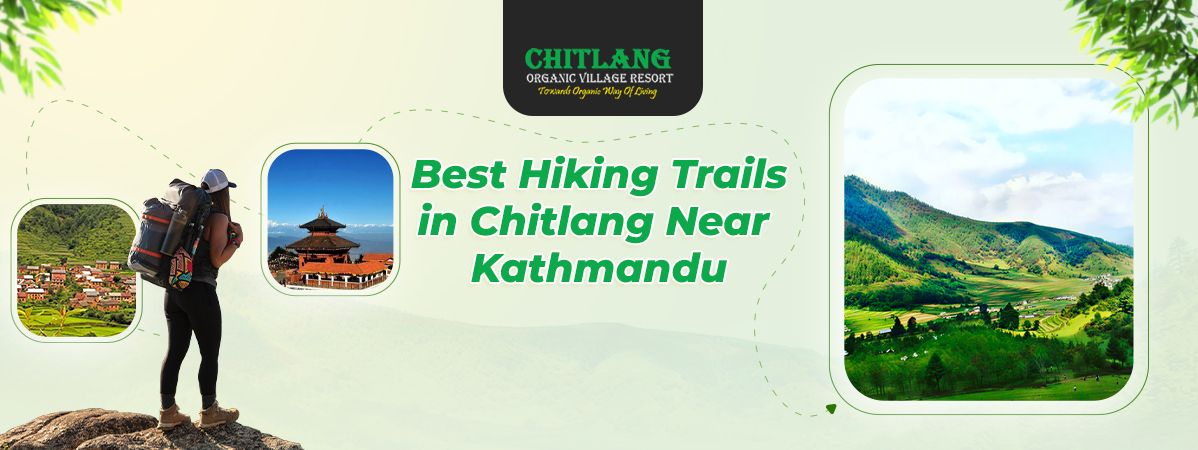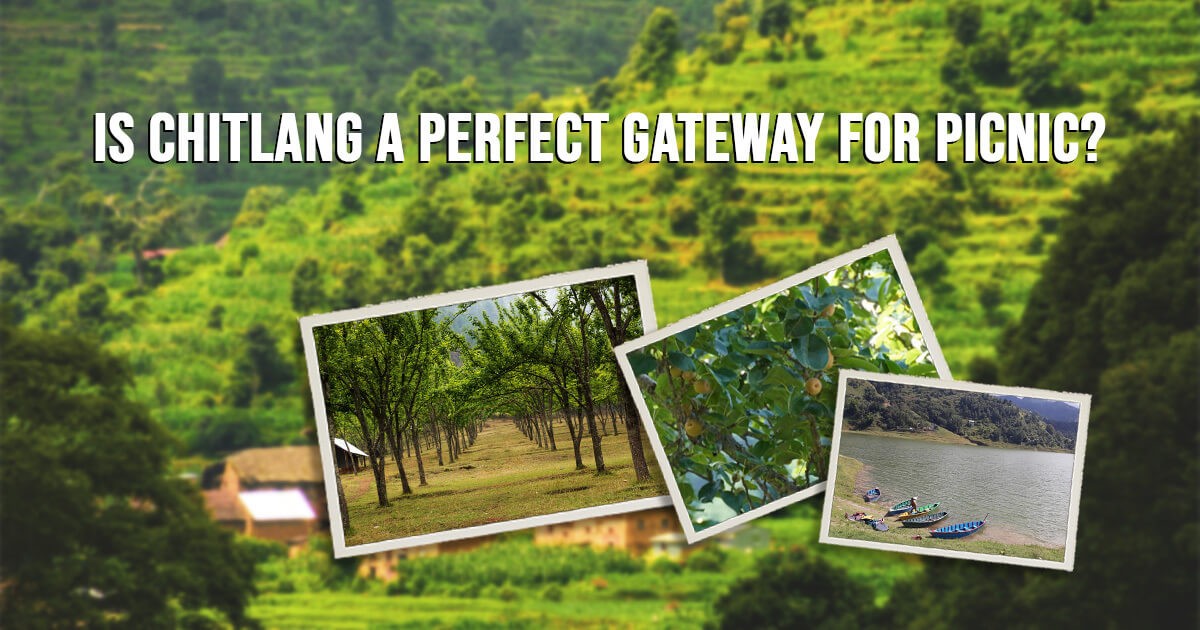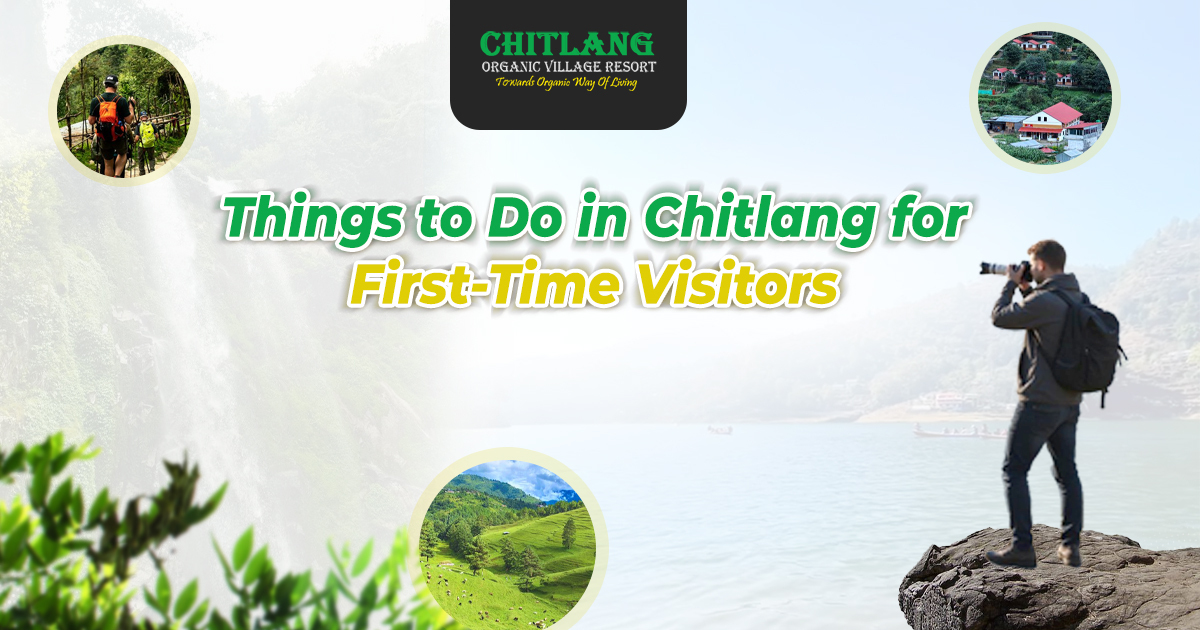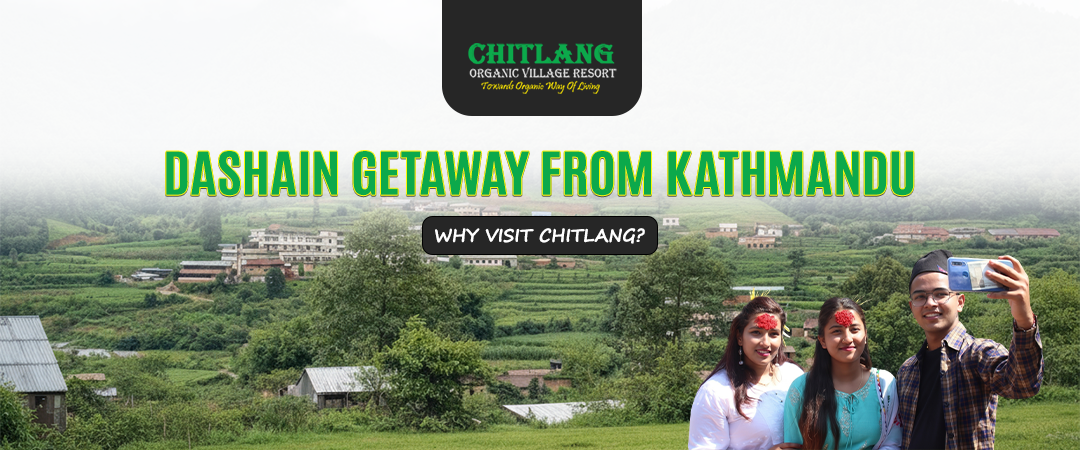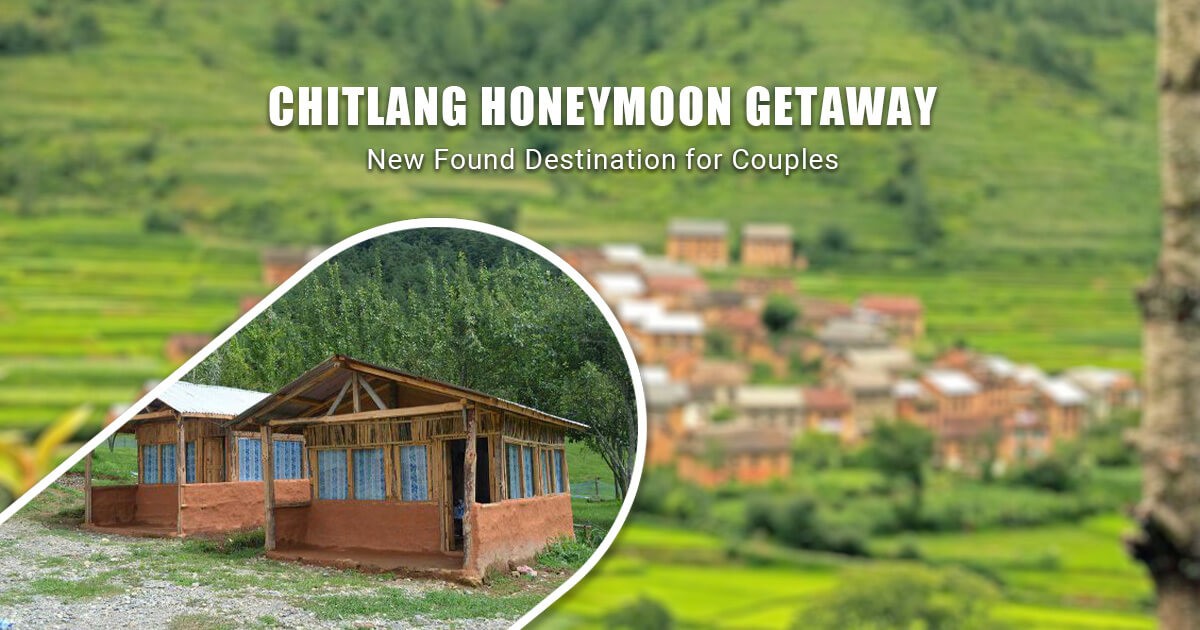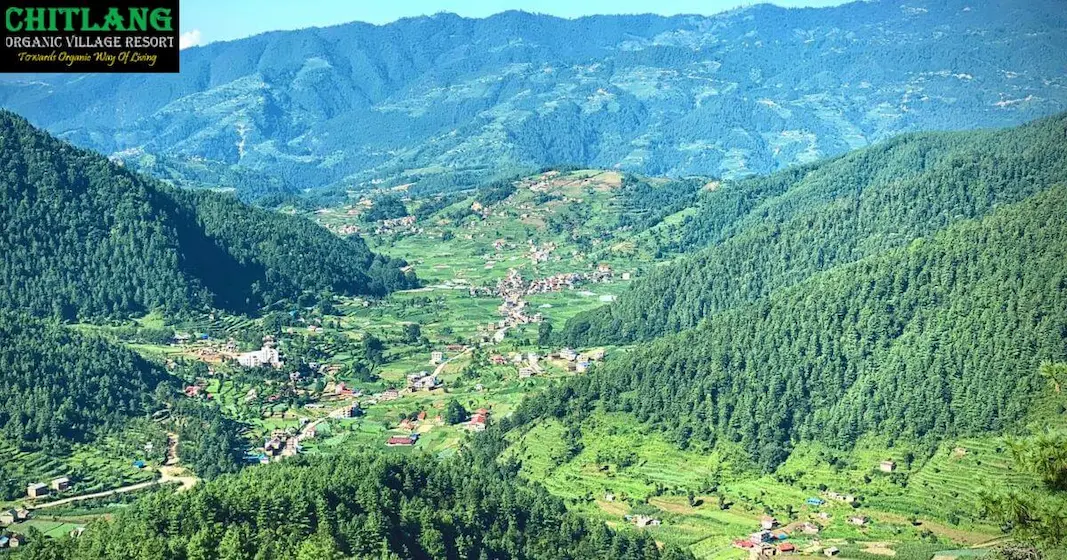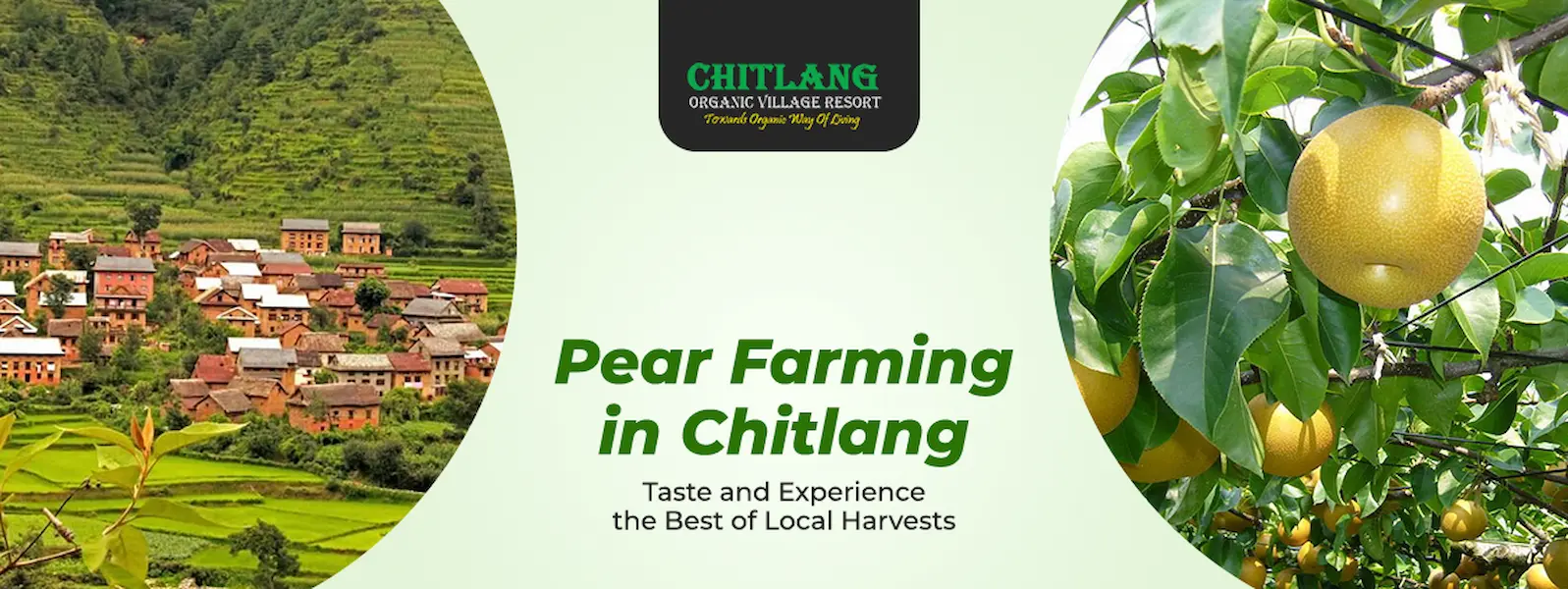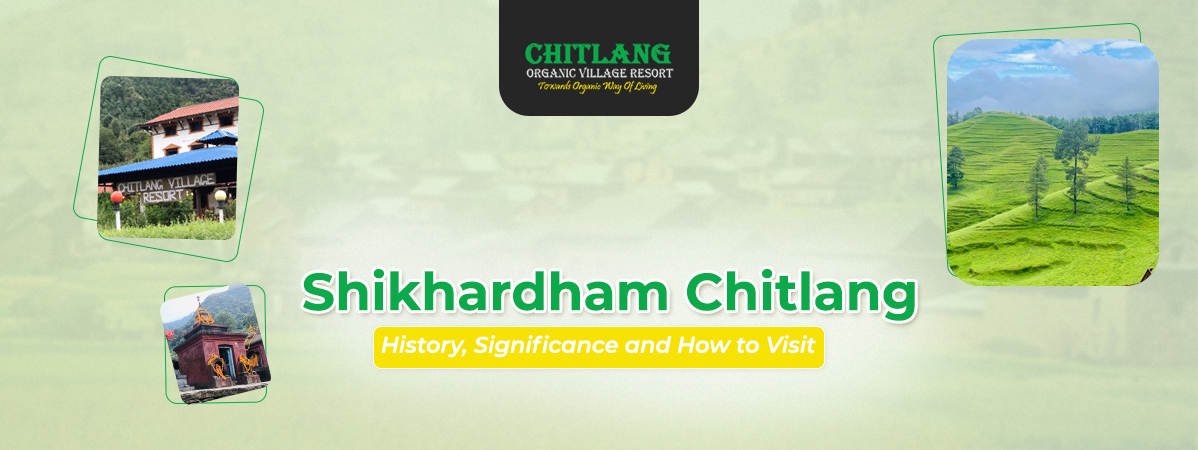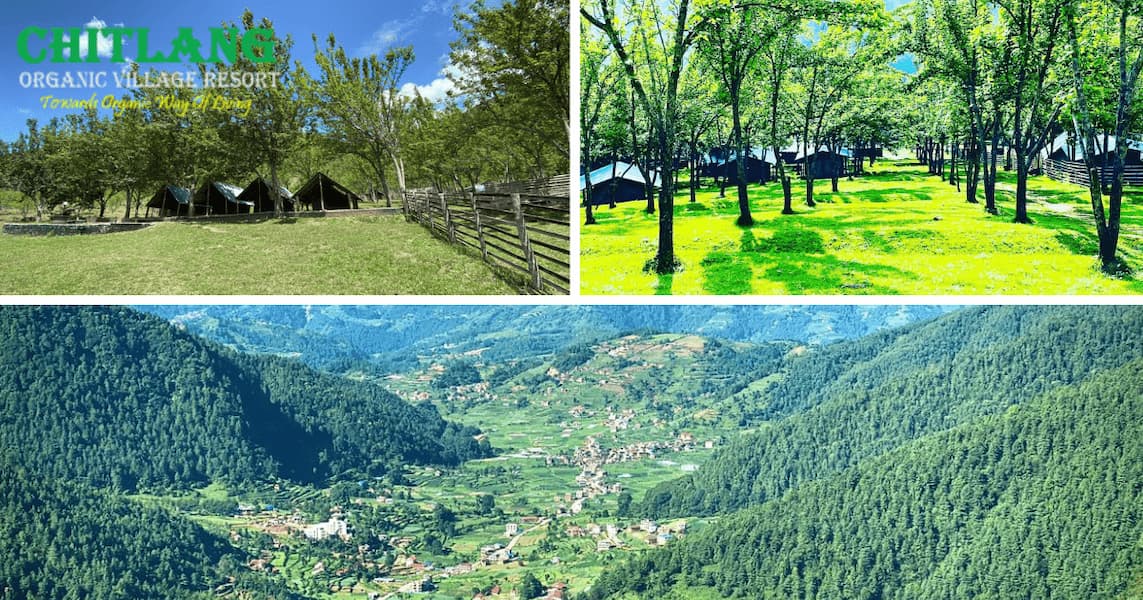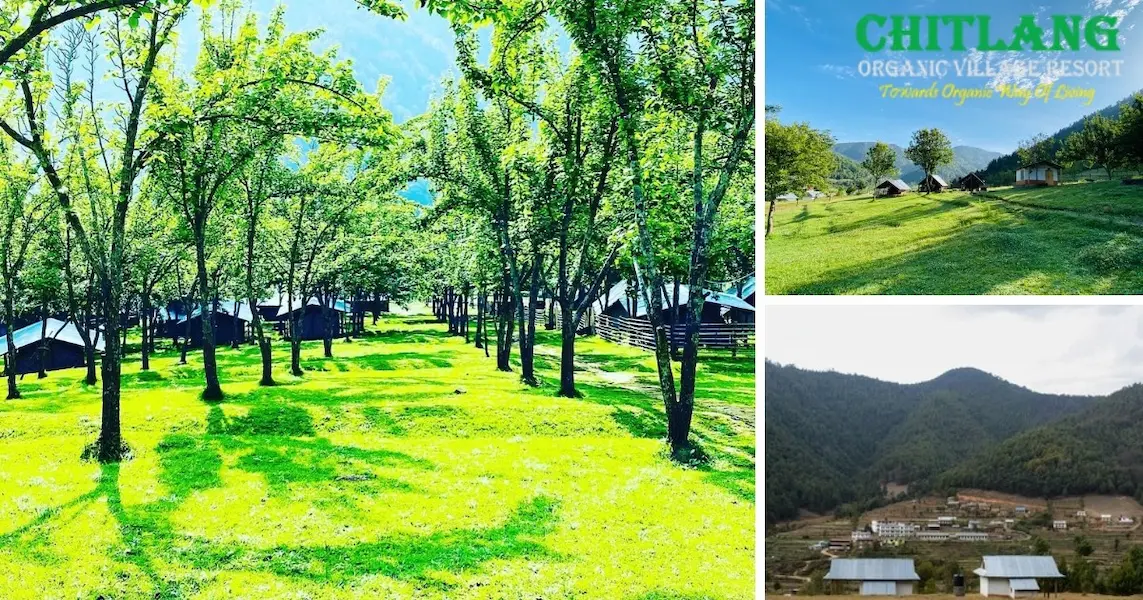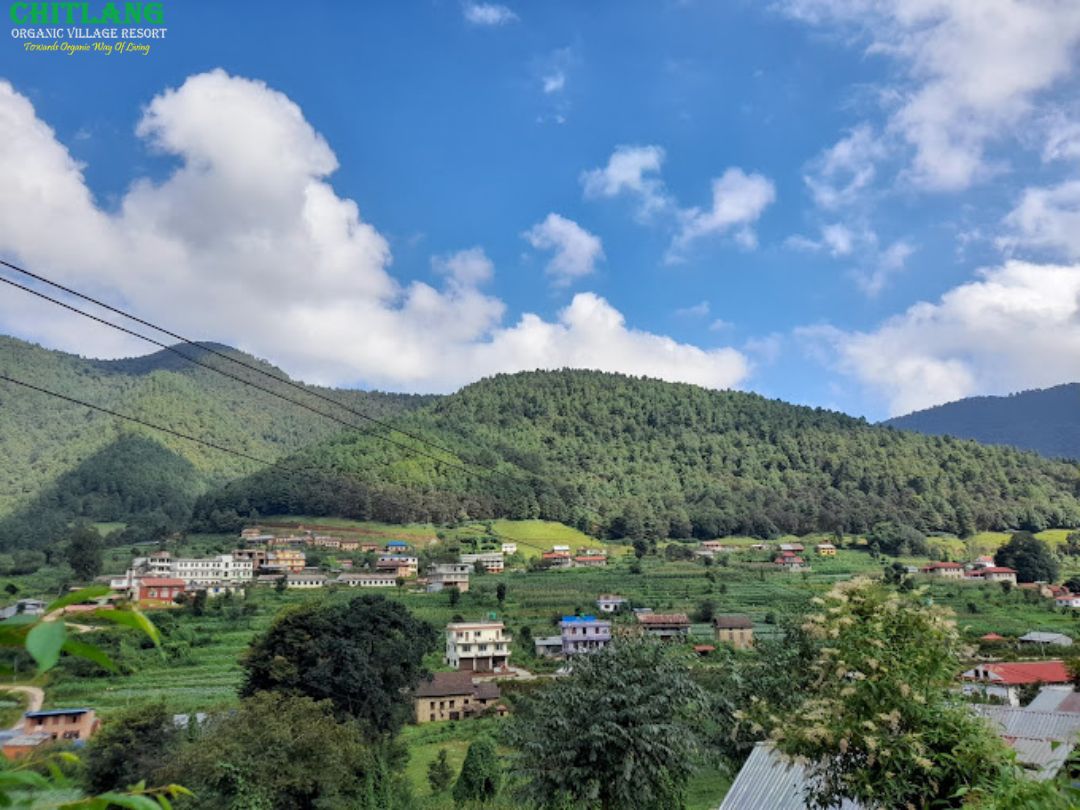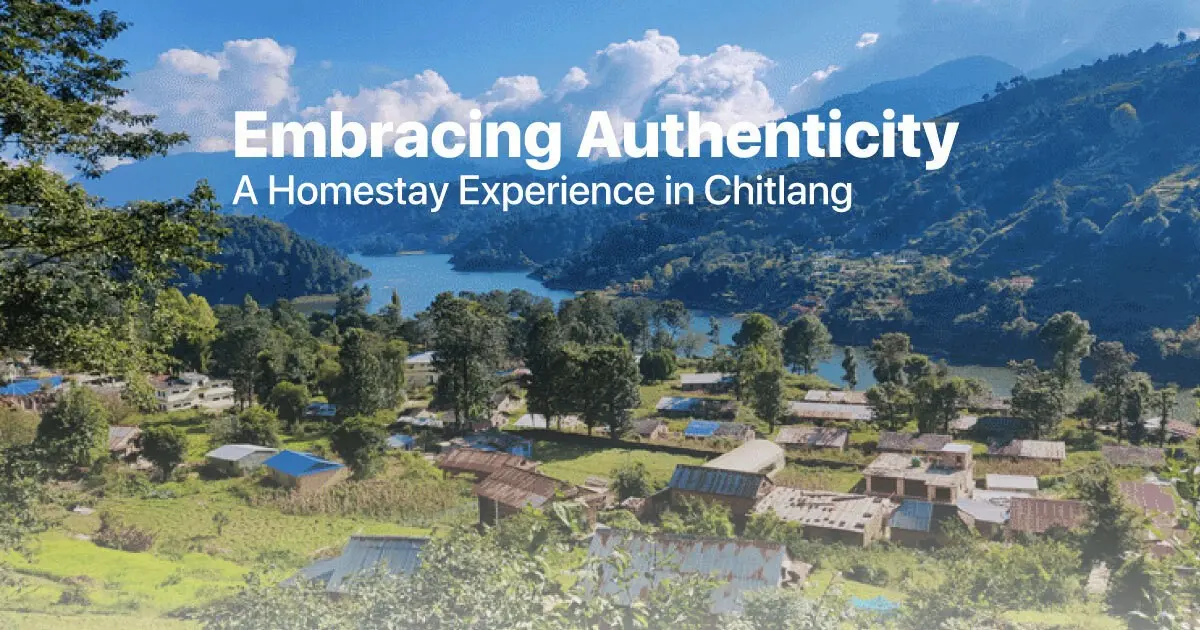
People come to Chitlang because of the quiet hills, fresh air, pear farms, which are popular all over Nepal, homemade goat cheese, or to relax from the city life of Kathmandu.
The place has been established as one of the most liked short break destinations in Nepal, bringing tourists in search of nature, culture, and some peace of mind. Nevertheless, while tourists can enjoy the walking tours in the village, almost no one wonders about the origin of the name “Chitlang“.
It is easy to imagine it having a single explanation. But Chitlang has never been so simple. You ask an elderly villager, your tour guide, or anyone from the village, and there is a fair chance that you will get three separate versions of the story.
What’s genuinely interesting is that even Chitlang’s own recorded history doesn’t fully agree with itself. Different sources tied to the village give different explanations, which shows its story was never limited to just one version.
Instead of making the history confusing, these competing accounts show how old, rich, and layered Chitlang really is.
A Village Far Older Than Its Name
Before getting into where the name came from, it helps to know how old Chitlang actually is. Historians believe the valley has been inhabited since at least 300 BC, making it one of Nepal’s oldest settlements.
The area is linked to the Gopal Dynasty, traditionally seen as Nepal’s earliest rulers, and nearby Lichchhavi-era stone inscriptions show the village stayed important centuries later too. When a place has existed for more than two thousand years, its identity naturally shifts over time.
Languages develop, communities arise, religions come into existence, and myths and legends become part of the history. That’s likely why Chitlang’s name has more than one explanation today. Its history is too long, and too layered, for a single story to survive unchanged.
Escape the city and enjoy peaceful village life at Chitlang Organic Village Resort. Reserve your stay now!
The Origin of the Name: Three Competing Stories
Rather than a single commonly accepted definition, there are multiple definitions of the term “Chitlang,” sustained through the power of tradition, historical record, and culture. None of these stories have ever been completely verified or disproved, and that is precisely why they all coexist.
A Name Rooted in Mind and Beauty
One of the most popular derivations is from the local history of Chitlang itself. As per this particular derivation, “Chitlang” is formed from two words in the Newari language, “Chit”, which stands for “mind”, and “Langka”, which refers to “beautiful land” or “garden”.
When joined, they make “Chitlang”, which stands for “a beautiful place for the mind.”
Even today, that meaning feels oddly fitting. Visitors often leave Chitlang talking about how calm it felt, the green hills, the traditional villages, the slower pace of everything. That quiet is a real break from city noise, so it’s easy to see why people connect the village with a peaceful state of mind.
Because this explanation comes from the village’s own historical records, a lot of people treat it as the natural starting point for the conversation.
A Name Carved in Stone
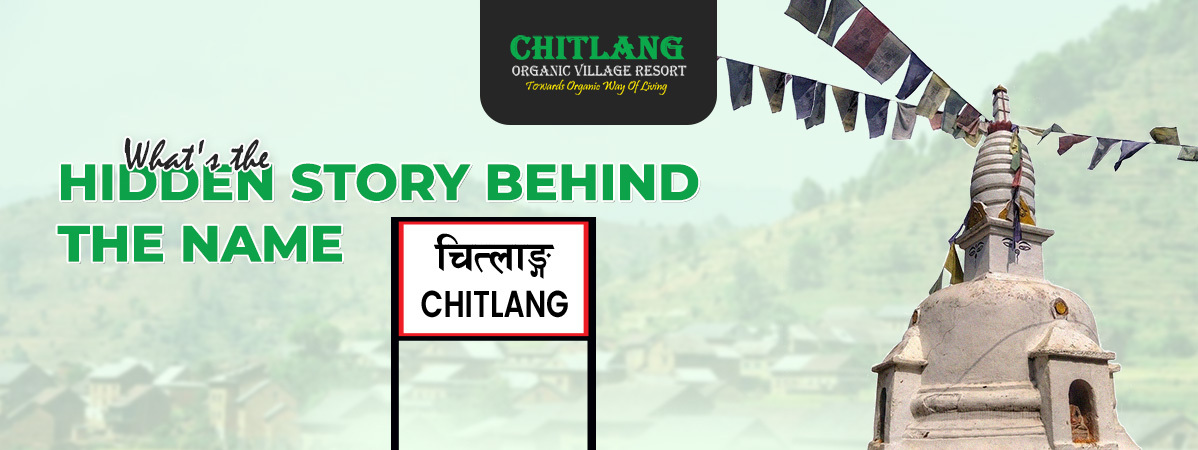
Another well-respected explanation ties the name to one of Chitlang’s oldest landmarks, the Ashoka Chaitya. This theory holds that “Chitlang” developed from the Newari words “Chaitya Lhown” or “Chaitya Lhon,” meaning “a chaitya made of stone.”
Over centuries, small shifts in pronunciation are believed to have slowly turned that phrase into the name the village carries now.
This version is closely tied to the actual Ashoka Chaitya itself, a Buddhist monument believed to date back to the 3rd century BC and one of the village’s most important historical sites. Many local guides and tour operators share this explanation, since it connects the name to something visitors can actually walk up and see.
What’s interesting is that this version shows up on the resort’s own Ashoka Chaitya history page. In contrast, a separate page on the same site tells an entirely different “mind and beauty” story. Even the written record kept by the village itself has room for more than one tradition.
An Even Older Name Beneath Both
Some historical accounts push the story back even further. According to these records, the village may once have been called Ek Chakri Nagar or Chitrapur before later becoming Chaityalon, a name that’s been read as “the path of the monument.”
If that’s accurate, Chitlang’s current name could be the result of several changes stacked on top of each other, not one clean transformation.
Old towns have gone through this same type of process. In the formation of different kingdoms, trading routes, religious movements, and other new towns emerging, the names changed with them. This theory does not disprove the previous theories, but only builds upon them.
It proves that the name of the town has changed many times over the centuries past, with each town leaving its mark.
The History Behind the Name: A Village Shaped by Many Hands
The conflicting histories of the origin of Chitlang become clear when we consider who is responsible for developing Chitlang over time. A single community or generation didn’t form the village. Many different rulers, civilizations, and cultures contributed to it.
They each have influenced the meaning of the name without anyone realizing it. The history of the village didn’t form because of one narrative but many operated simultaneously.
A Gift to the Shepherds
Alongside the written history, Chitlang also holds onto stories passed down by word of mouth. One of the best-known folk accounts says the village was gifted to a group of shepherds by a king.
Some versions name the ruler as King Amshuverma; others mention a king who rewarded shepherds by letting them settle in the valley. Historians can’t fully confirm every detail, but the story still holds a real place in Chitlang’s local identity.
Whether it happened exactly this way or not almost misses the point. The tale shows how oral tradition tends to work. In villages across Nepal, stories about how a settlement began often end up tangled with the meaning of its name.
As those stories pass from person to person over hundreds of years, small details shift, and different versions end up living side by side. Chitlang is a good example of how history and folklore have a habit of blending together.
A Crossroads of Communities
The geography in which Chitlang is situated also played a major role in all this. The village lay on a long-standing route connecting Kathmandu with the southern parts of Nepal and India, making it a frequent place of visit by business people, tourists, and pilgrims.
Due to constant visits by people from other regions, Chitlang soon became inhabited by various communities of people, such as the Newar, Tamang, and Bahun.
Over the centuries, the village also lived through different ruling periods, including the Lichchhavi, Malla, and later the Rana era. Temples went up, monuments were kept standing, traditional architecture took shape, and local customs kept evolving.
With that many cultures leaving a mark, it makes sense that no single explanation for the name has ever fully pushed the others out. Every community left behind a piece of the story, which is exactly the layered history visitors still see today.
Why the Story Refuses to Settle
For some people, having several explanations for one name might feel like a problem waiting to be solved. In reality, it’s one of Chitlang’s real strengths. Ancient places rarely come with perfectly complete records, especially ones that have existed for over two thousand years.
Languages evolve, records are lost, traditions are passed on verbally, and every succeeding generation adds its own interpretation to old tales. Instead of trying to uncover one definitive explanation, it is much more fruitful to consider what these multiple interpretations have come to mean.
Multiple interpretations of the origins of the name Chitlang tell the story of numerous people, cultures, and eras that influenced the formation of the village. This is not a lack of historical information, but rather an integral part of the historical reality of Chitlang.
What This Means for Anyone Visiting Today
Knowing the story behind Chitlang’s name changes how a lot of people experience the village. A walk through its narrow streets stops being just a walk through a peaceful place. It turns into something closer to a walk through centuries.
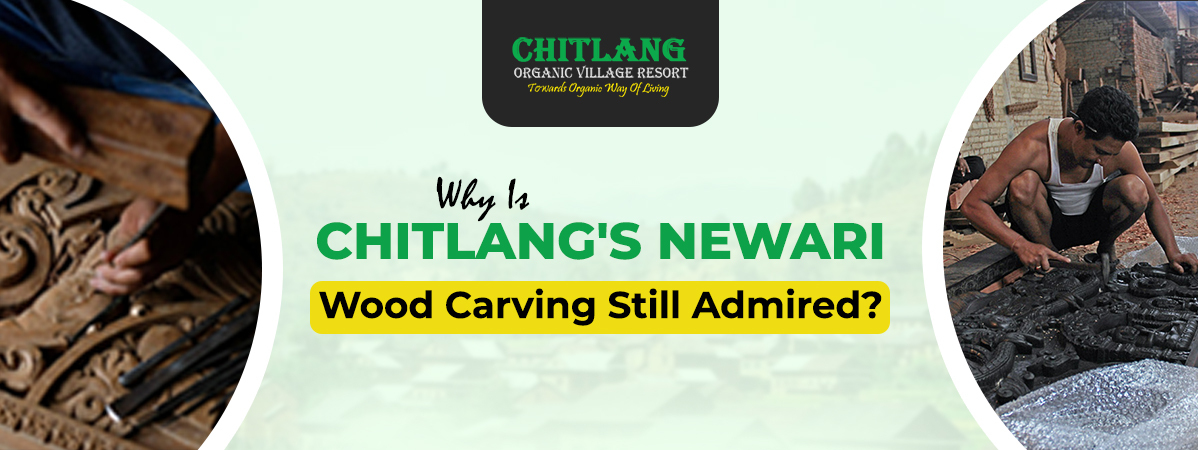
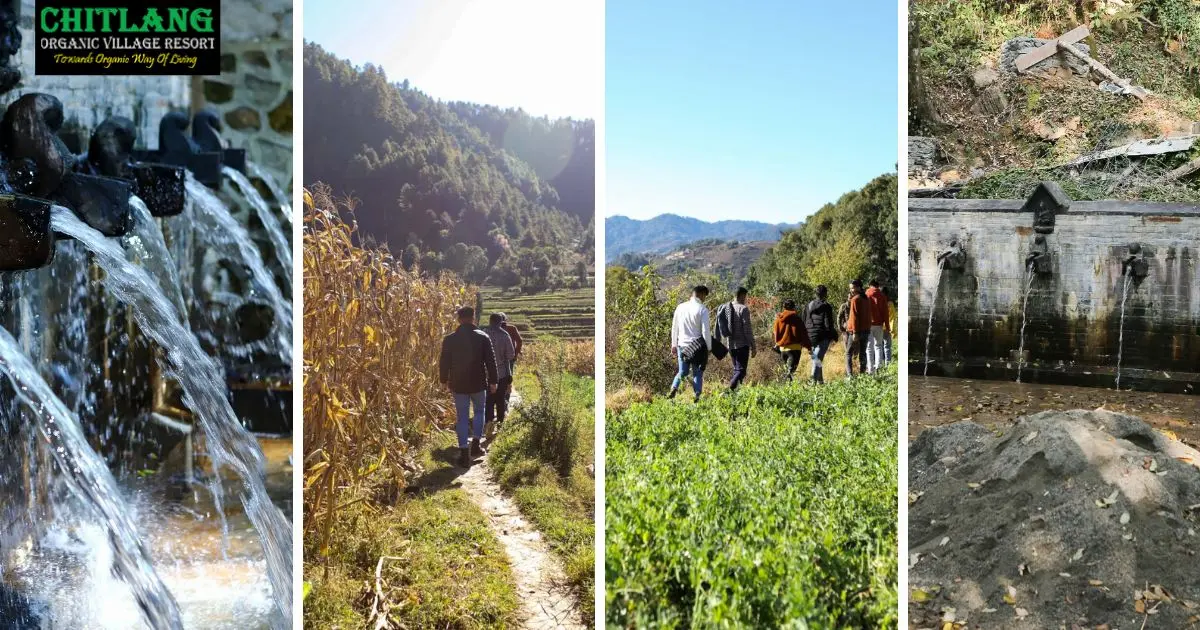
Standing next to the ancient Ashoka Chaitya, visiting the old stone water spouts at Satdhara, or looking closely at the carved wooden windows of a traditional Newari house, all of it hints at the stories behind the name.
Each landmark tells a unique story of a particular era in the rich history of Chitlang and allows visitors to better understand the development of this village through time.
Visitors to Chitlang Organic Village Resort will get a firsthand experience of those stories, told to them by guides and hosts who have grown up hearing them. They do not stick to one tradition only but rather tell all traditions that are still being actively kept in Chitlang.
Relax, reconnect, and enjoy village life at Chitlang Village Resort. Book your Stay.
Conclusion
Whether Chitlang’s name comes from a beautiful place for the mind, a stone chaitya, or an old story about a king’s gift to shepherds, every explanation points to the same thing.
The history of this place stretches back more than two millennia, created through various kingdoms, traders, communities, religion, and storytelling from generation after generation.
Contrary to what people think, the stories that have been generated from all these factors complement each other to reveal how diverse its history is.
When visiting Chitlang next time, do not miss an opportunity to look beyond its serene landscapes and orchards, beyond its mountains. Walk through its old streets, visit its ancient monuments, and listen to the people who call this village home.
FAQs
Where does Chitlang lie?
Chitlang lies in the Makwanpur District of Bagmati Province, tucked between Kathmandu Valley and Hetauda in the Mahabharat hills.
How much does the journey take from Chitlang to Kathmandu?
It would take 2-3 hours to cover a distance of 27 kilometers on the journey from Chitlang to Kathmandu.
What are the top attractions that you must visit at Chitlang?
Some of the popular attractions to be visited in Chitlang are the Ashoka Chaitya temple, Satdhara water fountains, Newari house, pear orchards, and the regions of Markhu and Kulekhani.
Where can I stay in Chitlang?
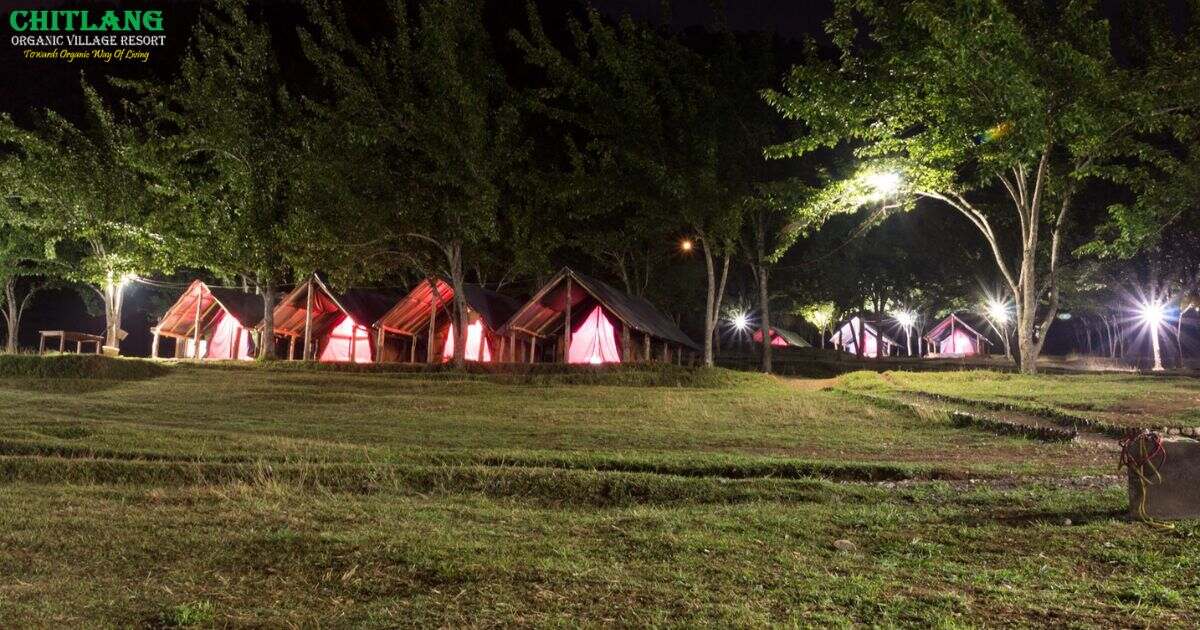
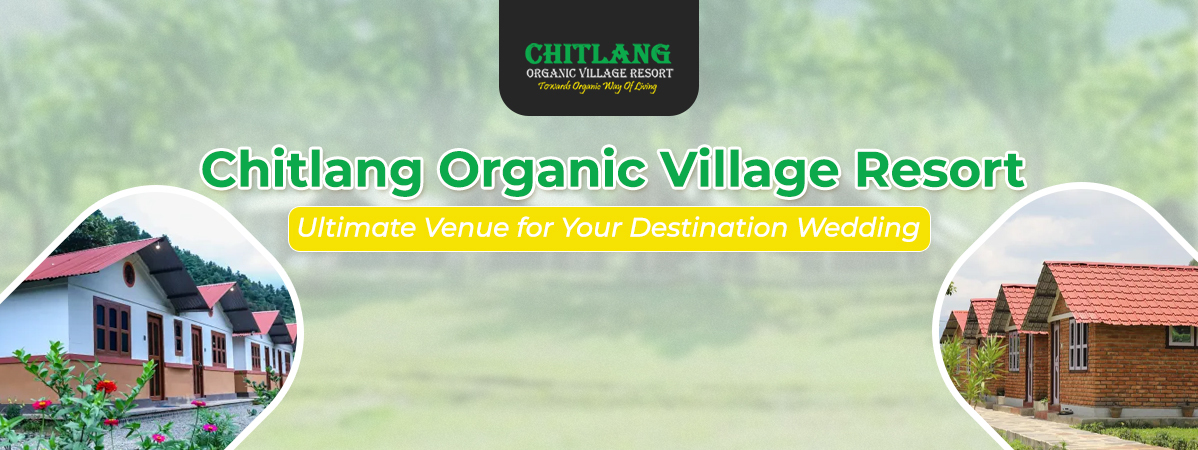
The popular place where you can spend your time in Chitlang is Chitlang Organic Village Resort, which offers an authentic and comfortable stay to its visitors.