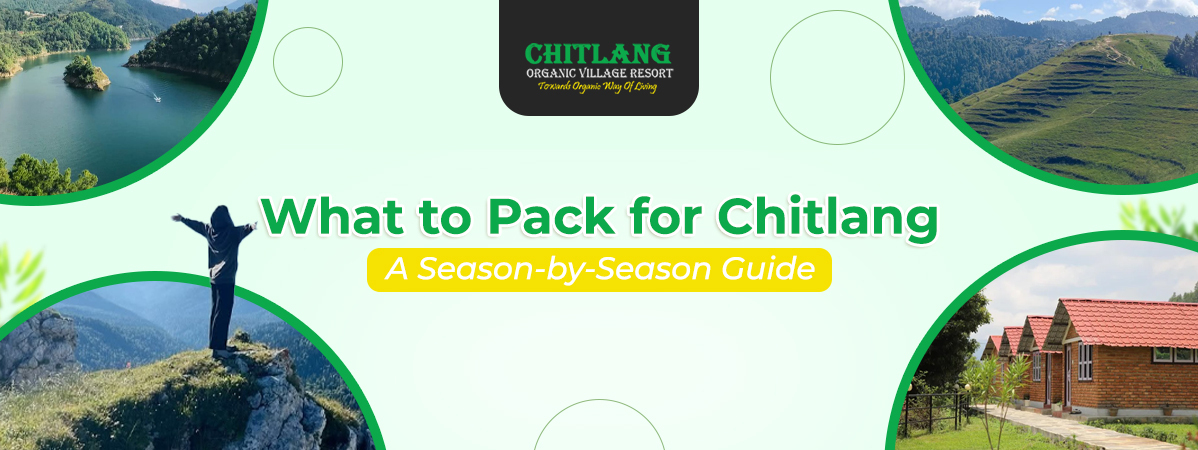
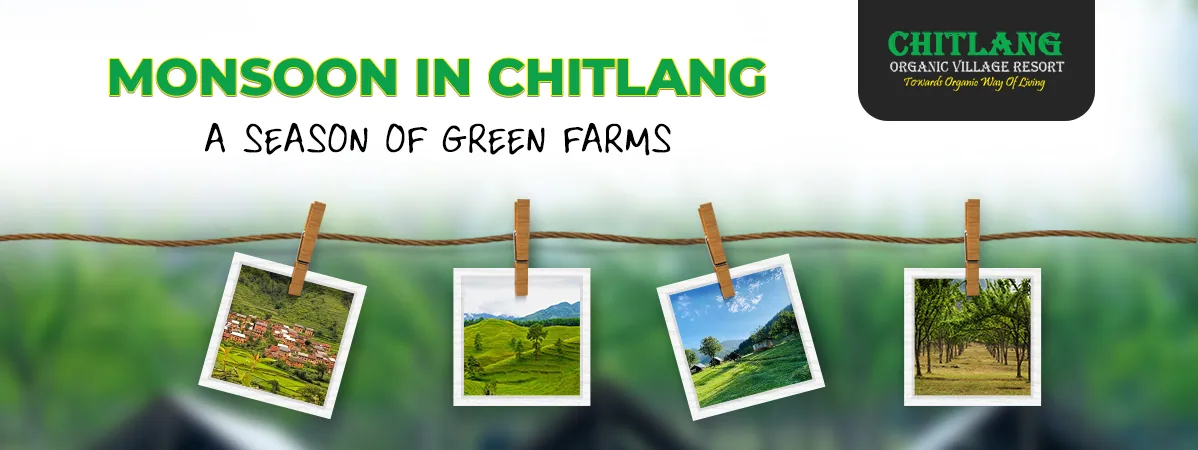
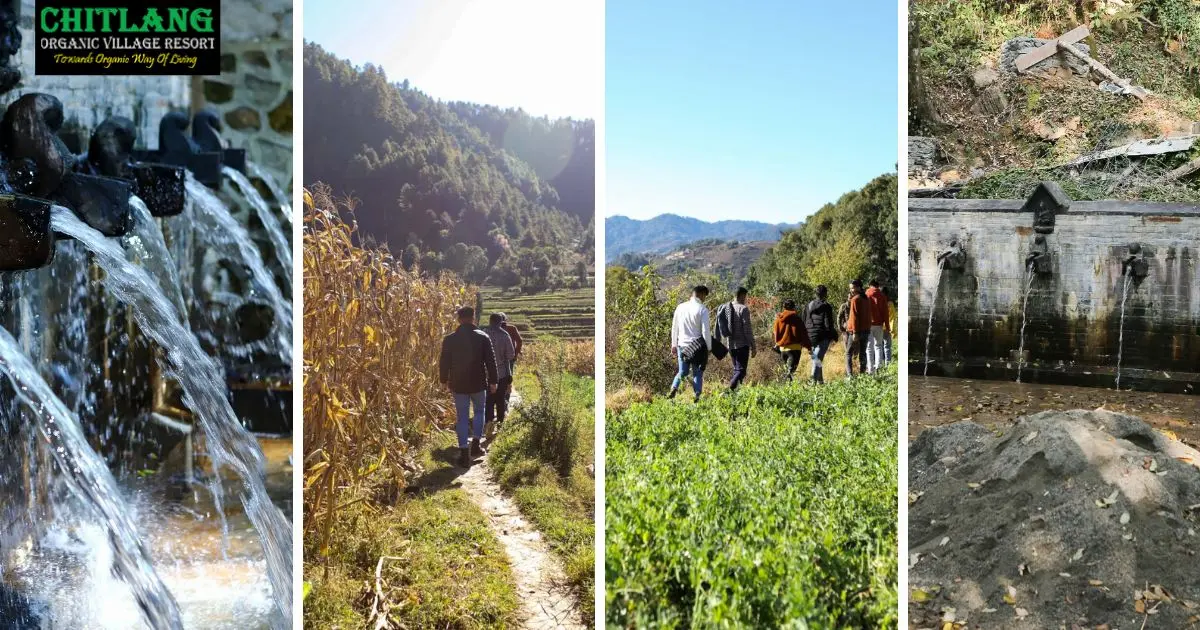
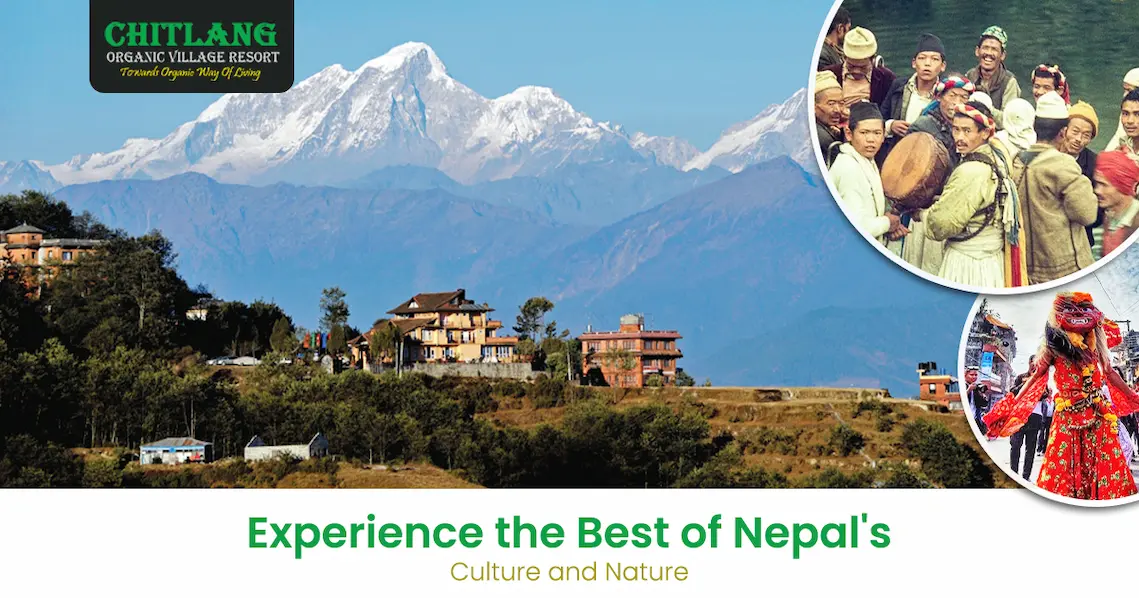
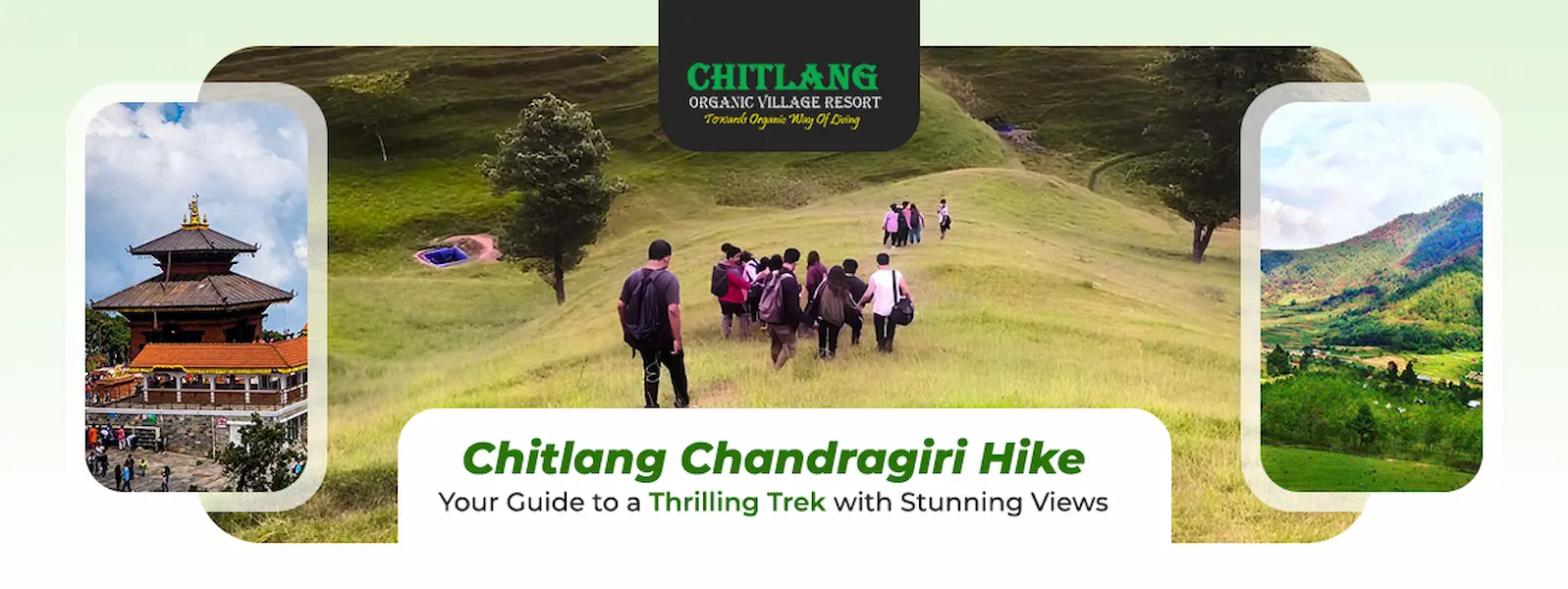
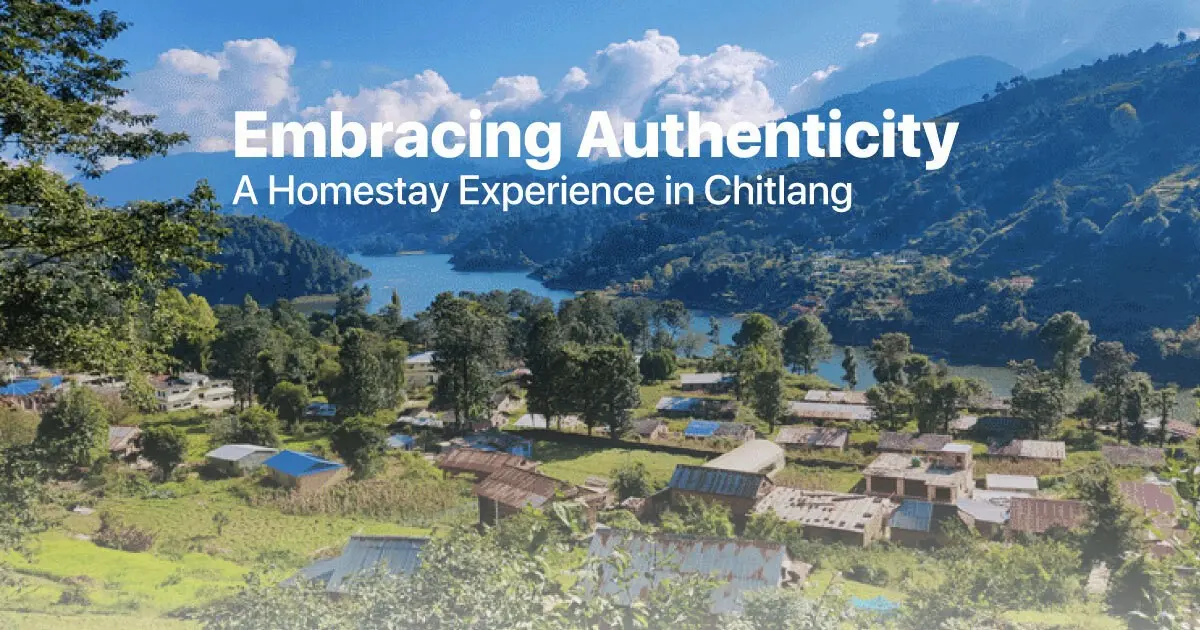
The journey from Chitlang to Bisinkhel through the lush green Mahabharat range just southwest of Kathmandu is one of the more tranquil and lesser-known trails near Kathmandu Valley, reminding us that Nepal’s enchantment is not restricted to the high Himalayas.
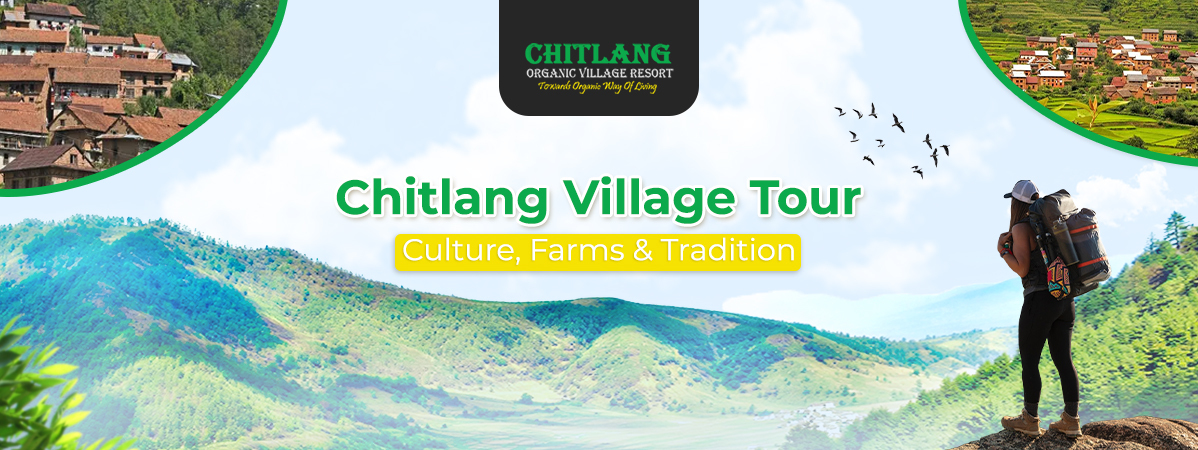
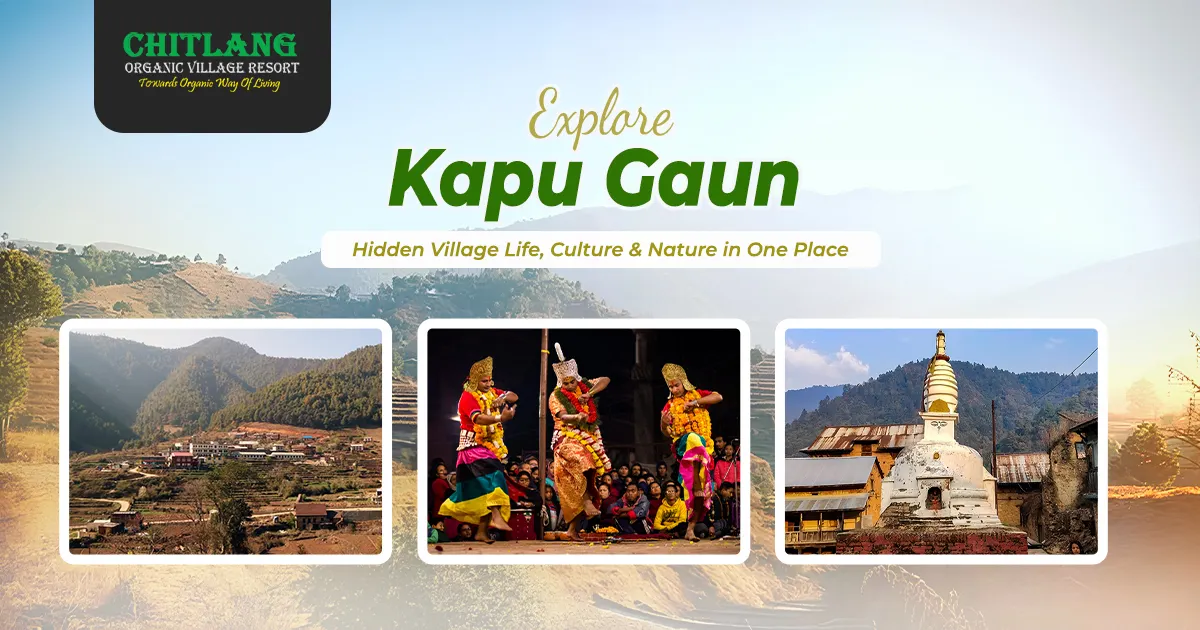
Chitlang to Bishikhel is not just about pretty views. You will get to see the real culture as you walk by old Newar temples, colourful Tamang towns, and the Great Krishna Mandir on the hill at Bisinkhel. You walk right into tradition and nature, getting a feel for rural Nepal.
This hidden gem offers a perfect mix of natural beauty, cultural heritage, and peaceful solitude to the unique adventurer, which is fast becoming a rarity in today’s digitally connected world.
The Gateway to Nepal’s Organic Village
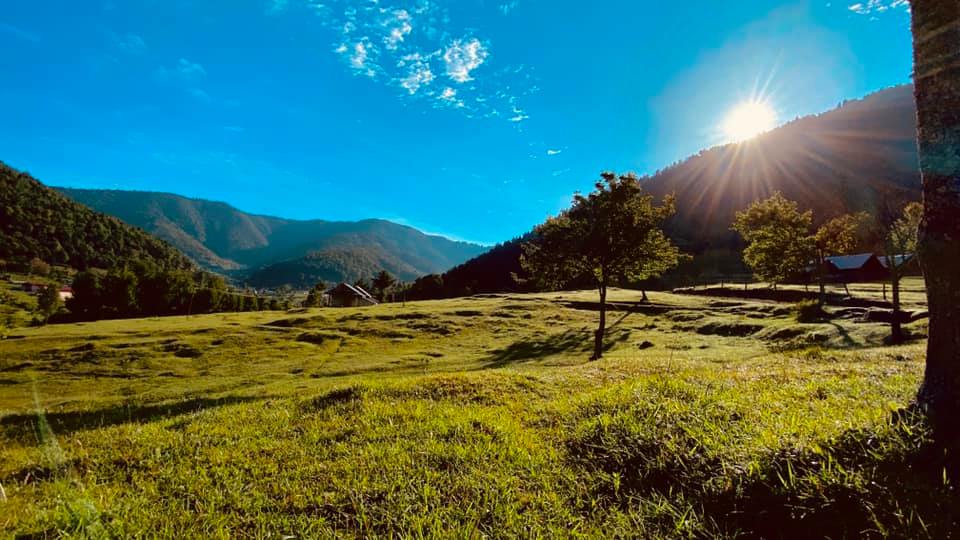
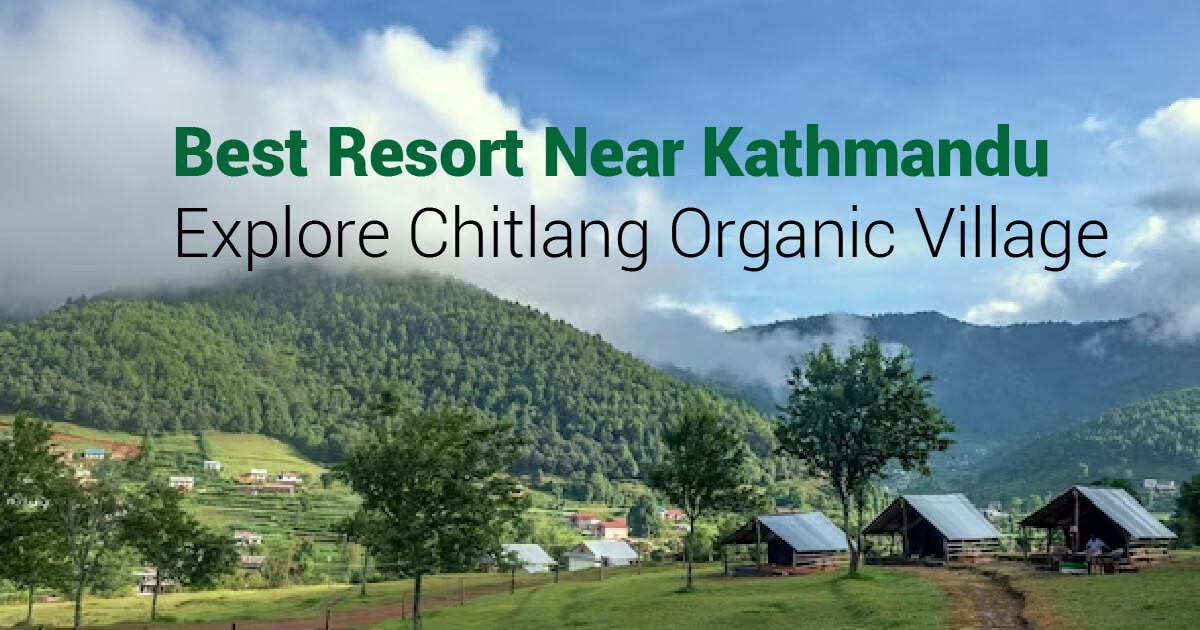
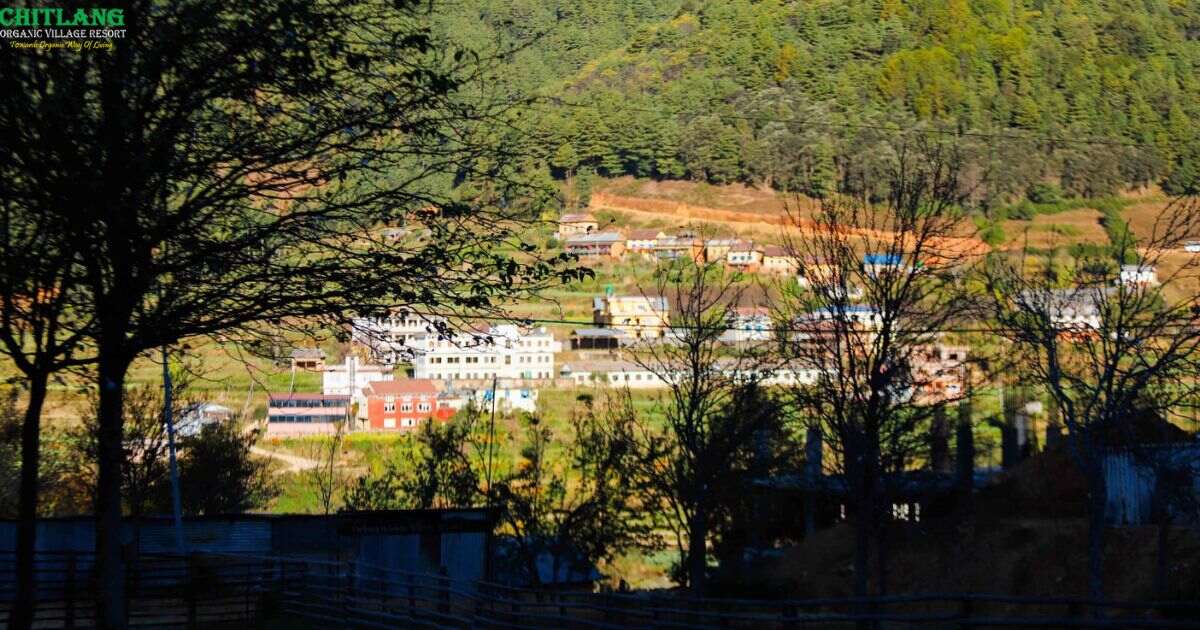
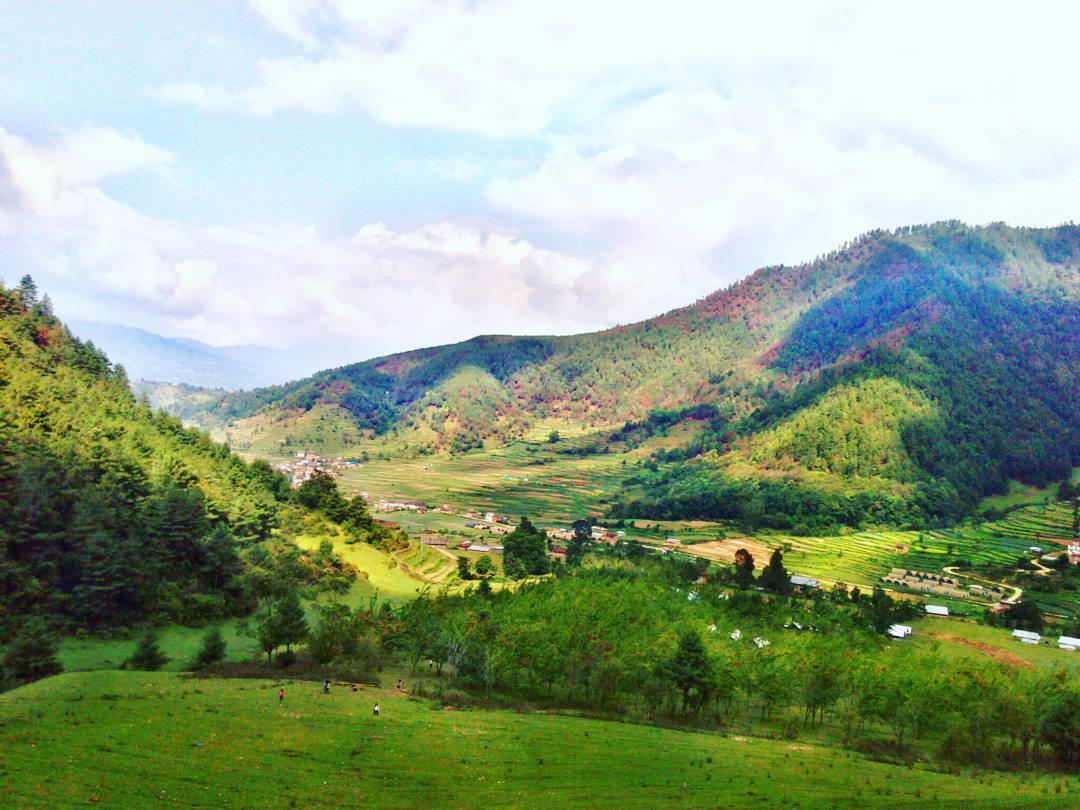
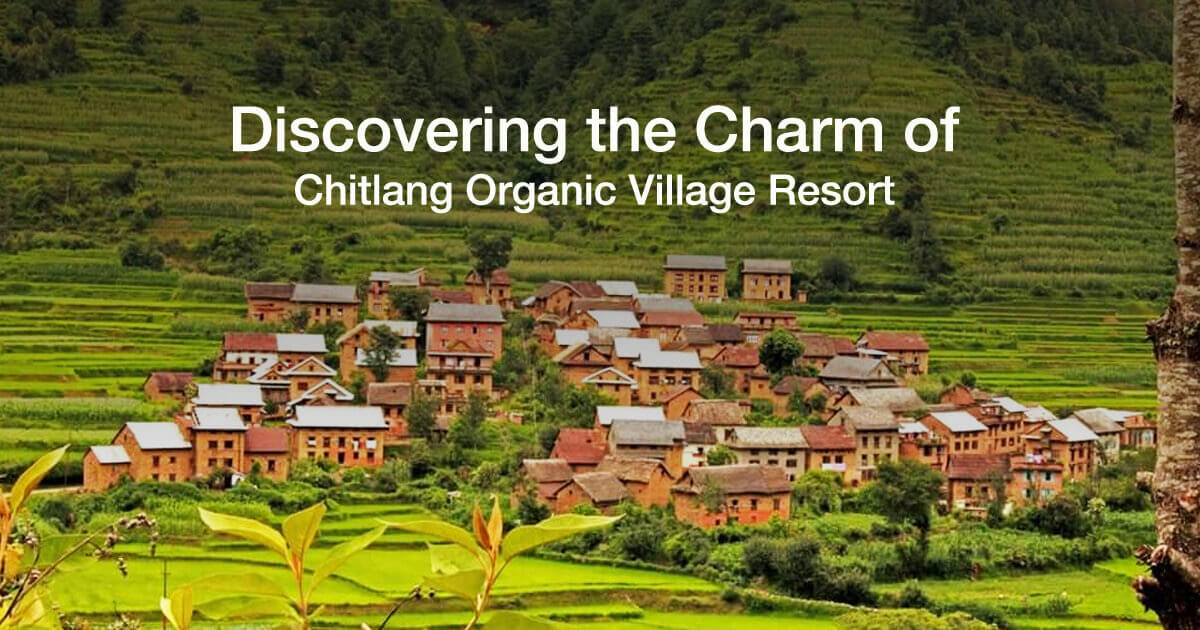
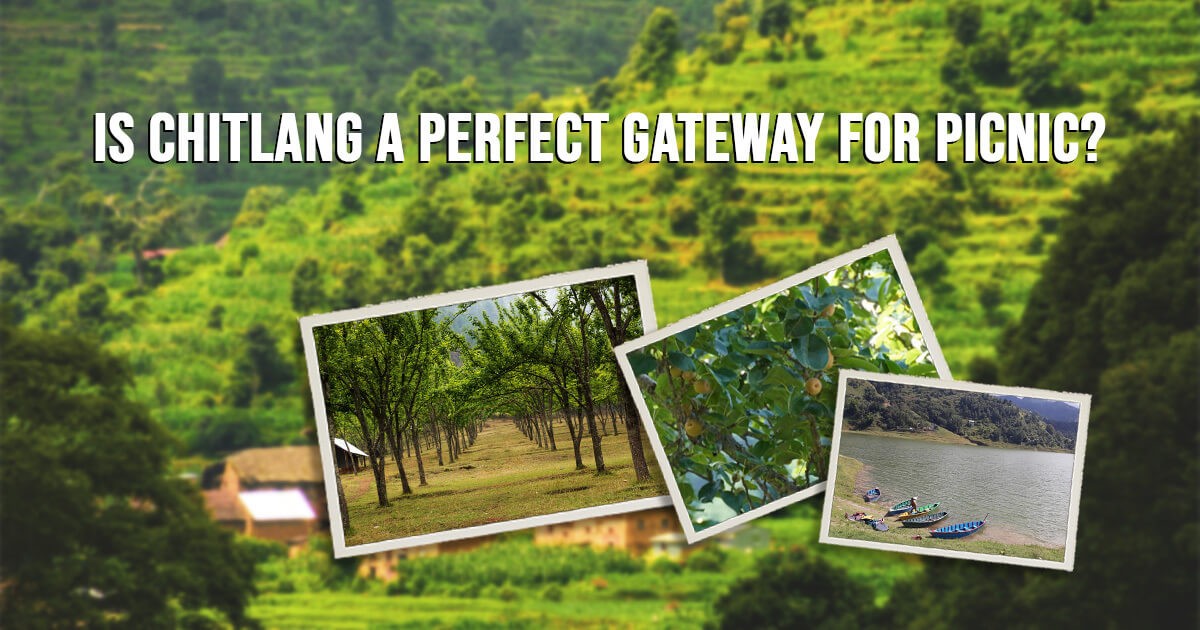
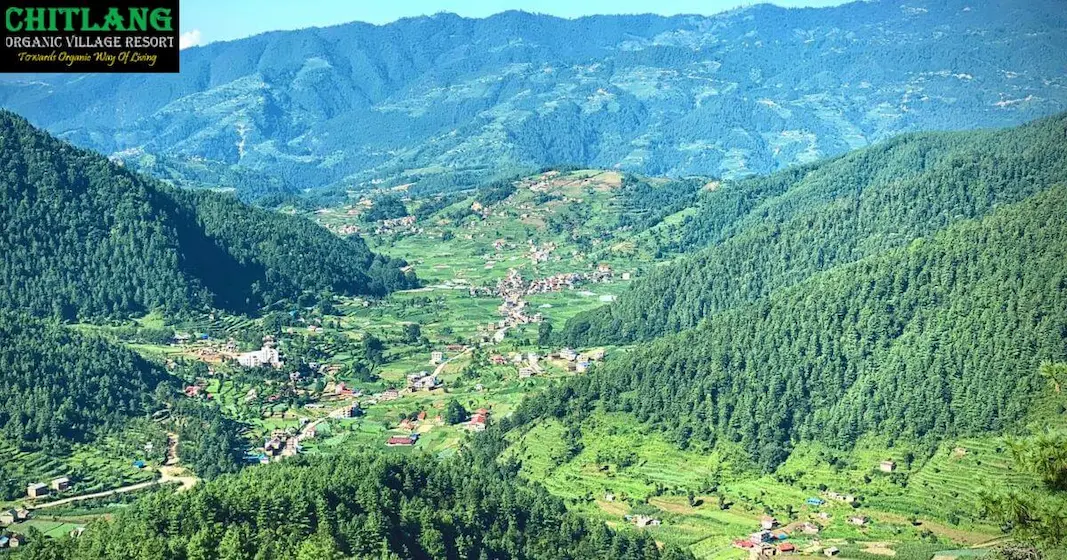
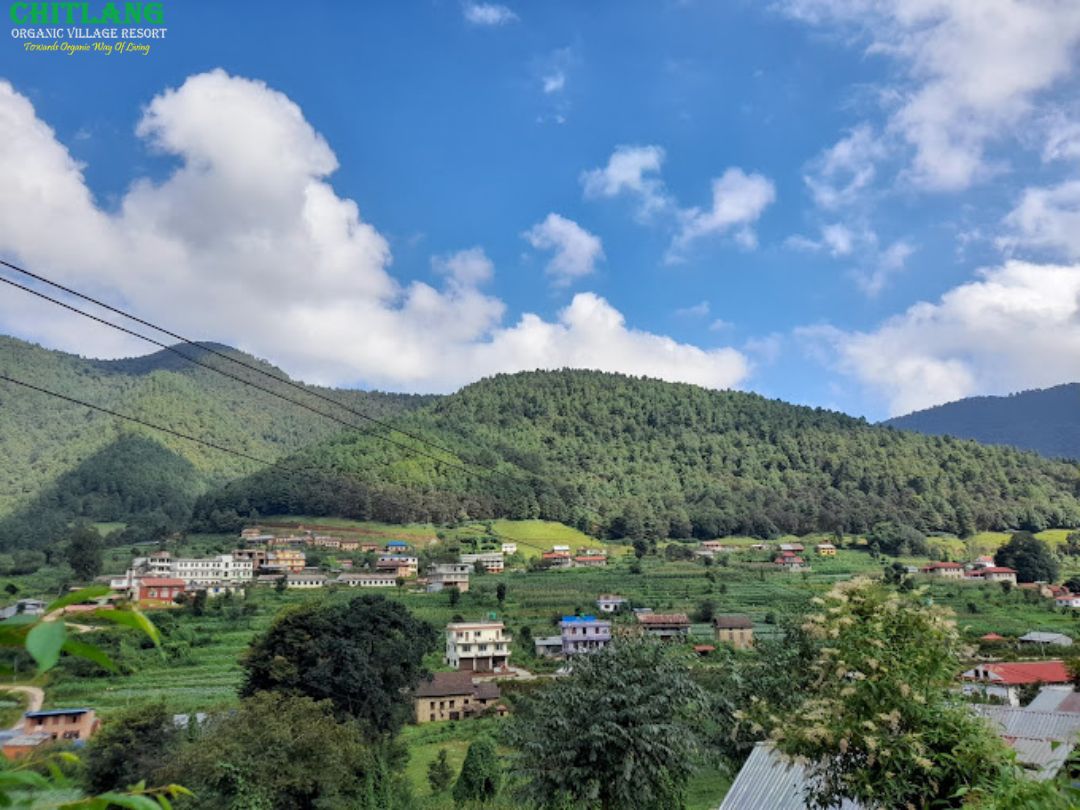
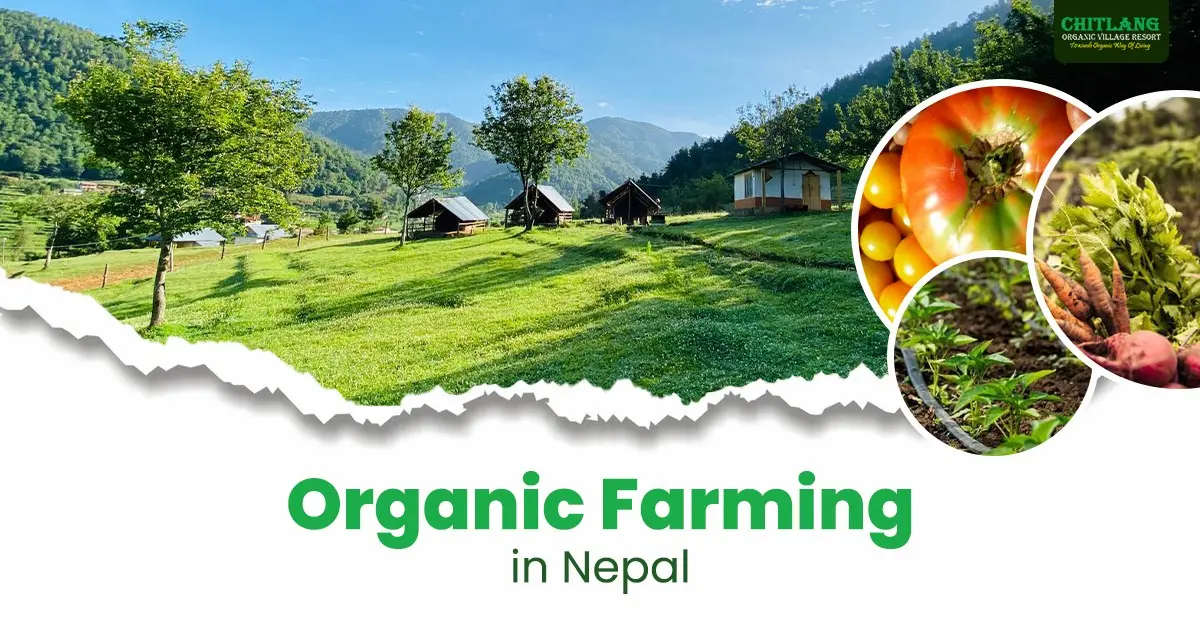
Chitlang, which is popularly known as Nepal’s “organic village,” is situated at an altitude of 2,280 metres above sea level and lies about 27 kilometres from Kathmandu. This ancient Newari settlement, with inscriptions dating back to the Lichchavi period, should be your logical choice for the less-explored trails running through the Makwanpur hills. The village is a good example of sustainable living, where farming is carried out with traditional methods that have been in use for several generations, thus making it perfect for anyone seeking to enjoy genuine rural experiences.
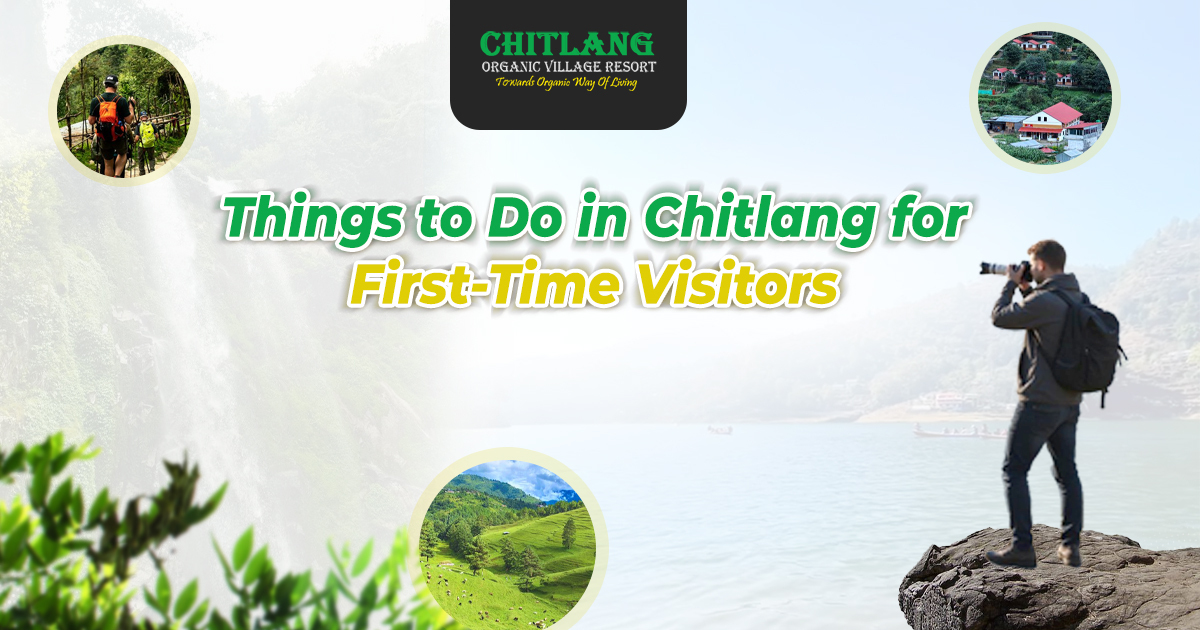
The journey to Bisinkhel, a place in Thaha Municipality, takes hikers through flawless landscapes that showcase Nepal’s amazing biodiversity. The path passes through traditional villages where time seems stood still and gives a glimpse into the lifestyles of local communities who have inhabited these hills for centuries.
Why this route feel special?
- Solitude:- If you’re looking to get away from the crowds on the usual Nepal treks, the Chitlang-Bisinkhel trek is super quiet. On weekdays, you might not see anyone else on the trail. It’s a cool chance to hang out with nature and chill out without all the noise.
- Biodiversity:- Chitlang is a sanctuary for nature lovers, home to more than 160 species of birds, ranging from the brilliant and shy warblers to more rare, elusive woodpeckers. The trail passes through varying ecosystems, including rhododendron forests and terraced fields carpeted with diverse flora and fauna, thus acting as a living laboratory for birdwatchers and botanists attracted to the rich and dynamic wildlife.
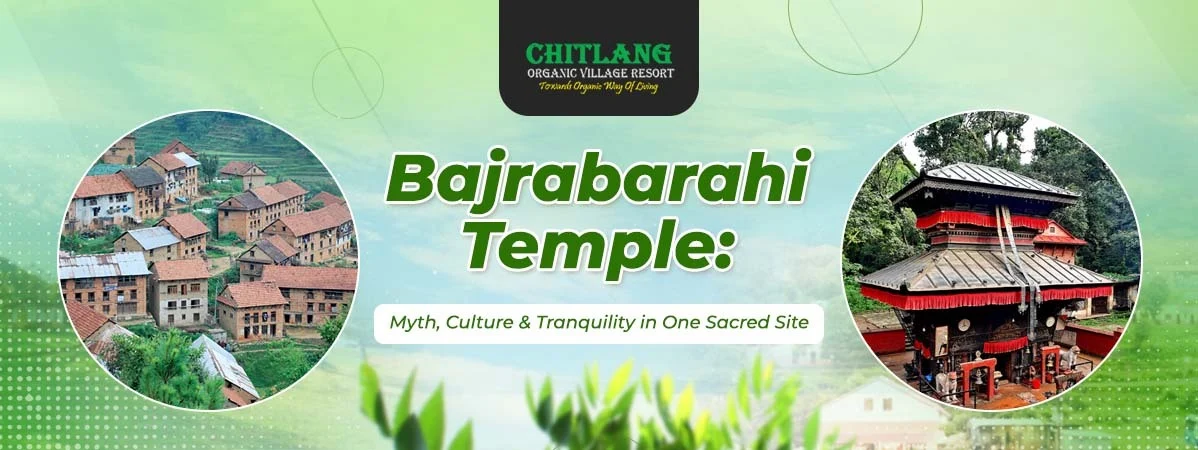
- Living culture:- The trail passes through an authentic mix of cultures, with Newar shrines, old Tamang villages, and the peaceful Bisinkhel Great Krishna Mandir on the hilltop. This simple stone temple is a spiritual reminder of the famous 17th-century Krishna Mandir of Patan, built by King Siddhi Narsingh Malla, whose dream-inspired concept became a hallmark of Nepalese devotion and architecture. The Bisinkhel temple has big Janmashtami parties, and the hill communities keep the culture alive.
Alpaca Farming at Bisinkhel
On the way from Chitlang to Bisinkhel, there’s a surprise that awaits: Nepal’s first and only alpaca farm, located near Bisinkhel village by Om Adhyay Retreat. Being native to the Andes of South America, alpacas here truly were indeed a rarity. This pioneering endeavour cast its charm upon the landscape and marked a progressive step towards sustainable high-altitude farming and innovations in the rural economy in Nepal.
Why Alpacas in Bisinkhel?
| Feature | Alpacas in Bisinkhel |
|---|---|
| Uniqueness | The sole alpaca farm in the country, making it a rare treat for animal lovers |
| Agro‑Tourism Boost | Visitors, school kids, and college students flock here for experiential learning |
| Complementary Farming | Fuses alpaca, olive cultivation, and homestay experiences—offering diverse livelihoods |
| Educational Value | Inspires interest in non-traditional livestock and sustainable agriculture |
The Story Behind the Farm
Bisinkhel alpaca farm started because some Nepali-German entrepreneurs saw that the first alpaca farm near Kathmandu (in Makwanpur) was doing great. They wanted to bring these easy-to-care-for animals to Nepal for their wool. With good breeding and care, Bisinkhel Farm became a big deal for alpaca wool and tourists checking out farms. The alpacas ate local grass and hay, so they didn’t need much extra food. Farmers liked that they were tough and lived a fairly long time, about 20 years.
However, by 2025, the Bisinkhel alpaca farm closed down and stopped accepting visitors. Even though people were excited about alpaca farming as a cool way to do highland agriculture, it ran into problems with the community’s changing focus. Still, the farm’s story is cool—it shows Nepal was ready to try new ideas that were good for the environment and helped the rural economy.
A Trail Less Travelled
In contrast to the highly commercialized Everest Base Camp or the Annapurna Circuit, this route from Chitlang to Bisinkhel is still relatively off the beaten track for international trekkers. This little-known path provides perhaps the most valuable commodity in our present-day world: solitude, a genuine connection with nature. With a path passing amidst cool, green forests of rhododendron, across canopied terraces of farmland and by heritage-rich villages with the most intense romantic histories that could hardly be matched by other destinations.
For today’s adventurers who might want to record their journey, it’s essential to have the right gear. It’s an art to choose the right gadgets, but it’s also like choosing the right trail that works best for one – it takes a lot of thought process in terms of what one may need.
Scenic Secrets and Stops Along the Journey
| Feature | Alpacas in Bisinkhel |
|---|---|
| Uniqueness | The sole alpaca farm in the country, making it a rare treat for animal lovers |
| Agro‑Tourism Boost | Visitors, school kids, and college students flock here for experiential learning |
| Complementary Farming | Fuses alpaca, olive cultivation, and homestay experiences—offering diverse livelihoods |
| Educational Value | Inspires interest in non-traditional livestock and sustainable agriculture |
Each site adds a stroke to the canvas: typical ancient trade, agritourism sustainability and living Hindu-Buddhist ritual.
Planning Your Adventure
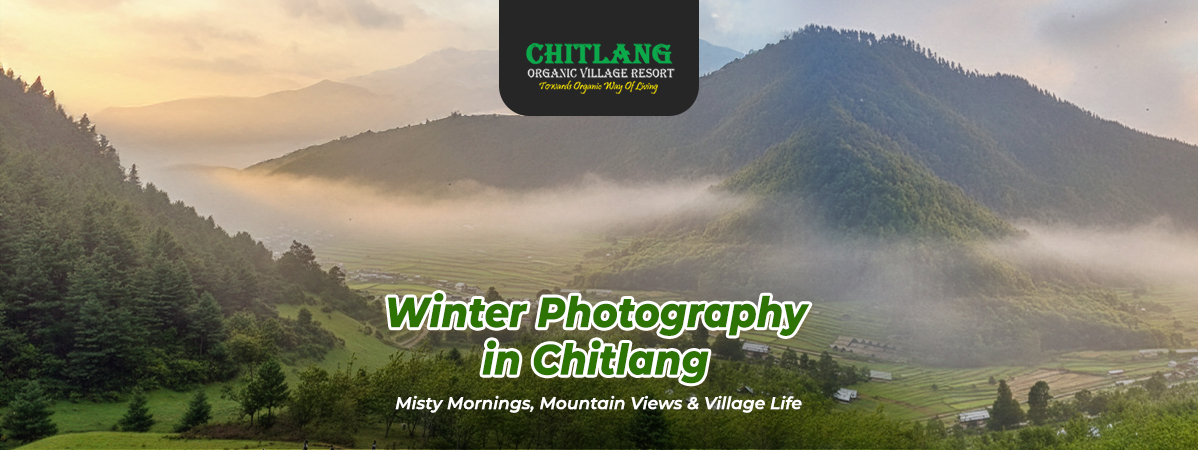
The best time to explore the Chitlang to Bisinkhel trail is during the spring months of April and May, or the autumn period from September to October. These seasons offer the most favorable weather conditions, with clear skies and moderate temperatures that make hiking comfortable and provide excellent visibility for photography.
Trekking Tips From Locals
- Physical fitness: Basic fitness is recommended as the trail is considered easy to moderate
- Best season: April–May during rhododendron bloom or September–October for crystal skies.
- Navigation: Download offline maps before leaving Chandragiri or Thankot.
- Permits: None required; however, carrying a copy of your passport is wise.
- Water: Fill up at Satdhara; treat with a filter bottle to stay plastic-free.
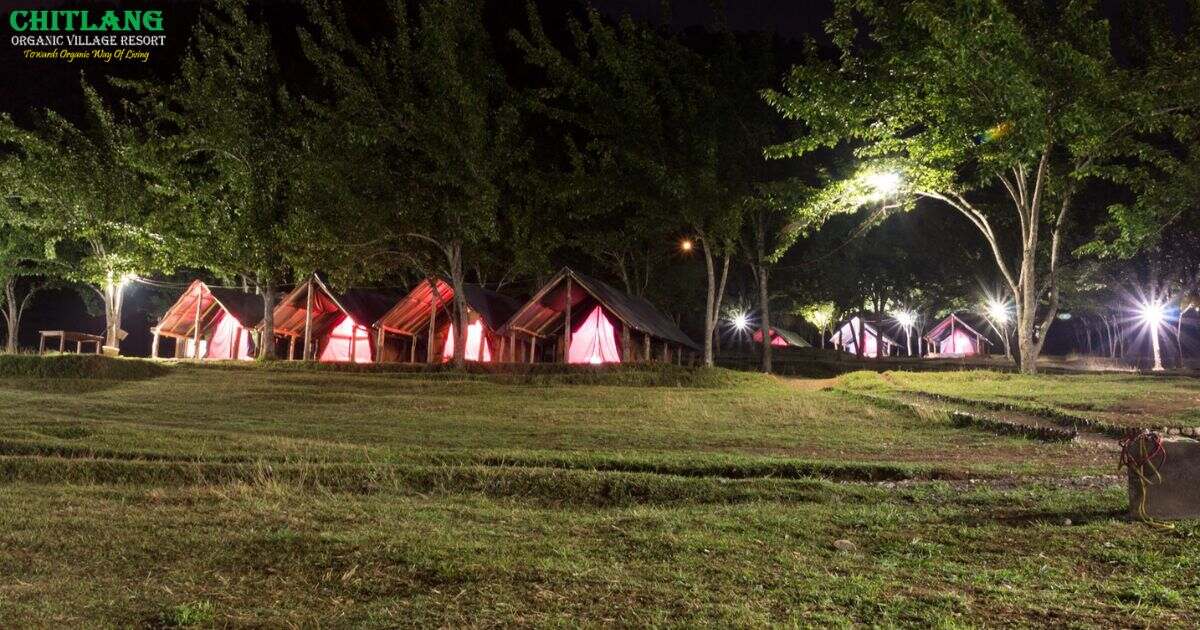
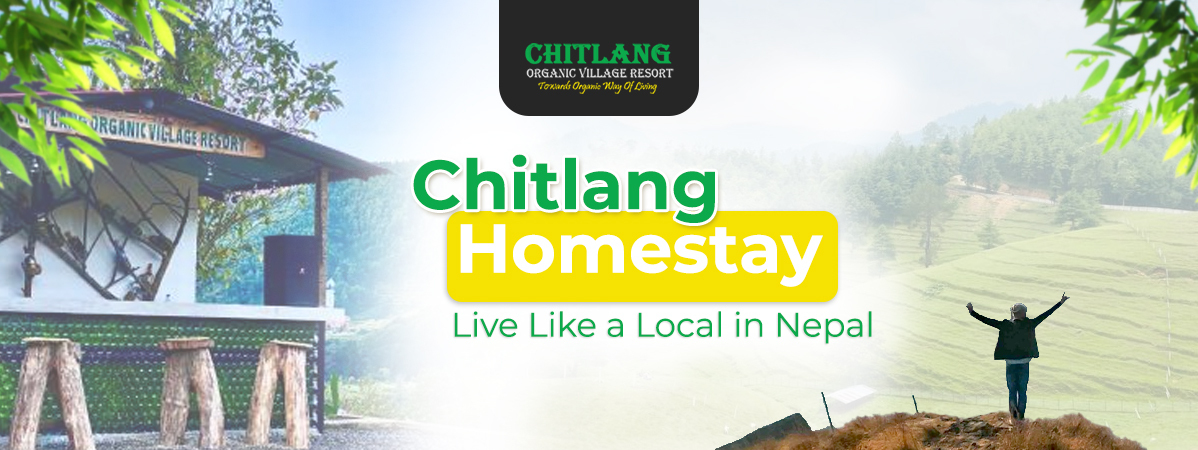
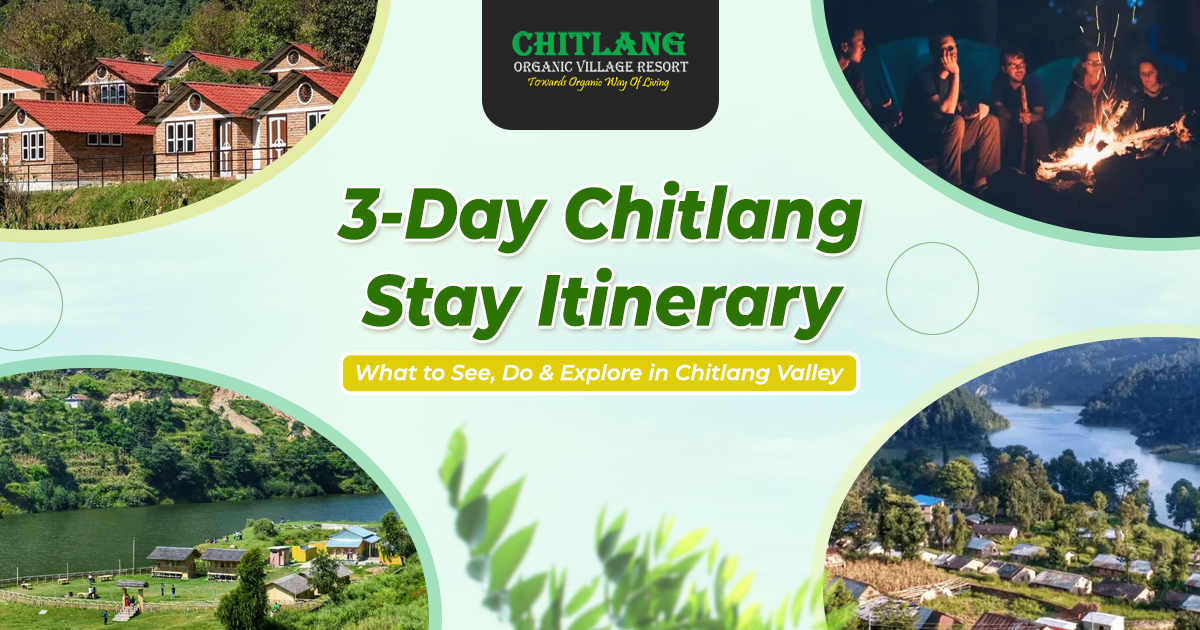
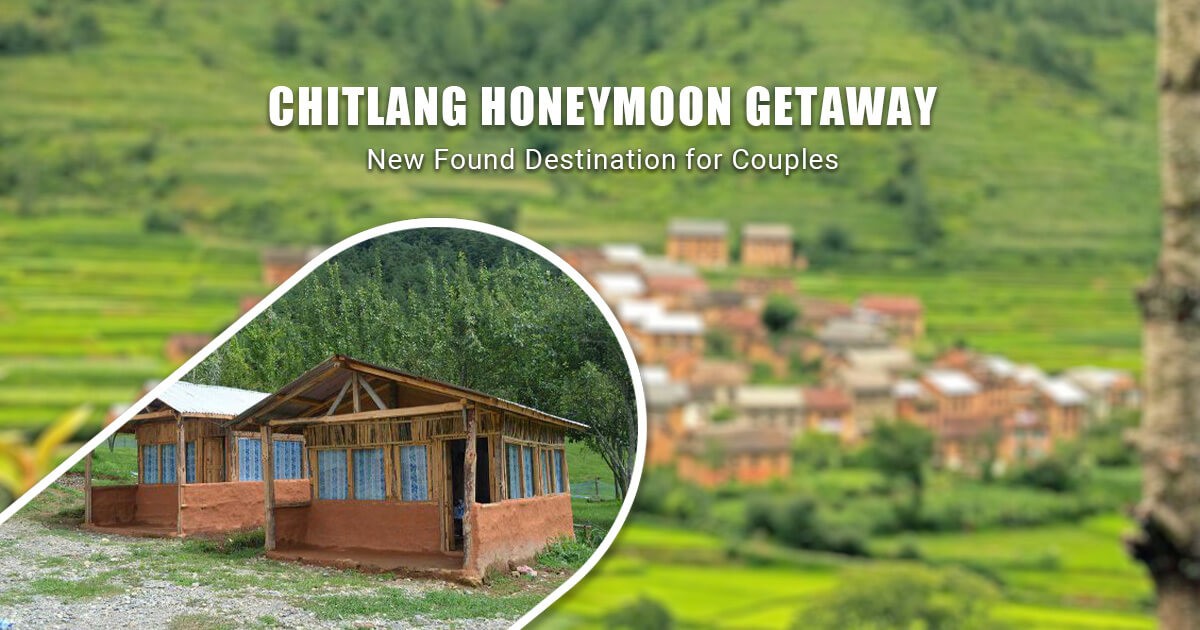
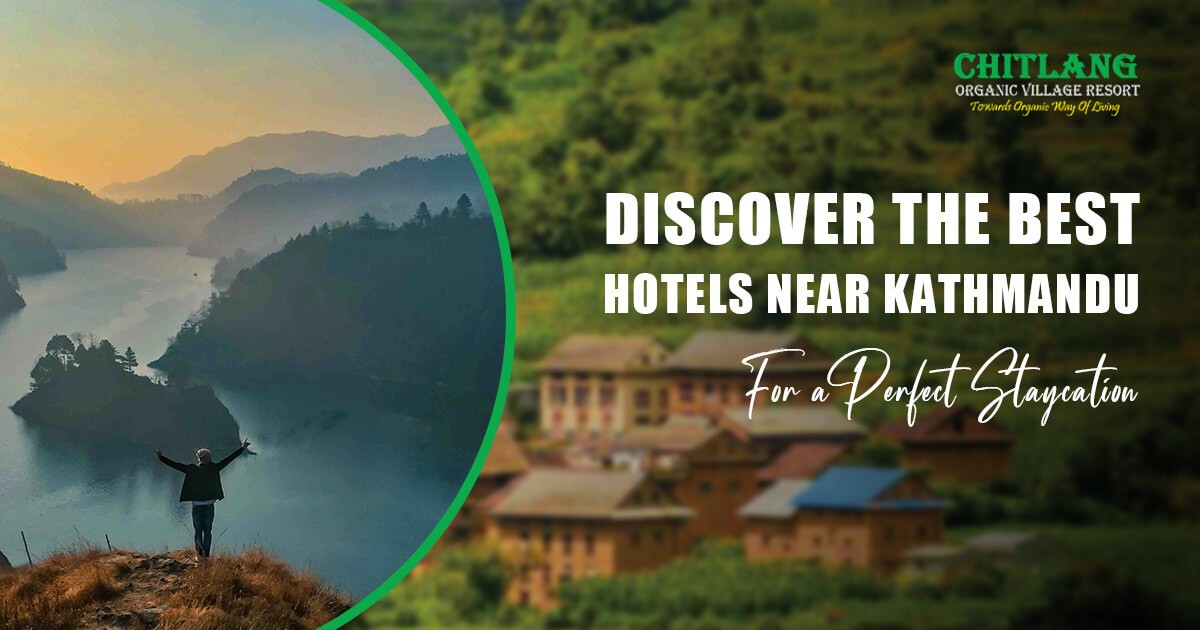
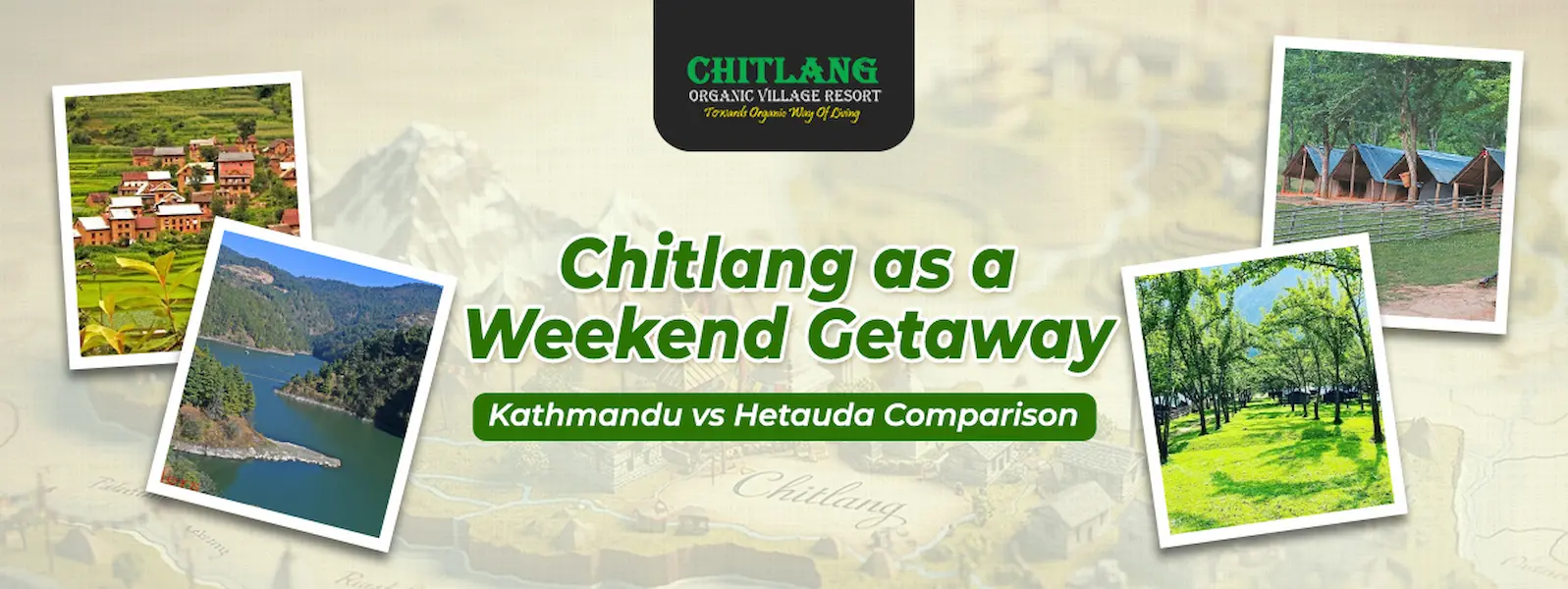
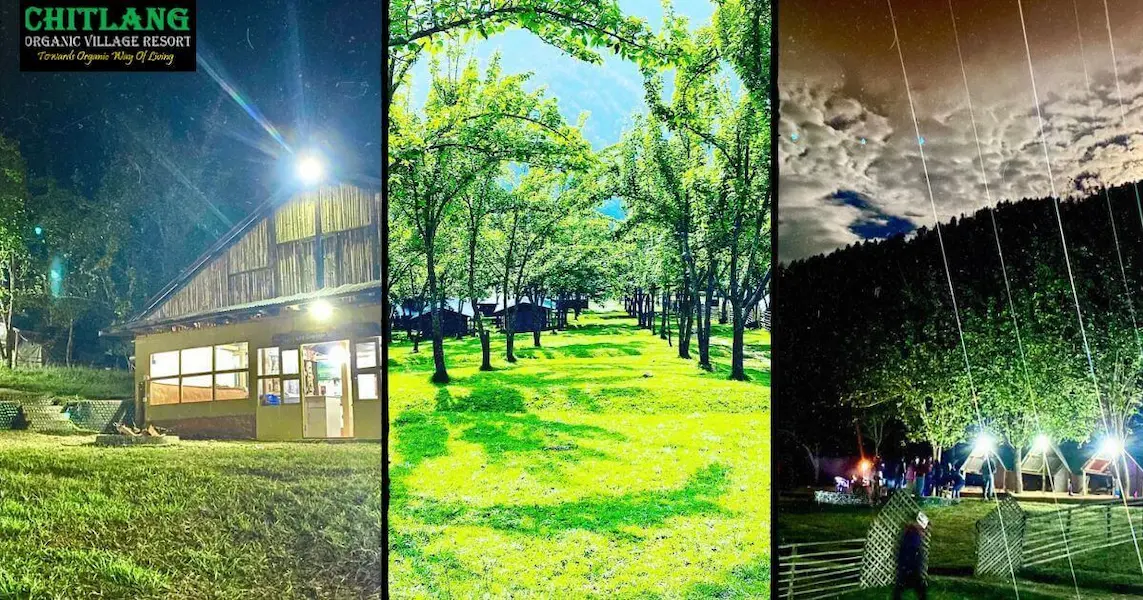
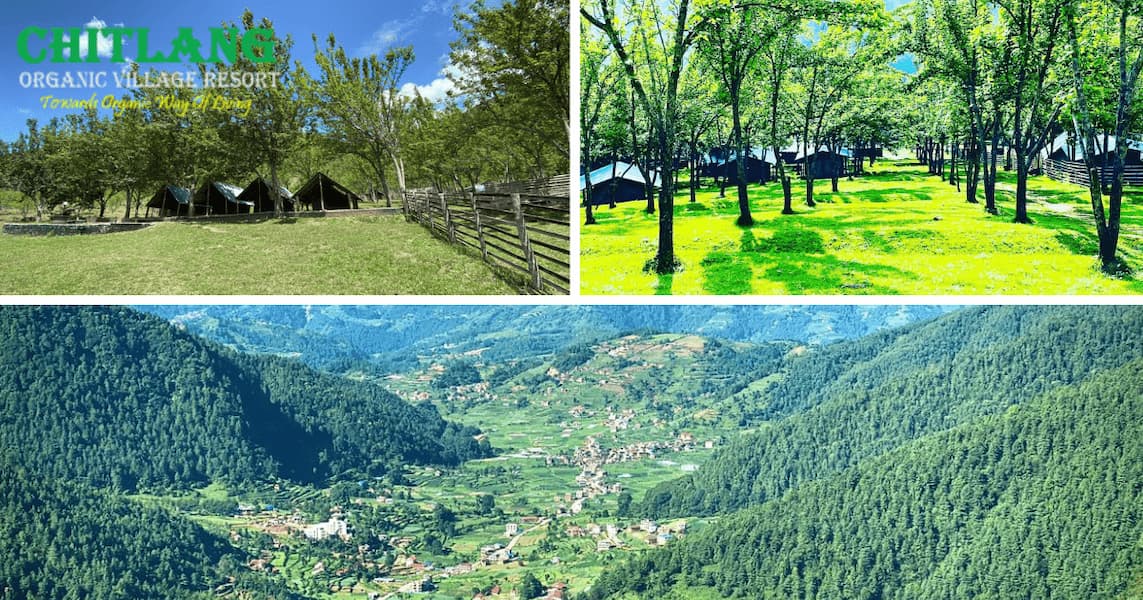
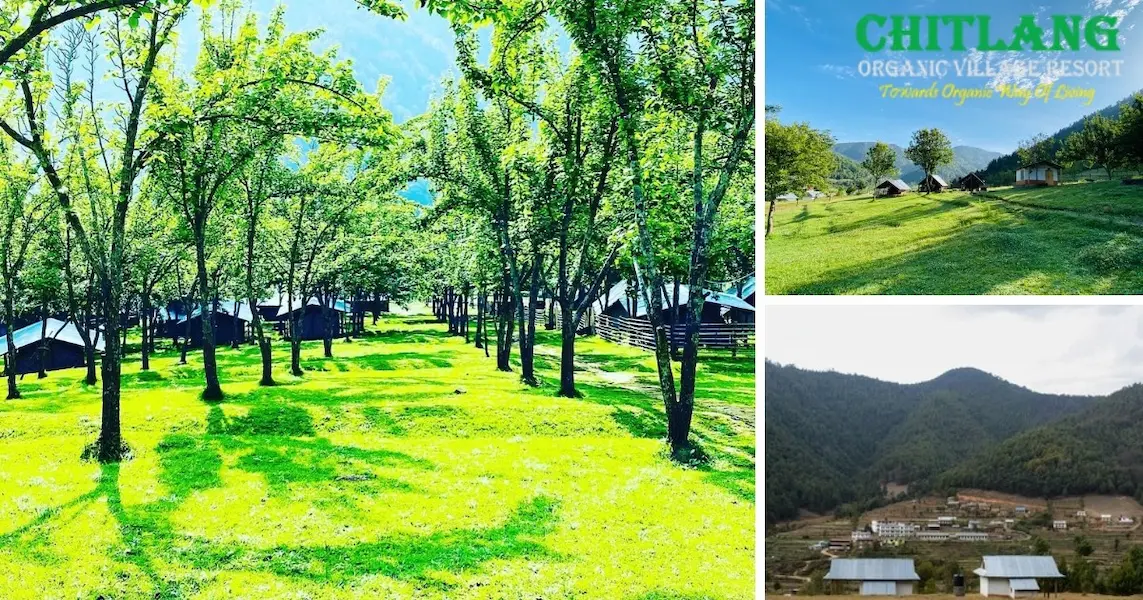
- Overnight Stay: Family-run homestays such as Chitlang Organic Village Resort serve pear cider and wood-fire dinners.
- Guides: If you prefer a package, Kathmandu agents offer 2-day Chitlang–Kulekhani hikes from USD 139, and will happily customise to include Bisinkhel.
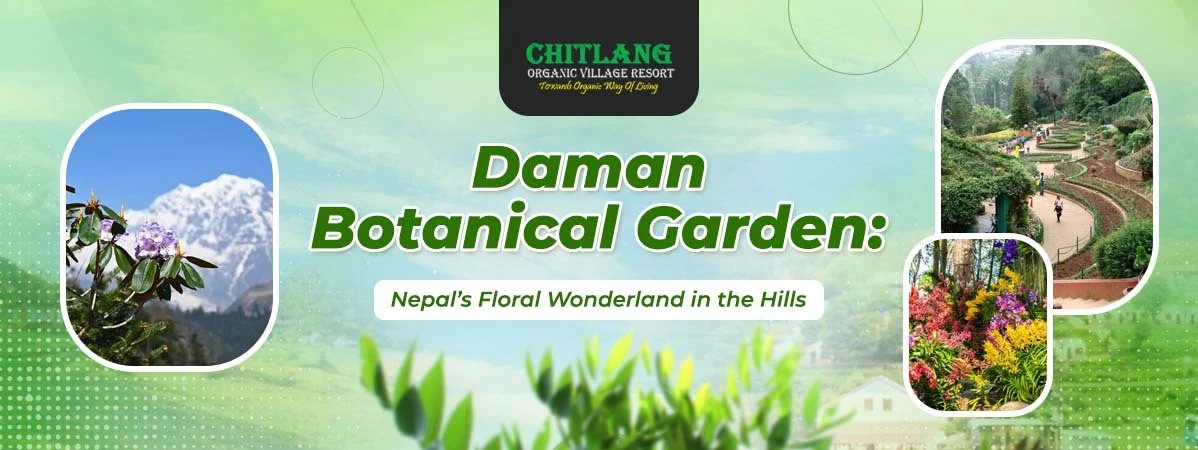
The trail is walkable for a day, or for multiple days, with stops to visit nearby sites such as Kulekhani Dam, Daman viewpoint, and various temples scattered around.
Conclusion
More than just a hiking experience, the hidden trail from Chitlang to Bisinkhel is a journey of discovery that binds visitors with the natural grandeur of Nepal, its culture, and that way of life based on sustainable livelihoods. In strolling these serene paved paths lined with terraced fields and ancient villages, you will understand why this area has earned the title of one of Nepal’s best-kept secrets.
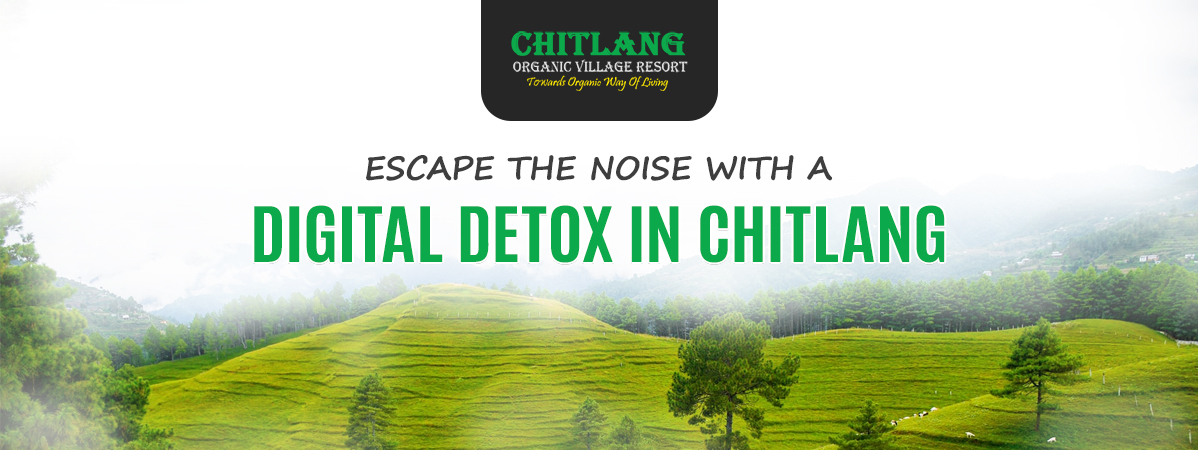
The trail offers something special, whether it is to capture the experience through video and share it with others, or for a personal renewal in nature. In between the richness of culture and natural beauty, modern-day travellers here can find solace and disconnect from digital distractions, allowing them to reconnect to what really matters.
So why wait? Lace up your boots, breathe in the crisp mountain air, and let the gentle rhythm of Chitlang to Bisinkhel renew your spirit. Your tranquil Nepali adventure is just a step away—start planning today!
Frequently Asked Questions(FAQs)
1. How much time does the trek from Chitlang to Bisinkhel take?
Ans. The trek takes approximately 2 to 3 hours to complete, covering some 6 kilometres through different types of terrains and scenic villages.
2. When is the best time to visit Chitlang and Bisinkhel?
Ans. The ideal time would be spring (April-May) for rhododendrons to bloom, or autumn (September-October) with clearer skies and very comfortable temperatures.
3. Can you still visit the alpaca farming near Bisinkhel?
Ans. As of 2025, however, it is no longer in operation nor accessible to visitors; alpaca farming remains an inspiring creative source for sustainable farming efforts around the area.
4. Are there accommodation options along the Chitlang to Bisinkhel trail?
Ans. Yes, several family-run homestays in Chitlang offer cozy stays and local organic meals, providing a perfect base for exploring the trail and the surrounding areas.