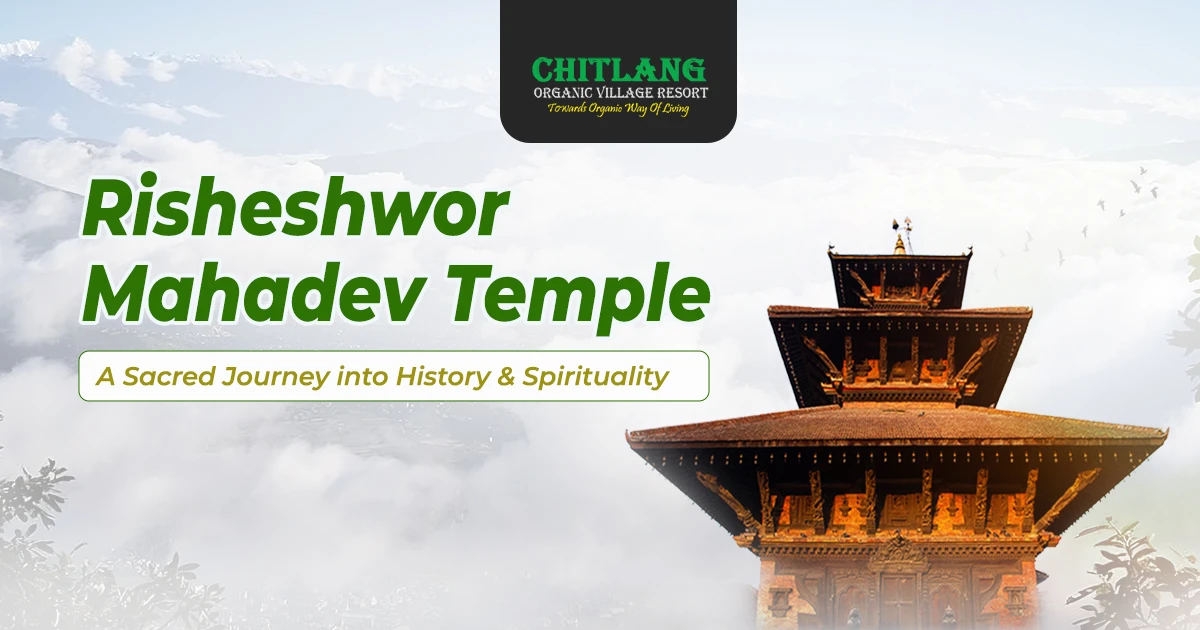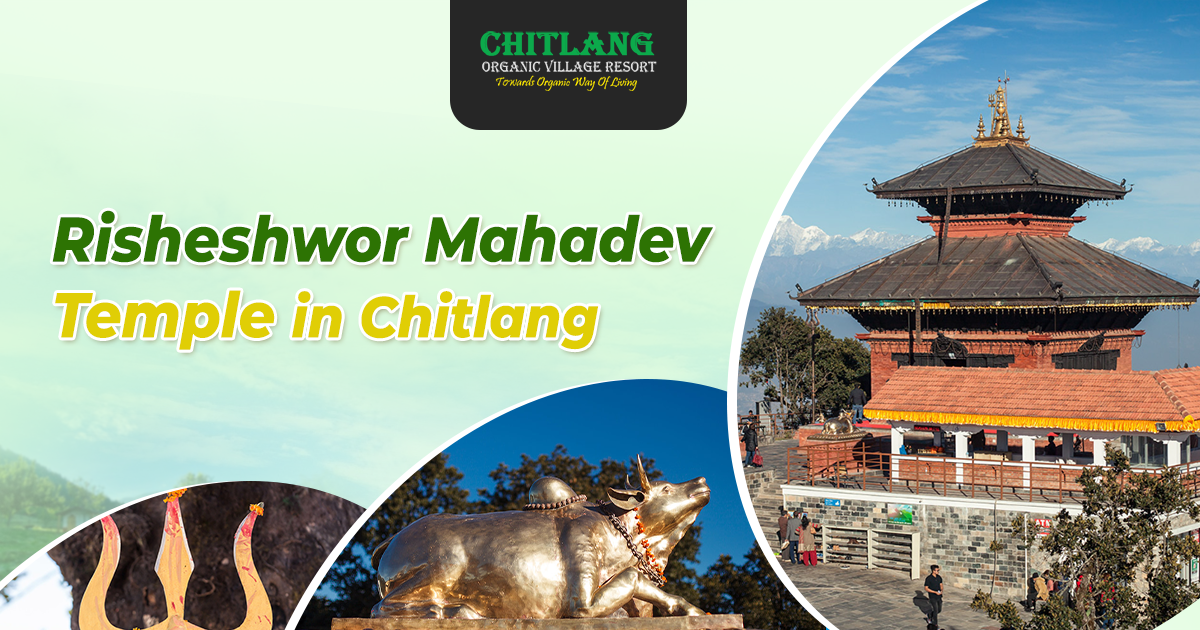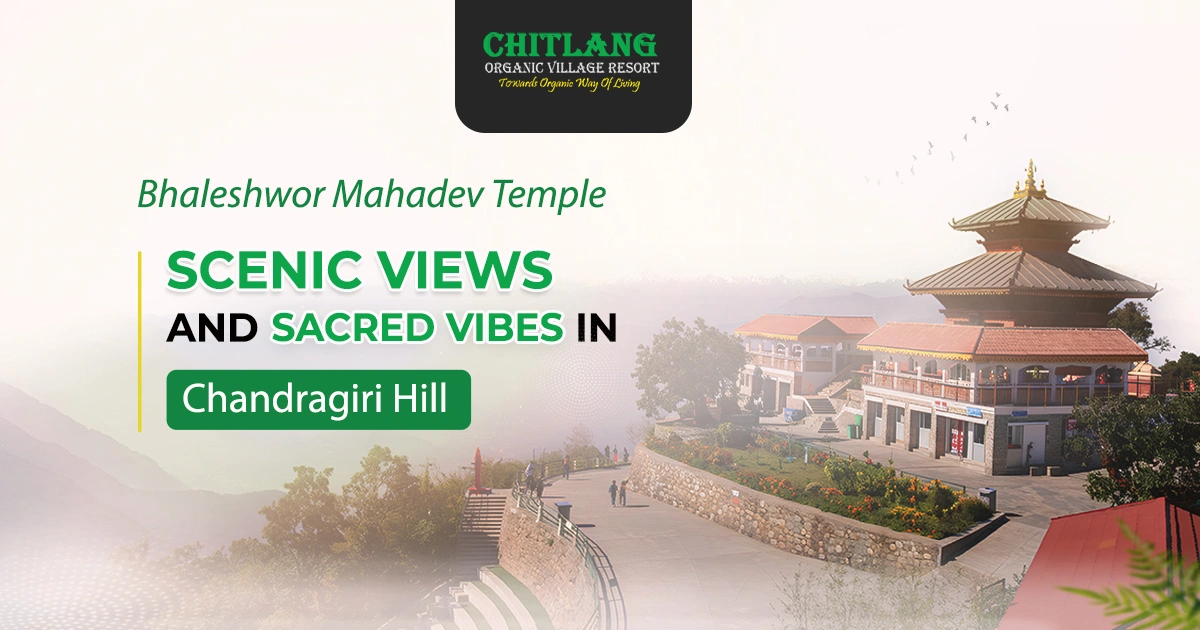
Situated on top of the peaceful Chandragiri Hill, the Bhaleshwor Mahadev Temple is one such location in Nepal that is filled with spiritual joy and breathtaking beauty. It is a perfect blend of mythology, religion, and the scenic beauty offered by the towering Himalayas in the background.
Be it religious worship, adventure, or photography, Bhaleshwor Mahadev is an experience in itself where the sacred converges with the sheer beauty that is the Kathmandu Valley.
For whatever reason, you visit Bhaleshwor Mahadev-whether for religion, adventure, or photography-it’s a wholesome experience where heaven meets breathtaking grounds: the natural beauty of the Kathmandu Valley.
The Sacred History and Mythology Behind the Bhaleshwor Mahadev Temple
The history and legend of Bhaleshwor Mahadev Temple are entwined the most with the sorrowful story of Lord Shiva and Goddess Sati from the Hindu mythology. According to the ancient Himvatakhanda scriptures, this holy site is a location where Sati Devi’s head (“Bhala”) fell to earth after she tragically self-immolated during the Daksha Yagna. Lord Shiva, almost wild with grief and fury, put her body into his cosmic dance of destruction, the Tandava, and her body pieces were scattered all over the Indian subcontinent. Thus, each site became a Shakti Peeth, which represented the worship of divine feminine energies in millions.
It is also believed that the forehead of Sati Devi fell on top of Chandragiri Hill, which later became the reason for it being named Bhaleshwor Mahadev, a name that is derived from “Bhala,” which denotes forehead, followed by “Ishwor,” which means God. There is also a local story associated with the spiritual implications of the Bhaleshwor Mahadev Temple, one that speaks of a “musician in the heavens named Sumukha who obtained forgiveness for his wrongs and the blessings of Lord Shiva, his patron god, following exhaustive penances performed in that selfsame location.”
Chandragiri Hill Scenic Location: Temple in the Clouds
Chandragiri Hill is located about 13-16 kilometres southwest of Kathmandu and is one of its most attractive locations from a scenic and religious perspective. Chandragiri Hill reaches a height of 2,551 meters, from where the vistas of the Kathmandu Valley, as well as the Himalayan ranges in the distance, look breathtakingly beautiful. In terms of location, it also proved to be an ancient trade route and a vantage point.
Historically, Chandragiri has immense significance for the nation because it is the land where King Prithvi Narayan Shah, the unifier of Nepal, for the first time conceptualized his dream for the country.
During his trip to Chandragiri Pass in the 18th century, he saw the three kingdoms of Kathmandu, Bhaktapur, and Patan, took his blessings from Bhaleshwor Mahadev Temple, and initiated his conquest that resulted in the formation of modern Nepal.
The Chandragiri Cable Car Experience
The Chandragiri Cable Car, which started its services in 2016, turns the journey to Bhaleshwor Mahadev into an exhilarating ride. With a distance of 2.5 kilometres, the Austria-engineered Doppelmayr system offers passengers an unobstructed 9-12 minute ride from the base station in Thankot to the top of the hill. As they glide over pine forests, fields, and foothills, passengers get a glimpse of the Kathmandu Valley unfold before their eyes, with the ever-encroaching Himalayas in the background. The ride has a seating capacity for a maximum of eight passengers in each gondola, making it one of the fun factors in coming to Chandragiri Hill.
Cable Car Tickets, Prices and Timings
The Chandragiri Cable Car operates throughout the year, but with different time frames applicable on different days of the week:
Operating Hours:
- Sunday to Thursday: 8:00 AM to 6:00 PM
- Friday to Saturday: 8:00 AM to 9:00 PM
- Lunch break (weekdays only): 12:30 PM to 1:30 PM
Note: There will be no lunch break on Saturdays and public holidays.
Ticket Rates (Two-way/Return):
- Nepalese citizens: NPR 825 (One-way: NPR 495)
- SAARC nationals: NPR 1,320 (One-way: NPR 790)
- Chinese nationals: USD 16 (One-way: USD 9)
- Other foreigners: USD 23 (One-way: USD 13)
Special Discounts:
- Free entry for those above the age of 80 and Children under 3 feet.
- Children between 3-4 feet in height are given about a 40% discount;
- Those who have disabilities receive a 50% discount.
- Elderly (60-80 years old), students, locals, and expatriates enjoy a 25% discount.
- Valid ID cards are required to claim these discounts.
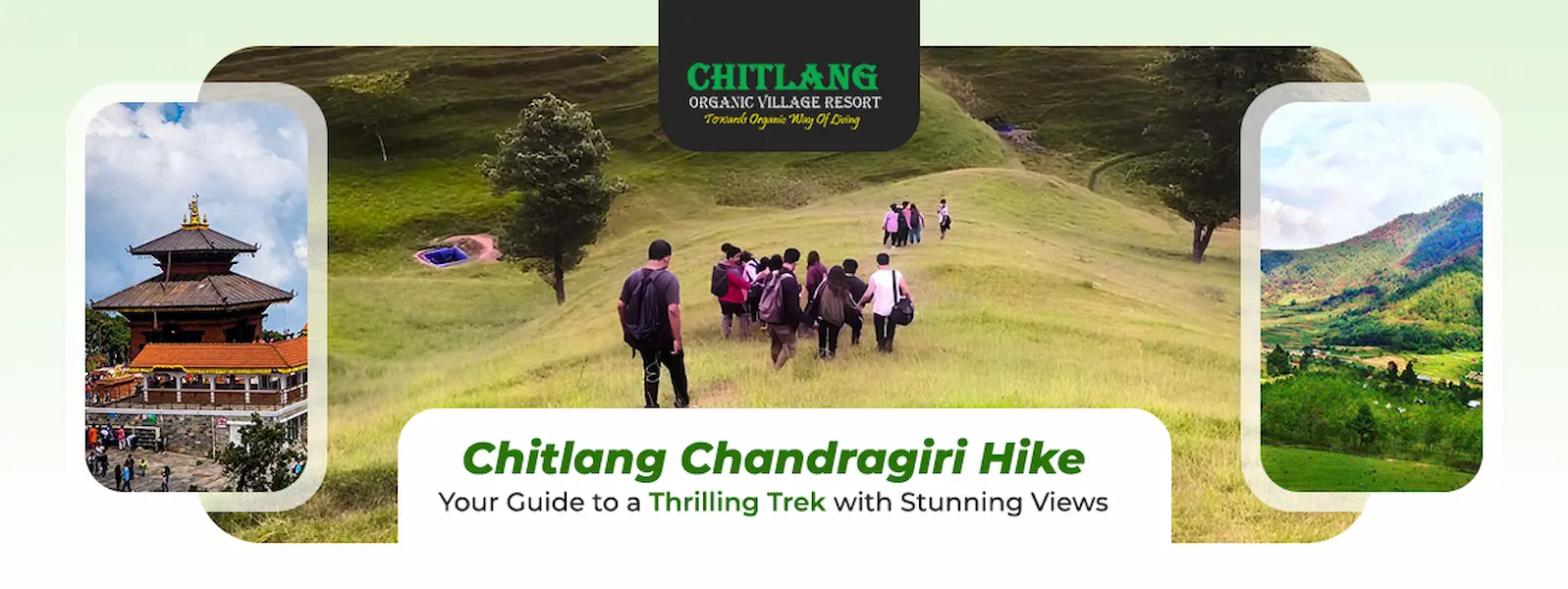
For those preferring the more adventurous option, hiking trails are available from Thankot to Chandragiri Hill, taking 2-4 hours depending on physical fitness and choice of trails. Hiking allows for a deeper connection to nature as well as local flora, fauna, and rural villages along the way.
Spiritual Experiences and Festivals at the Bhaleshwor Mahadev Temple
Bhaleshwor Mahadev Temple pulsates with spiritual energy throughout the year, but certain occasions transform it into an epicentre of devotion and celebration.
1. Maha Shivaratri: The Grand Celebration
The Maha Shivaratri, also referred to as “Great Night of Lord Shiva,” is the most significant festival for the devotees at the Bhaleshwor Mahadev Temple. It is observed in the month of either February or March, when thousands of devotees assemble to climb the hills in their difficult terrain or in the cable car to pay their homage and take blessings from Lord Shiva. The devotees remain awake the entire night with fasting, the repetition of mantras, and abhishek’s (bathing of Lord Shiva’s linga).
2. Swasthani Brata: Month-Long Devotion
Swasthani Brata is an occasion in the month of Magh (January-February), in which devotees, mainly women, observe a ritual of fasting, praying, and reading the Swasthani Bratakatha scripture for a whole month. The significance of the Bhaleshwor Mahadev temple is pertinent in these days, where the story of Sati’s sacrifice and subsequent transformation is an integral part of Swasthani’s story. People believe that observing these rituals in Bhaleshwor Mahadev brings success in the form of happiness in their family life.
3. Shrawan Mondays
Every Monday in the auspicious month of Shrawan (July-August), committed devotees of Lord Shiva trek to Bhaleshwor Mahadev. The occasion marks a massive influx of devotees with sacred water, flowers, and other offerings to perform puja on top of the hills, looking for the blessing of Lord Shiva.
4. Dashain and Tihar
The two big Nepalese festivals of Dashain (in September-October) and Tihar (in October-November) also see massive celebrations at Chandragiri Hill. People flock to the temple with their family members, thus using the occasion to pay their respects at the religious site while spending quality time with their relatives in the midst of nature’s beauty.
Breathtaking Himalayan Panorama: A 360-Degree Visual Symphony
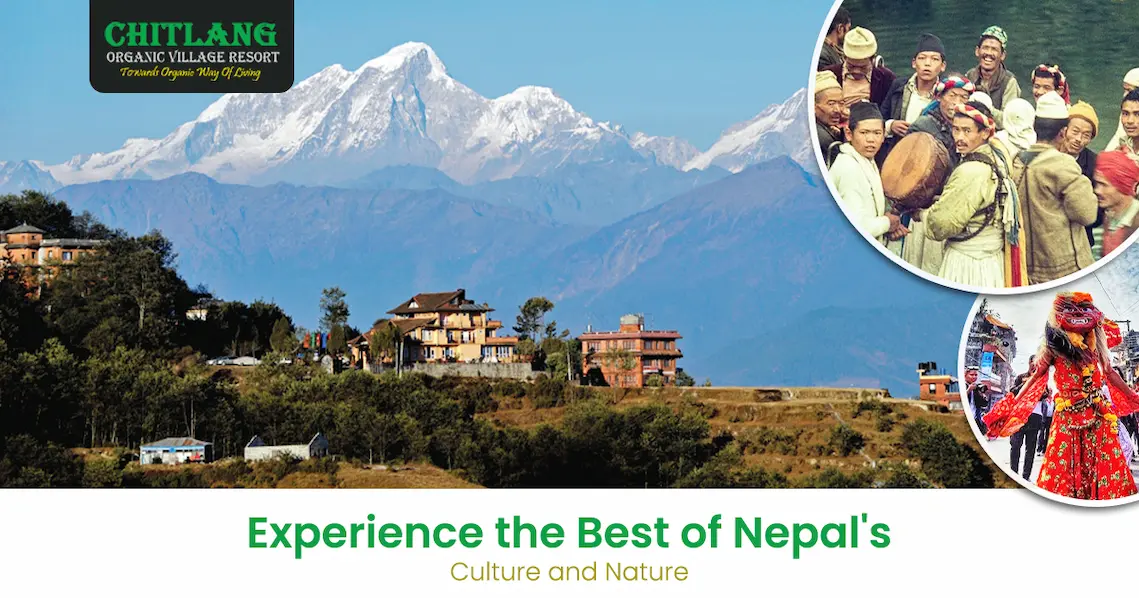
The crowning glory of the Bhaleshwor Mahadev Temple is, however, the breathtaking 360-degree view it provides. When the sky is clear, it is possible to enjoy the spectacular view of the Himalayan range from east to west during the autumn season (September to November).
With the temple’s high location at 2,551 meters, one gets to enjoy the world’s most breathtaking mountains:
- Mount Everest (8,848.86 m) – World’s highest peak, visible on days with exceptional clarity
- Annapurna (8,091 m) – The tenth-highest peak in the world
- Langtang Lirung (7,234 meters) – The highest peak in the Langtang Himal
- Ganesh Himal (7,422 meters) – A stunning mountain range resembling the elephant-headed deity
- Gaurishankar (7,134 meters) – Holy Mountain dedicated to Lord Shiva and goddess Parvati
- Dorje Lakpa (6,966 meters) – Visible from the Kathmandu Valley
- Manaslu – The eighth-tallest peak in the world
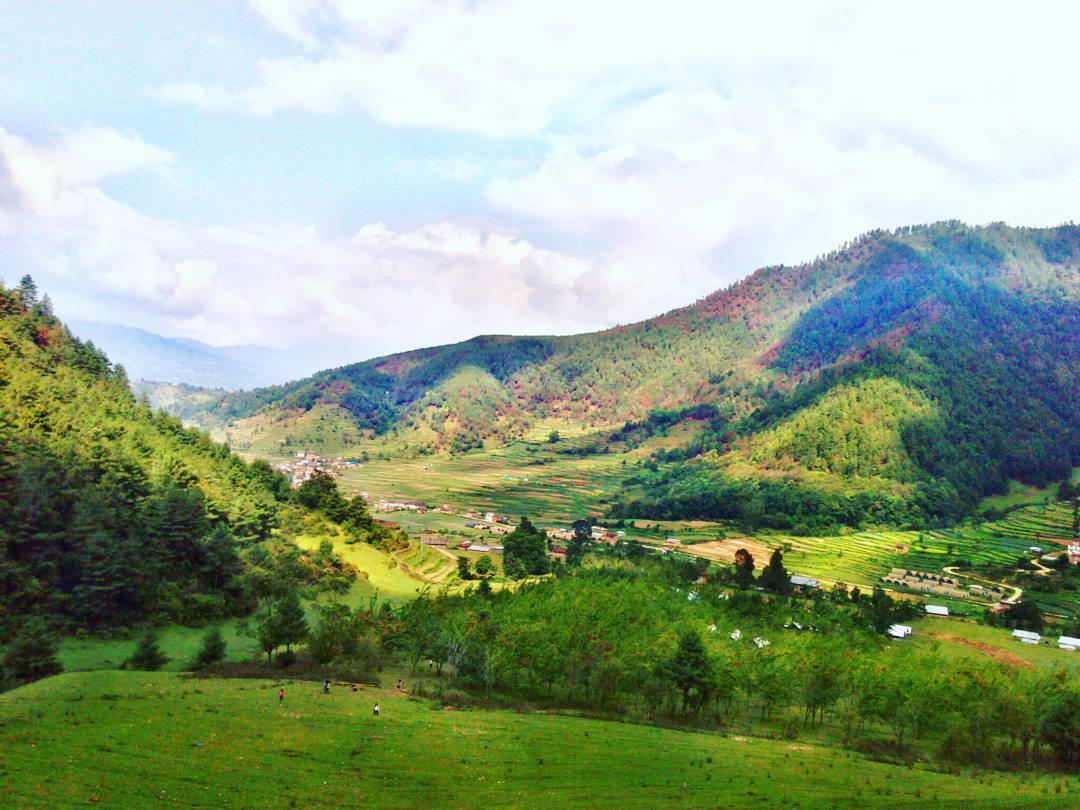
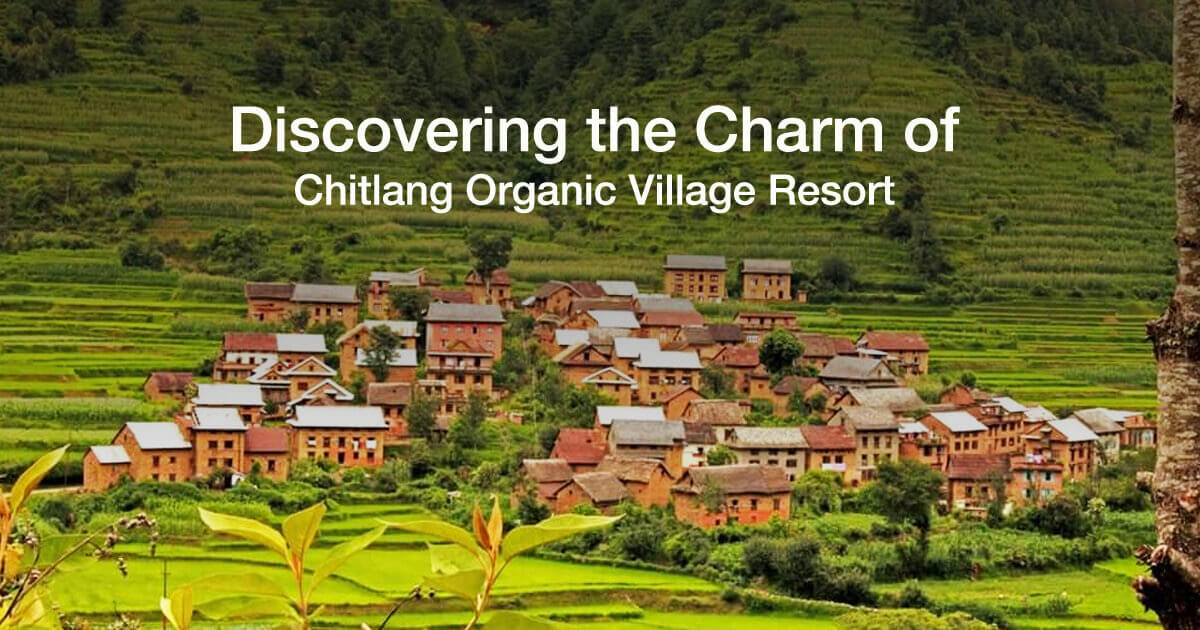
Except for the Himalayan giants, the landscape extends to the entire Kathmandu Valley with its rice fields, urban area, historic temples, and flowing bodies of water that make up an entrancing panorama. The hills on its sides curve into undulating segments with villages and fields showing the agricultural background of Nepal.
How to Reach Chandragiri Hills from Kathmandu
- By Taxi: The quickest option is hiring a taxi from Kathmandu (around the Thamel area) to the base station for the Chandragiri Cable Car in Thankot. The distance is around 12-16 kilometres, and it would take 30-45 minutes, depending on traffic, costing about NPR 1,000 (approximately USD 7 to 8).
- By Public Bus: Budget tourists can travel from Kalanki (on the Ring Road in Kathmandu) to Thankot/Chandragiri via a public bus. The transportation costs only NPR 25-40, with a travel time of 30-40 minutes. The buses, however, stop at the main road, so it factors in around a 15 to 20-minute walk to the cable car station.
- By Private Vehicle: People who use their own transport can proceed directly to the base station of the cable car, where there is parking for a maximum of 300 motorcycles and 200 cars.
Best Time to Visit Chandragiri Hills
- Autumn (September-November): There is no doubt that these are the best months to visit Chandragiri Hill and Bhaleshwor Mahadev Temple. The temperature is moderate (15-25°C), with clear blue skies, making it an ideal time for watching mountains with high visibility, during which time Dashain and Tihar festivals also fall. Autumn is the time with maximum chances to view Mt. Everest and the entire range of the Himalayas in their entirety.
- Spring (March to May): The second-best time to visit, spring is characterized by moderate (10-25°C) climates, rhododendron blooms in vibrant hues of reds, pinks, and blue, with moderately changing visibility. There could be spring showers, but these do not affect visits much. There is also much less foot traffic compared to Autumn.
Final Thoughts: Where Divinity Meets Natural Splendour
The Bhaleshwor Mahadev Temple is more than a religious site – it’s a location that touches one’s heart and soul. Whether it is the stories associated with Lord Shiva or the breathtaking views offered by the Himalayas, Chandragiri Hill exudes serenity in each aspect.
Whether it is devotion, adventure, or pure travel in search of Nepal’s secrets, Bhaleshwor Mahadev Temple is an experience awaiting in terms of spiritual fulfilment and an uneventful view.
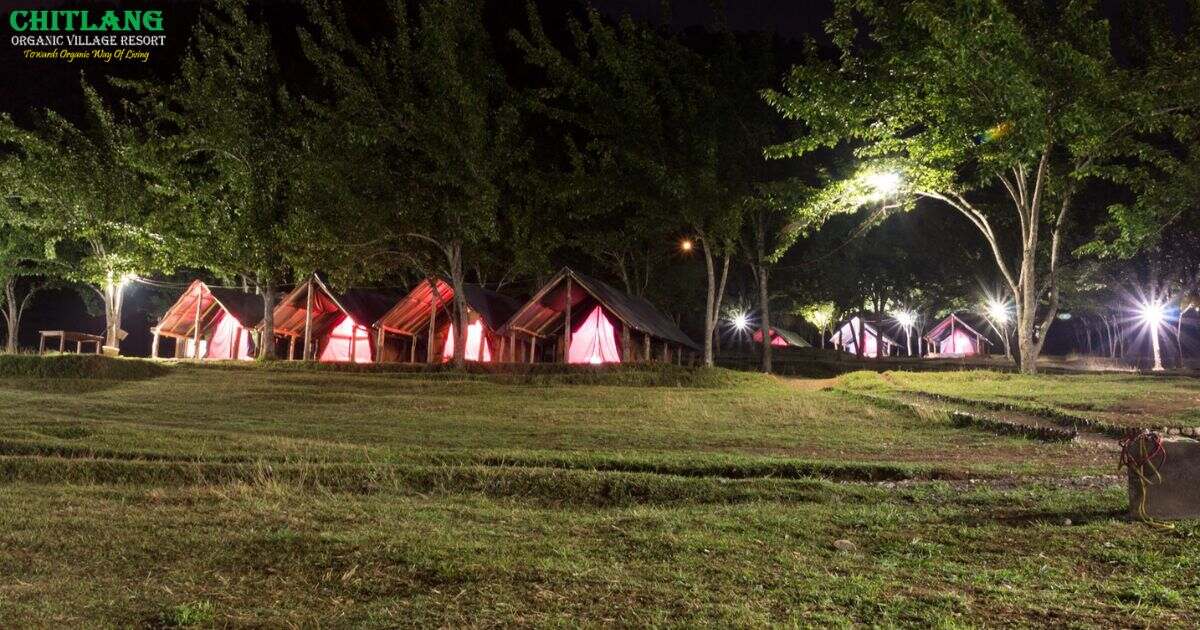
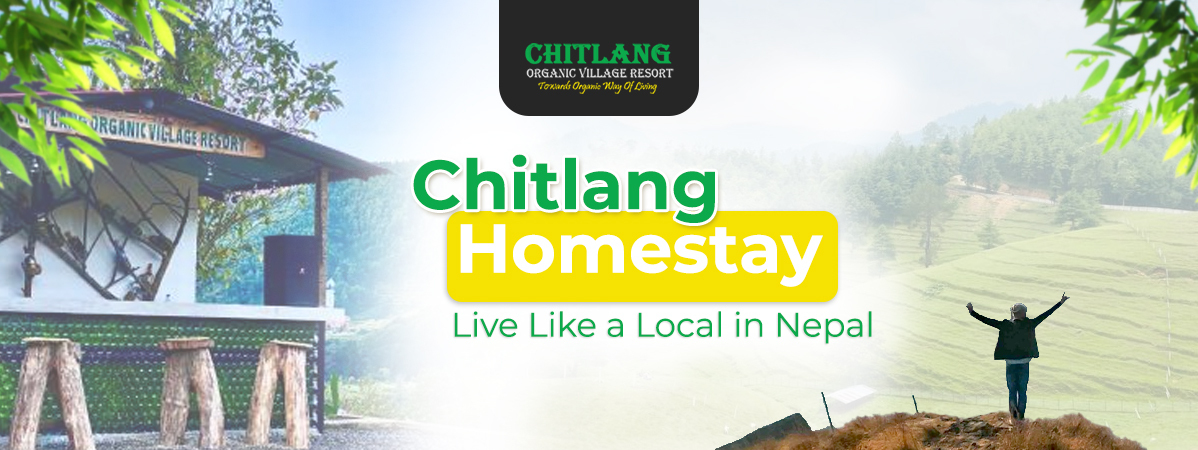
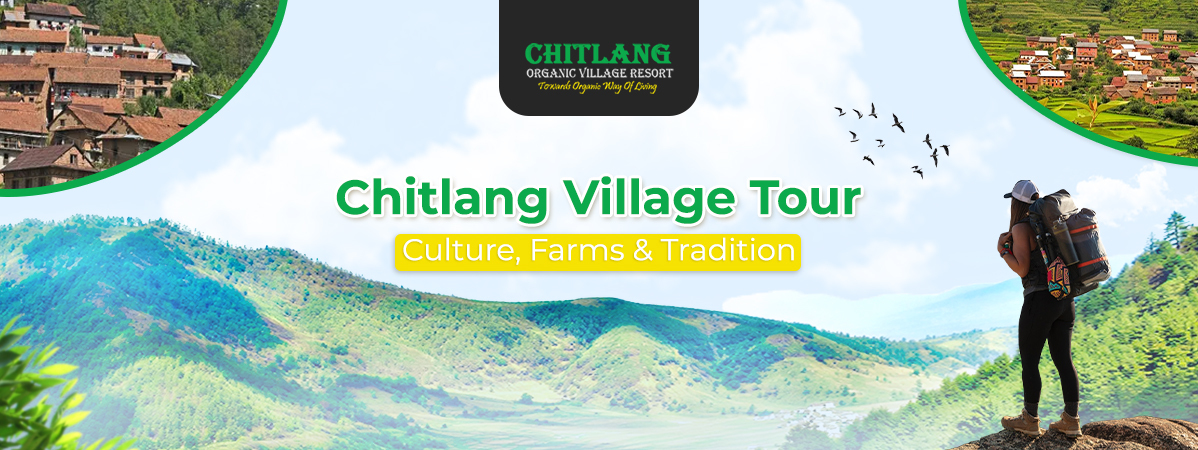
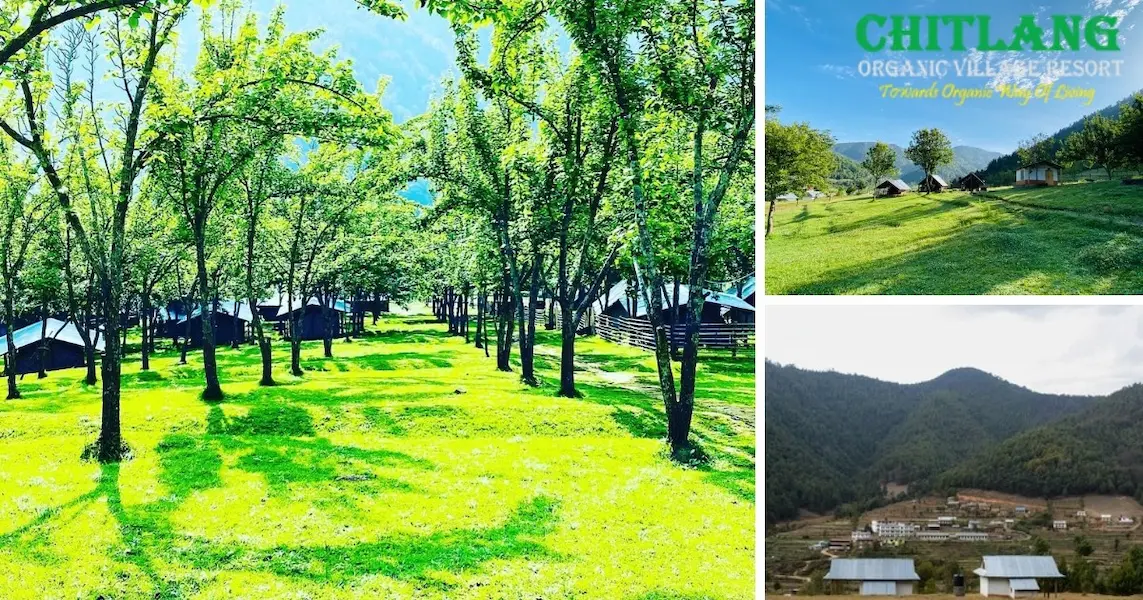
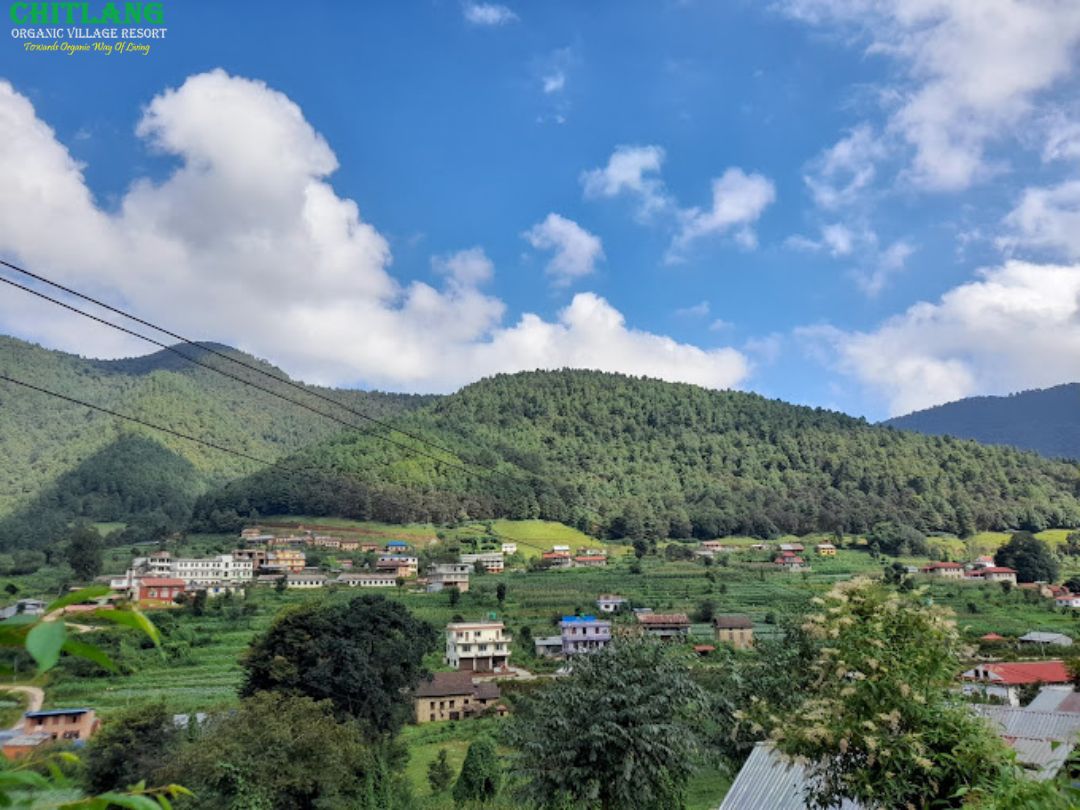
Therefore, the next time you find yourself in Kathmandu’s vicinity, let Kathmandu’s Chandragiri Hill uplift your spirits, and then allow the organic bliss of Chitlang Organic Village Resort to round off your experience.