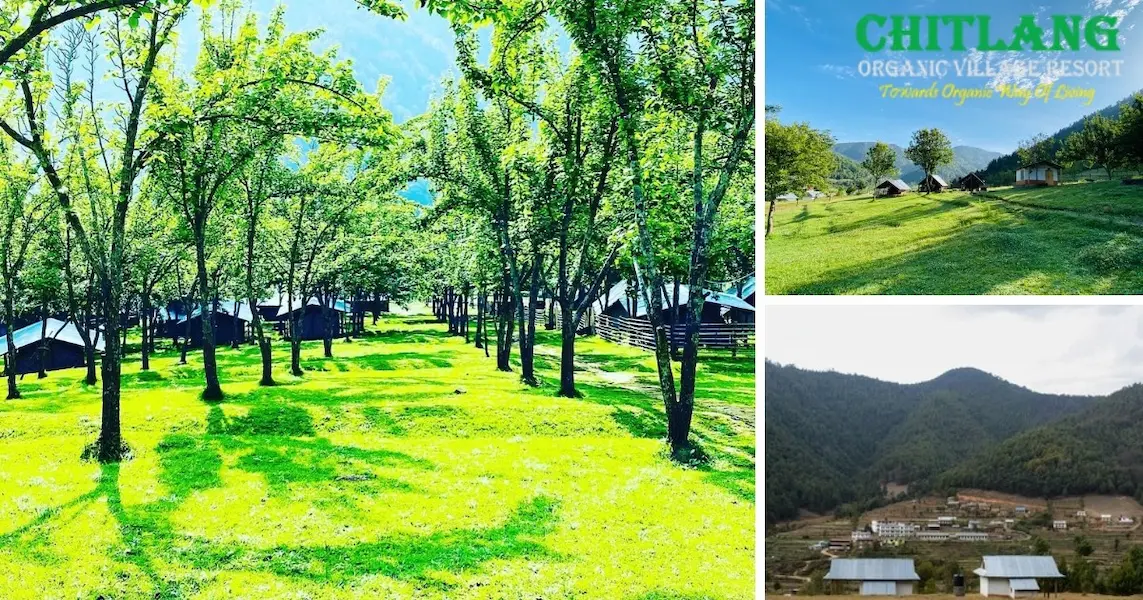
Planning a trip to Chitlang is as fun as visiting this tiny hill town. But a successful execution of this fun trip starts with proper planning and that includes knowing the best time to visit. Chitlang has a series of climates throughout the year.
While the summers are mild, winters can be harsh. Even as spring and autumn bring out their own charms, it is during the monsoon that one really gets to experience the best rain. Any season you choose to travel should involve a little planning. Different times have different demands so make sure you understand them clearly.
For example: if you’re visiting Chitlang in winter, learn about the weather there, the types of clothes you need to carry and what views can you get. Also, it is essential to find a cozy homestay that will be perfect for you and your friends.
What is the weather in Chitlang like?
It does not matter if you’re a fan of chilling monsoons, cold winters, colourful springs, cozy autumns, or hot summers, Chitlang offers it all. Throughout the year, the weather in Chitlang is good, making outdoor activities great fun.
Each season carries its perks. If you’re thinking of going camping in Chitlang, summers are the best with perfect temperature and less wind. If you’re more sort of a hiking person, autumn is likely to be your time.
Similarly, people who want to experience rain like never before can also visit Chitlang during the monsoon. And what better way to spend your winters than sipping a cup of hot tea, or sitting around fire with your loved ones in the middle of nature?
1. Monsoon: The beauty of rain and nature
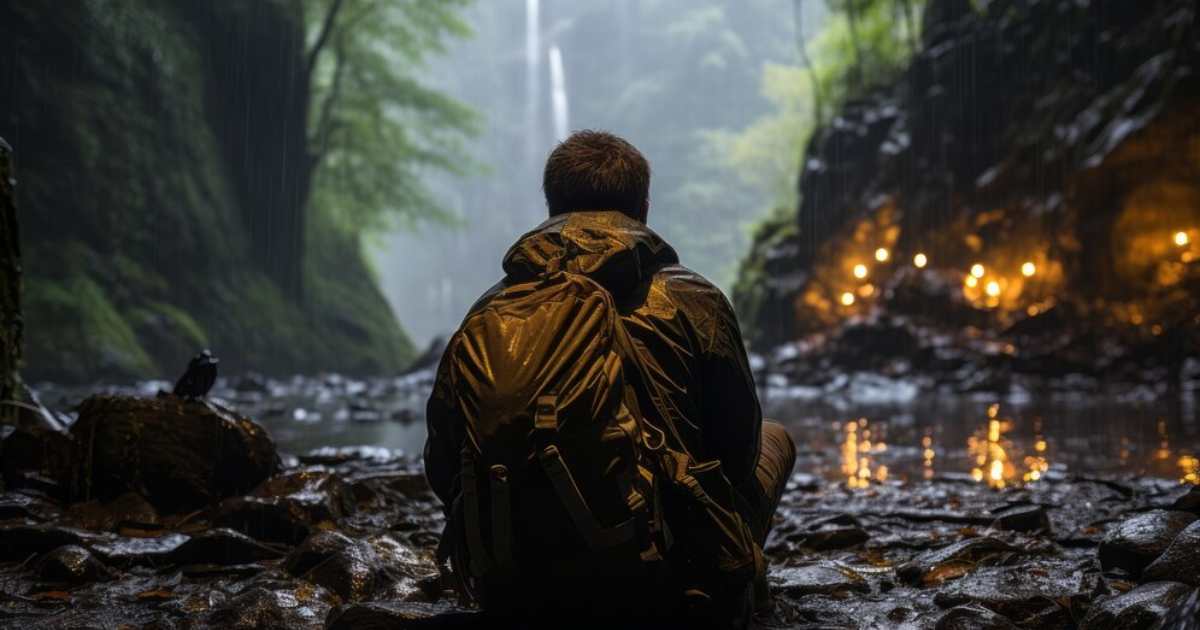
The rainy season looks absolutely amazing in Chitlang. The town experiences light to heavy rainfall during monsoon. Talking about its cons first, it makes the roads extremely muddy and slippery and any outdoor activities like trekking or hiking won’t be fun.
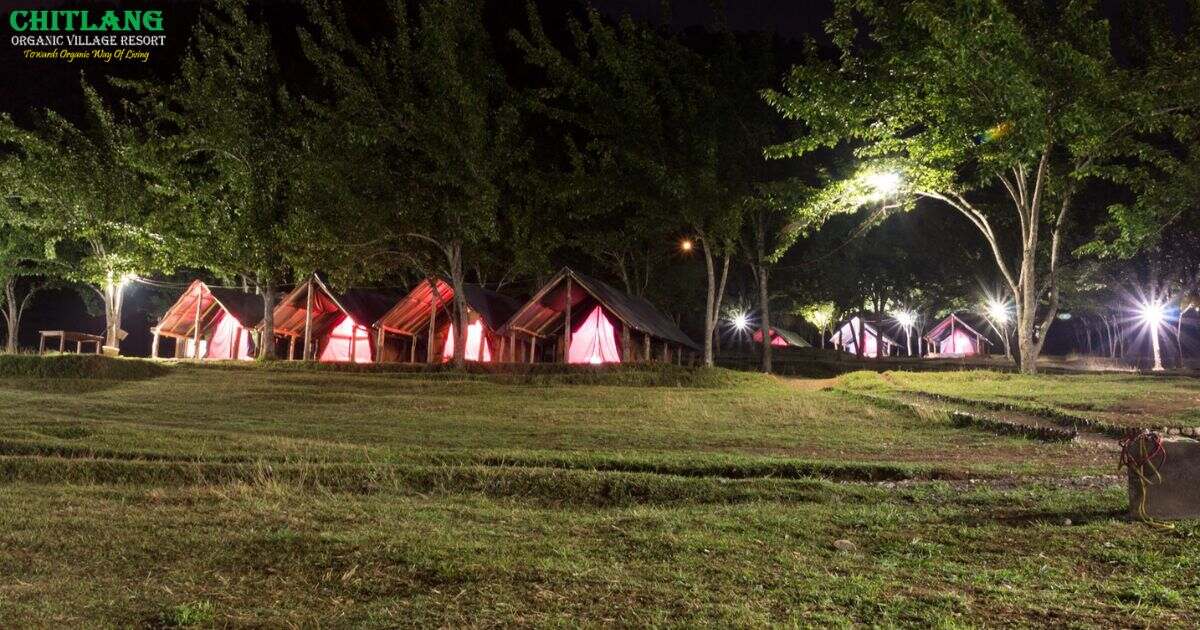
You can, however, choose a cozy homestay where you can have a fun time with your family and friends, and enjoy some campfire and barbecue. After the rain clears up, nature’s view is something to marvel at. The greenery gets greener and the sky is clearer than ever before.
Taking proper precautions makes the fun even better. Carry waterproof clothes and footwear. Raincoats or umbrellas must be present all along too.
2. Autumn: Enjoy harvest and abundance
Autumn gives the leaves vibrant colours and plants and animals start prepping for the long winter ahead. This time of the year in Chitlang brings about a lot of beautiful changes in nature and that also calls for a lot of fun outdoor activities.
With the sun being a little harsh, you can embark on trekking or hiking and explore the best places in Chitlang. This season is also the time when farmers harvest their crops so you can enjoy a lot of that in the town.
Cool mornings and evenings mark relief from the heat during these warmer days. So carry at least one pair of warm clothes if you’re visiting Chitlang during such times.
3. Spring: Welcome the new beauty of nature
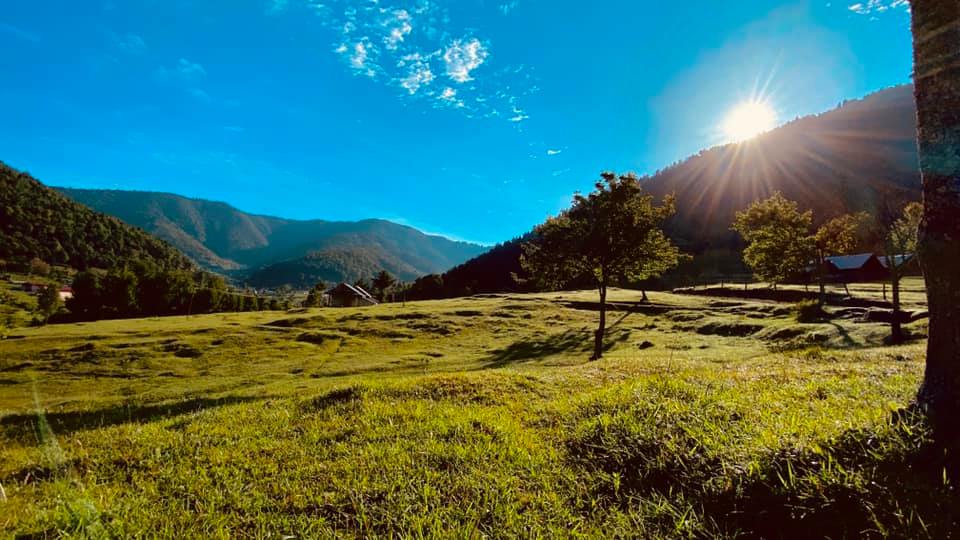
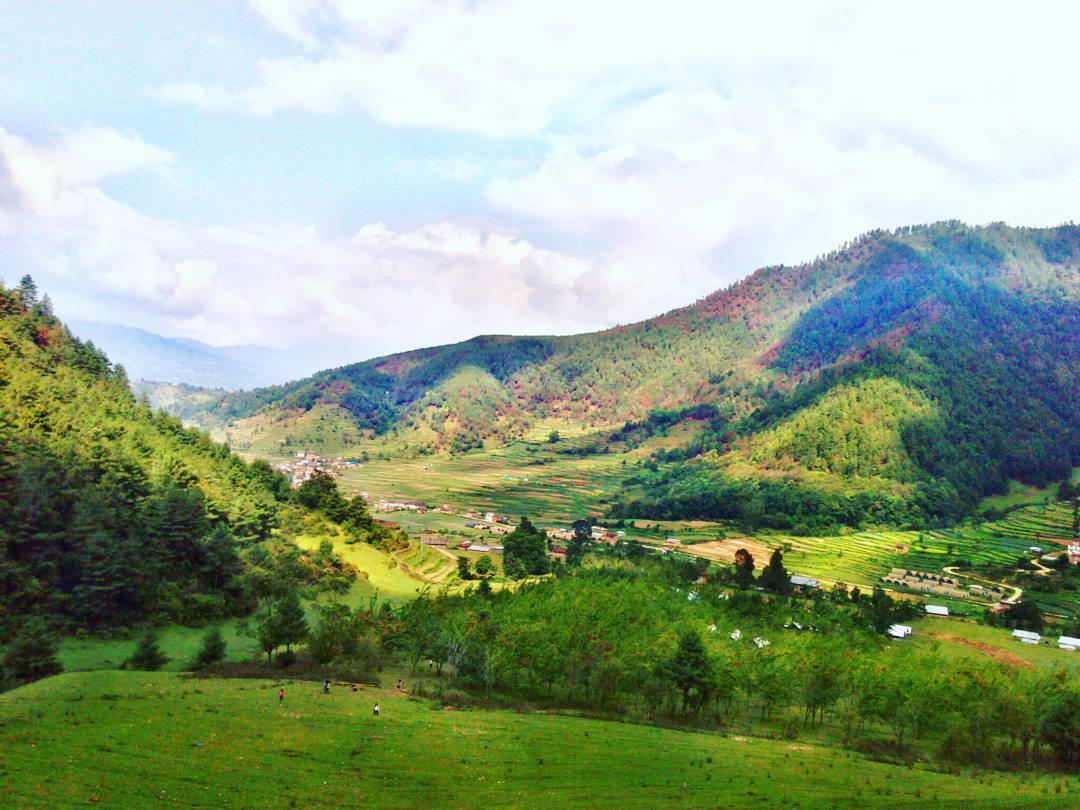
Spring is mild and full of natural beauty in Chitlang. The beauty of greenery, colorful blooming plants, and fresh-smelling air captivate your heart. For this kind of weather, there are very simple warm clothes such as sweatshirts and shorts.
However, like autumn, spring also remains a wonderful season for taking outdoor activities, such as hiking and trekking. Be sure to wear your comfortable shoes to discover the nooks and corners of this beautiful ancient town.
4. Summer: A fun experience
If you’re someone who hates traveling in summer because of the hassle of the hot and humid weather, Chitlang can be your escape. This tiny hill town has a mild summer. You can carry light T-shirts, shorts, lightweight shoes and slippers.
Summers require your body to be hydrated at any time. Extreme outdoor activities like trekking are not recommended since they require a lot of time and energy and that can get hard in the hot weather. You must opt for less demanding activities like exploring during mornings or evenings.
5. Winter: Enjoy a stay at private homestays
As winter approaches and the temperatures start to drop, Chitlang gets colder than Kathmandu. So, if you want to experience real winter, it is your time to visit Chitlang. Just remember that you need to pack a heavier bag full of warm clothes, compared to other seasons.
While trekking and hiking are not that famous during this time, you can certainly have a cozy time with your loved ones at private homestays. You can do that while enjoying warm drinks in the mornings and evenings and barbecues at night.
How to prepare for every weather condition in Chitlang
1. Check the weather forecast
Refer to the weather forecast before commencing going out. This way you can make alterations if there are sudden changes in weather conditions. Such planning would help you enjoy a very good experience with the weather, avoiding the bad happenings. Therefore checking the weather conditions before going out is beneficial.
2. Get rain gear ready during the monsoon
Chitlang anticipates heavy to light rains during the monsoon. So, the best adviceise to pack all necessary rain item, such ase raincoats, umbrellas, waterproof shoes, and so on. Such items will protect you from rain and keep you dry.
3. Best summer tip: hydration and sun protection
During the summers, focus primarily on your hydration especially when you’re traveling places. Get into the habit of carrying a water bottle every day. Drink plenty from it. Sunscreens, hats, and sunglasses will help you protect yourself from sunshine and harmful rays. Even a pocket fan can be carried with you.
4. Dress according to the weather
Wearing clothes according to the season is an utmost part of travelling. As the weather transitions, it also demands a change in your clothes. If you understand this, you can adapt well to any type of weather.
Also, keep some extra layers, especially during monsoon and winter as you may not know how cold or wet it can get. Know how many clothes to carry in summer and spring.
Items to carry in different seasons
1. Winter essentials
Your winter backpacks are going to be heavier than your backpacks in other seasons. Carry your warm sweaters, comfortable down jackets, thermal coats, and layered shocks in your backpack for the winter season. Other items such as gloves, hats, and scarves are a must and will complete your outfit. They will guard against any cold winds that may flow into your skin.
2. Spring and autumn essentials
Both spring and autumn are great times for outdoor activities. Your backpack will be lighter since you won’t have to carry thick clothes. Cotton T-shirts, pants, shorts, a light jacket and comfortable shoes are enough.
3. Summer essentials
Summer dressing must be very light and airy to wade away the terrible heat. Wear loose clothing that is made from natural fabrics. Seek an indoor sanctuary at the peak of every day to remain safe and sound.
Also, a hat, sunscreen, and water bottle must be on your side, especially in the daytime. Hot weather can also invite some bugs so carrying repellent sprays helps a lot.
Staying safe in extreme weather
1. Not taking the risks for granted
Chitlang serves a variety of weather. And that may bring many disasters. As a result of these extreme conditions, one must gauge the risk involved and plan accordingly. Chitlang during Monsoon sees flash floods while sun-related illnesses in the summer season are common. Detecting such risks well prepares you to make appropriate decisions and necessary precautionary measures for safety.
2. Preparing for any unfortunate events
Based on its geographic situation, Chitlang is pre-disposed to landslides and earthquakes. You will have to understand nearby emergency shelters and disaster response plans for your safety. Formulate an emergency kit containing first aid supplies, non-perishable food items, and communication tools. While we can not stop them, preparedness can minimize the impacts of such disasters.
3. Seek professional advice
Seek advice from local experts or guides before undertaking outdoor activities during poor weather. By this, you can ascertain the feasibility and safety of your plans. While crossing the beautiful nature of Chitlang, a satisfactory and safe experience is assured since experts have important information regarding the terrain, weather patterns, and threats.
Conclusion
It is important to prepare for every possible situation because Chitlang has very high seasonal weather variations. When the weather turns bad, listen to local forecasts, dress properly, and take the necessary safety precautions. Always invest in yourself by making the right arrangements and plans that will enable you to maximize your experience travelling to Chitlang.
Before diving into your journey, prepare by checking out the weather conditions for a successful exploration of Chitlang resources. As a result, you will be able to make the required changes and adapt to the weather conditions. Also, you can directly contact Chitlang Organic Village Resort if you have any queries regarding Chitlang whether it’s about weather, hotel, or road conditions.
FAQs
1. Does it snow in Chitlang?
Ans: Chitlang does not frequently experience snowfall. It can, however, snow there occasionally in December if the temperatures go sharply down. That said, experiencing heavy snowfall in Chitlang is extremely rare.
2. What activities are famous in Chitlang other than hiking and trekking?
Ans: These activities are getting popular in Chitlang:
- Exploring wildlife
- Religious visit
- Historical sites tour
- Films, documentaries, and music videos shooting
- Fishery
- Bird watching
- Visit goat farming
- Researchers (MA and PHD thesis writing)