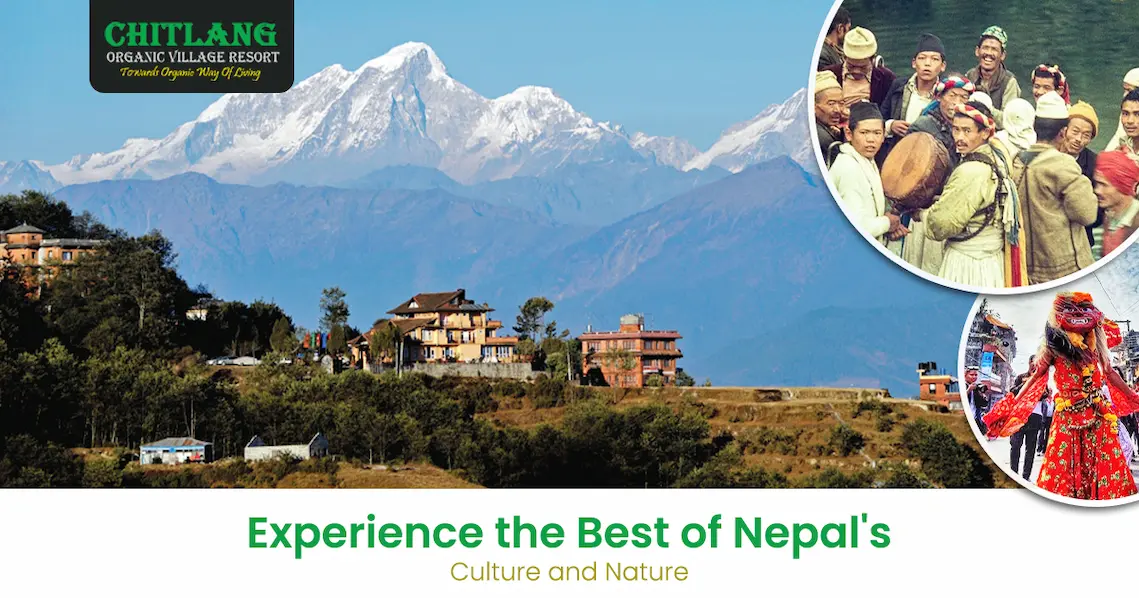
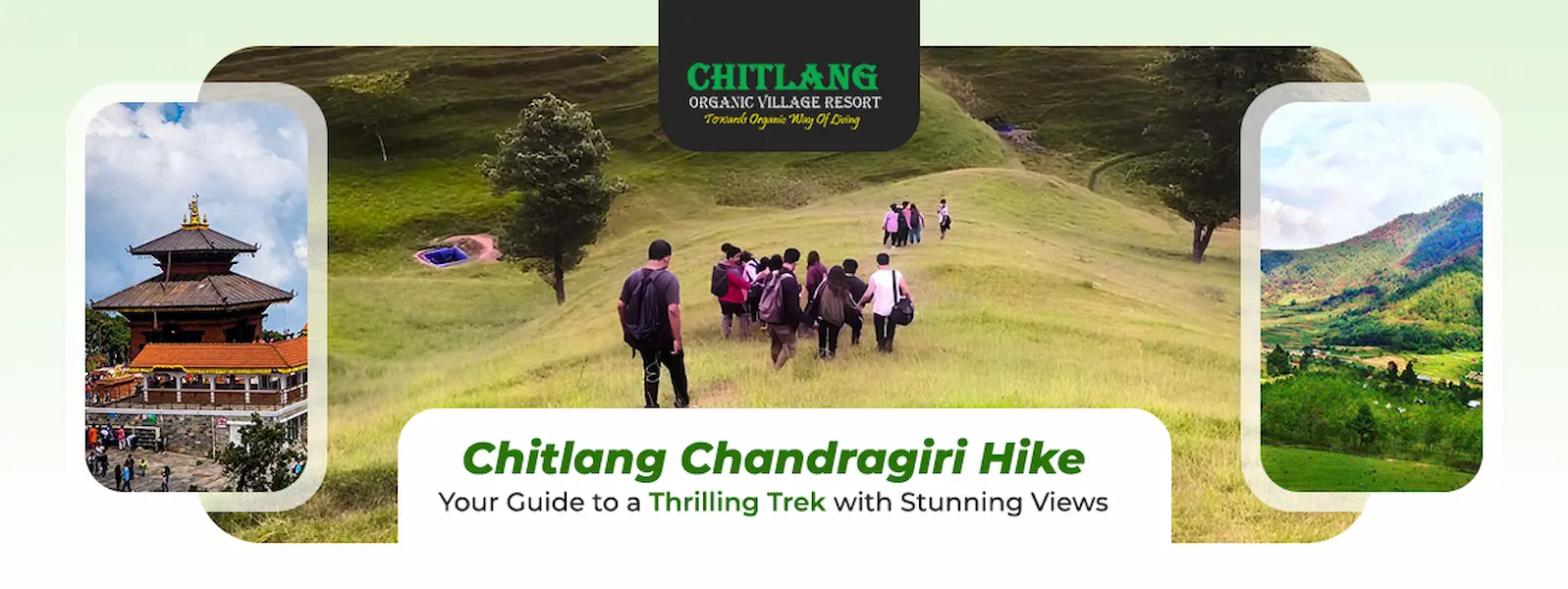
As famous as it is for its natural beauty, Chitlang has a rich cultural and religious history that dates back centuries. One such attraction is the iconic Ashoka Chaitya, a timeless testament to ancient Buddhist heritage and architectural creativity.
The Ashoka Chaitya indicates the tremendous historical and spiritual legacy of Emperor Ashoka, one of ancient India’s most transformative rulers. Situated in the serene village of Chitlang, this pillar shows Ashoka’s deep influence on the region and his lasting devotion to Buddhism.
Enveloped by rich greenery and the sweet serenity of the countryside, the Chaitya stands as a monument for pilgrimage, experiencing the journeys of history and lasting peace. Its simplicity and elegance are an expression of early Buddhist thought, which signifies harmony and reverence for nature. It is truly a fine piece of Nepal’s cultural tapestry.
History of Ashoka Chaitya
If you’re wondering how and when the Ashoka Chaitya came about, it has a centuries-long history. Historical records say that Ashoka paid a visit to Nepal sometime during the 3rd century BCE when he was out propagating Buddhism in the South Asian region.
The Chaitya is a humble but very potent stone structure customarily dated to this time, as Ashoka’s time to erect stupas and pillars was used to signify sacred sites and promote Buddhist teachings. The locality believes the term “Chitlang,” in fact, comes from the Newari saying “Chaitya Lhown,” meaning a “Chaitya made of stone.”
Such a monument went on to become the very ‘face’ of the village. Supporting evidence is available in the form of ancient inscriptions and artifacts, some of them dating back to the Lichchavi period (400-750 CE), a testimony to a long-lived Buddhist tradition.
What does the Ashoka Stupa signify?
The Ashoka Chaitya exemplifies the simplicity in architecture of early Buddhist monuments that value the spirit of faith over embellishment. Some archaeological findings, like ancient bricks found in the area, indicate that the site once sustained a larger monastic complex or pilgrimage center, much of which remains unexcavated.
Many historians believe that Chitlang was a strategic point along an ancient trade route that linked the Kathmandu Valley to the southern plains. That was perfect for Ashoka to plant a sign of his faith to help propagate Buddhism to the resident communities.
Through the ages, the Chaitya has survived as a living prodigy of the rich heritage of Chitlang, withstanding changes in political power and culture. Legends and archaeological research still lack many of its construction details, but its association with Ashoka gives it a place in the broader history of Buddhist expansion.
Today, pilgrims, historians, and travelers flock to it, silently reminding them of a moment when the vision of an emperor altered the spiritual landscape of ancient Nepal.
How to reach Ashoka Chaitya?
There are several options to reach Ashoka Chaitya, Chitlang, from Kathmandu, but they will differ in terms of speed, comfort, or adventurousness. Chitlang is a charming town lying approximately 22 kilometers southwest of Kathmandu on the road to the chaitya, offering you splendid scenery and cultural exploration. Here is how you can get there:
1. By road (Private vehicle or Taxi)
The most comfortable way is to hire a taxi or rent a private car. You may have to spend on one-way fares costing roughly NPR 3,000–5,000, depending on the negotiation and vehicle type. The road is scenic as it winds through the hills, with the breathtaking views of the nearby Mahabharat Range entertaining you along the way.
Distance
The drive from Kathmandu to Chitlang takes about 1.5-2 hours in varying traffic and road conditions.
Route
The drive begins from Kathmandu in a southwest direction along the Tribhuvan Highway (also called Prithvi Highway) toward Thankot.
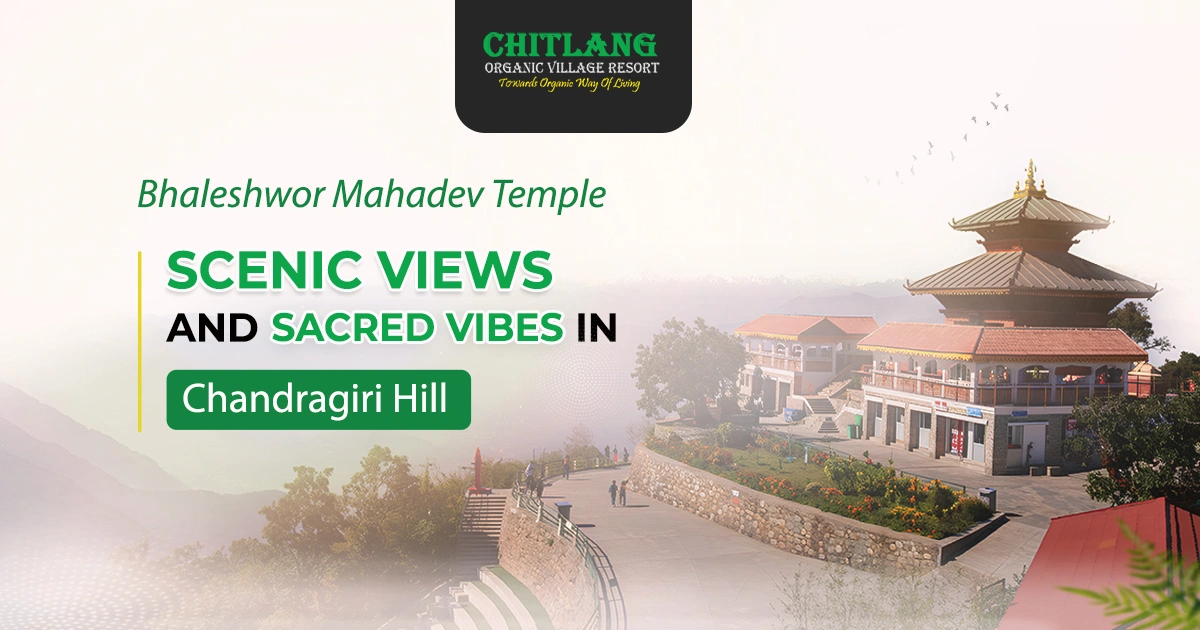
After Thankot, the road moves up to Chandragiri before continuing to Chitlang. The majority of the route is paved till approaching Chitlang, barring a few sections that may be gravel or construction sites.
2. By Public Bus
If you’re planning to travel by public vehicle, morning buses are frequent and charge fares between Rs. 100 and 200 per person. From Taukhel, you can either walk to Chitlang for nearly an hour or take a local jeep, or hire a bike for a certain charge to get there.
Once you arrive in Chitlang, Ashoka Chaitya is just a short walk from the village called Majhgaon.
Distance
You can reach there in 2.5 to 3 hours, depending on the traffic conditions.
Route
You can board a local bus heading towards Taukhel or Kulekhani from either the Machhapokhari Bus Park of Kathmandu (close to Gongabu) or the Kalanki area. These buses pass through Thankot and Pharping or follow the route of Tribhuvan Highway via Kulekhani.
Get off at Taukhel, the nearest bus stop to Chitlang, which is about 2-3 kilometers from the village center.
3. By Cable Car and Hike
If you’re planning to make the trip a bit more adventurous, you can take a cable car ride and then hike up to Chitlang. Nepalese citizens have to pay NPR 700, and foreigners need to pay Rs. 1,500.
The hike is pretty easy, with dense forests and a pretty cool descent into Chitlang. Ashoka Chaitya is just another short walk from the village once you get there.
Distance
It takes around ten minutes to take a cable car from Chandragiri Hills and return on foot downhill to Chitlang for roughly 1.5 to 2 hours of hiking.
Route
Drive or take a bus from Kathmandu to the Chandragiri Cable Car base station (approximately 15 kilometers from Kathmandu, near Thankot).
The cable car ascends to the Chandragiri Hilltop (2,551 meters), offering panoramic views. From there, hiking down is towards Chitlang.
4. By Full Hiking
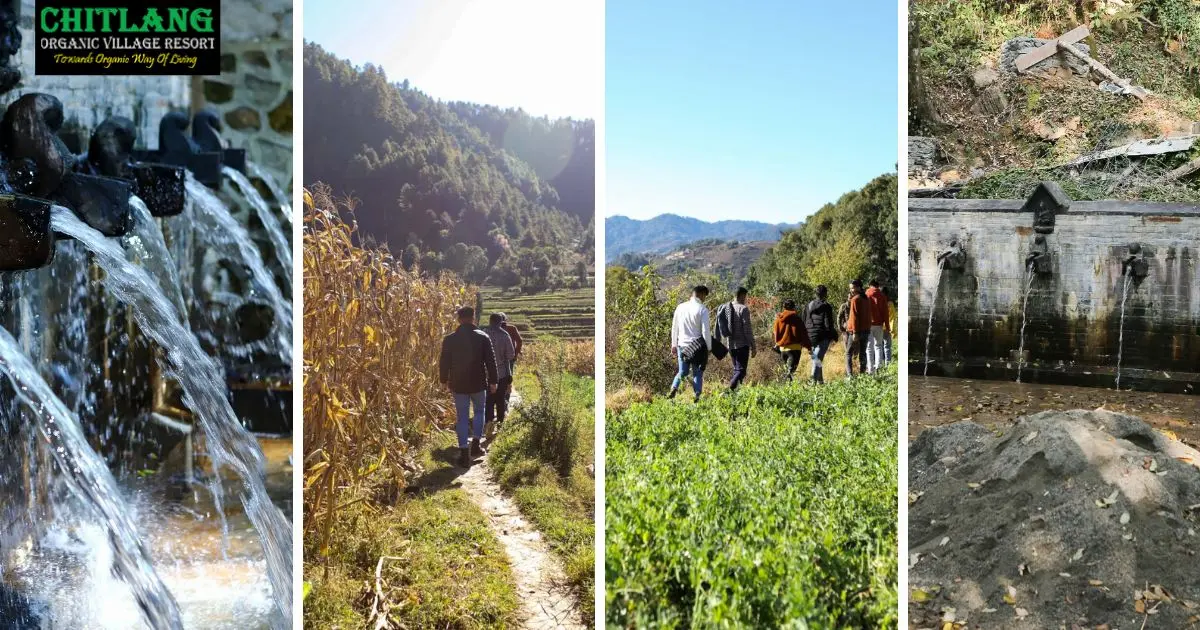
This one’s for adventurous people. The trail is well-trodden in places, passing through subtropical forests and rural settlements. Do not forget to prepare accordingly and bring water and snacks with you, as very little will be available. When you reach Chitlang, head toward Majhgaon to find the Ashoka Chaitya.
Distance and Time
The trek from Thankot to Chitlang is about 12-15 kilometers and requires 4-6 hours, depending on your pace.
Route
You can start the trek from Thankot, which is a short drive or bus ride from Kathmandu, and follow the trail through Chandragiri Pass toward Chitlang. This age-old route was once a part of the “walking highway” to southern Nepal and India.
What to expect at Ashoka Chaitya?
Once you reach the Chaitya, expect a calm and fun experience that is full of history, spirituality, and the natural beauty of the other side of Nepal. Hidden in the tiny village of Majhagaon, the environment offers a peaceful retreat, rather opposite to the bustle of the city. Here are other things that you can expect upon arrival:
1. The chaitya itself
Simple and old, the Ashoka Chaitya appears to be a stone stupa reflecting the architecture of the early Buddhists in its simplicity. Do not expect a massive monument with lavish decoration; rather, its charm relies on subtlety and history.
The stupa cannot be later than the 3rd century BCE, so it has amassed considerable wear. You can find small offerings like flowers or incense by the pilgrims, suggesting that it is still a holy site. Take time to study the stupa, the age-old Buddhist way of offering respect, and savor the peace that engulfs the area.
2. Surroundings and atmosphere
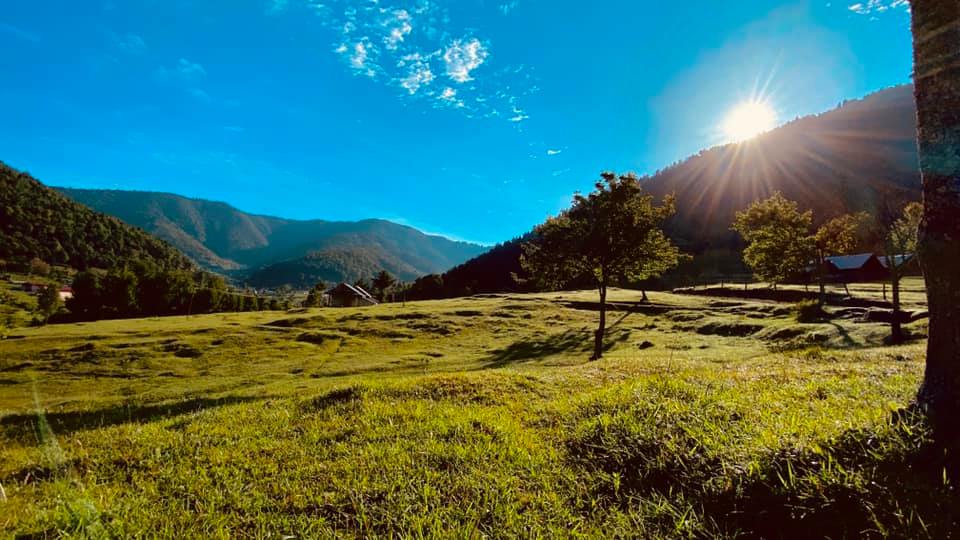
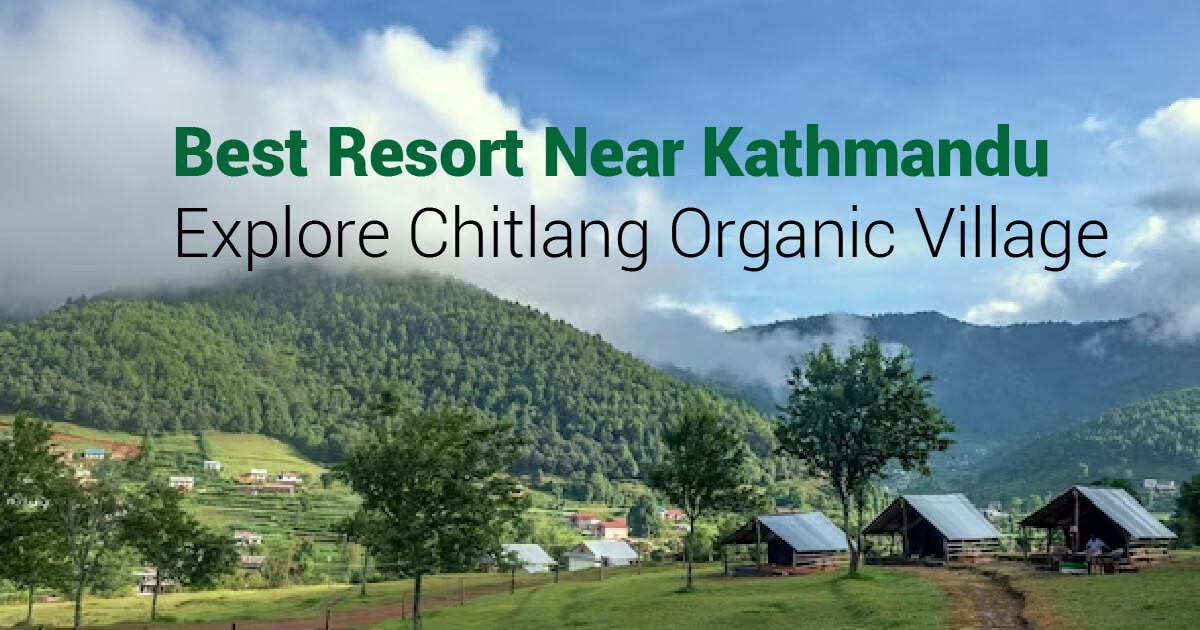
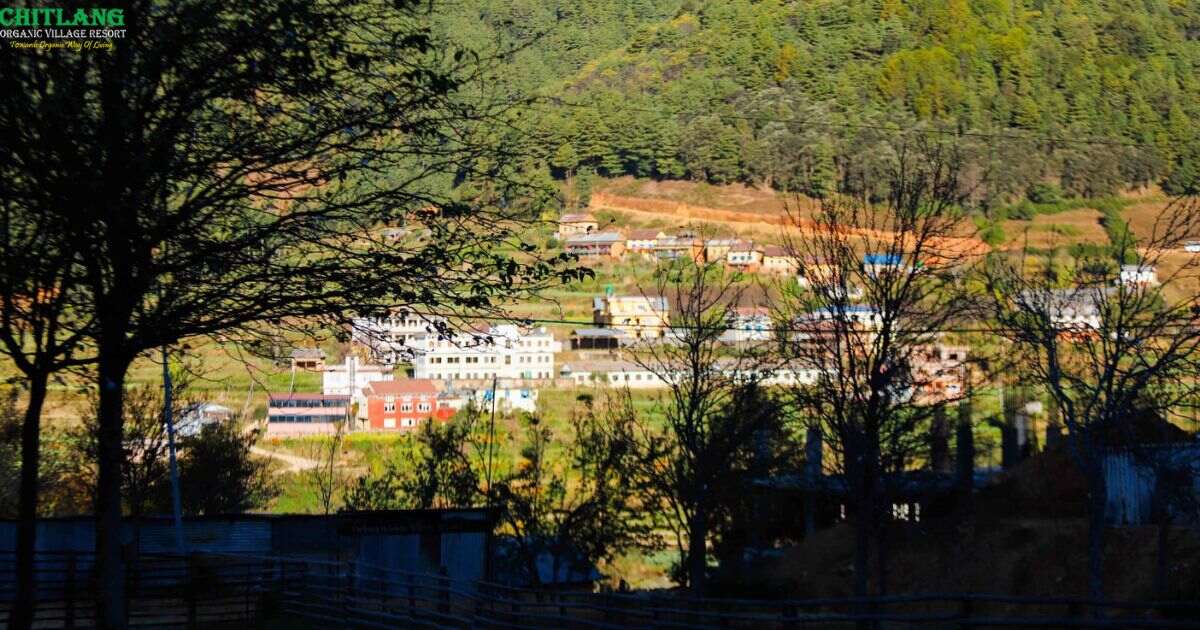
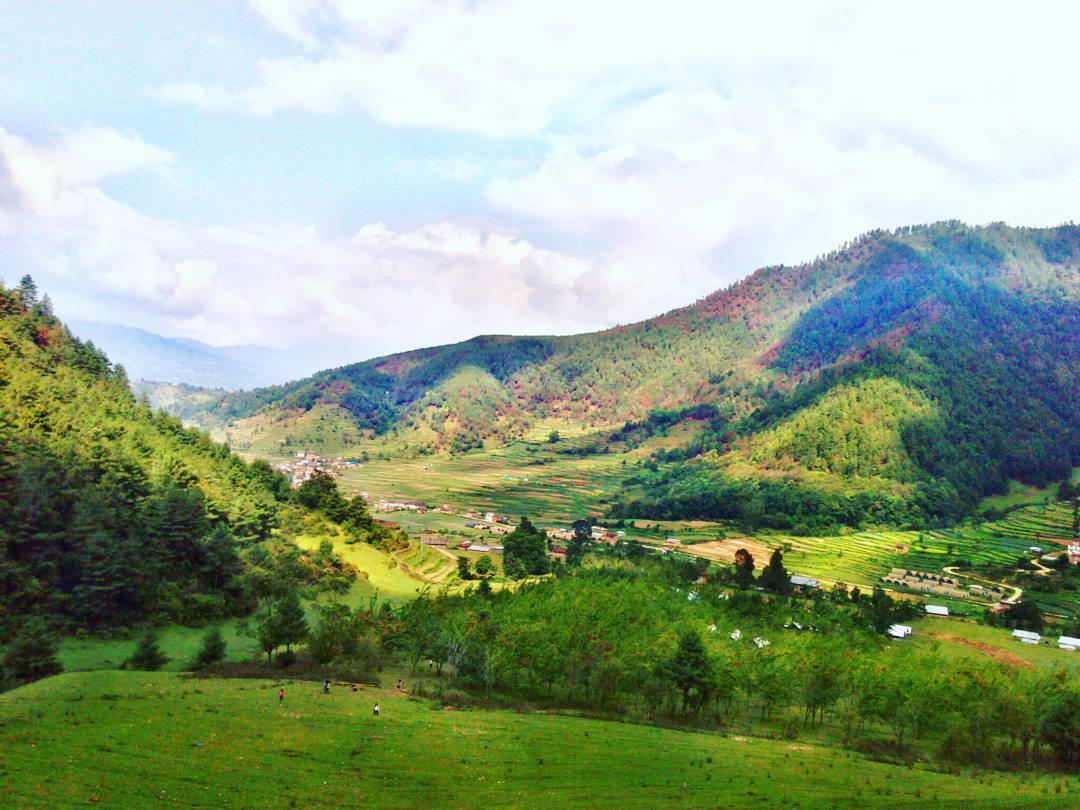
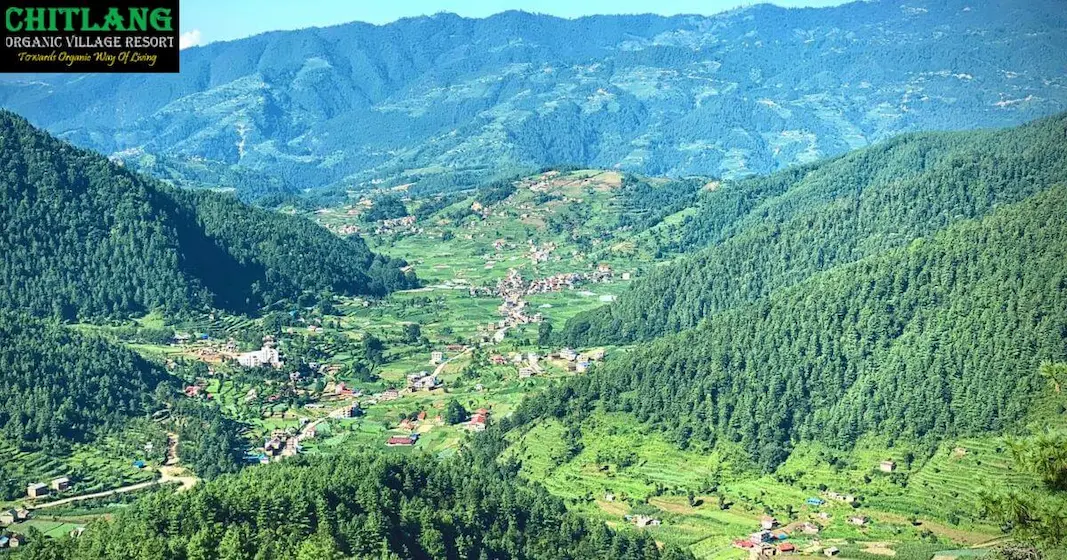
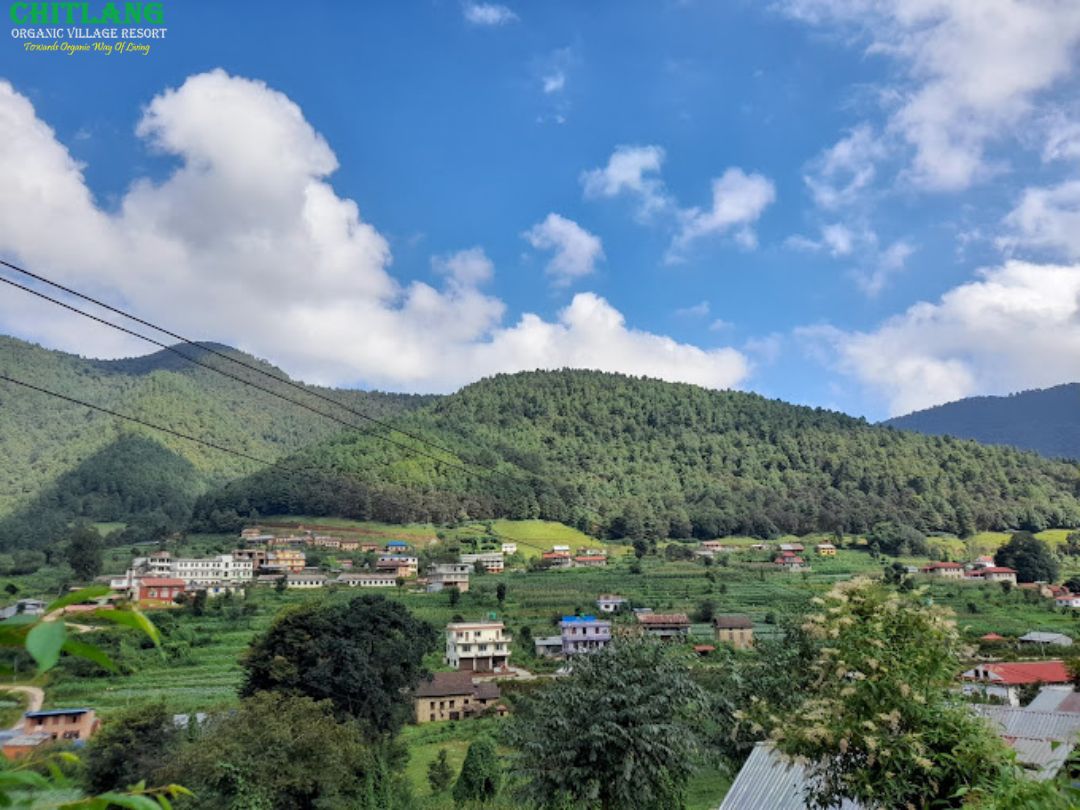
The Chaitya is located against the glorious green backdrop of Chitlang’s hills and forests, and it is a serene setting far removed from any vestige of urban life. Fresh air fills the lungs, often with the smell of pine or farmer’s chores.
In season, wildflowers might bedeck the expanse, or you could easily hear birds chirp overhead. Chances are that you would find the site empty, leaving you with ample room to ponder its link with Ashoka’s mission for the proselytization of Buddhism.
The stillness beckons for contemplation, making it the perfect spot for photography, meditation, or simply soaking in the historical weight of the place.
3. Explore village life in Chitlang
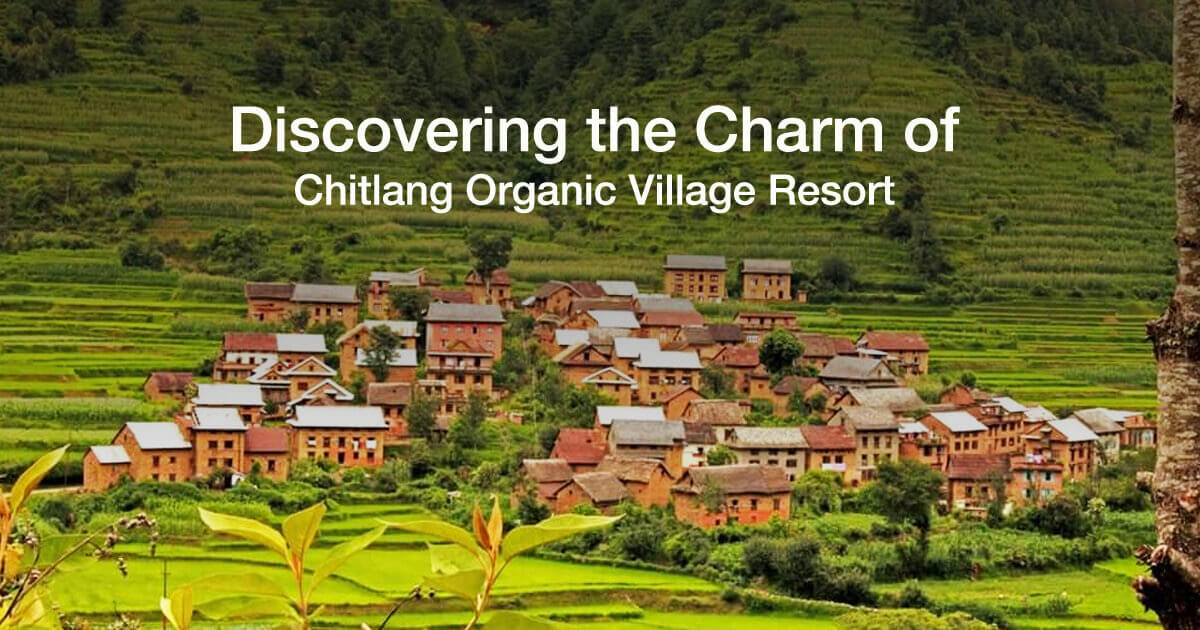
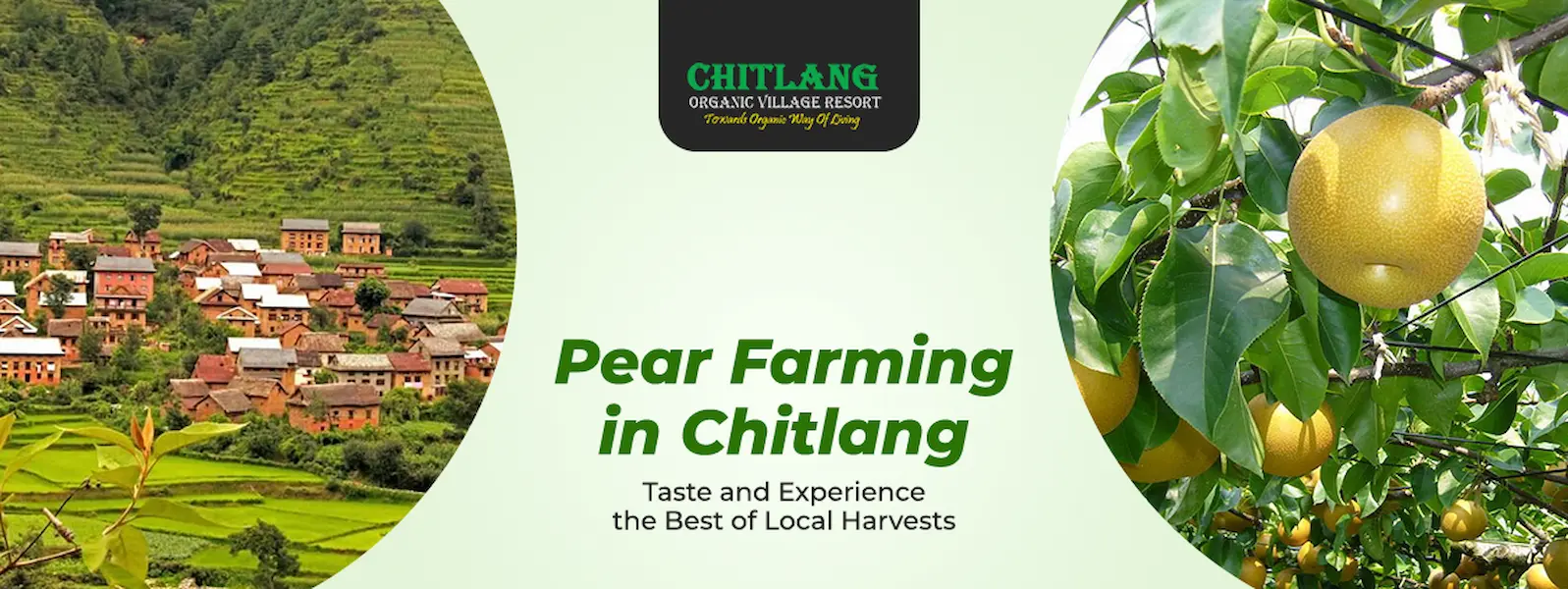
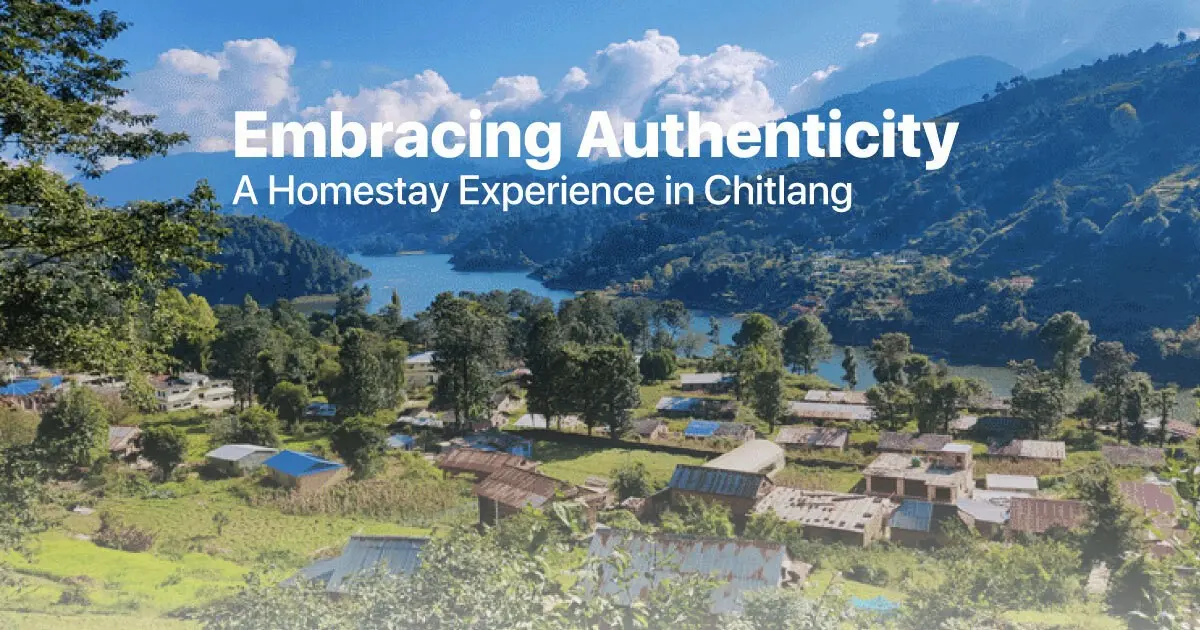
Don’t know what to do after visiting the Chaityas? Head straight for Chitlang, a beautiful village known largely for its Newari heritage and rural hospitality. Find the friendly locals already around you and learn about their daily lives, farming fields, children playing, or artisans busy crafting.
Traditional stone houses and narrow pathways give this space an old-world feel. Small tea shops or homestays might feature in the experience, where you can have a cup of chiya (Nepali tea) or find some goat cheese, a much-celebrated and dear thing of Chitlang. Life is slow and welcoming here, getting you in touch with a highly rural feel of culture in Nepal.
Conclusion
Ashoka Chaitya in Chitlang is more than just an ancient monument—it’s a peaceful gateway into Nepal’s spiritual and cultural past. Surrounded by nature and serenity, it offers a unique blend of history, spirituality, and scenic beauty.
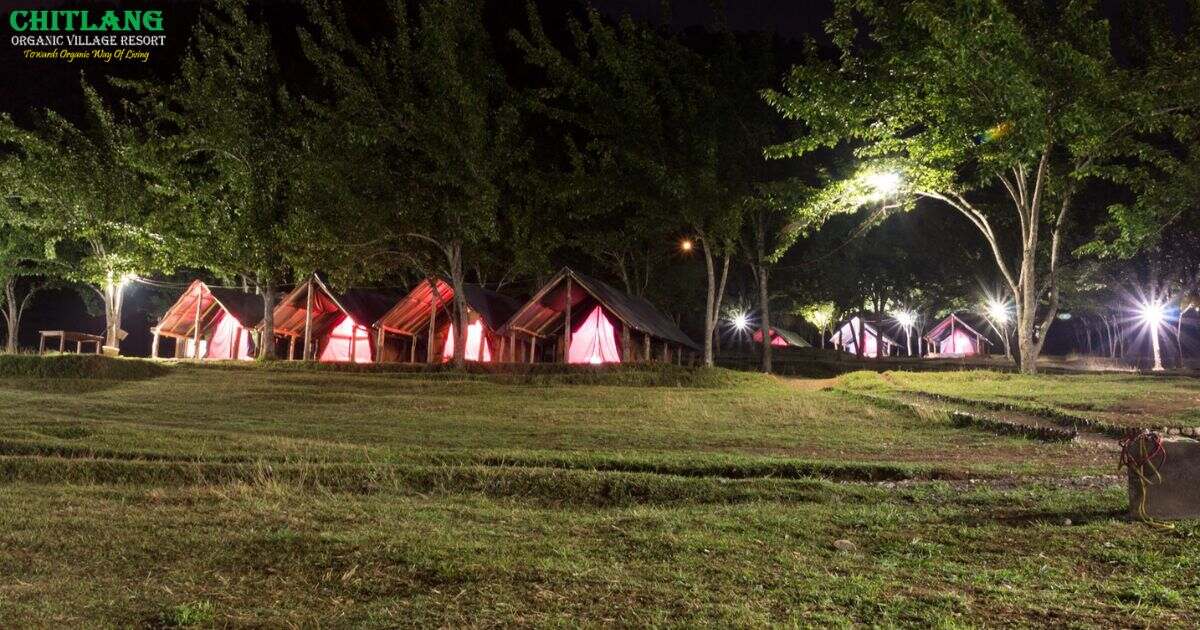
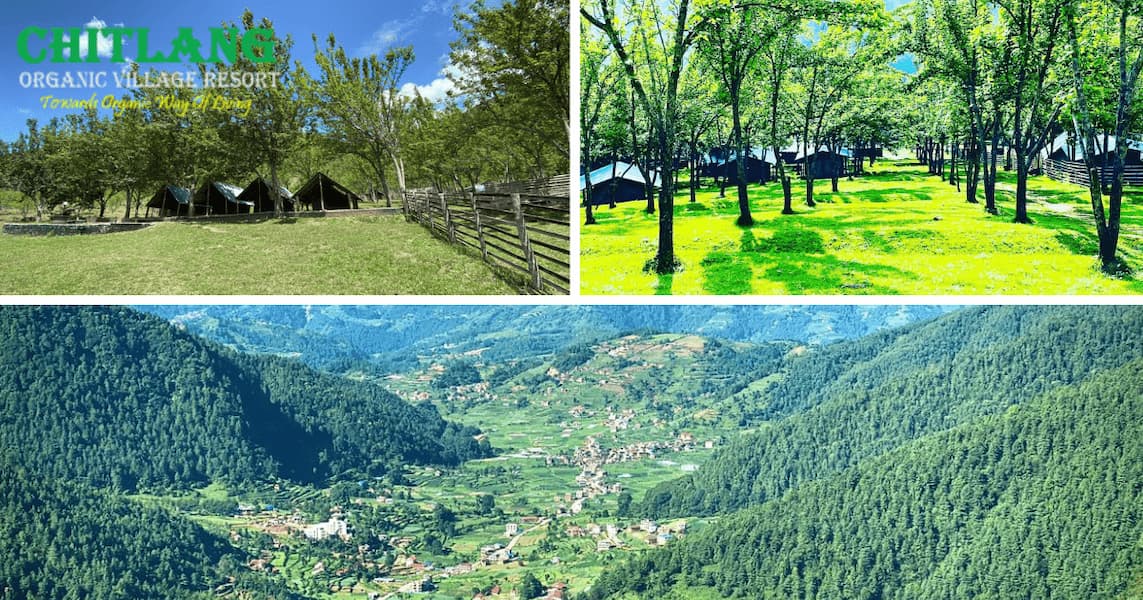
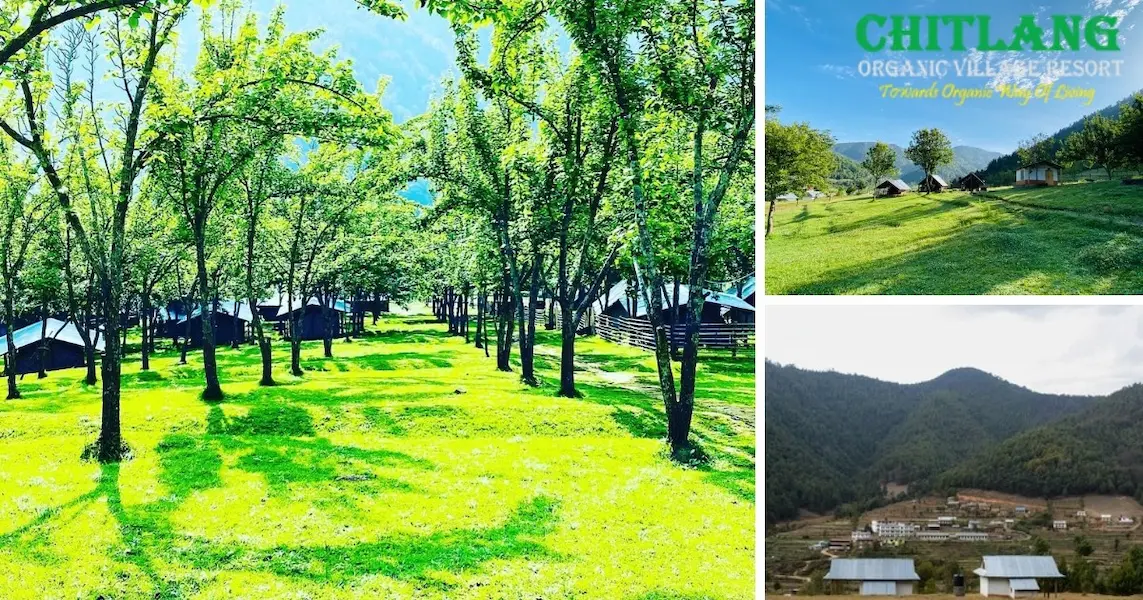
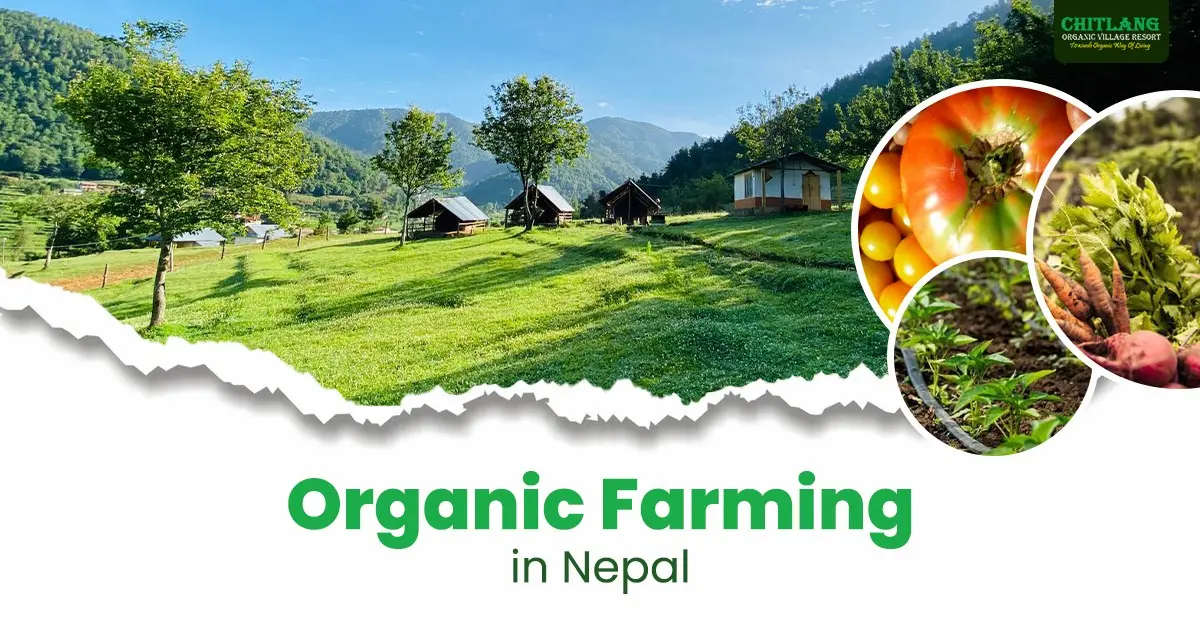
After soaking in the calm energy of the Chaitya, make your visit even more memorable by staying at the nearby Chitlang Organic Village Resort. Nestled in the heart of nature, it’s the perfect spot to relax, enjoy local flavors, and experience authentic village hospitality.
FAQs
1. What facilities are available near the Chaitya?
Ans: Facilities surrounding the Chaitya are minimal, with no large visitor centers, restrooms, or food stalls directly at the site. Water, snacks, and sun protection should be brought, as shade may be limited.
2. How crowded is the Chaitya area?
Ans: Unlike other tourist spots, the Chaitya receives a few visitors, enhancing that private and unhurried experience. You would find a few biennial pilgrims or fellow travelers, but isolation is common.