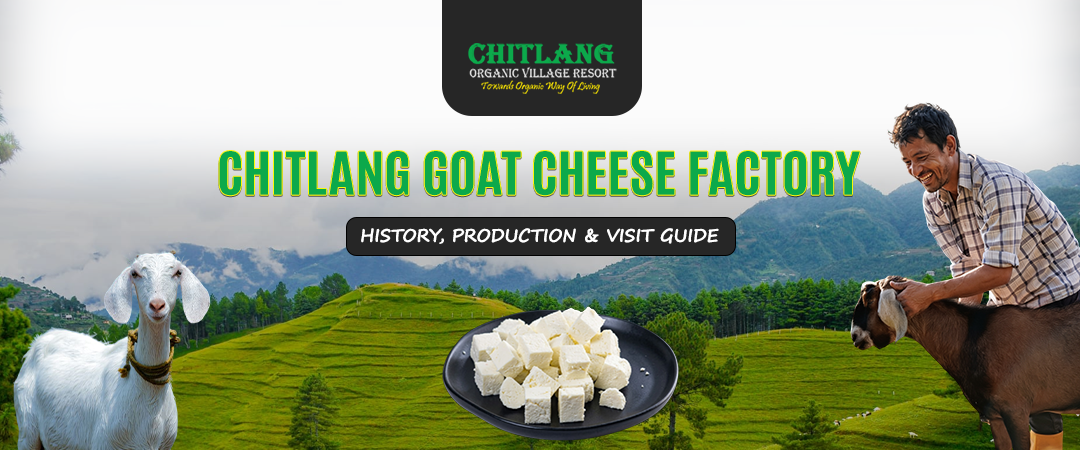
Just a few hours from Kathmandu, the hill village of Chitlang has an unusual attraction: a factory that makes cheese from goat milk. In Nepal, goats are commonly raised for meat, so turning their milk into cheese was a new idea for many local households.
The Chitlang Goat Cheese Factory grew from a project that brought French cheesemaking knowledge to Nepal and helped local farmers explore a new source of income. Today, it is one of the village’s best-known attractions and an interesting stop for visitors who want to learn about local food and village life.
This guide covers the factory’s history, the cheesemaking process, its role in the community, and what to know before visiting. It also explains how to include the factory in a relaxed Chitlang tour.
Why Does a Cheese Factory Exist in a Nepali Hill Village?
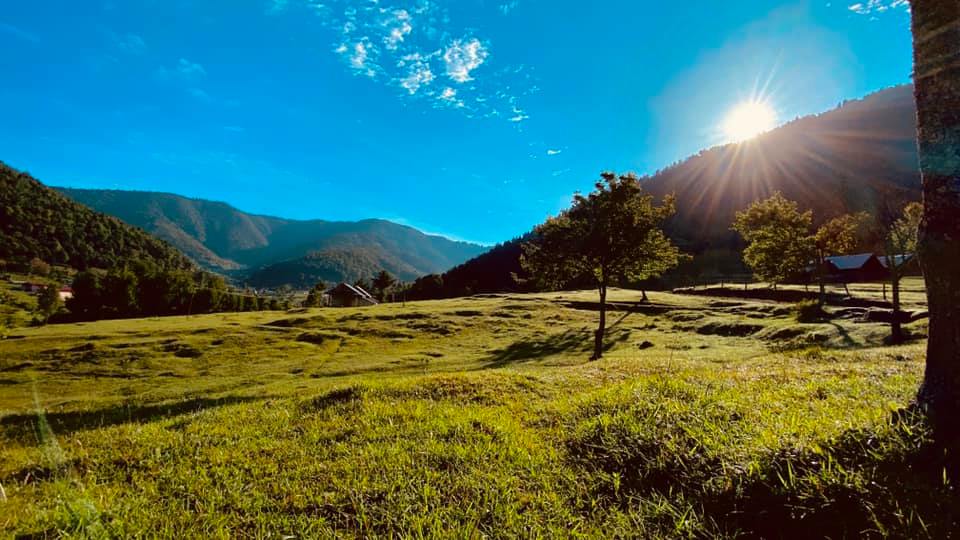
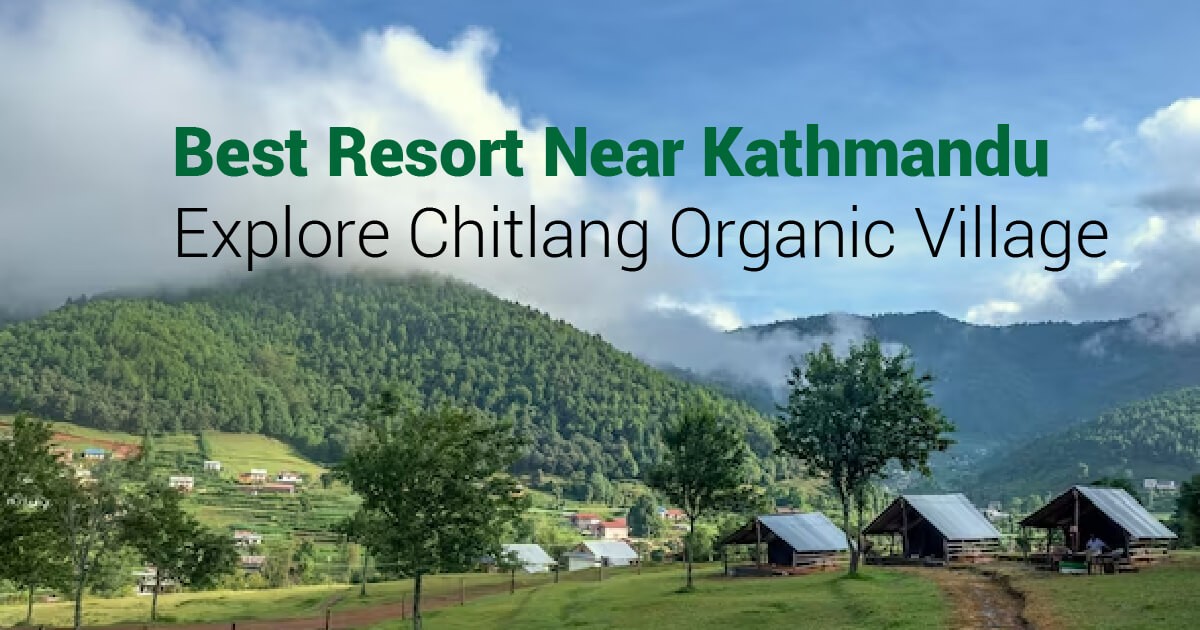
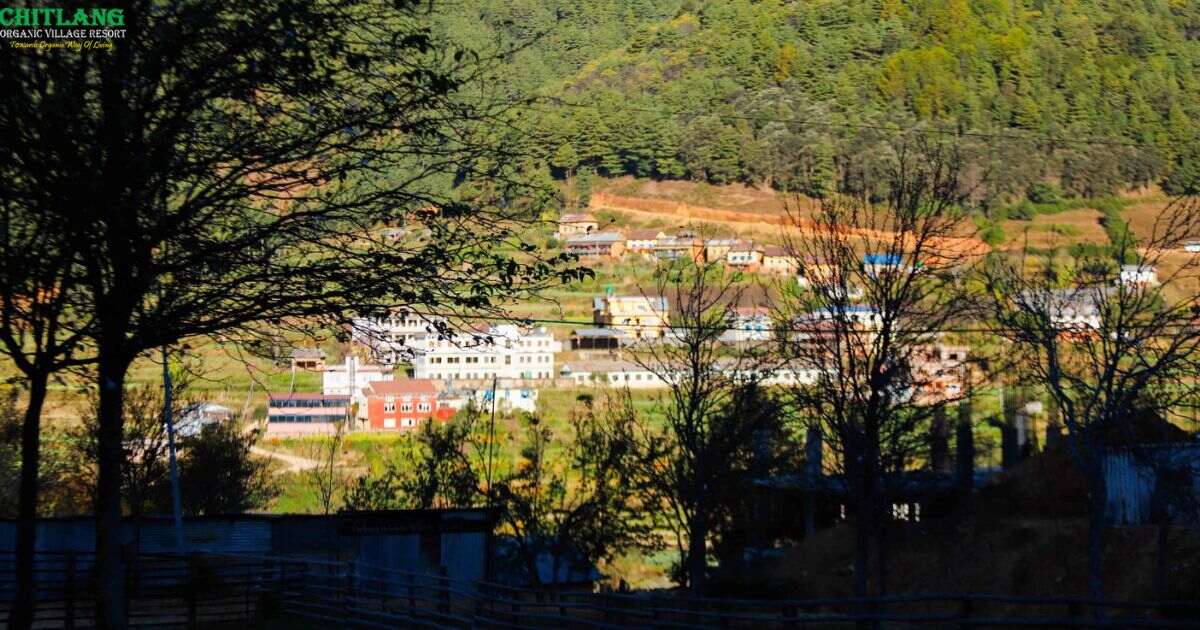
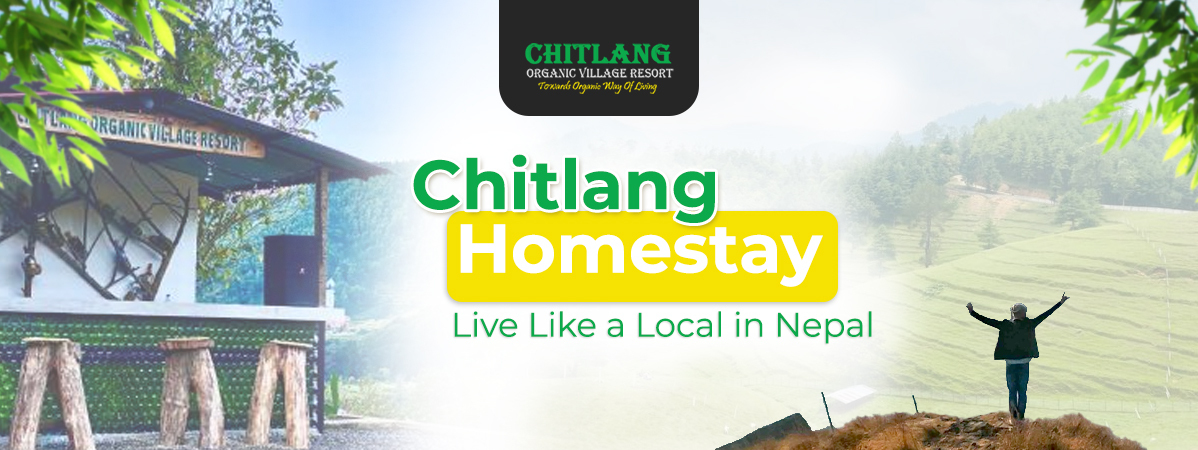
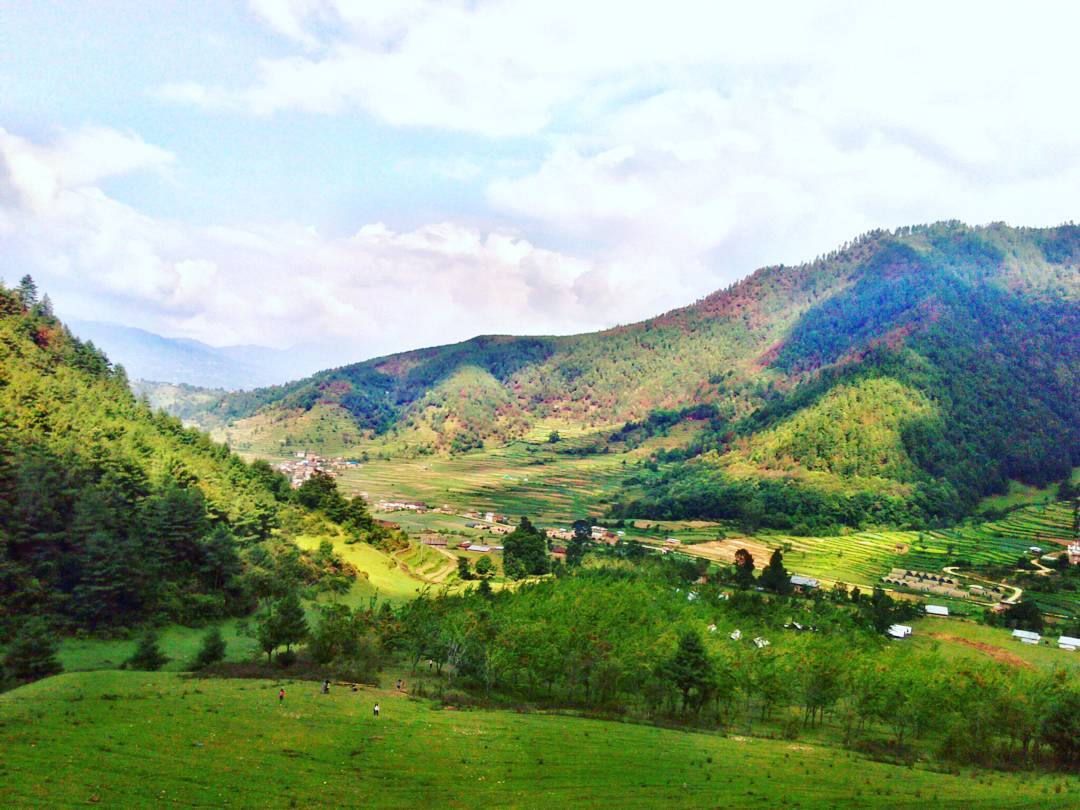
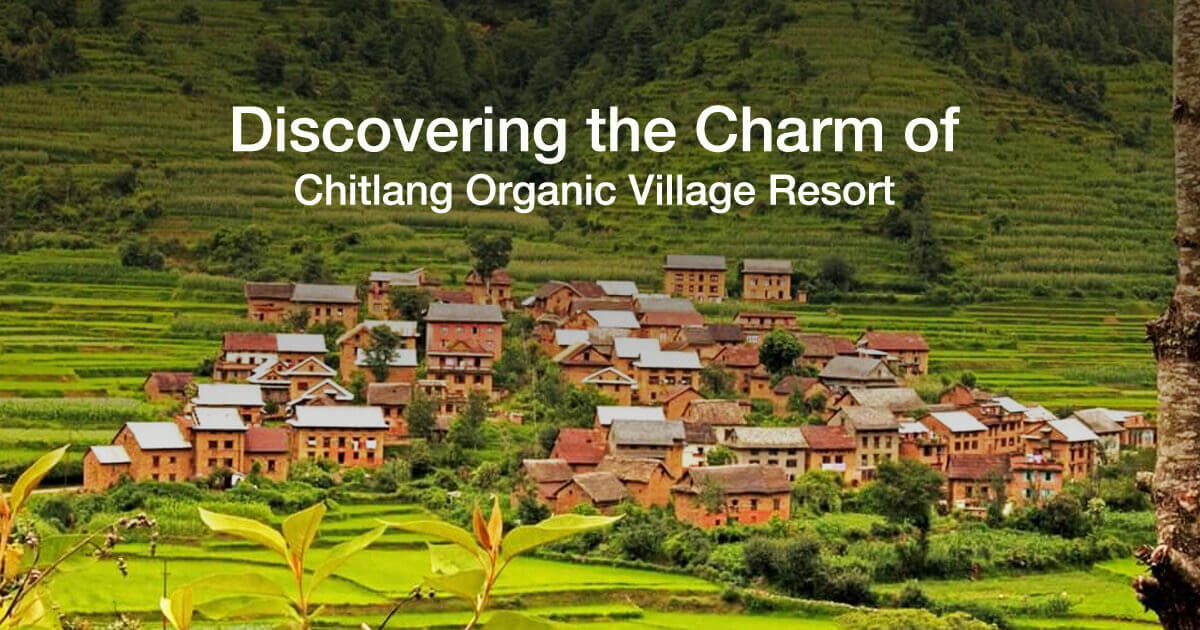
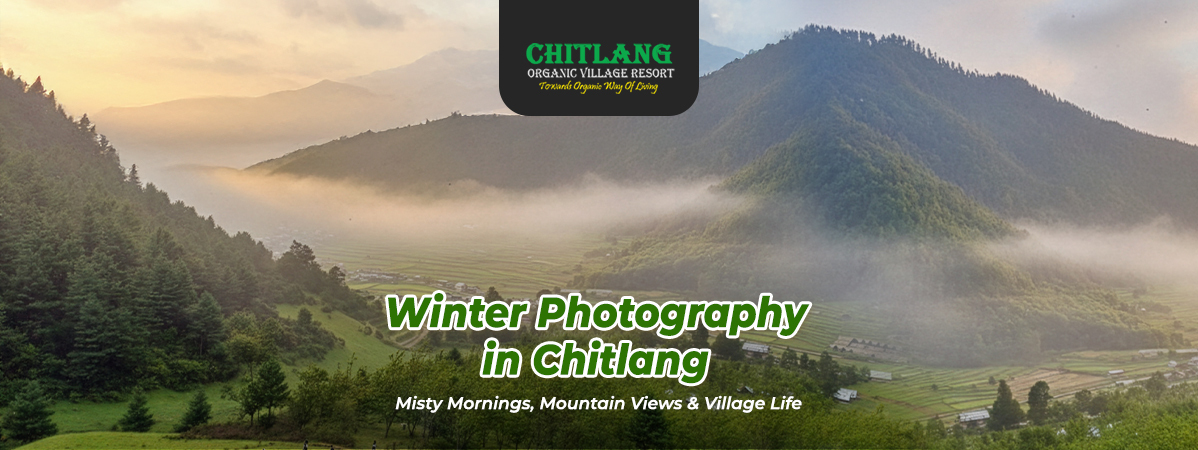
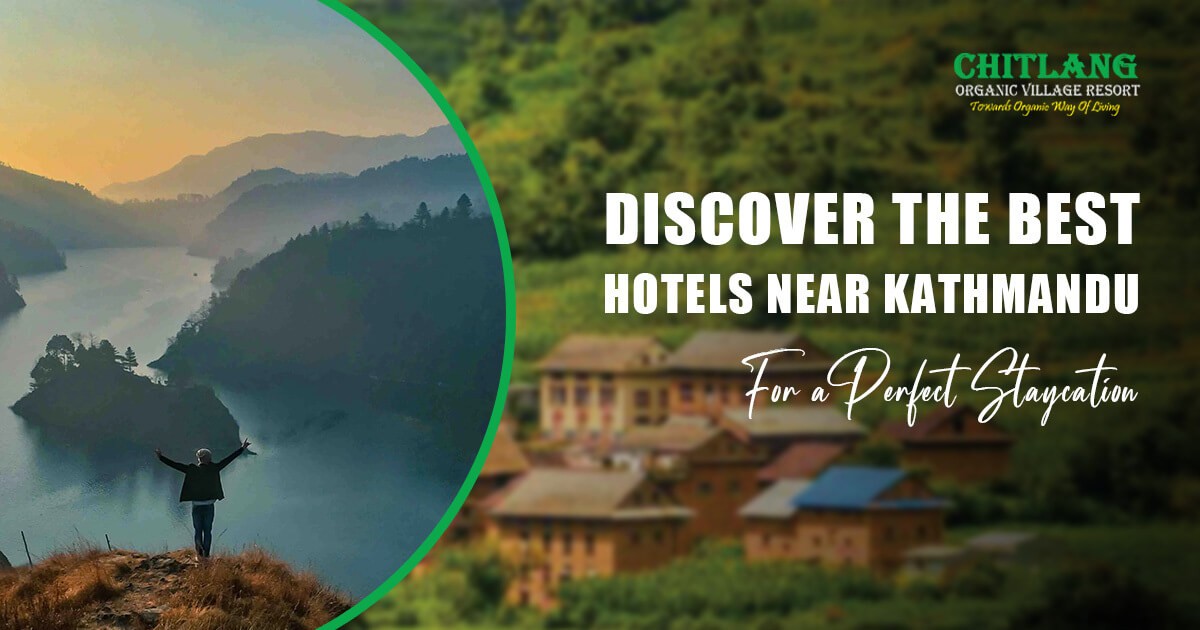
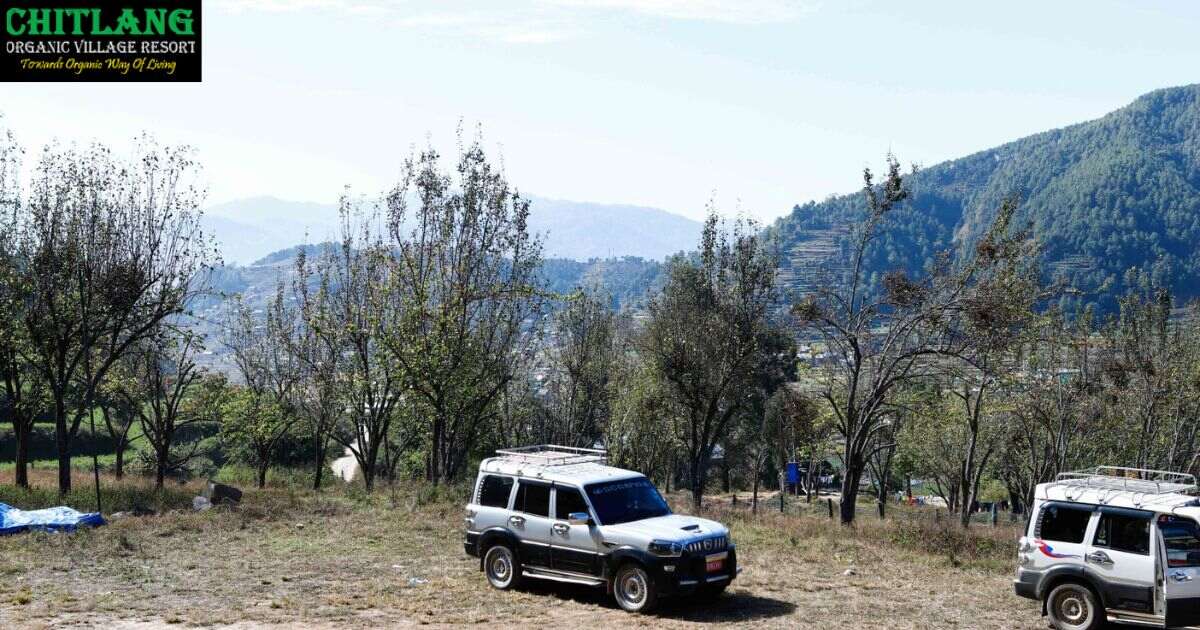
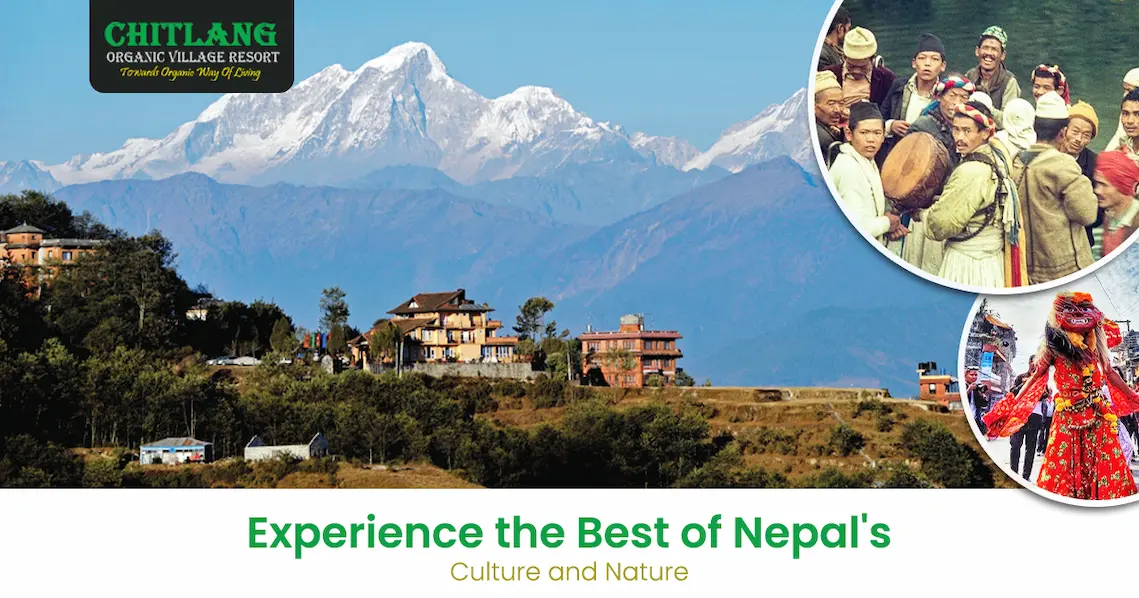
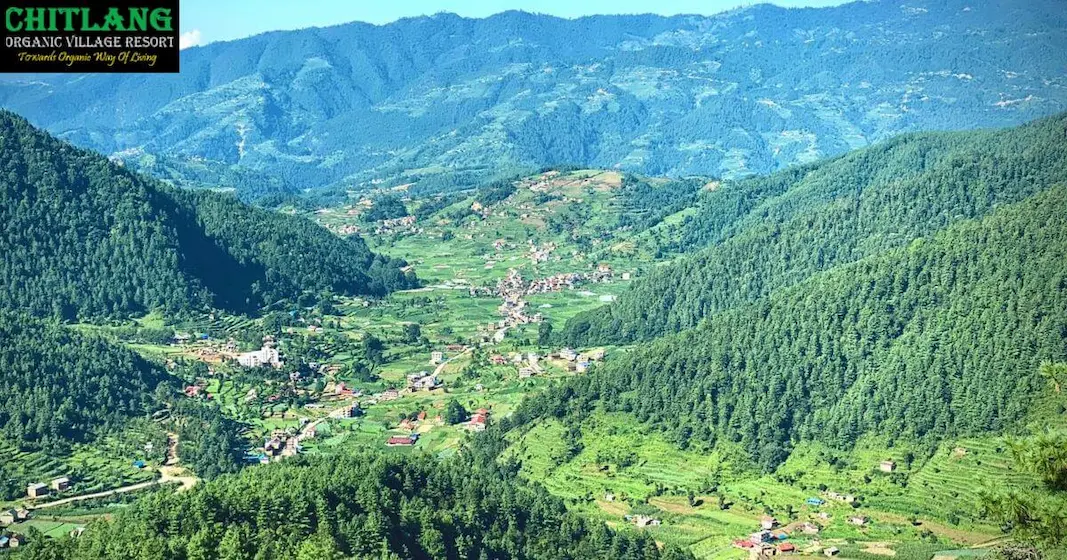
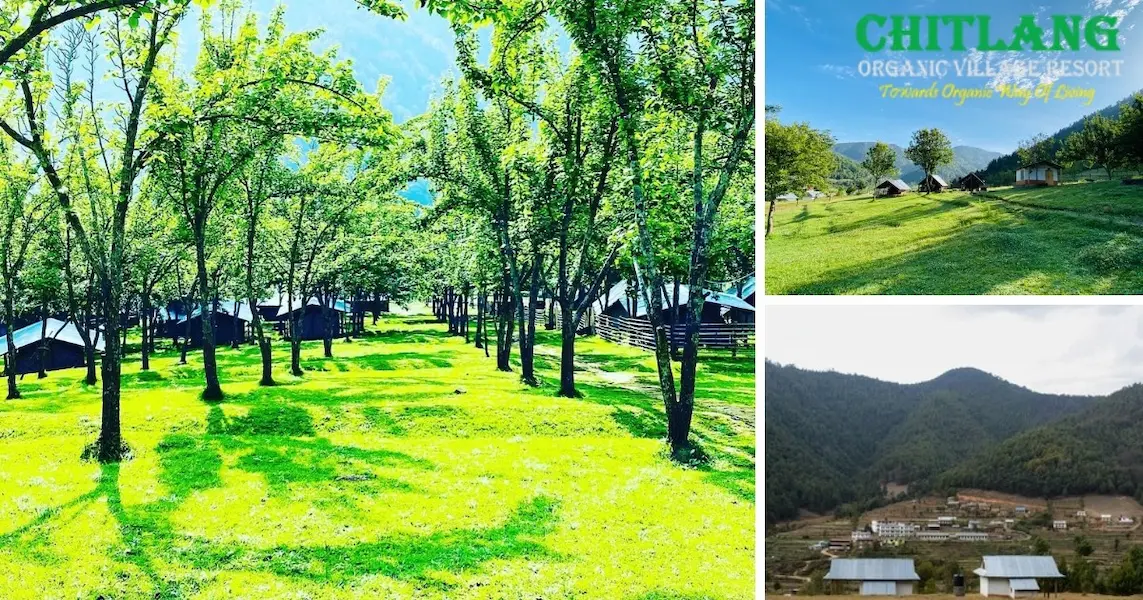
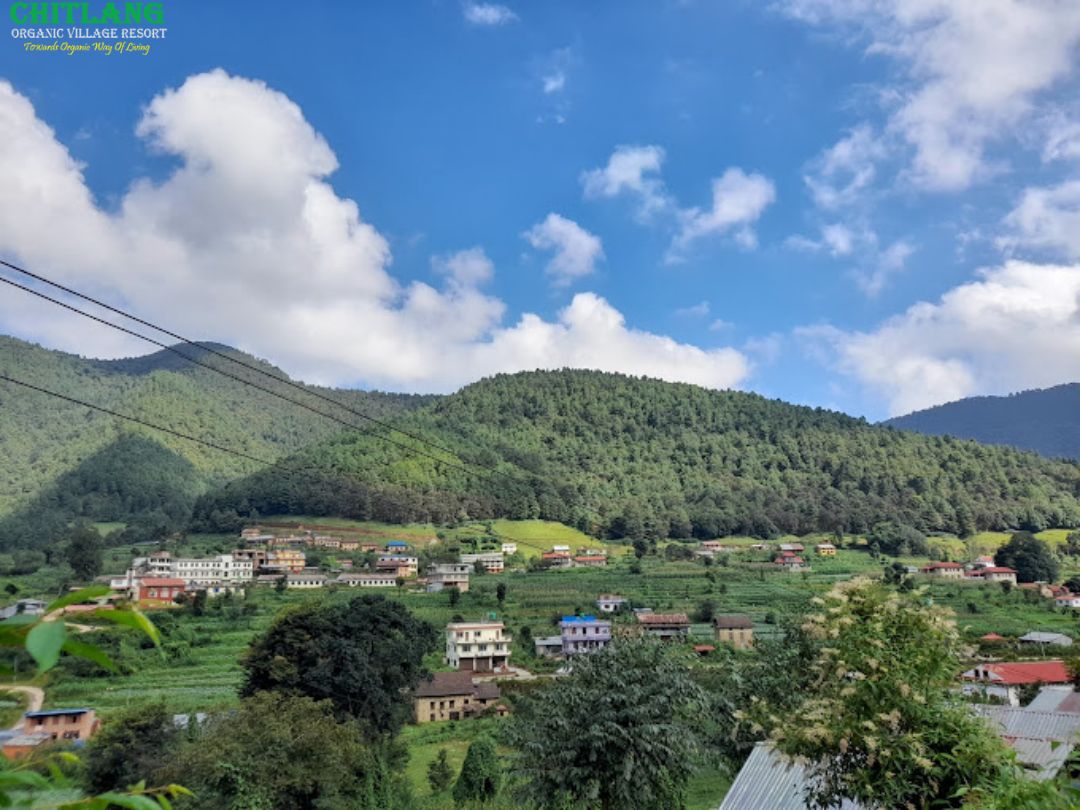
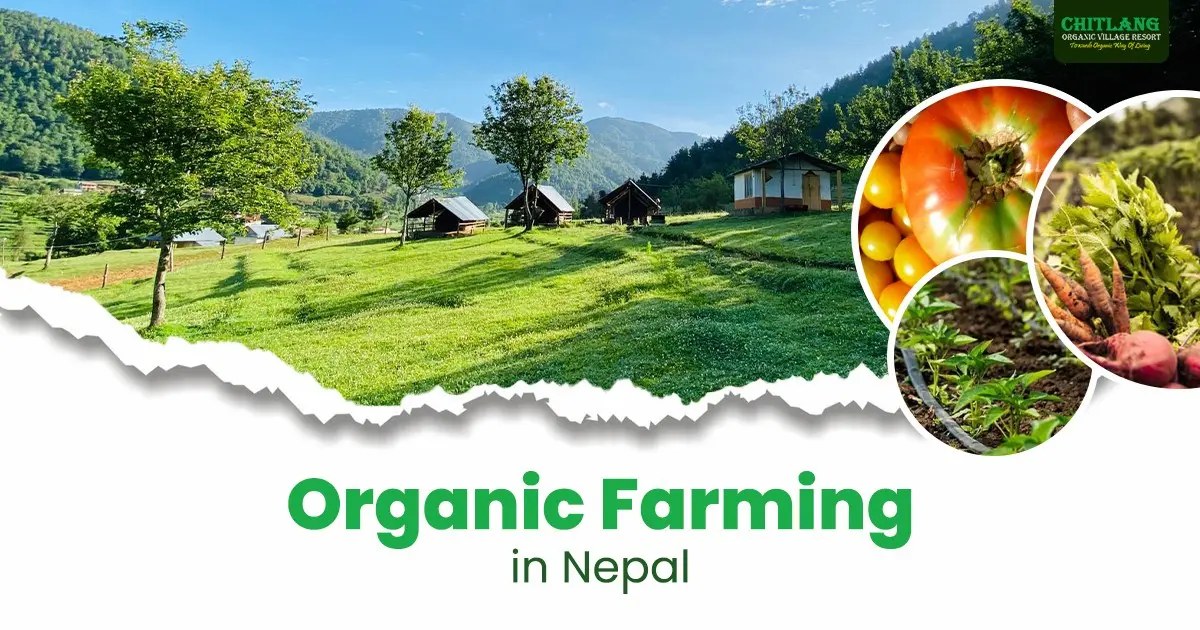
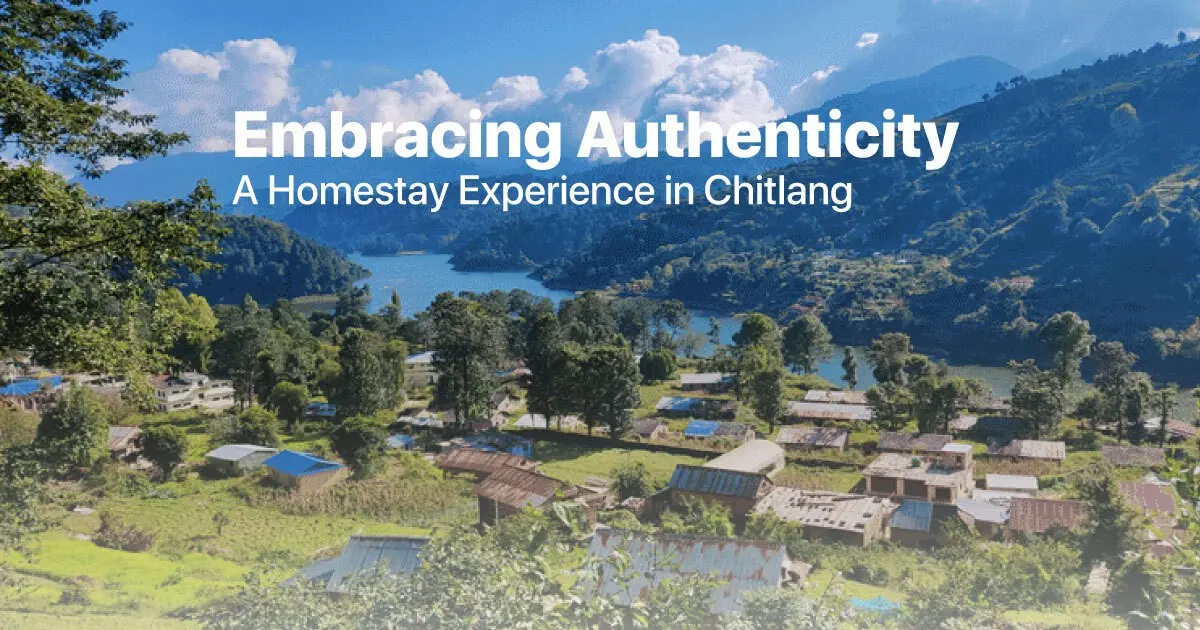
Chitlang lies in Makawanpur district, at an elevation of around 1,833 metres. Located roughly 22 to 27 km south of Kathmandu, depending on the route, it is known for its historic Newar settlement, green hills, farms and traditional village atmosphere.
For many local households, farming was once mainly a way to meet everyday needs. Finding an additional source of income was not easy. Goat-milk cheese offered a different opportunity by giving farmers a reason to raise goats for milk rather than mainly for meat.
The Chitlang Goat Cheese Factory is one of the village’s most distinctive stories because it connects farming, food production, and tourism. It also shows how an idea introduced from outside Nepal can develop through local effort.
Few visitors expect to find a Chitlang Goat Cheese Factory in a traditional Newar village surrounded by hills and farmland. That contrast is part of what makes the place worth exploring.
A Short History
The story began in the late 1990s, when French agriculture teachers Gerard and Josette Denis introduced the idea of making cheese from goat milk in rural Nepal. Their work helped local farmers explore a product that was not common in the area.
With support from a French-backed rural development initiative, local people received guidance on goat farming and cheese production. Ashok Kumar Singh Thakuri later travelled to France to learn cheesemaking before returning to Nepal to develop the business with his wife, Rita.
Reports place the factory’s establishment in the early 2000s, with several accounts pointing to around 2003 or 2004. A cooperative involving 25 farmers was part of the early effort. Over time, the cooperative ended, and the owners continued building the business independently. The Onlinekhabar report on the factory’s history provides further background on this journey.
The story of the Chitlang Goat Cheese Factory is as much about people as it is about cheese. It reflects the effort involved in learning a new skill, gaining customers, and turning a small farming idea into a local business.
Its reputation as Nepal’s first goat cheese factory has made the Chitlang Goat Cheese Factory a local landmark. It is also an example of how outside knowledge and local commitment can help create a new village industry.
From Goat Milk to Cheese: How It’s Made
Goat milk is the starting point of the factory’s work. Reports describe milk coming from the owners’ goat farm as well as local farmers. Swiss Saanen goats, including crossbreeds, have been introduced to help improve milk production.
Raising goats for milk was a new practice for many people in the area. Milk is an important ingredient for the production of cheese, which makes it essential to have a constant supply of milk.
The Chitlang Goat Cheese Factory is associated mainly with two varieties: soft cheese and hard cheese. These differ in texture, preparation, and storage time.
An Onlinekhabar feature reported that soft cheese could be stored in a refrigerator for about two months, while hard cheese could keep for around two years. Storage life varies according to the nature of the product and handling conditions.
Understanding the cheesemaking process
The procedure may be different depending on the type of cheese, but the overall procedure involves certain steps.
- Preparing the milk: The milk undergoes processing after collection and testing. The milk is normally pasteurized in order to minimize dangerous microorganisms.
- Forming curds: The addition of starter culture and a setting agent is done to assist in separating the milk into curd (solid) and whey (liquid).
- Draining the whey: Curds and whey are separated. This gives an idea about the moisture content and texture of the cheese.
- Shaping and pressing: Depending on the type, curds can be put in molds and pressed to extract extra moisture.
- Salting and ageing: Salt enhances taste as well as preserves the food. Some cheese types are available immediately, but others take longer to mature and develop taste.
This is a general description of the cheese-making process and does not guarantee that all steps were actually followed at the factory. A visit is the best way to learn about the actual methods followed there.
What makes the Chitlang Goat Cheese Factory special is its use of goat milk in a hill village with a strong farming tradition. Its small-scale production also gives visitors a chance to learn about a local specialty rather than seeing only a finished product on a shop shelf.
What It Means for the Village
The early cooperative involved 25 farmers, many of them women. Accounts of the project describe farmers receiving goats and learning how to supply milk for cheese production.
This created a new reason for local households to raise dairy goats. Instead of relying only on traditional farming, participating farmers could earn money from a product with a specific buyer.
Chitlang Goat Cheese Factory contributed to the creation of another source of income in a place where agriculture itself was challenging. It also encouraged people to consider new agricultural skills and ways to use local resources.
The factory gradually became an attraction for visitors, students, and people interested in food production. As more travellers began including it in their village visits, the Chitlang Goat Cheese Factory helped put Chitlang on the tourism map.
Its story is a reminder that a local business can support both the people who produce its ingredients and the wider community that welcomes visitors.
Visiting the Chitlang Goat Cheese Factory
A visit offers more than a chance to see cheese. This provides you with the chance to learn about how a small food business runs and how goat farming is related to the local economy.
As per the published report, people are required to remove their shoes and wear protective gear, which includes a cap and gown, before entering the processing area. This ensures hygiene in an area where food is being processed. The actual requirement may be different, so please follow the instructions of the staff.
Before setting out, contact a local host or guide to confirm opening times, tour availability, and any visitor fees. These details are not consistently documented online and may change.
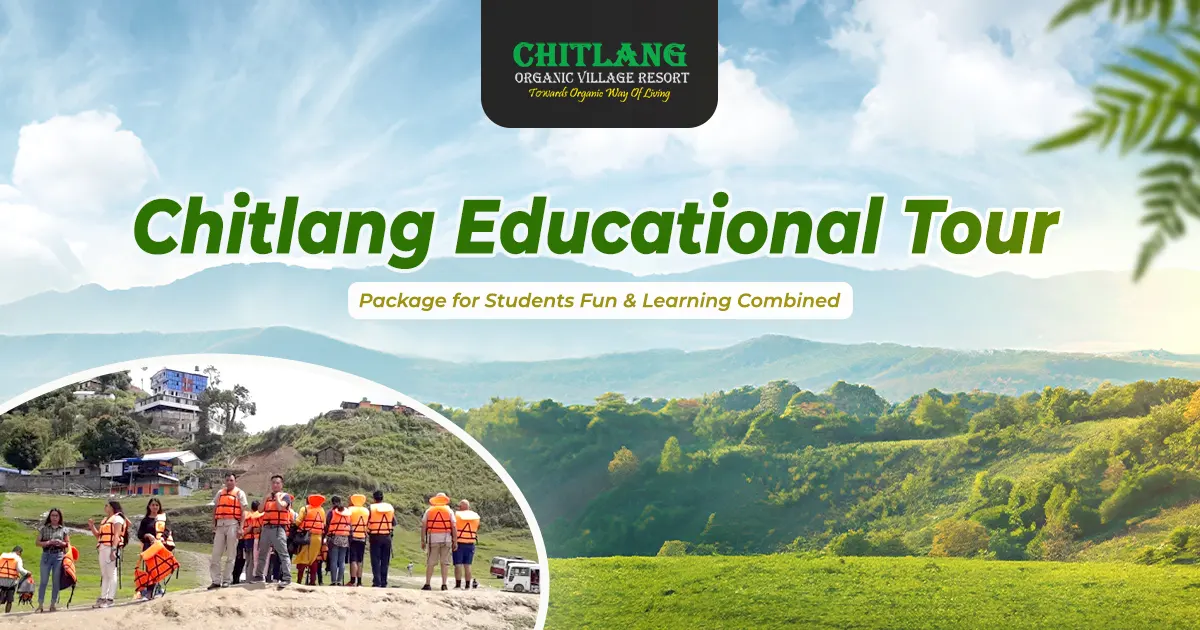
The tour would be suitable for families, schools, food enthusiasts, and tourists. The tour would be particularly fascinating to students since it will link agriculture, food science, and business.
A visit to the Chitlang Goat Cheese Factory works best as part of a wider day trip or weekend stay. You can learn about production, explore the village, and spend time around the surrounding farms and hills.
One important tip is to follow every hygiene rule at the Chitlang Goat Cheese Factory. Make use of the protective equipment provided, and do not handle any of the equipment without the permission of the staff.
Going with a local guide can also make the experience more useful. A guide may help explain the village’s history, introduce nearby attractions, and coordinate your visit with other stops.
Make It Part of a Bigger Chitlang Trip
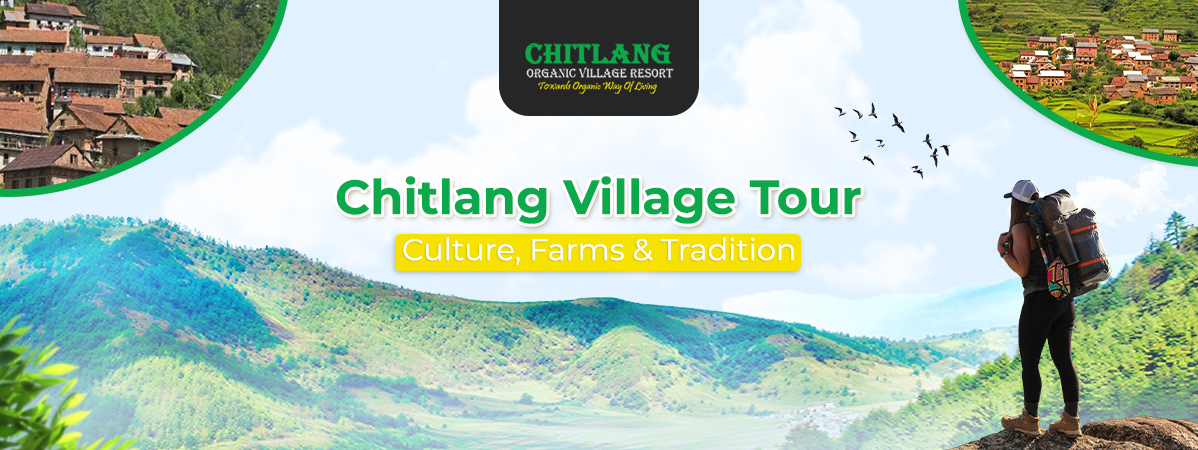
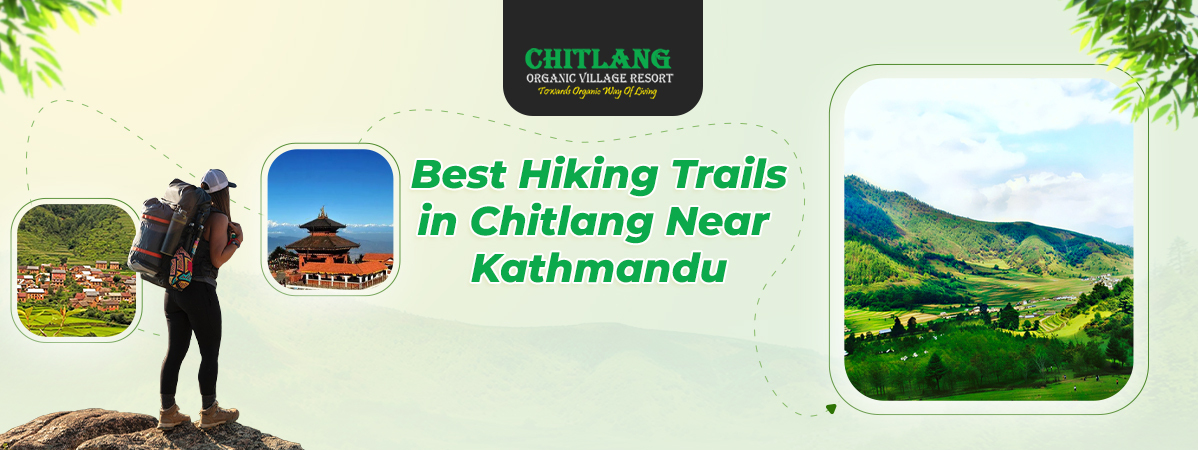
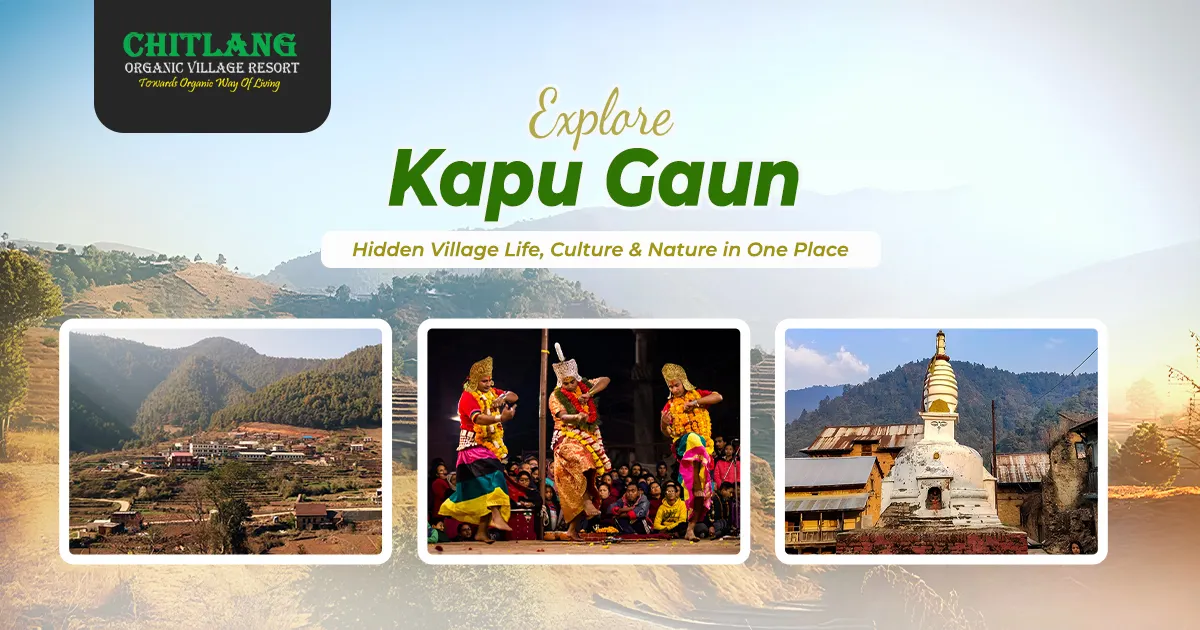
The cheese factory is only one part of Chitlang’s appeal. The village also has farms, religious sites, walking routes, and traditional settlements that are worth exploring at a relaxed pace.
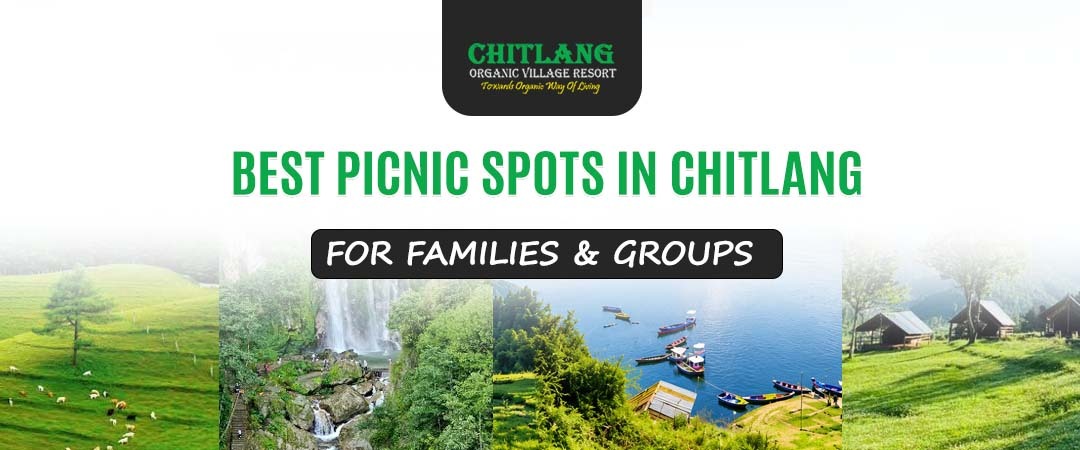
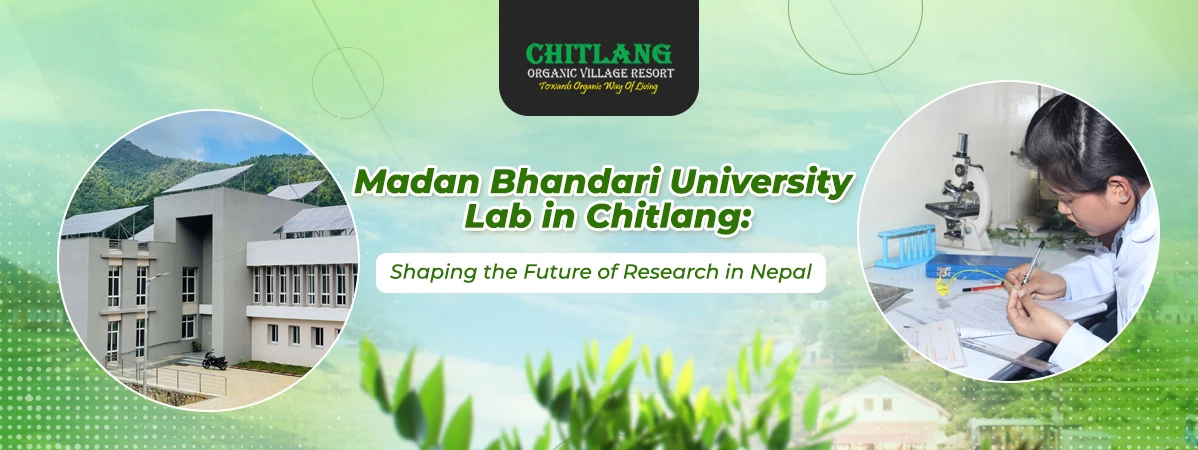
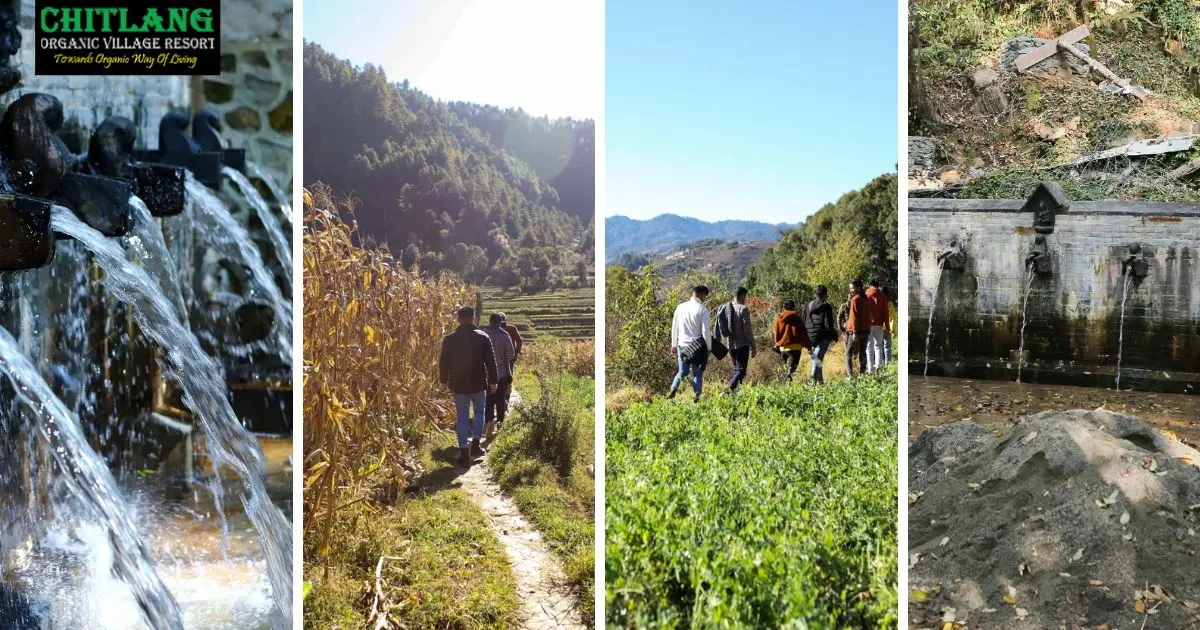
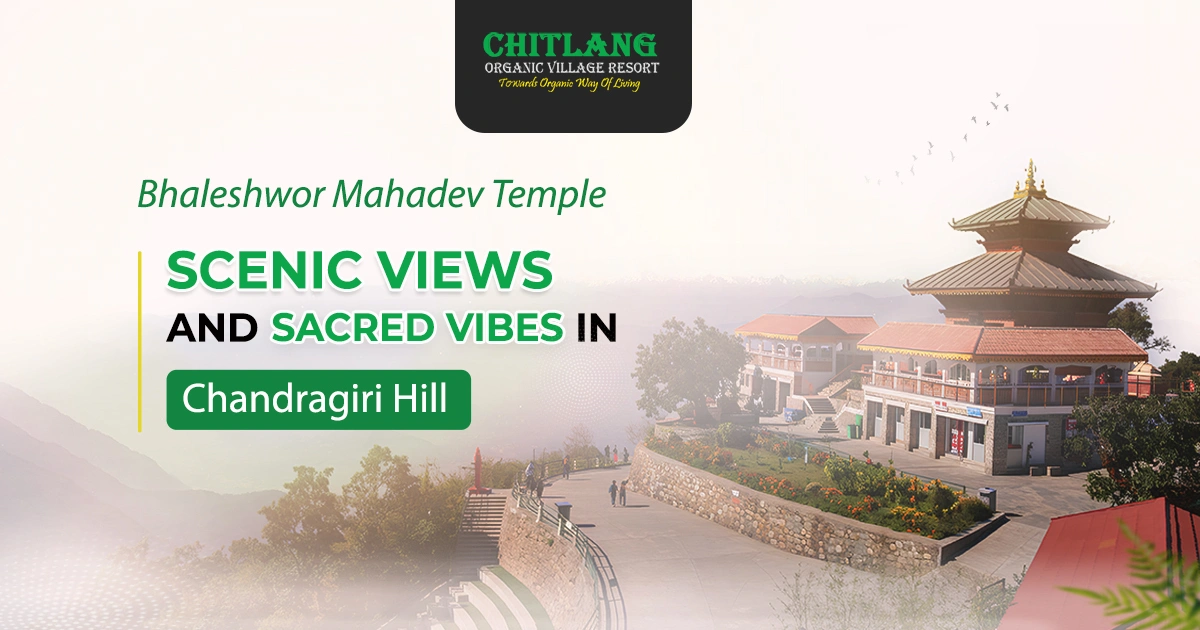
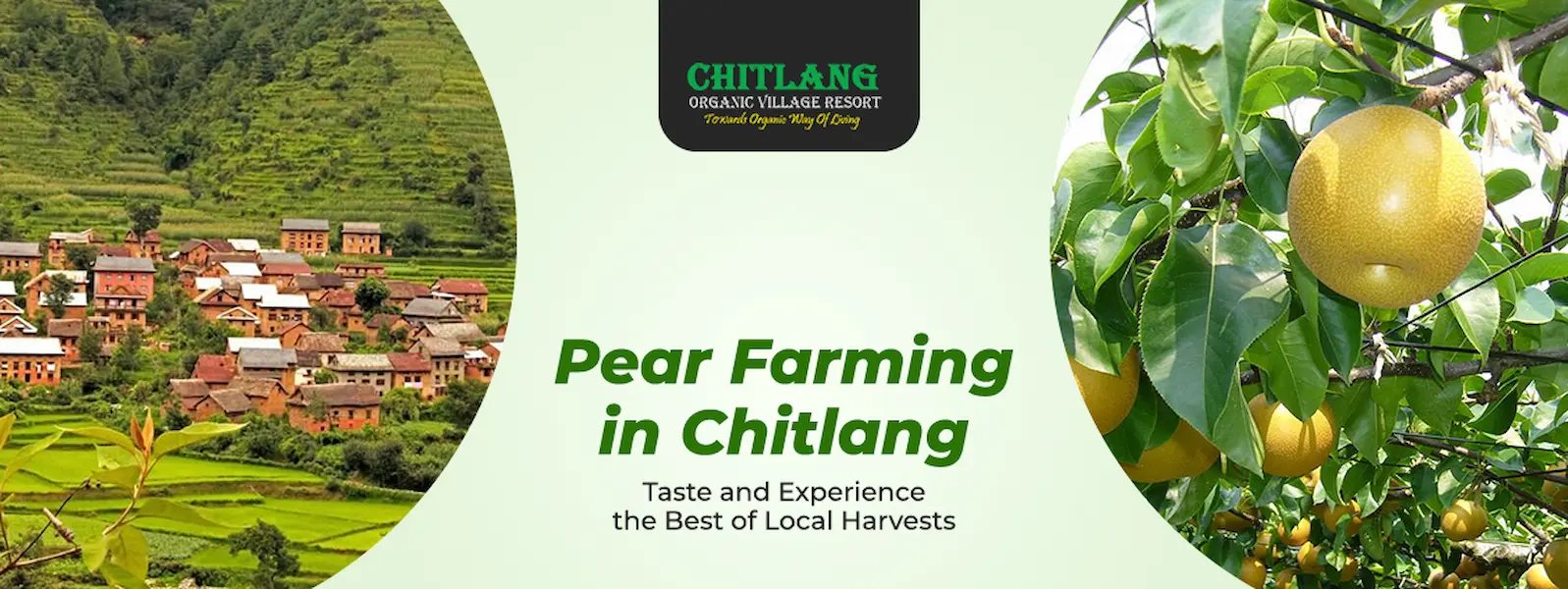
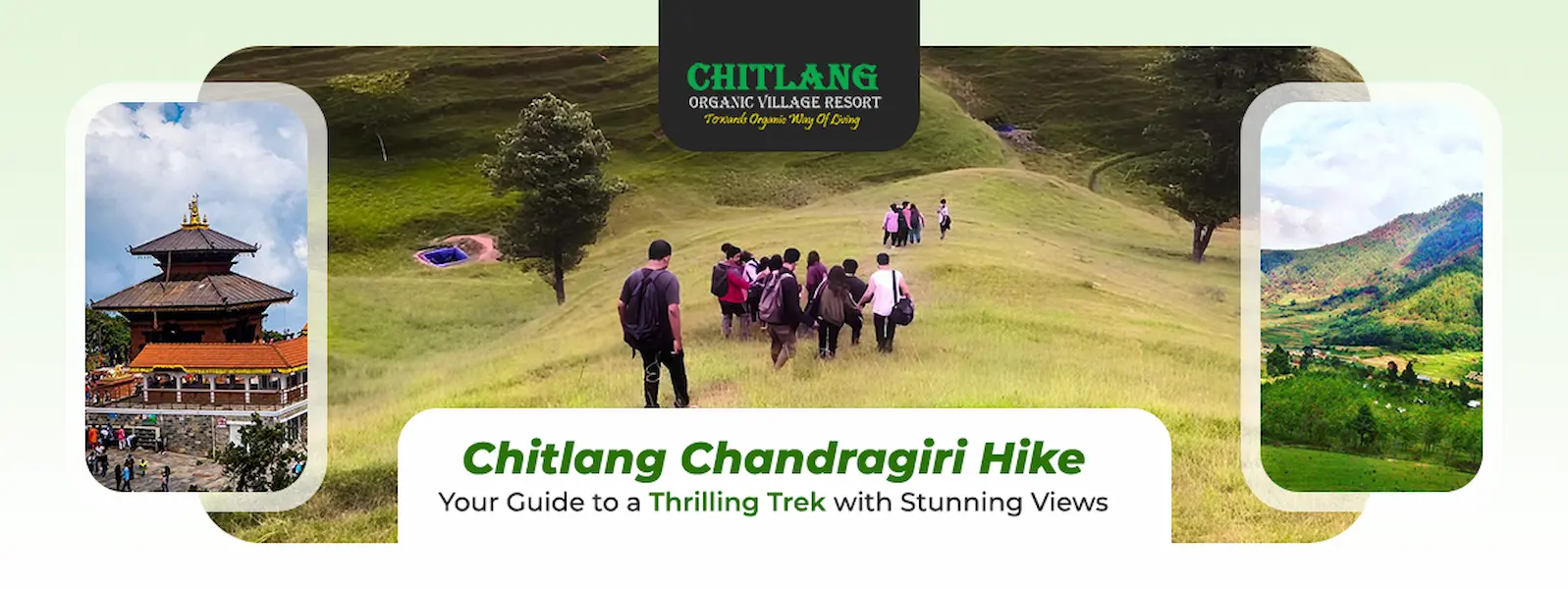
The itinerary published by Chitlang Organic Village Resort includes an organic Naspati pear farm and the Madan Bhandari University lab, where visitors may learn about mushrooms and organic farming. The guided tour also lists Saat Dhara, Majh Gaun, Ashok Chaitya, and Bhimsen Temple.
These stops offer different ways to understand the area. The pear farm gives tourists an insight into local farming, whereas the temples and the chaitya give an idea about the cultural background of the village. A walk through Majh Gaun can also help you appreciate the traditional settlement and everyday village life.
The resort’s Chitlang Heritage Package is a one-night, two-day option. Its published itinerary includes a farm visit on the first day and a guided tour to the goat cheese farm and nearby attractions on the second day. Check the resort for current prices, availability, and itinerary details before booking.
Combining the Chitlang Goat Cheese Factory with temple and farm tours is an easygoing weekend experience. You can start your morning at the cheese factory and take the rest of the day for a stroll around the village or hiking.
Instead of rushing through all attractions, make your plans such that you have enough time for the Chitlang Goat Cheese Factory along with the surrounding scenery. A slower pace makes it easier to appreciate the village beyond its main tourist stops.
Tasting and Taking Some Home
If you enjoy trying local food, ask the factory or your guide whether tasting is available during your visit. You should also confirm whether cheese is available to buy that day, as stock and sales arrangements may vary.
Goat cheese can be served in several simple ways. Softer varieties would go well with fresh bread or salads. In comparison, harder varieties can be used with crackers and other snacks. You might also like to enjoy this cheese with local pears if you are able to find them during your stay.
Cheese from the Chitlang Goat Cheese Factory could make a memorable souvenir if it is available to buy. Ask about storage and transport before purchasing, especially if you plan to travel for several hours or return to Kathmandu.
Why Stay at Chitlang Organic Village Resort When Visiting the Chitlang Goat Cheese Factory?
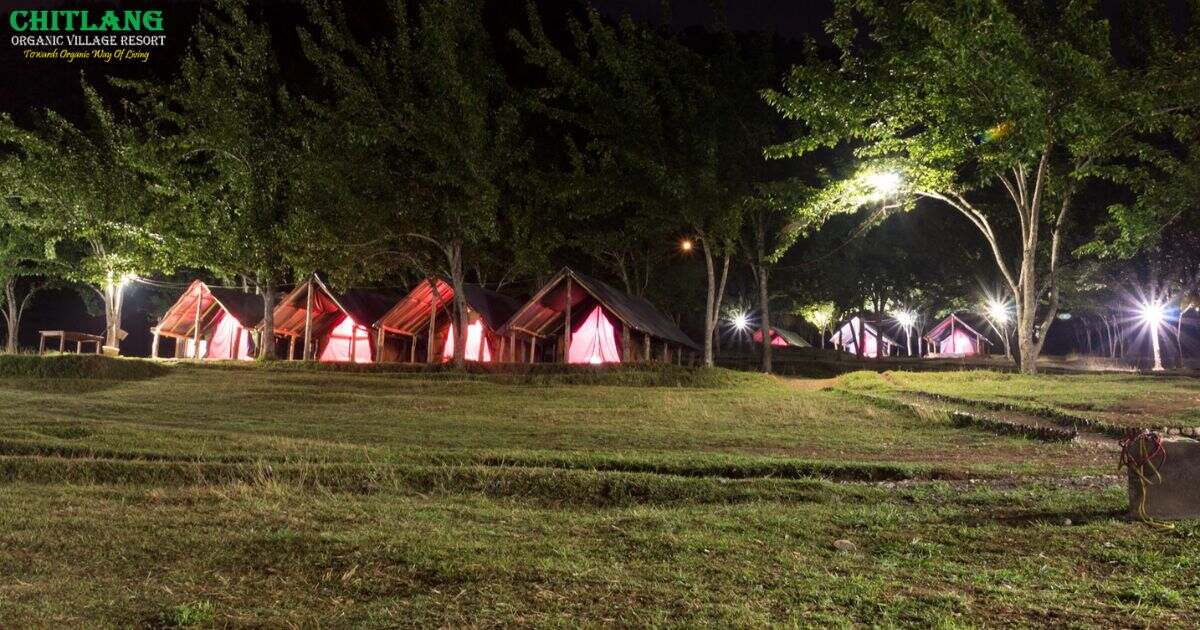
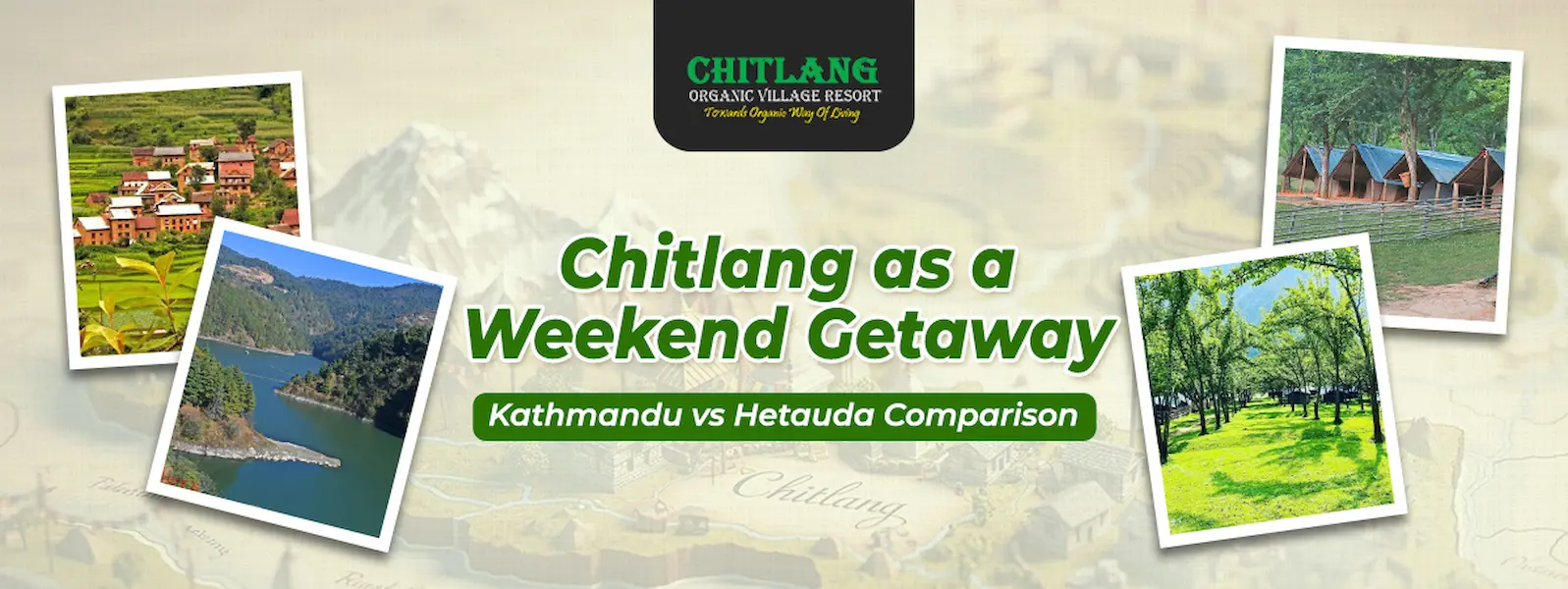
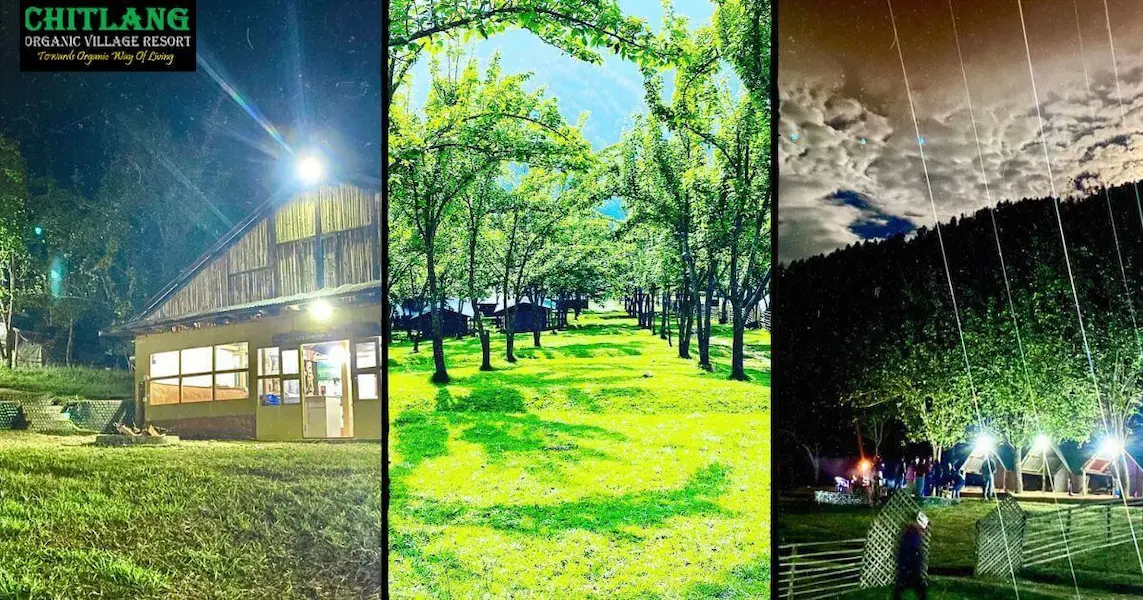
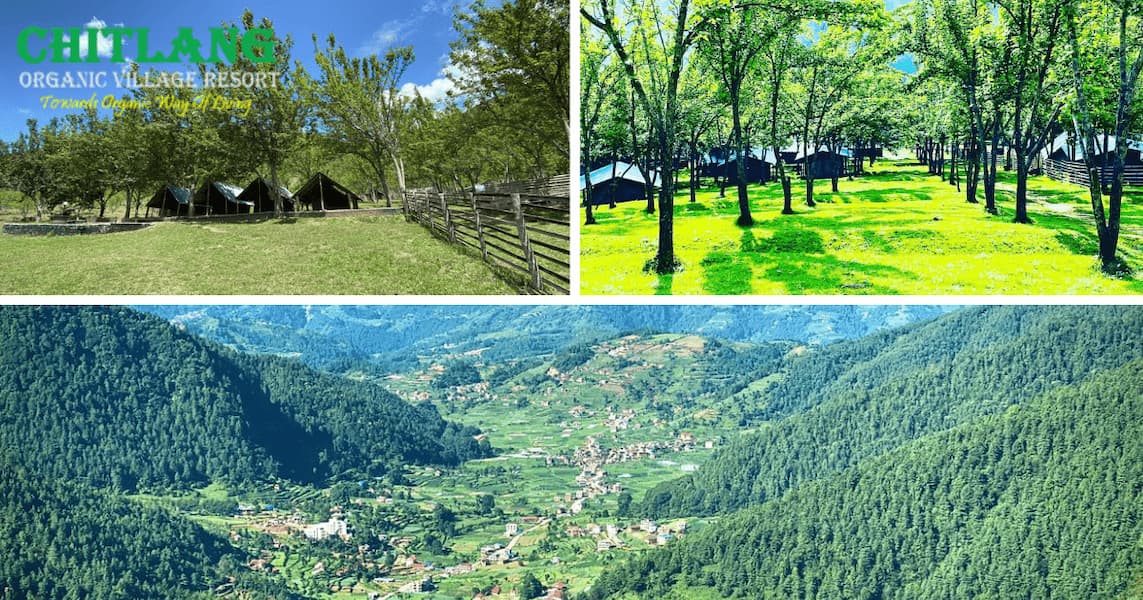
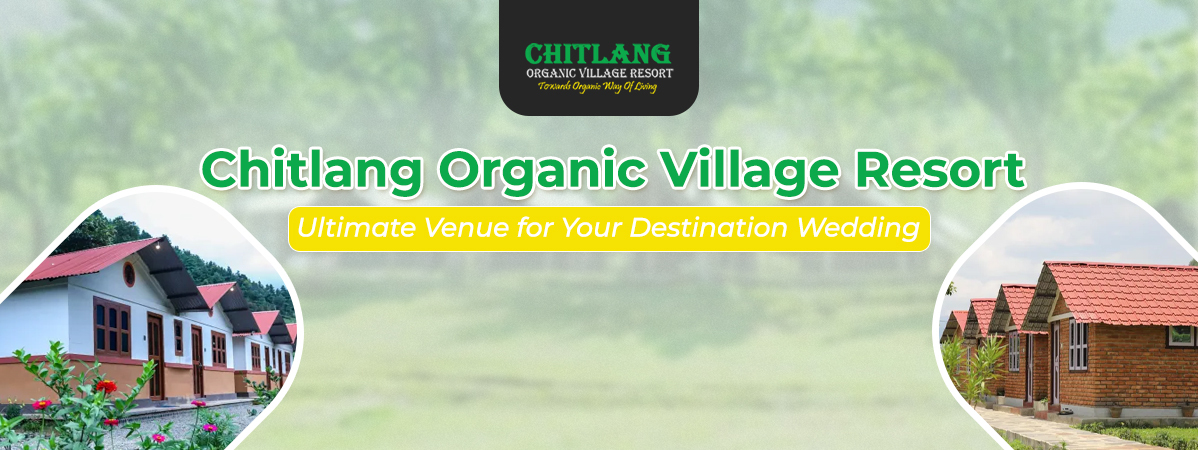
Chitlang Organic Village Resort is a practical base for travellers who want to explore the village without rushing. The resort describes itself as Nepal’s first village tourism resort and has been welcoming guests in Chitlang since 2010. Its accommodation includes tented rooms and private cottages, with meals included in selected packages.
One useful option is the resort’s Chitlang Heritage Package. Its published second-day itinerary includes a guided tour to the goat cheese farm, Saat Dhara, Majh Gaun, Ashok Chaitya and Bhimsen Temple. The itinerary also includes time for farm visits, sightseeing and a campfire, subject to the package’s current terms.
Staying nearby means you can plan a relaxed visit to the Chitlang Goat Cheese Factory without rushing back to the city. A local team can also help you understand the area and organise visits to nearby attractions.
For details about accommodation and packages, visit Chitlang Organic Village Resort.
Conclusion
Chitlang offers more than green hills and a break from city life. Its goat cheese factory tells a story of new farming ideas, local determination, and a business that became part of the village’s identity.
From learning how goat milk becomes cheese to exploring temples, farms and traditional settlements, the experience brings together food, culture and countryside. The Chitlang Goat Cheese Factory is a good reason to slow down and discover how a small village industry grew into a recognised local attraction.
Planning a stay? Call Chitlang Organic Village Resort at 9813302140 or use the online enquiry form to discuss your visit.
FAs
1. What is the Chitlang Goat Cheese Factory known for?
The Chitlang Goat Cheese Factory is widely described in published accounts as Nepal’s first goat cheese factory. It produces soft and hard goat cheese and is known for introducing a new use for goat milk in the local farming community.
2. Can visitors see how the cheese is made?
Published reports say visitors have been able to tour the factory and learn about cheese production. Hygiene rules apply inside the production area. Confirm tour times, availability, and any fees before visiting.
3. How far is Chitlang from Kathmandu?
The distance of Chitlang from Kathmandu is around 22-27 kilometers south of Kathmandu, depending on the path you choose. It takes a few hours to reach Chitlang by road.
4. What else can I do nearby?
You can visit the Naspati pear farm, Saat Dhara, Ashok Chaitya, Bhimsen Temple, and Majh Gaun. Short hikes and village walks are also good ways to explore the surrounding countryside.
5. Where can I stay near the Chitlang Goat Cheese Factory?
Chitlang Organic Village Resort offers tented rooms and private cottages, along with packages that include guided sightseeing. Call 9813302140 Sunday to Friday, from 10 AM to 5 PM, or use the resort’s enquiry form to ask about your stay.