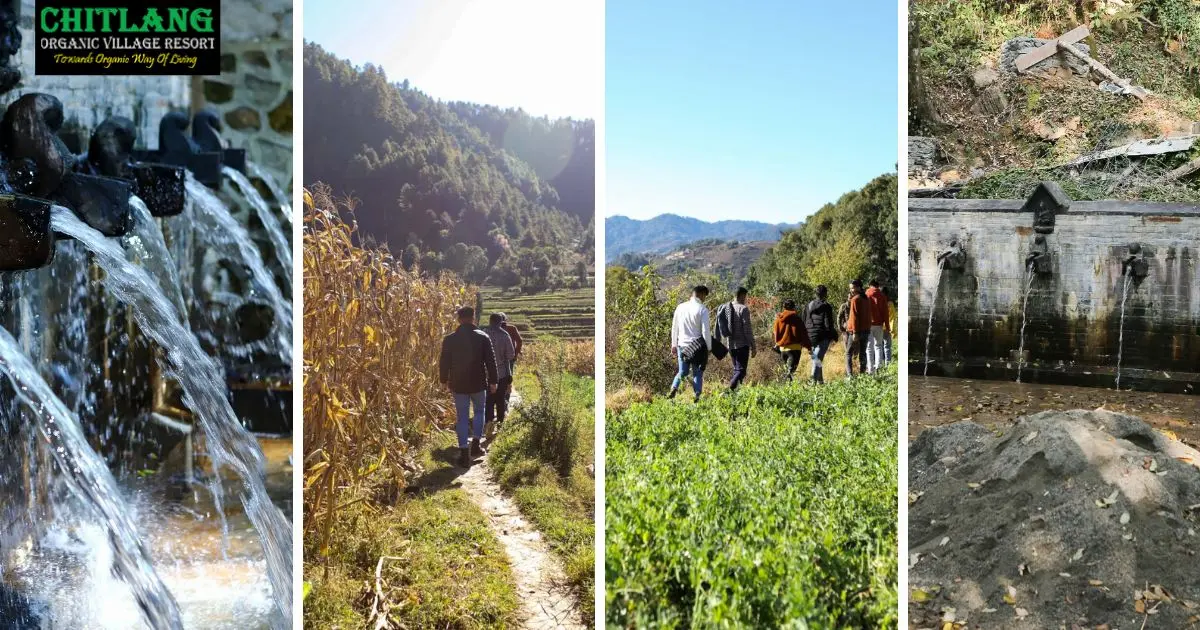
Walking through the quiet lanes of Chitlang, it’s easy to get distracted by what’s above eye level. Instead of watching the stone path underfoot, visitors often end up staring at the dark wooden windows and carved doorframes on the old brick houses.
Time has faded their color, but the beauty of each carving still holds up. These architectural details aren’t just nice features on a building. They tell the story of a craft practiced here for centuries. It is a timeless art form that is referred to as Newari wood carving.
Although this carving tradition is most closely associated with the Kathmandu Valley, its influence reaches well beyond the valley’s historic cities. Chitlang, one of Nepal’s oldest Newar settlements, has kept many of the same architectural traditions alive.
The carved windows and wooden details found throughout the village belong to the same living heritage that has shaped Newar architecture for generations.
“Explore our curated travel experiences and start planning your unique Chitlang adventure today.”
Chitlang: A Newar Village With Its Own Architectural Story
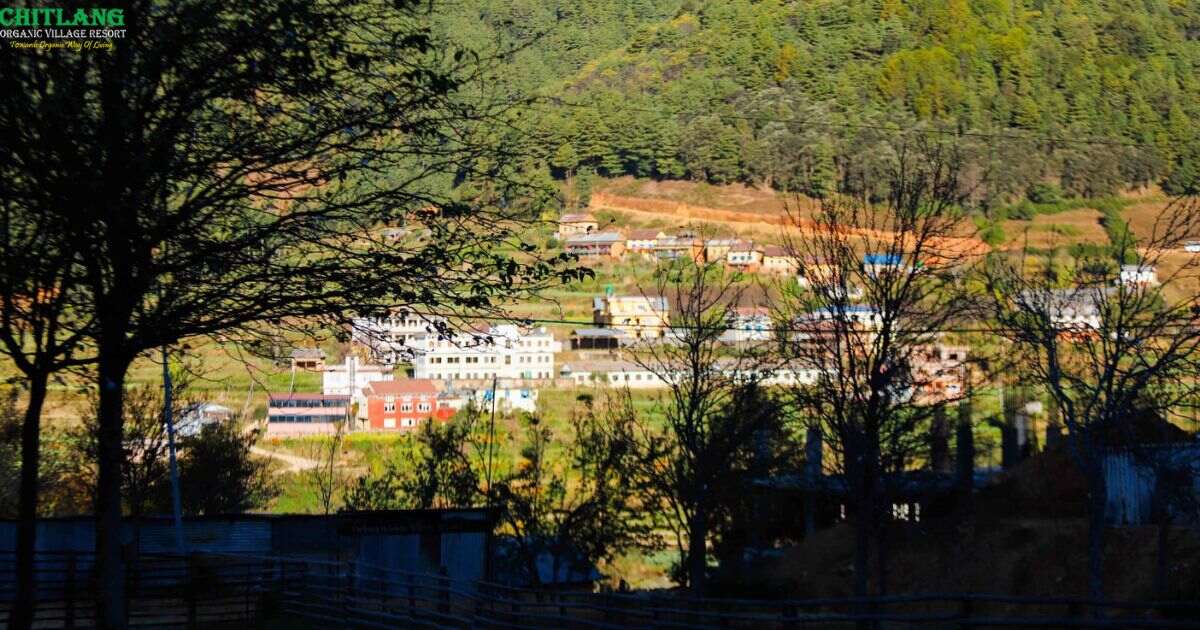
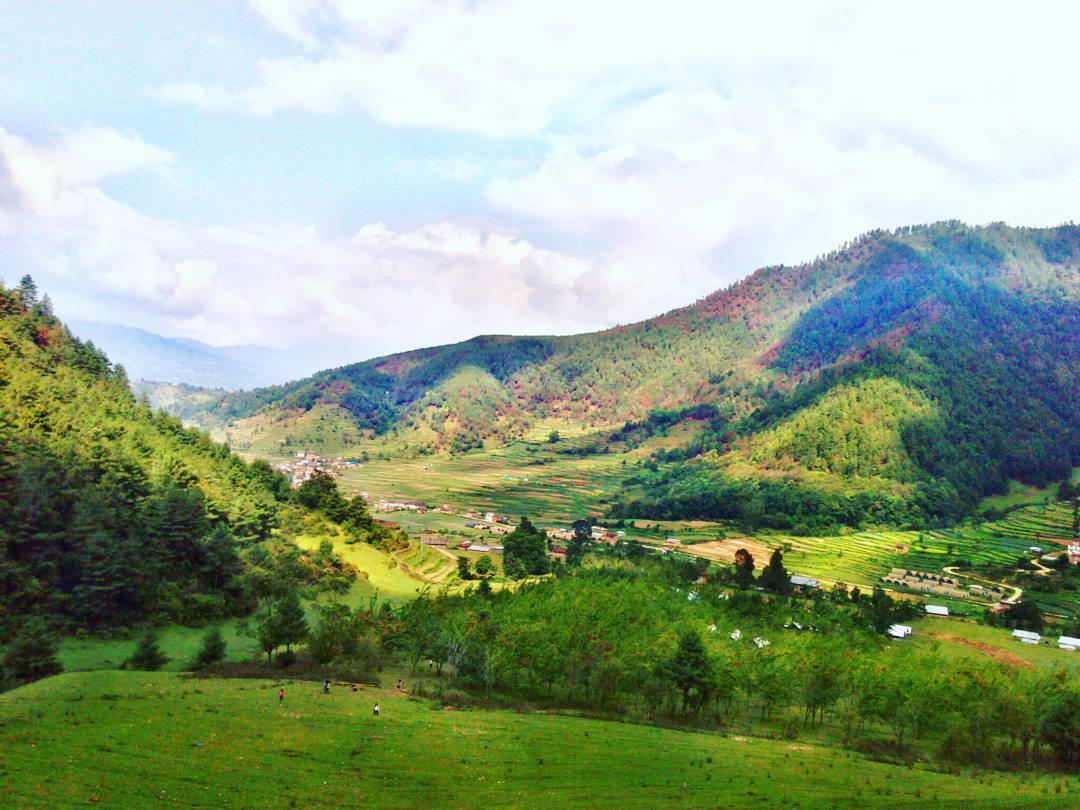
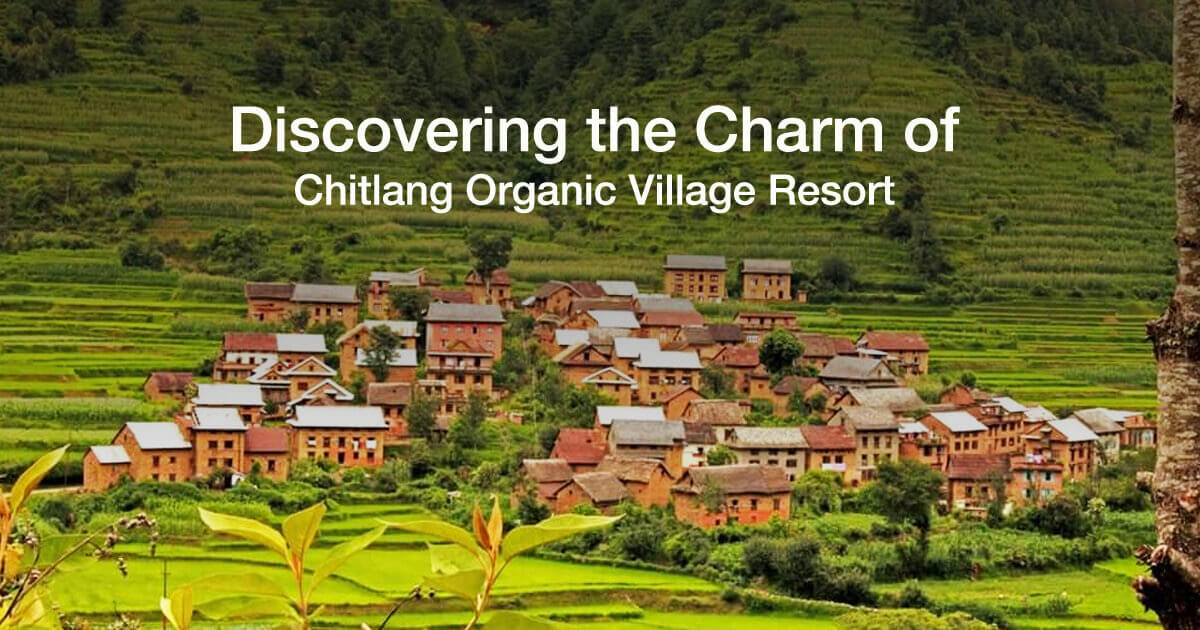
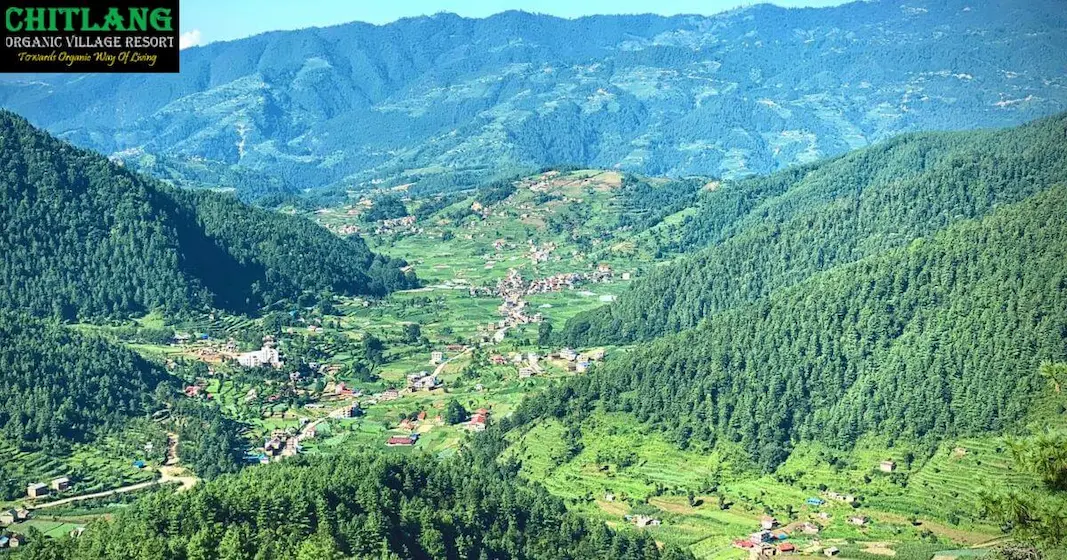
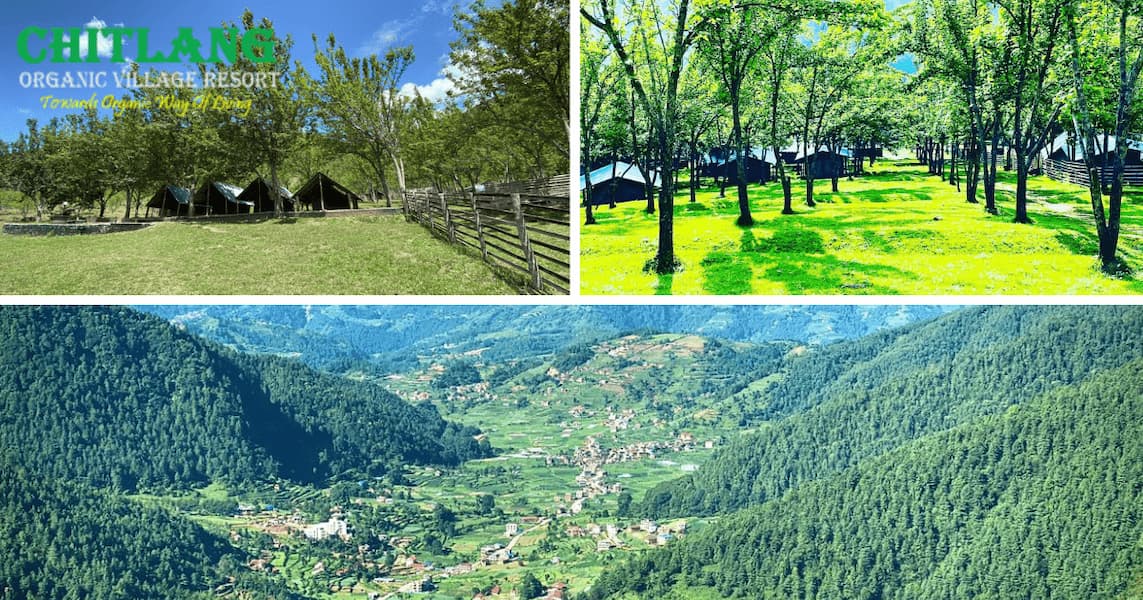
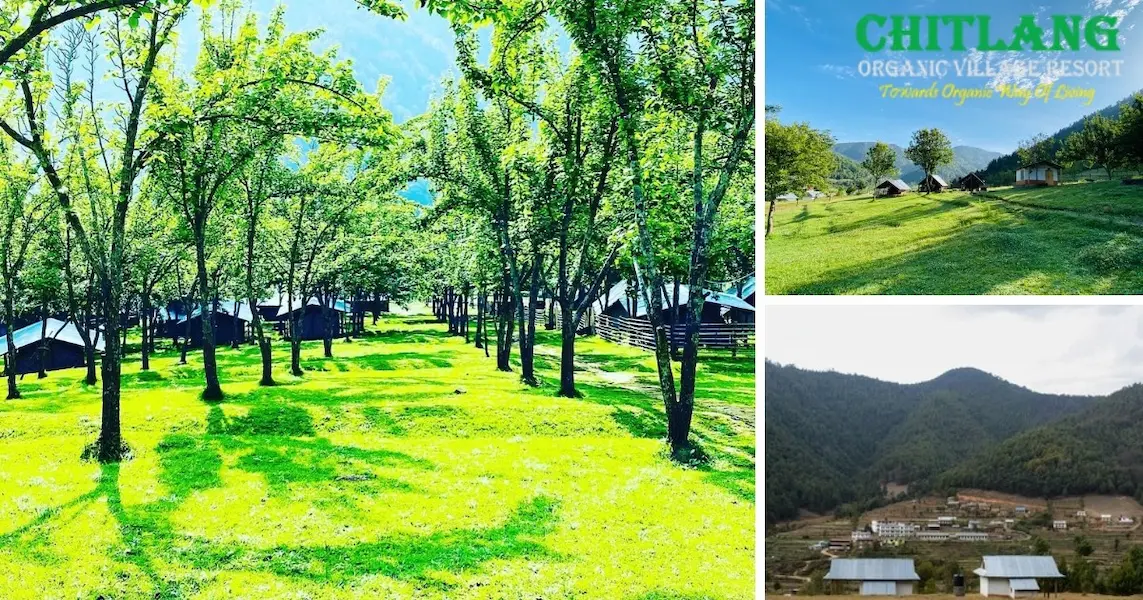
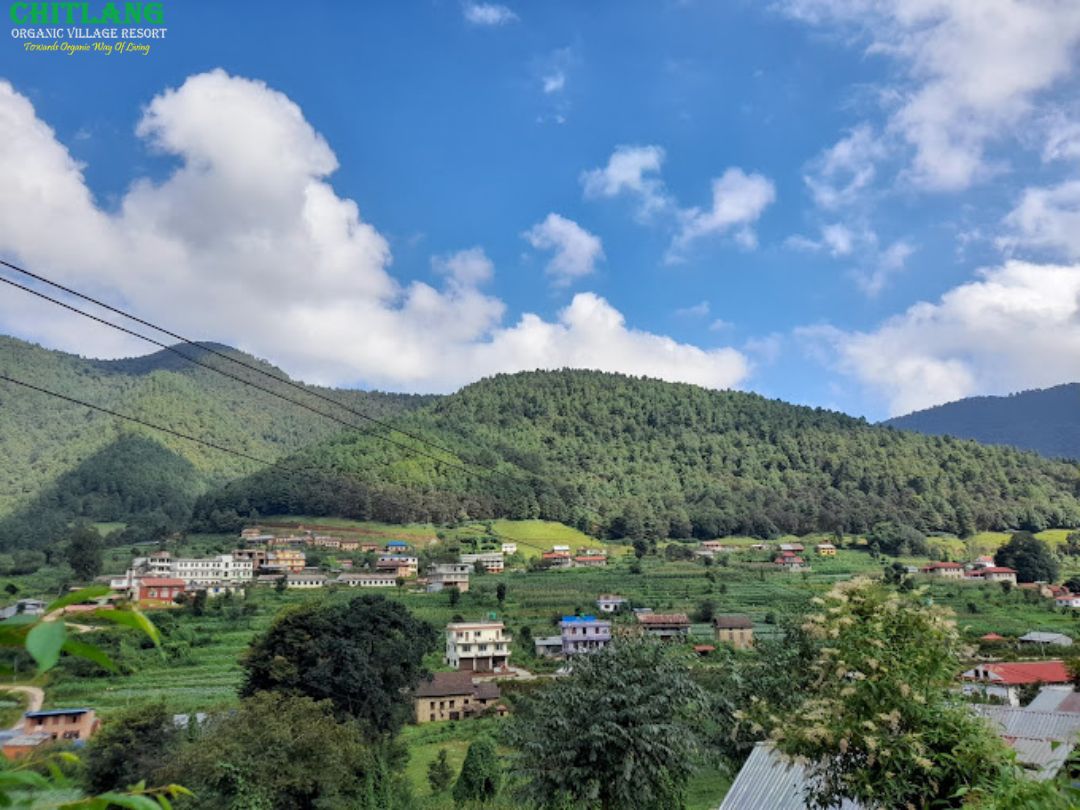
Chitlang is an ancient village in the district of Makawanpur that has been accommodating visitors for many centuries. Before roads were built to link Nepal’s various regions, it acted as a station on the trade route. Nowadays, the village is inhabited by communities like the Newar, Tamang, and Bahun people.
The traditional buildings found throughout Chitlang reflect that long history. A typical Newari house pairs brick walls with strong timber framing and beautifully carved wooden elements.
While Chitlang sits outside the Kathmandu Valley itself, its architecture follows many of the same principles that define classic Newar settlements. Walking through the village feels like stepping into a place where history has stayed part of everyday life rather than something kept only for museums.
What Is Newari Wood Carving?
Before getting into why this tradition still earns admiration, it helps to understand what it actually involves. Each of the carved beams, windows, or doors reflects years of information that is shared from generation to generation.
This makes these carvings beautiful, not just the way they look but also their meanings.
A Tradition Rooted in the Kathmandu Valley
The history of the art form dates back several hundred years. The artisans have become so good at wood crafting over time that they have become some of the best woodworkers in all of South Asia.
The eighteenth century marked a period when the craftsmanship and quality of carving on windows, temples, and palaces had reached such a level as to make historians marvel at them even today.
This background makes clear why Newari Woodcrafts are held in such high regard worldwide. It is not just an ancient architectural skill but an art form.
More Than Decoration
While many individuals may appreciate the beauty of such carvings, it must be noted that they were never designed purely for aesthetic purposes. Rather, in the wood carving traditions such as this one, everything always had its own place and meaning.
The windows determined lighting and ventilation, and carved patterns represented religion, values, or status.
Such skills were used not only in making houses but also in decorating temples, monasteries, courtyards, and other public buildings. Many carvings included patterns related to flowers, animals, mythical creatures, and Buddhist gods, all carrying their own unique meaning in Newar culture.
The Signature Windows of the Newari Wood Carving
One of the simplest ways to distinguish this architectural tradition is by identifying its unique windows. Every type has a different function, appearance, and cultural significance. Regardless of their names, these windows catch the attention of tourists because of how different they appear from any other place.
Tiki Jhya (Lattice Window)
Tiki Jhya is the most common style found in traditional Nepali buildings. Normally constructed on the second-floor level, the well-organized grids allow fresh air and light to enter into the room without compromising the privacy of the people residing within.
The symmetrical pattern also lends an elegant touch to the architectural design of the building.
San Jhya (Projecting Bay Window)
San Jhya projects out of the wall so that the residents can see more into the street below. Typically constructed on the third story, this type of window is normally made up of three parts. Its projecting structure also lets more sunlight into the interior rooms.
Its projecting structure also lets more sunlight into the interior rooms.
Pasukha Jhya (Five-Part Window)
Smaller than many other window types, Pasukha Jhya is often seen on monasteries and shrines. Its five sections symbolize the Five Buddhas, making it more of a spiritual feature than a plain architectural decoration.
Gajhya (Roof Window)
Gajhya is constructed right below the overhanging roof and helps with providing extra ventilation for the building. Though simpler than other styles, it still reflects the careful planning found throughout Newar architecture.
Mhyekha Jhya (Peacock Window)
Among all Newar windows, none is more famous than the ‘Mhyekha Jhya’ window. The beautifully carved peacock at its center shows off the highest level of craftsmanship. The most famous example of this kind of architecture can be found in Bhaktapur, which is known worldwide for its magnificent artwork.
Kamal Jhya (Lotus Window)
Kamal Jhya, which means ‘lotus’, represents purity and spirituality as the lotus flower inspires it. The flower-like design of this embroidery requires great skill and time to achieve.
Suryamukhi Jhya (Sun Window)
The name Suryamukhi Jhya is derived from the form of the sun that surrounds the structure of the wooden frame, bringing warmth and elegance to traditional buildings. Its radiating design catches the eye right away and reflects the creativity of Newar artisans.
These windows explain why Newari Woodcrafts continue to stand apart from many other architectural traditions. Each style combines beauty, symbolism, and practical design in ways that stay instantly recognizable, whether seen in Chitlang, Patan, or Bhaktapur.
A Craft Still Practiced, Not Just Preserved
Many traditional crafts are gradually disappearing as machines replace handmade work. That isn’t the case with woodcarving in Nepal. Expert artisans continue to carve out new pieces for use in homes, temples, and restorations of heritage sites, as well as collections.
Thus, it preserves the centuries-old tradition of woodcarving along with its traditional methods.
The Skill Passed Through Generations
One reason this craft has survived is how the knowledge gets passed down. In the past, wood carving in Nepal was taught to wood carvers from an early age through hands-on training along with their fathers, grandfathers, and many others who were already skilled in this art.
A Style That Still Feels Distinct
Woodworking techniques vary widely among different cultural practices. However, Newari culture’s woodworking technique stands out due to its perfect balance, flower carvings, mythological characters, and carefully crafted windows.
Another unique element of the architecture is the famous eye window, which is appreciated for its beauty and ornamentation. Like many traditional Newar windows, it combines beauty with practical function, making the style as useful as it is artistic.
Intricately Carved, Never Rushed
Making these pieces takes real patience. Each piece is created by hand and can take days or even weeks to complete, depending on how intricate it is. While mass-produced items will all look alike, each hand-carved item will be unique in its way.
This dedication is one of the main reasons Newari Wood Carving keeps earning admiration today.
Seeing the Craft in a Village Like Chitlang
Many people connect the finest examples of Newar architecture with the historic cities of Bhaktapur, Patan, and Kathmandu. These places deserve that reputation, but they aren’t the only spots where this tradition can be appreciated.
Chitlang offers a quieter experience. As a historic Newar village, it still keeps older homes with wooden carvings on windows, doors, and balconies, letting visitors see the craft as part of everyday life rather than something behind glass. Chitlang itself is recognized as a historic Newar village that has held onto its cultural character over generations.
While the best works of art are still to be found in Kathmandu, Patan, and Bhaktapur, places like Chitlang have similar architecture, but on a smaller scale. Experiencing Newari Wood Crafting in such a place proves that this kind of craftwork has been a part of houses and temples all along.
Ready to craft your perfect itinerary? Reach out to our team
Conclusion
The admiration for Newari Wood Carving has lasted for centuries because it stands for much more than decorative craftsmanship. Each window, door, and piece of wood is an expression of the patience and artistry of many generations of craftsmen.
The symbols carved in the wood are testimonies to faith, daily life, and craftsmanship. At the same time, the techniques themselves are passed from one generation to the next.
Although the tradition reached its greatest artistic heights in the Kathmandu Valley, historic villages like Chitlang continue to carry the same cultural spirit. Wandering through the peaceful avenues enables the tourist to admire these carvings within their original setting.
Visitors will have the privilege to appreciate these art pieces in their rightful place, where they are used to construct houses, temples, and villages. Whatever your interest may be, whether historical, architectural, or cultural, visiting Newari Wood Carving in Chitlang will surely reveal it to you.
FAQs
Why are Newari woodcrafts famous?
The carving is known for their craftsmanship and cultural significance, and also its continued use in Nepal’s traditional buildings.
Where can I see authentic Newari woodcrafts in Nepal?
They can be found in Kathmandu, Patan, Bhaktapur, and old Newar settlements like Chitlang.
Which type of wood is used in Newari wood crafting?
Newari woodcrafts usually have hardwoods like ‘Sal’ and ‘Sisau’.
What makes Newari windows different from other traditional windows?
The most unique aspect about Newari windows is their hand-carved design work. They also protect from sun exposure, allow for airflow and act as decorations.
Are Newari woodcrafts still made today?
Yes, talented Newari artists have been continuing their wood carving traditions by producing wooden articles for modern houses, temples and heritage restoration projects.