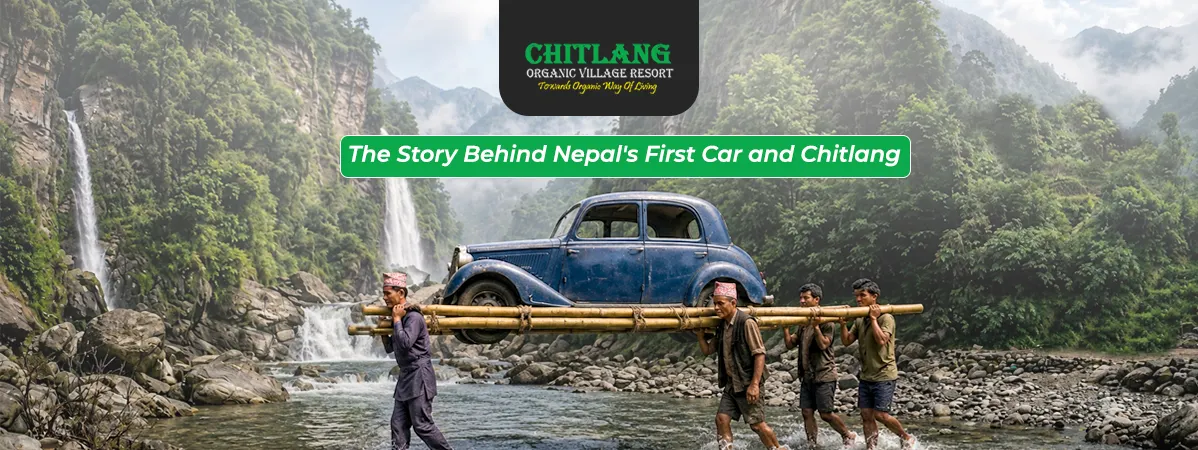
Picture a car climbing a steep Himalayan hillside with no engine running, no driver behind the wheel, no fuel stations anywhere nearby. Instead, dozens of men have lifted it onto bamboo poles, balanced its weight across their shoulders, and are moving together in a chanting rhythm. It sounds like a legend, but it happened.
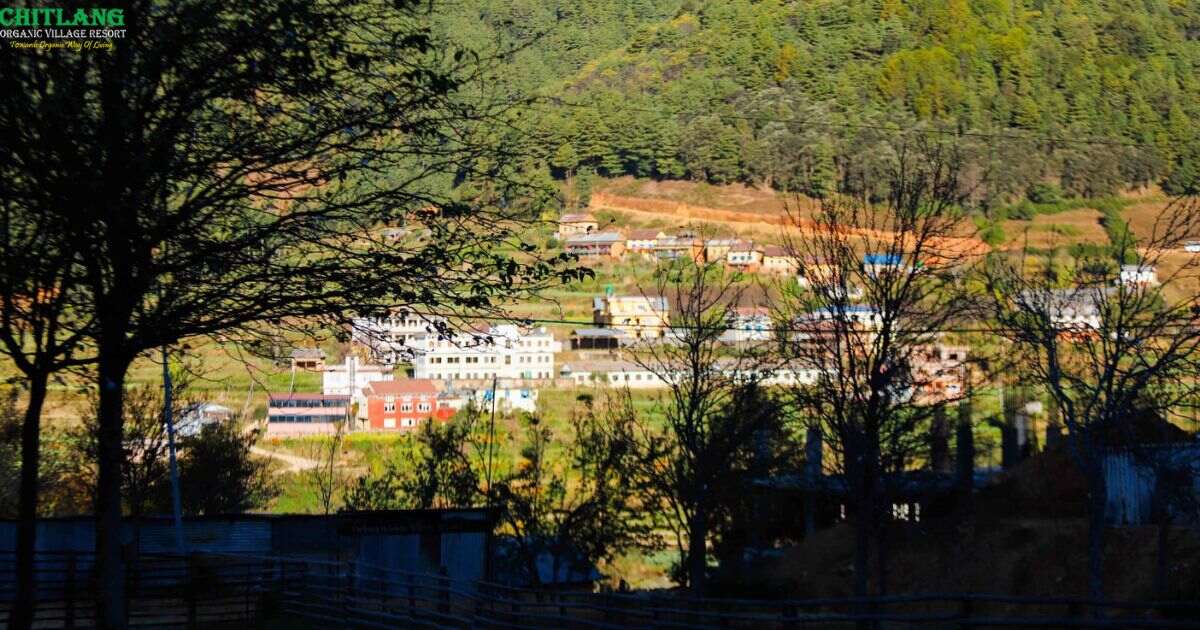
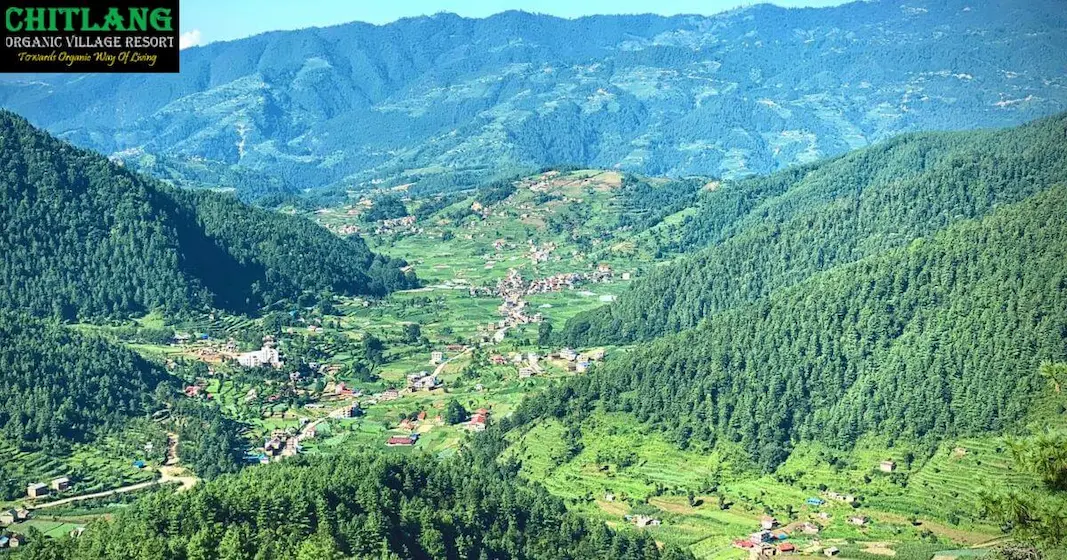
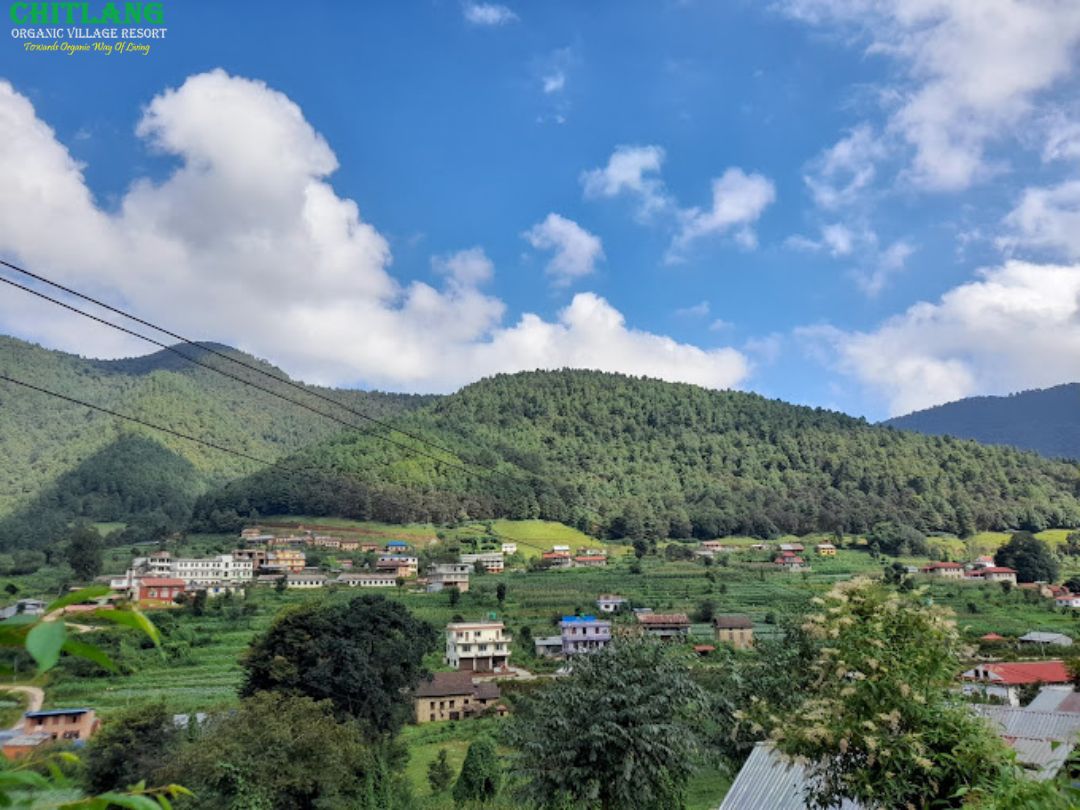
That journey connects directly to Nepal’s first car, and the route those porters walked passed straight through what is now the quiet village of Chitlang. Long before highways existed, Chitlang sat on one of the main trails linking Kathmandu to the plains below, and the story has never really left the village. Guests there still hear it from locals and historians, including resort founder Debendra Nepal, who has spent years sharing it with visitors.
Before the Car: Why Nepal Had No Roads
To understand why anyone had to carry a car over mountains, it helps to know what Nepal looked like in the early twentieth century. There were no motorable roads connecting Kathmandu to the Indian border. People moved on foot, by horse, or with the help of porters. Goods from India came in along old trails crossing hills, valleys, and mountain passes.
With the increasing popularity of automobiles as status symbols around the world, Nepal experienced an unusual situation. They could import cars, but there was no place to park them. It gave rise to one of the strangest incidents in the history of transportation. Cars were not used to carry people into Kathmandu. People carried the cars.
What Was Nepal’s First Car?
The question is harder to answer than it looks. Historians still disagree because several different accounts survive from the same period.
One popular story credits Britain’s Prince Edward, who later became King Edward VIII. During a hunting trip around 1922, he reportedly drove a car across the border into the Kasara area of Chitwan, which would make that vehicle the first automobile to enter Nepali territory. Other records point to vehicles imported by members of the Rana ruling family, including a Ford connected to Rana elites and to Gehendra Samsher, an inventor and scientist who intro
duced various modern technologies to the country.
The most common connection with Nepal’s automobile history, however, involves the delivery of a 1939 Daimler-Benz to King Tribhuvan. It arrived around 1940 and was carried to Kathmandu via porters. Through photographs of that transport journey and its documentation, most people imagine Nepal’s first car. There are conflicting views regarding the arrival date of the first automobile, but no one questions the difficulties in transporting them.
The Birth of the “Rolls-Royce Trail”
The route connecting Bhimphedi, Chitlang, Chandragiri, and Kathmandu eventually picked up an unlikely nickname: the Rolls-Royce Trail. The name had nothing to do with luxury. It came from the fact that some of Nepal’s earliest automobiles were physically hauled along this path.
The trail itself was already centuries old before any car appeared on it. Traders, pilgrims, royal messengers, and ordinary travelers had been using it for generations, moving between Kathmandu and the Terai plains. When the first automobiles started passing through on porters’ shoulders, the route picked up a new layer of history on top of an already long one.
How Nepal’s First Car Was Carried Without an Engine
Moving a car across mountains took planning, coordination, and a great deal of physical strength. Vehicles had to be ready before starting on the journey. All detachable parts, including the wheels and seats, were stripped off to reduce the weight, and the body was then lashed to thick bamboo poles using ropes and wooden supports. The porters would then lift the vehicle on their shoulders.
On some crossings, as many as sixty men worked together to move a single car over the steep trails and mountain passes. To keep everyone in step on the narrow paths and difficult climbs, the teams chanted “hoste-hainse” as they went. The journey was slow and exhausting from start to finish.
Many of those porters came from villages in Makwanpur district, the same district where Chitlang sits today. That connection makes the story feel local rather than just national. These were not distant historical figures but people from nearby communities who made the whole thing possible.
The End of the Road on Shoulders
The era of carrying automobiles over hills eventually ran its course. In the 1950s, Nepal started constructing the road infrastructure properly, and the major achievement was the construction of the Tribhuvan Highway, the first major motorable road linking Kathmandu with the southern plains of the country. Crucially, cars were able to drive independently on their own wheels when it was opened between 1956 and 1957.
The turnaround was sudden for the old trail that passed by Chitlang and Chandragiri. In a few decades, the road lost its road users to the new highway, and several sections of the footpath were abandoned.
Where to See This History Today
Several historic vehicles from Nepal’s royal and Rana periods are still preserved. King Tribhuvan’s Daimler-Benz is associated with the Narayanhity Palace Museum, while the Chhauni National Museum and collections connected to Nepal Motor Company in Lazimpat hold additional examples.
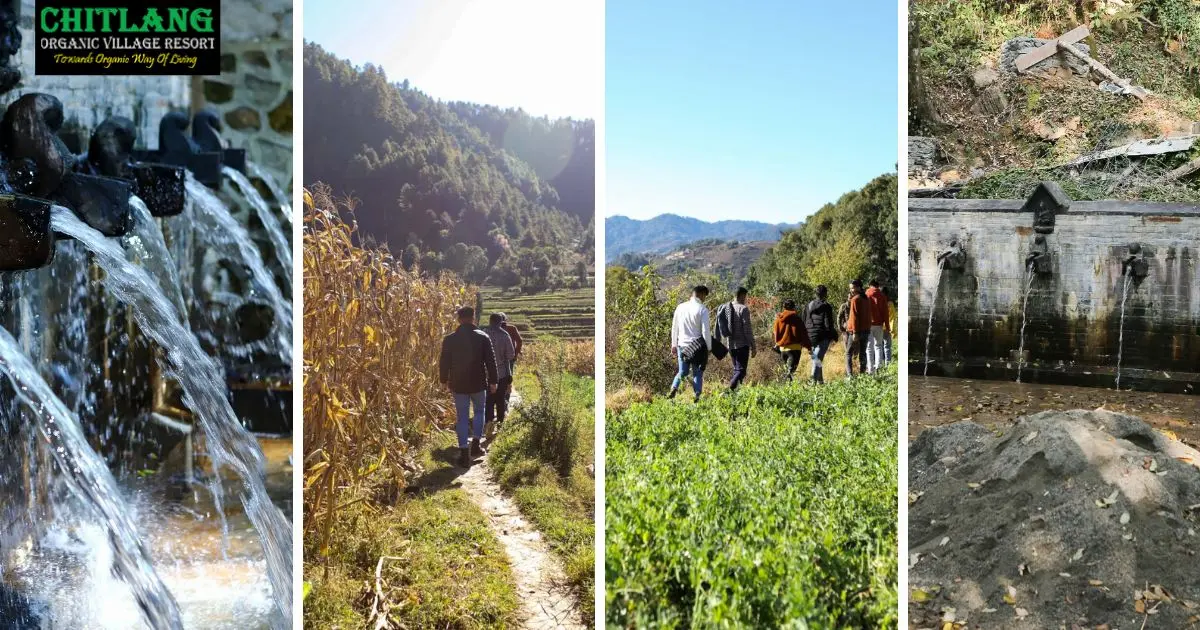
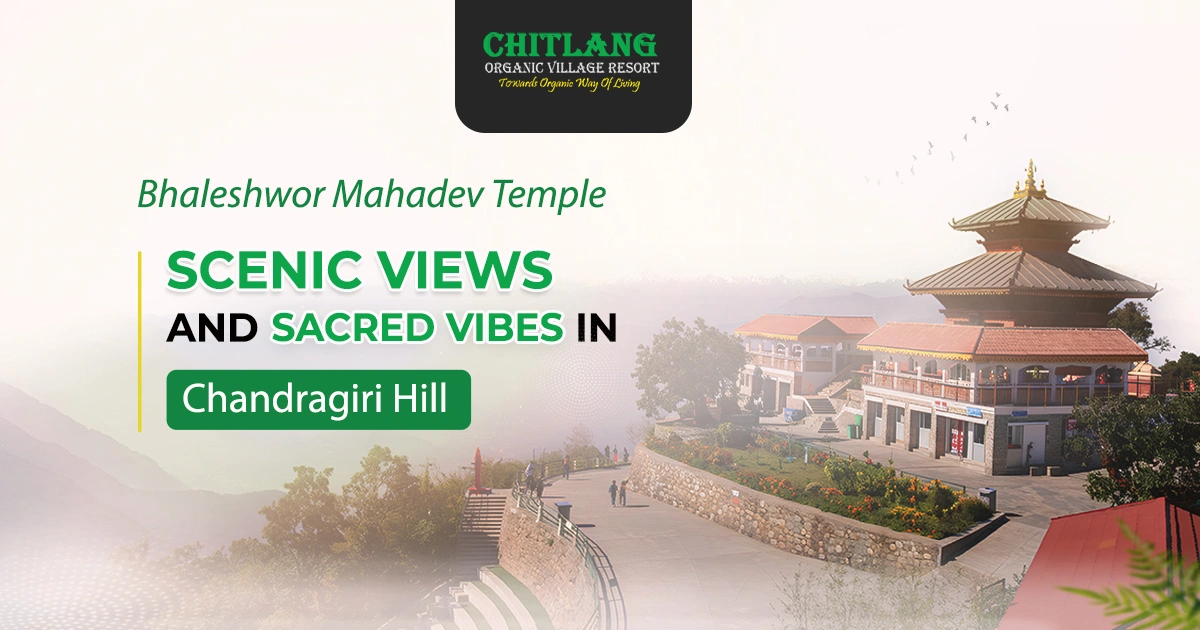
Those who want to learn about the history can also take part in a walk between Chandragiri and Chitlang, but many people take an old track walk along with a ride on the Chandragiri Cable Car. It’s hard to describe just how much work the porter teams were doing, but a walk along the land that they traversed provides a better understanding of what this meant back then.
Why This Story Still Matters in Chitlang Today
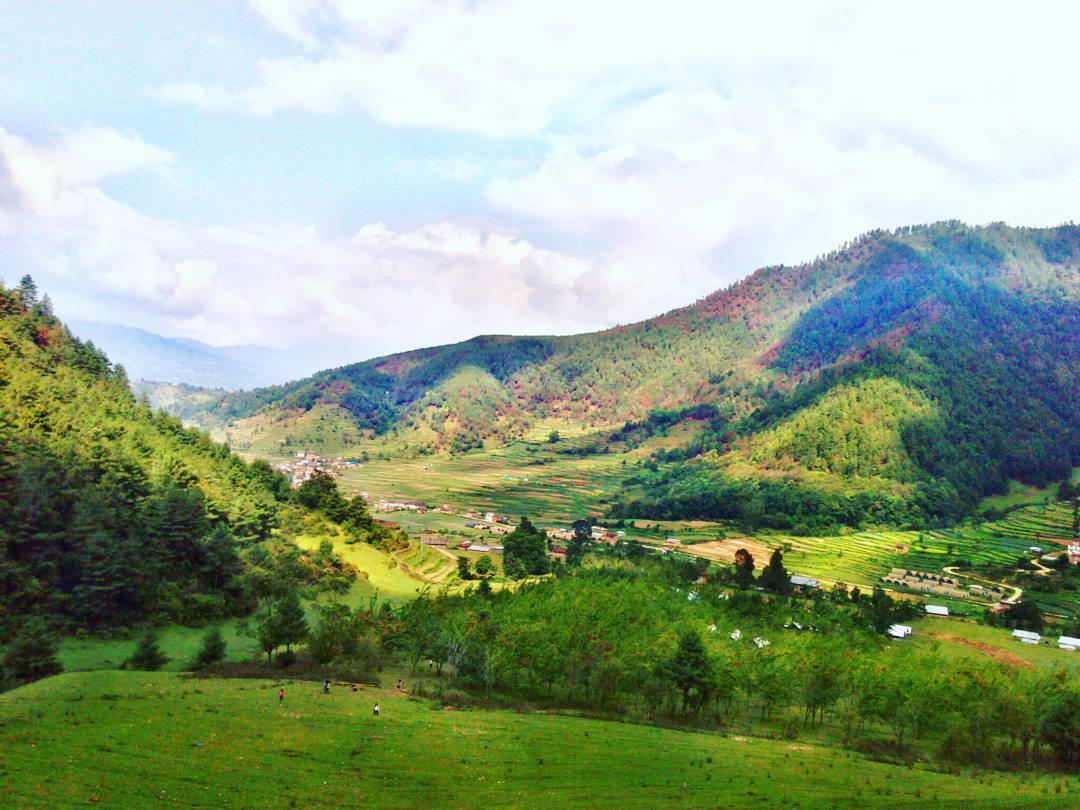
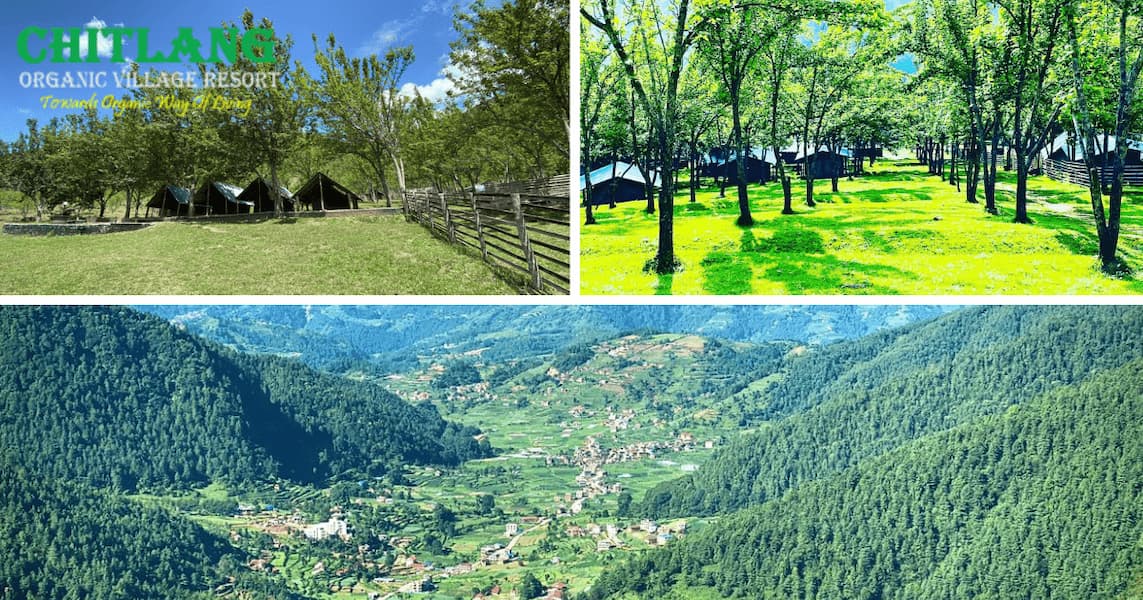
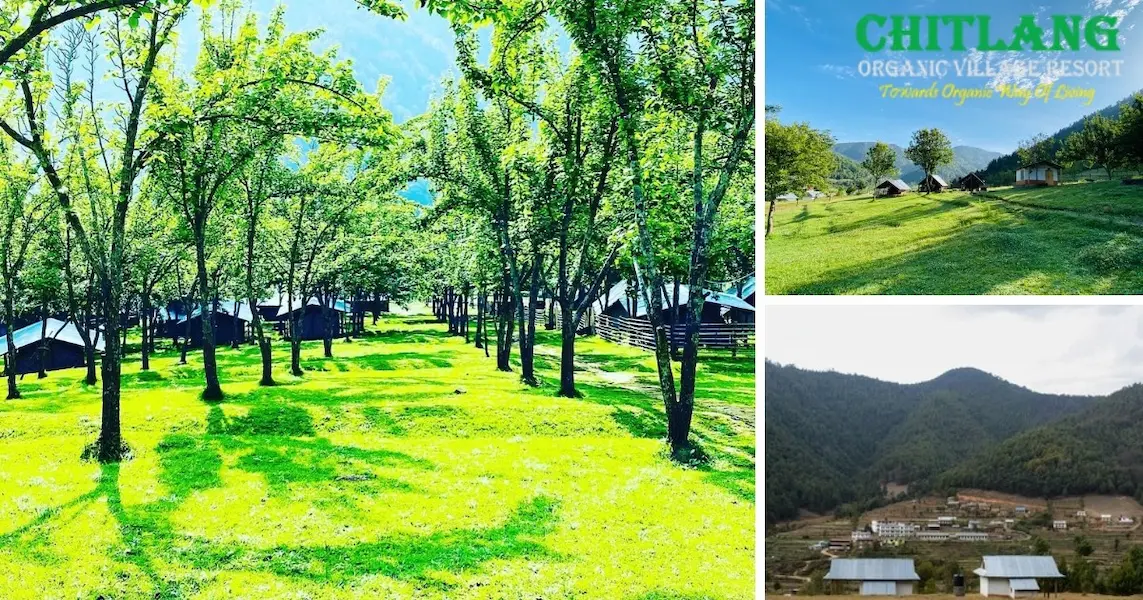
At Chitlang, the tale of Nepal’s First Car is not preserved in a museum. It gets shared in talks with the older folk to guests who had no idea of what they were walking into. Once you know what happens there, the hills, trails and village change a bit, not quite so romantic but rather a place where something truly strange and challenging took place.
That’s what makes the story interesting to tell. It brings Chitlang into one of the more unique periods of Nepal’s history and provides an ‘entry point’ for the visitor to find the history of this country in reality.
Conclusion
Long before there were highways in Nepal, it took dozens of men, bamboo poles, ropes, and weeks of hard walking to get an automobile to Kathmandu. It went through Chitlang, and the village has not completely forgotten that history. Today, some parts of this old trail can be walked, some of its history can be heard from the people who were there, and one can have a true sense of the terrain traveled by the porters. Most of the extraordinary journeys that took place in Nepal were made before the era of motorized transport.
FAQs
Which was the first car in Nepal?
It is said to be a 1939 Daimler-Benz imported for King Tribhuvan that was carried by porter teams to Kathmandu sometime in 1940.
Why did the porters carry cars in Nepal?
Since there was no motorable road between Kathmandu and India, it would have been difficult to drive the car.
What is the Rolls-Royce Trail in Nepal?
It is the historic route passing through Bhimphedi, Chitlang, and Chandragiri, which porters used in carrying Nepal’s first automobiles to Kathmandu without any roads.
What role did Chitlang play in Nepal’s transportation history?
Chitlang lay on the route linking Kathmandu to the southern plains and served as a resting place for centuries for traders and travelers before becoming one for porter teams carrying Nepal’s first automobiles.
Can visitors still explore the historic car-carrying route?
Yes, parts of the historical trail from Chandragiri to Chitlang are passable and walking through them will give visitors an idea of what the porter teams went through.