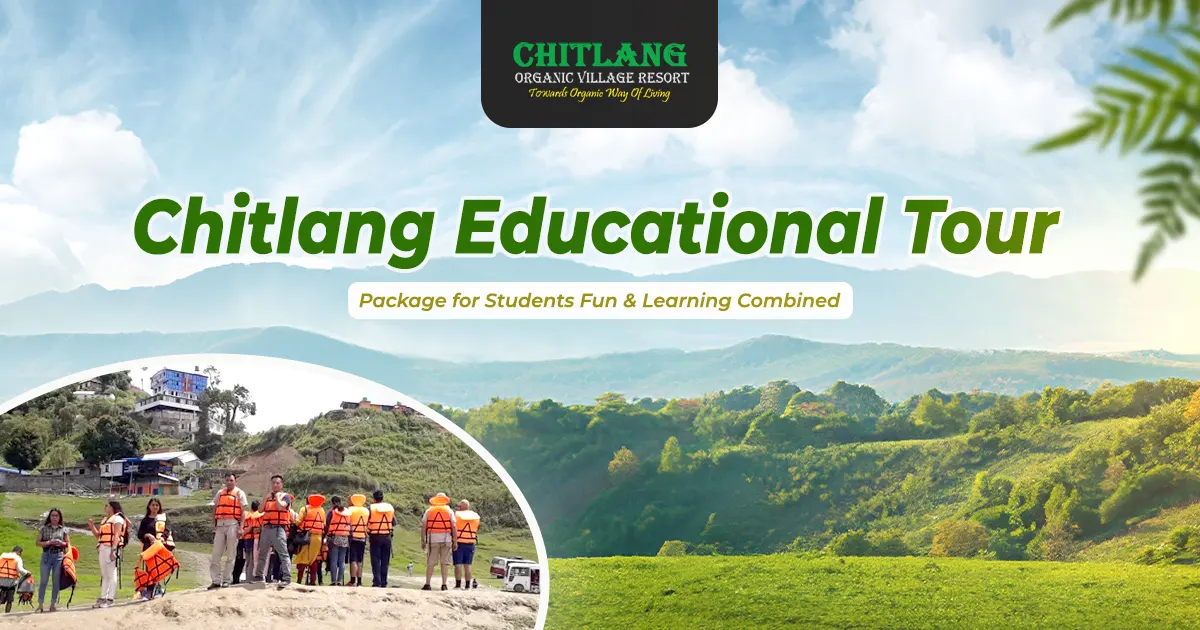
Educational tourism has always been one of the most effective ways of enhancing classroom learning. In 2025, as experiential learning is increasingly gaining importance, schools and parents are searching for places that give both knowledge and fun. One of the closest to Kathmandu is Chitlang, a hidden gem in the Makwanpur district.
Usually known for its majestic natural beauty, rich cultural heritage, and proximity to the national capital, Chitlang Educational Tour Packages provide a perfect opportunity for students to learn outside their classrooms while enjoying the company of friends. From visiting traditional Newari culture and walking through a pear orchard, this tour develops meaningful connections with history, environment, and community living, which no classroom will ever be able to replicate.
Why Choose Chitlang Educational Tour?
1. Blend of Education And Fun
Unlike a normal sightseeing trip, Chitlang educational tours keep students on their feet, learning all the time. Field visits have well-planned itineraries covering:
- History & Heritage: students explore old settlements, temples, and stone inscriptions.
- Environment & Agriculture: visits to organic farms and dairy units with sustainable living.
- Team-building Activities: hiking, camping, and group games for the improvement of social and leadership skills.
2. Easily Reachable From Kathmandu
Chitlang is only about 22 km from Kathmandu, and a brief drive through Thankot reaches it. Therefore, this is an ideal weekend or short tour for schools that do not require a long-distance journey.
3. Inexpensive Yet Impactful
Compared to distant destinations like Pokhara or Chitwan, Chitlang tours happen to fall within a budget line, making it so economy-friendly for the grade 10 students and other school groups.
Experience in Chitlang
1. Nature and Scenic Beauty
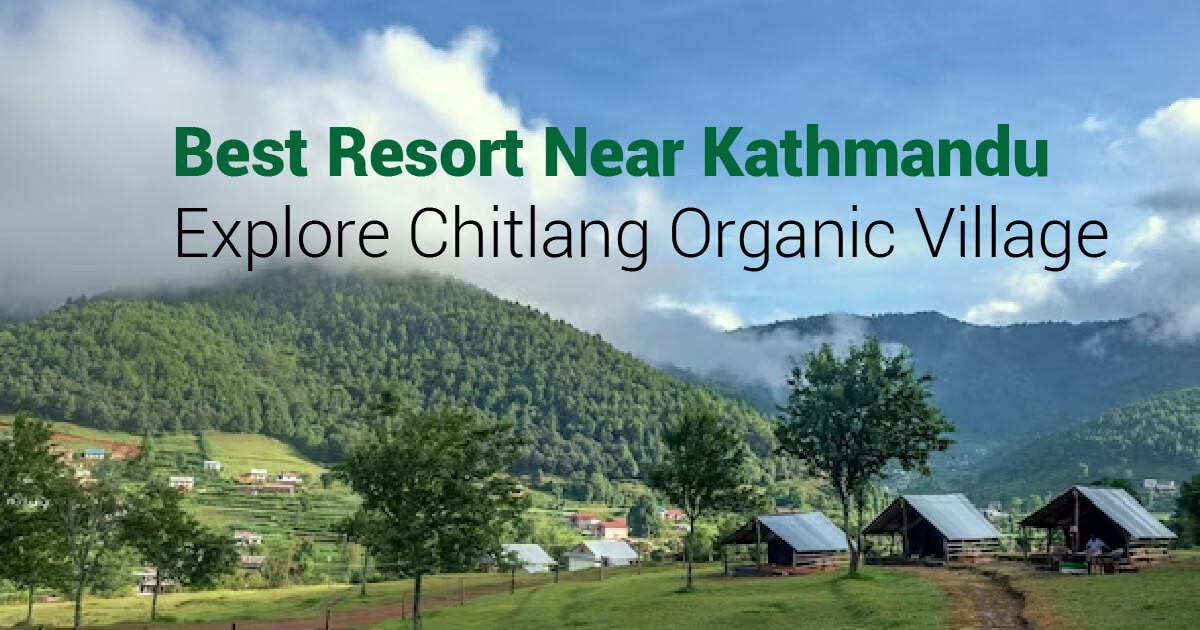
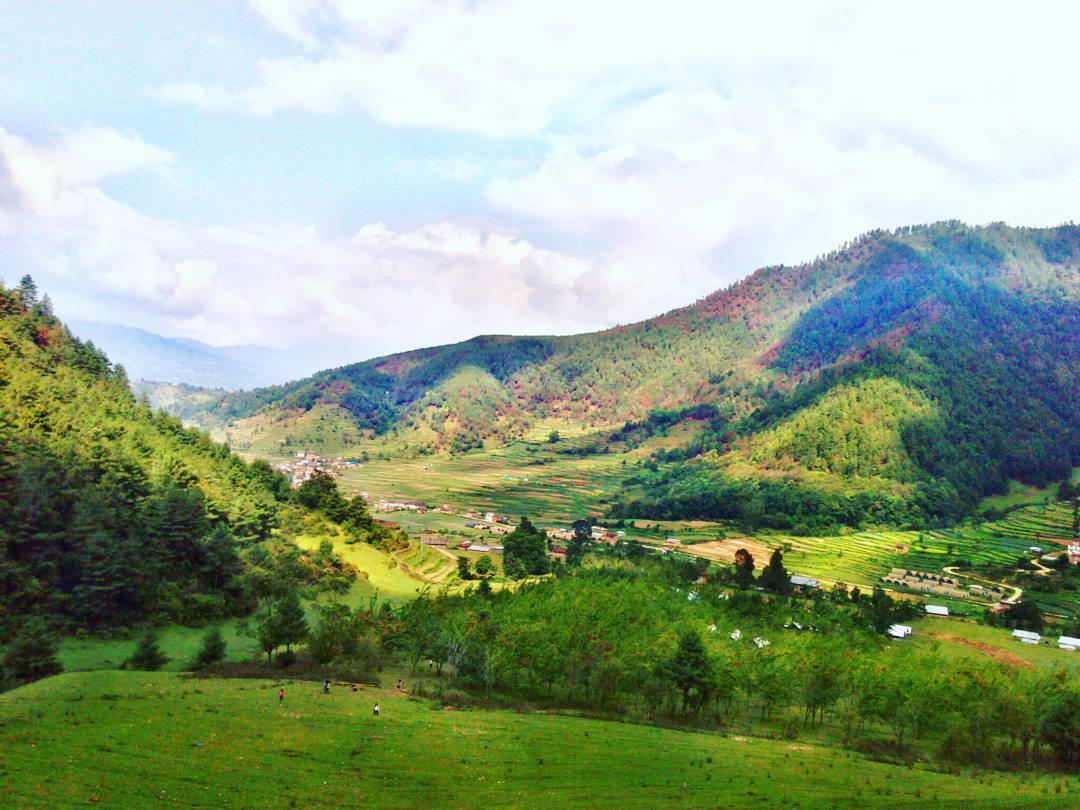
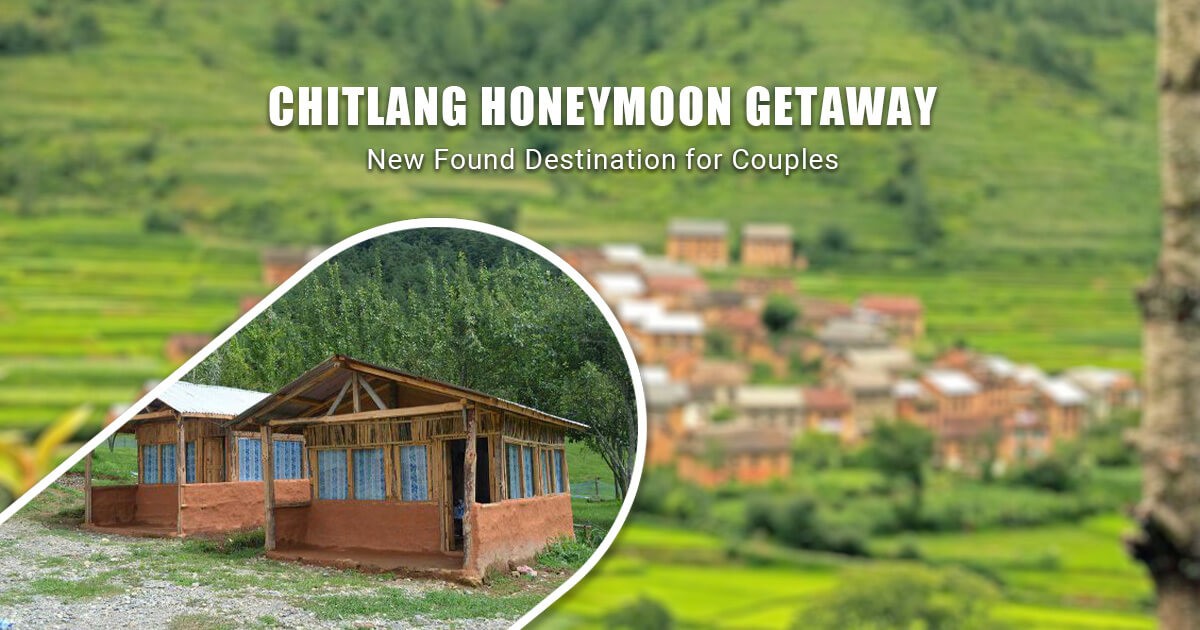
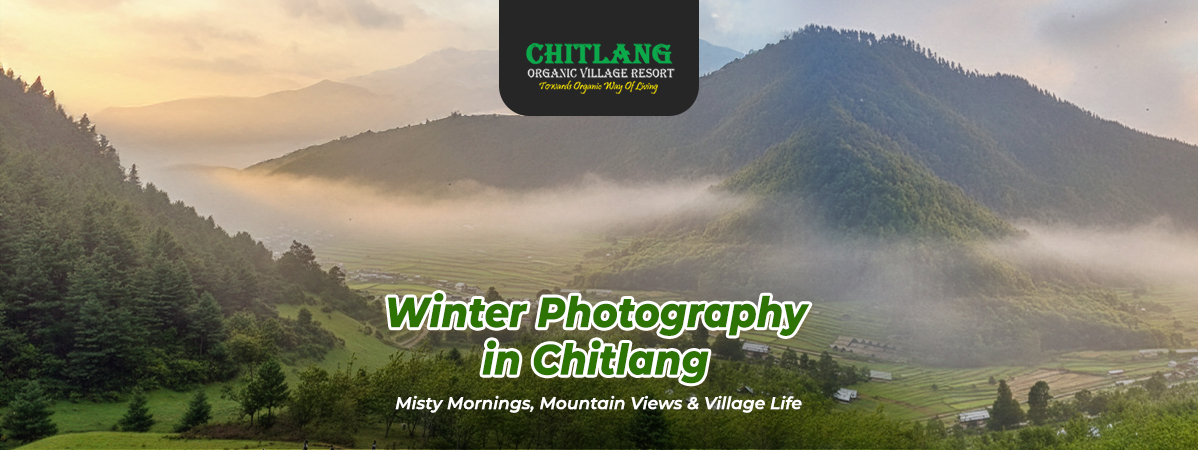
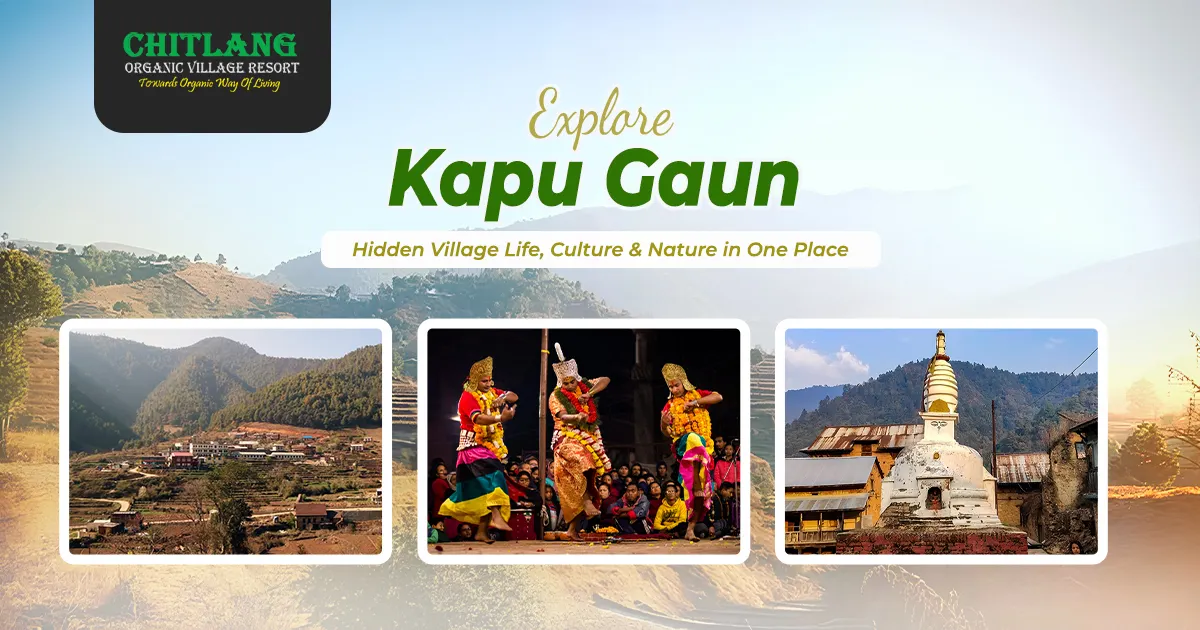
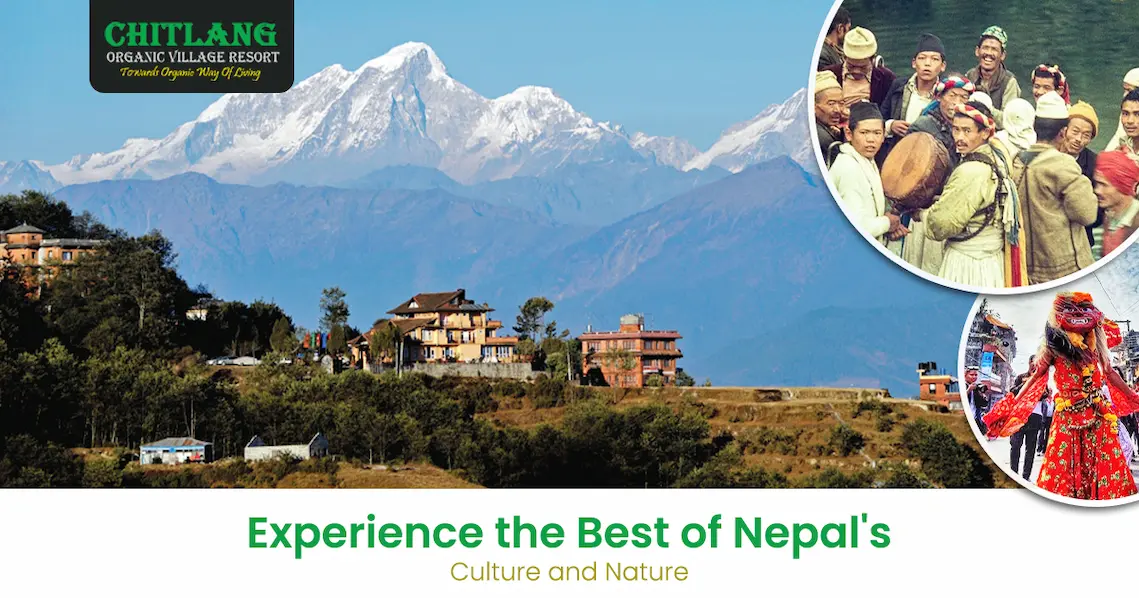
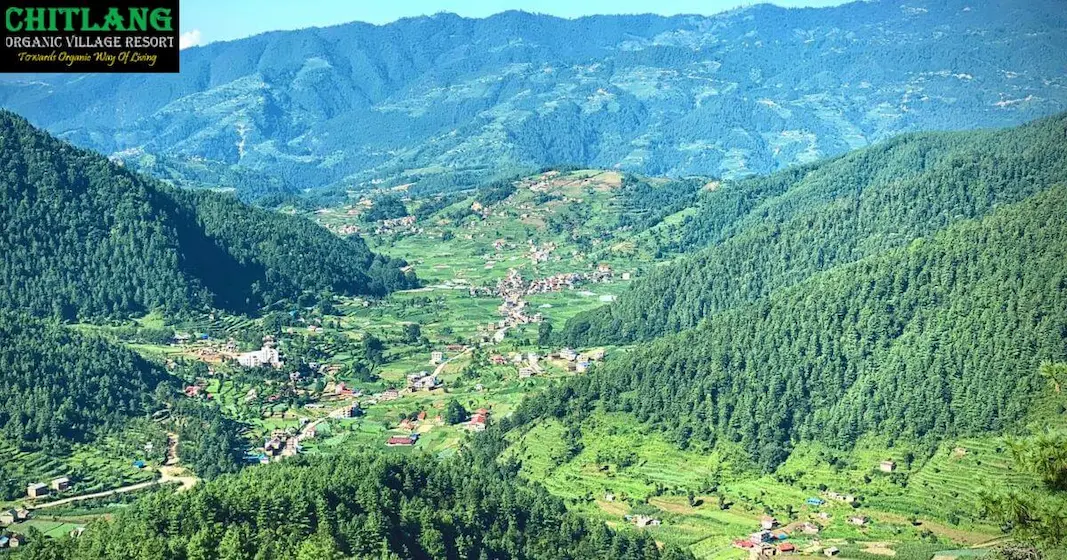
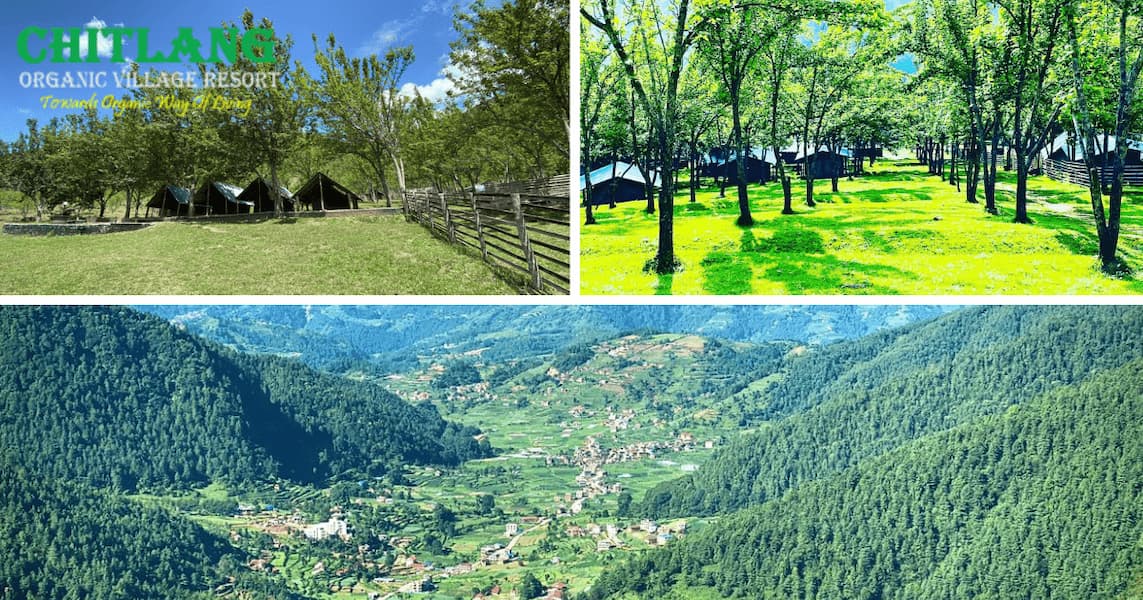
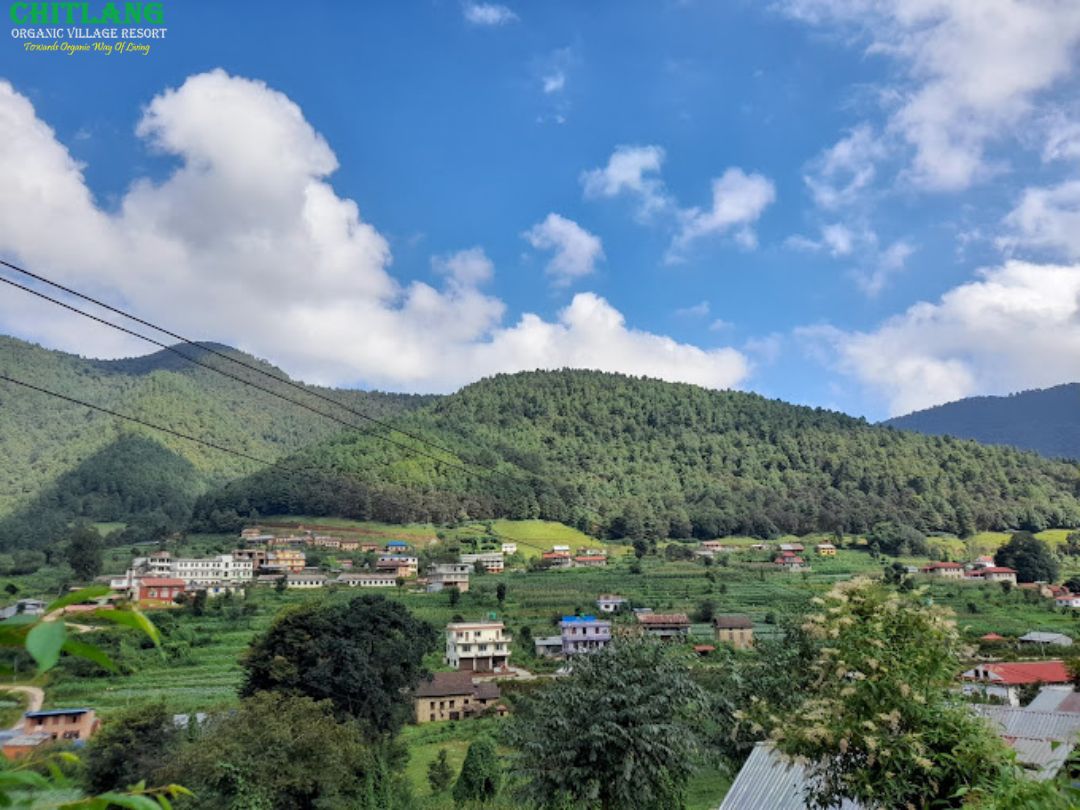
Chitlang is surrounded by terraced fields and dense forests with green hills all around. For students, this very shape proves to be an open classroom where they can learn:
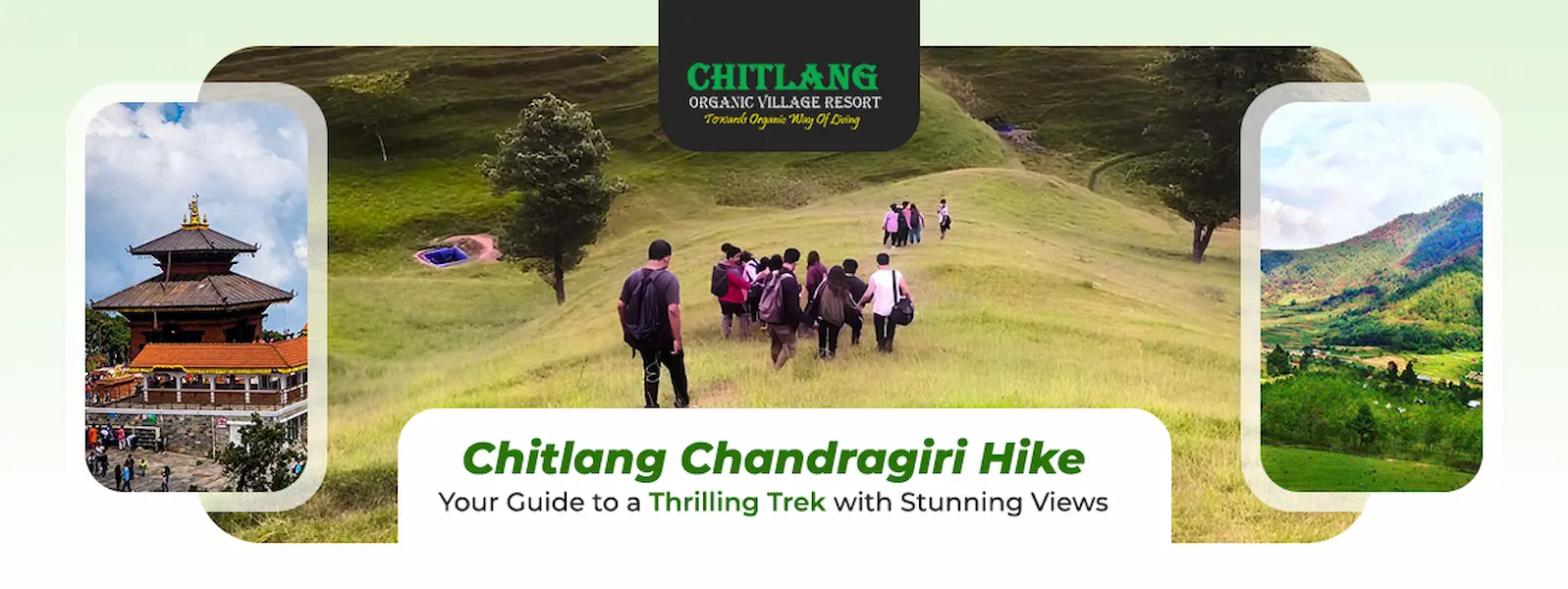
- Flora and Fauna-The Chandragiri-Chitlang hiking trail features many plant and bird species.
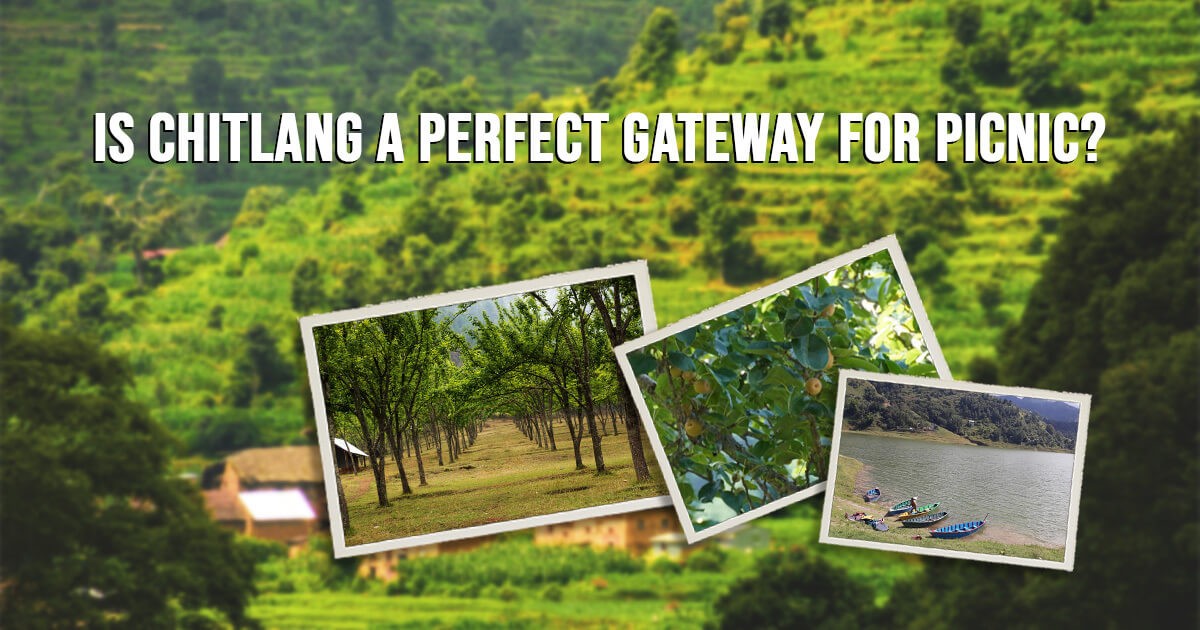
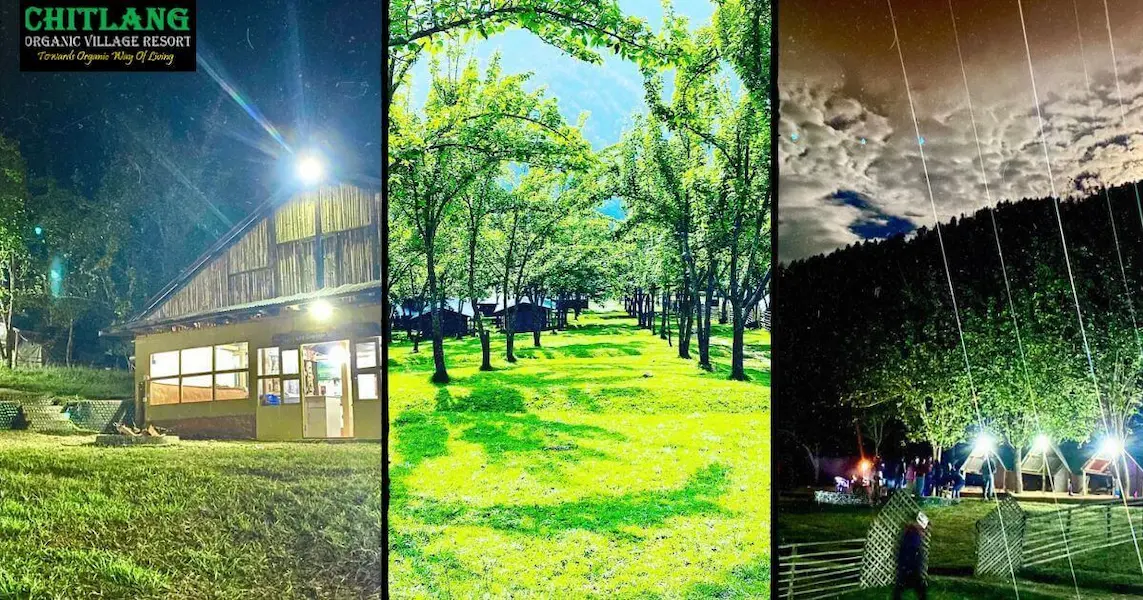
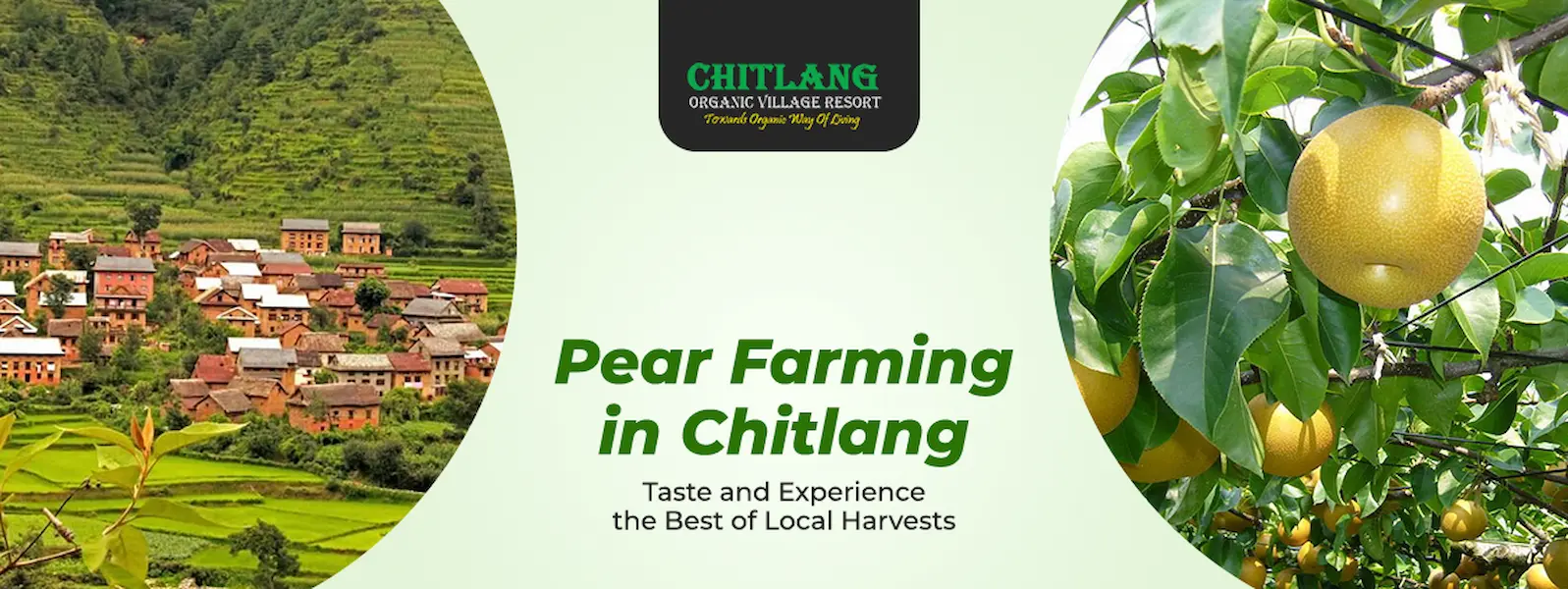
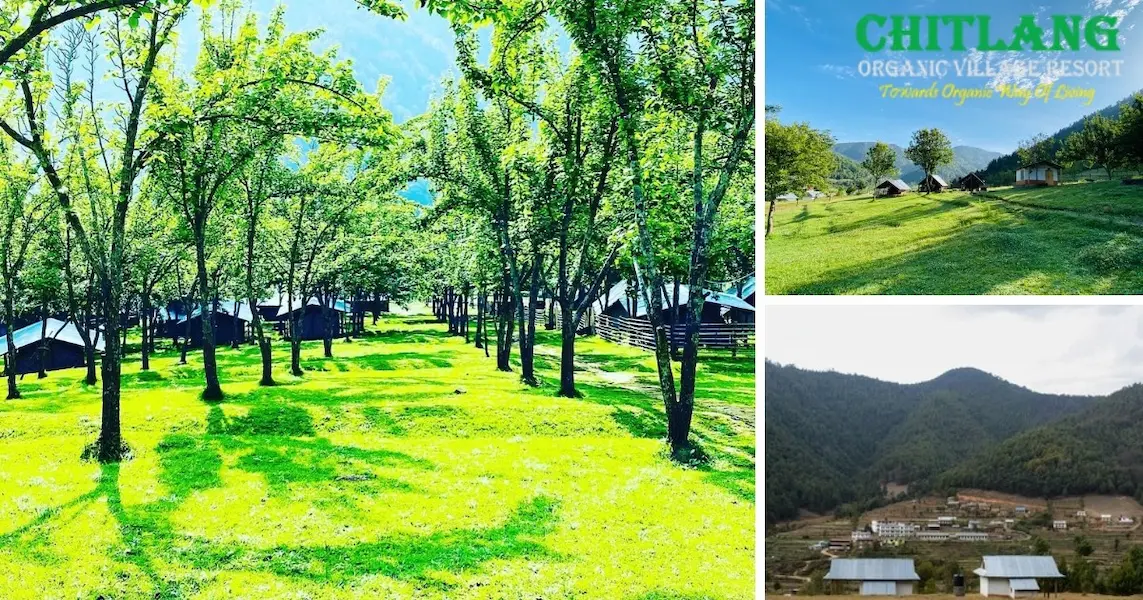
- Pear Orchards-Chitlang is very famous for its pear gardens, offering insights into local farming.
- Hydropower and Renewable Energy-Students come to learn through the small hydropower projects, linking theory with real-world applications.
2. Cultural Heritage of Chitlang
Chitlang is historically important as it was an ancient trade route to India. The students can learn about:
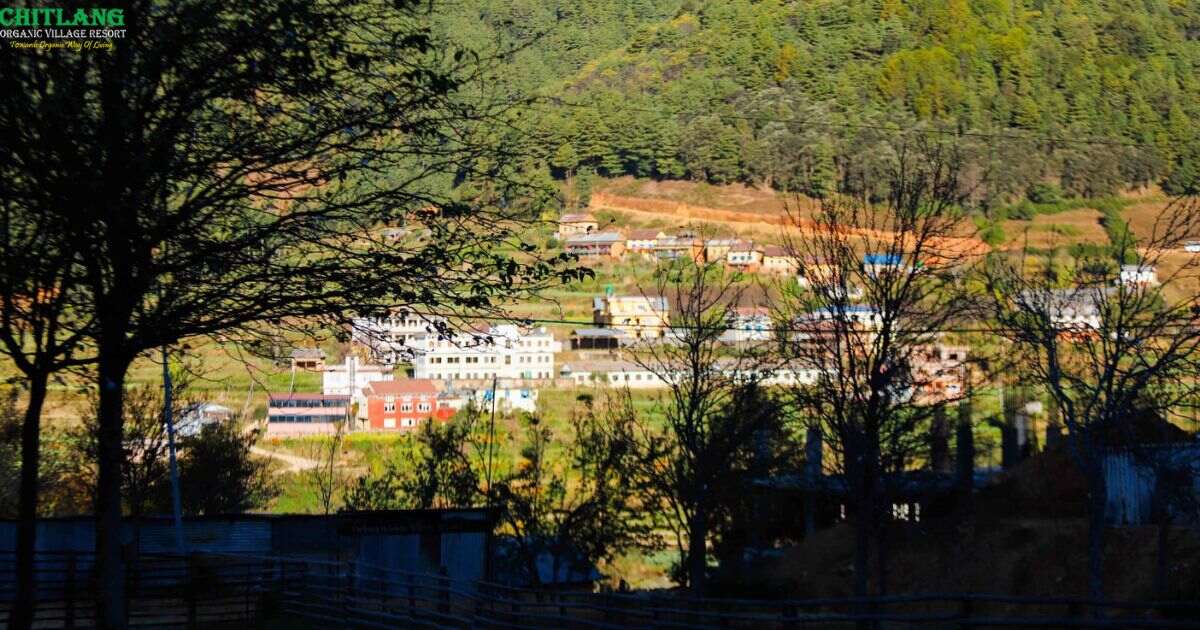
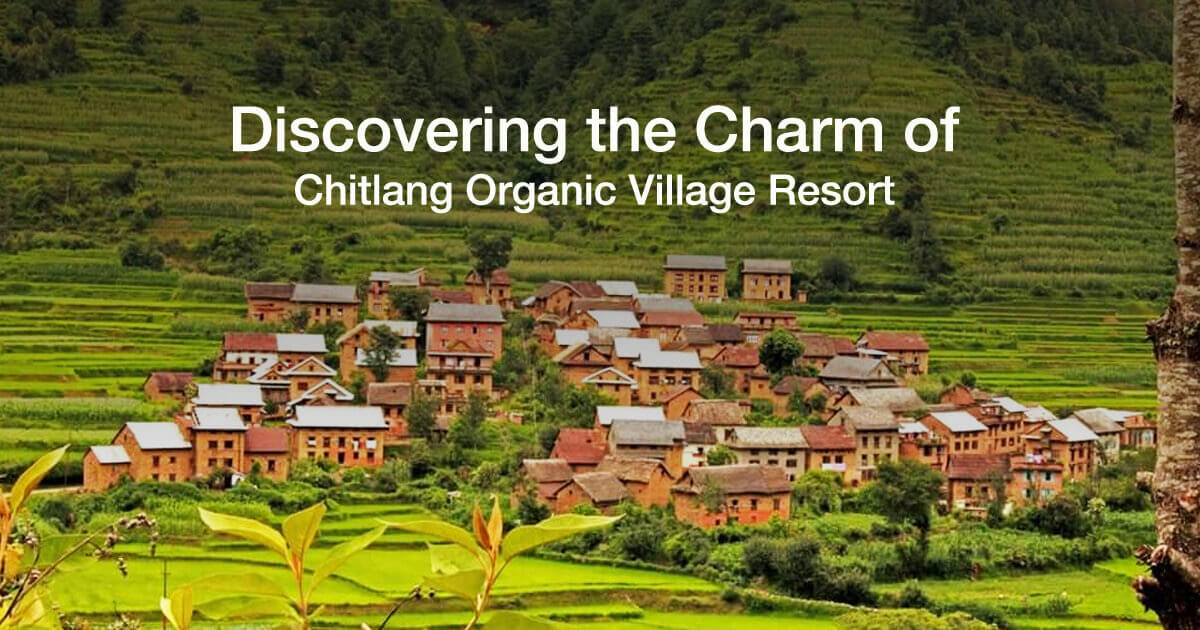
- Newari Settlements with typical houses and way of life.
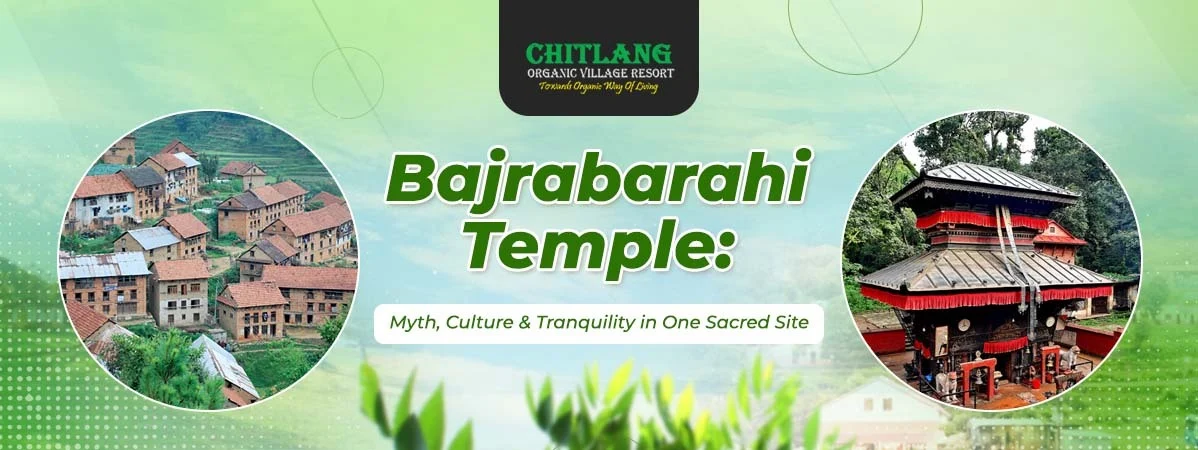
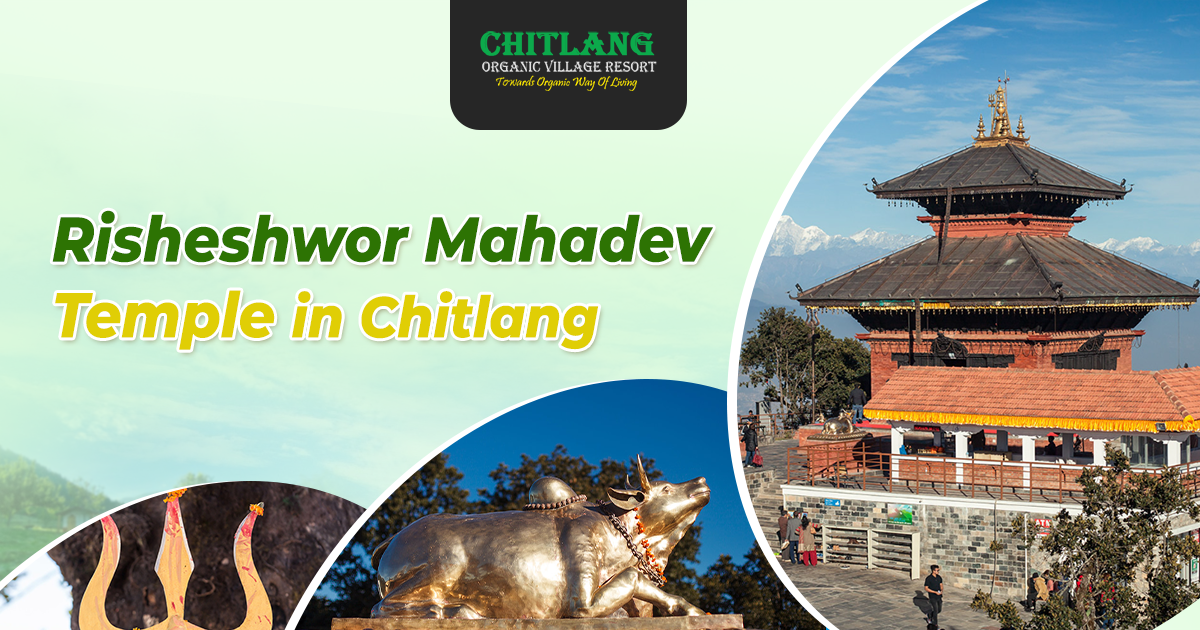
- Shiva and Buddhist temples show the co-existence between Hinduism and Buddhism.
- Historical stone inscriptions, some dating back to the Licchavi period.
3. Learning Outside the Classroom
The educational value of the tour lies in its hands-on learning:
- Physical geography students study landscape and ecosystem patterns.
- History students learn from ancient architecture and inscriptions.
- The environmental studies students observe the local agricultural practices.
- All students can learn teamwork skills to solve problems through adaptation by going out.
Hands-on Learning Activities in Chitlang
The Goat Cheese Factory
One of Chitlang’s most popular activities among students is the trip to the famous goat cheese factory established by Ashok Singh Thakuri and his wife Rita. This educational stop helps revolve concepts of entrepreneurship, food science, and sustainable agriculture into tangible learning experiences. Students will learn the complete activities in the cheese-making process, from pasteurization to aging, in addition to:
- Food Science Principles: Understanding fermentation, bacterial cultures, and how preservation techniques work
- Sustainable agriculture: Crossbreeding programs and organic practices in the learning farm
- Business development: Inspired by listening to how they built a million-dollar business from humble beginnings
- International trading: Knowing how local products reach global markets and even export to European countries
The factory visit includes activities “hands-on”, making the students participate in processes in cheese-making while upholding hygiene protocols, teaching both food safety and quality control standards.
Organic Farming and Environmental Education
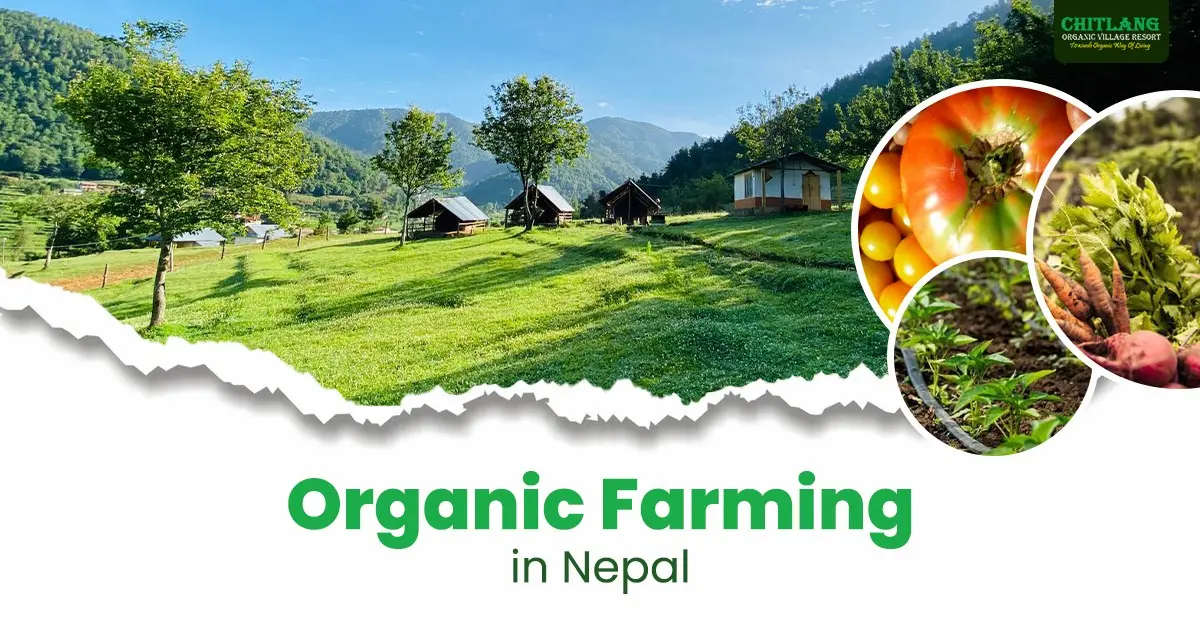
Chitlang is regarded as the organic village offering the best educational travel opportunities in Nepal on environmental sustainability. Students are actually engaged in some practical agriculture activities here to understand:
- Traditional Farming Techniques: Experience the terraced farming method that has thrived in villages for centuries.
- Biodiversity Conservation: The observation of the hundred species of birds & animals in their natural habitat.
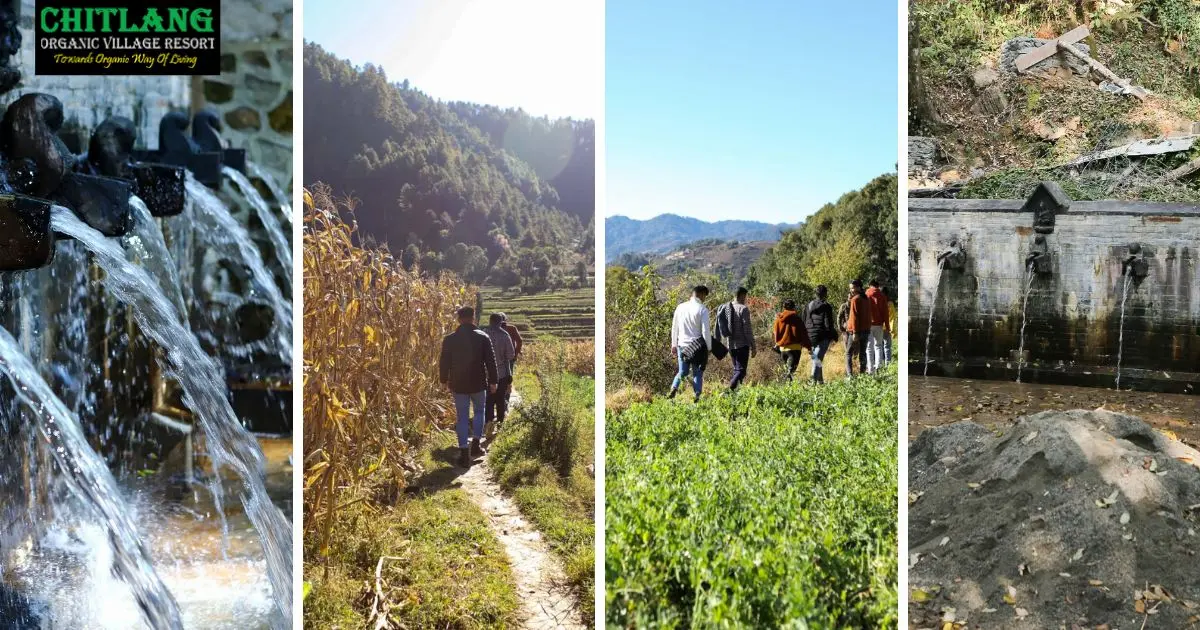
- Water Management: Study the old Saat Dhara-seven water spouts with the very modern operations of Kulekhani Dam.
- Climate Adaptation: The way traditional knowledge assists the series of communities in becoming adapted to ever-changing conditions around them.
Archaeological and Historical Research
These are a Chitlang educational tour package for a rare archaeological learning experience that doesn’t happen easily in the normal classroom. Students can learn:
- Ancient Inscriptions: Read all the stone carvings from the Lichchavi period to discover some pieces of historical evidence, giving light on the past of early Nepalese civilization.
- Architectural Analysis: Comparing the traditional Newari building technique with modern construction methods.
- Religious Studies: Looking into the syncretism of Hindu and Buddhist traditions through temple visits and the local festivals.
- Trade Route History: Understanding the importance of Chitlang as a vital link between India and Tibet in ancient days.
Cultural Immersion that is Socio-learning
Multi-Ethnic Community Involvement
The student tours of Chitlang experience provide authentic cultural immersion through interaction with Newar, Tamang, and Khas communities. Students gain a firsthand understanding of:
- Diversity: Cultures can be seen through very different and distinct traditions in living together harmoniously.
- Language Preservation: Learners will find out how certain local dialects, like the Chitlang dialect, for instance, of Nepal Bhasa, have been maintained.
- Traditional Crafts: They will be observing metalwork, pottery, and weaving techniques passed from generation to generation.
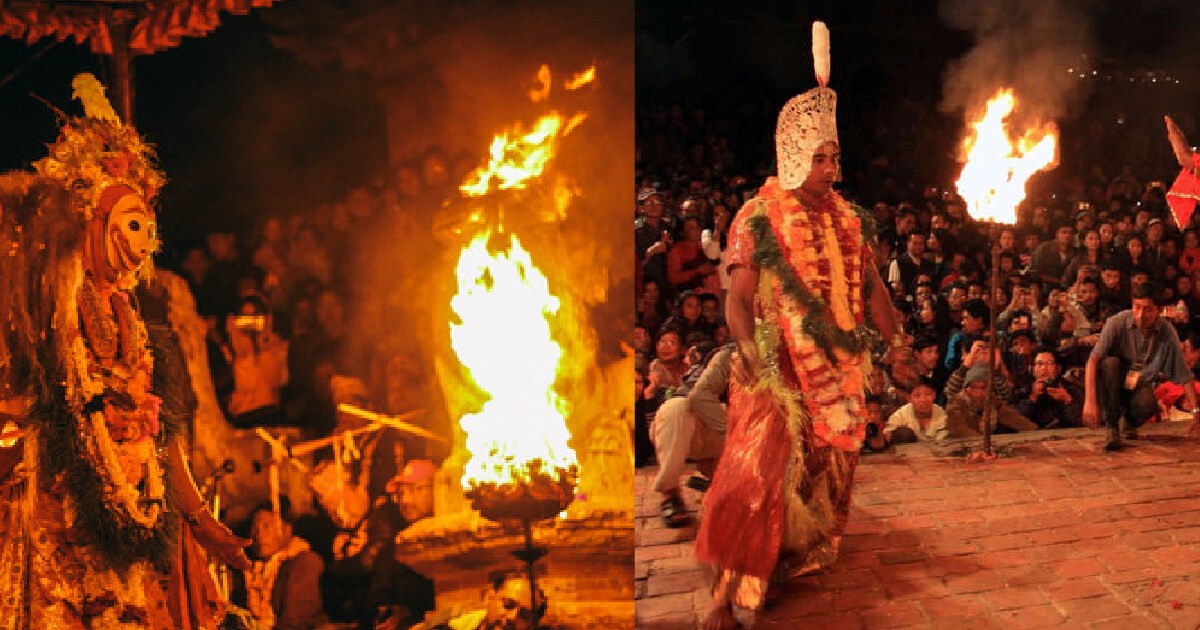
- Festival Celebrations: Participating in the local festivals like the 12-year Dance, Bhairav Jatra, and Khadga Jatra at a convenient time
Homestay Experiences and Community Integration
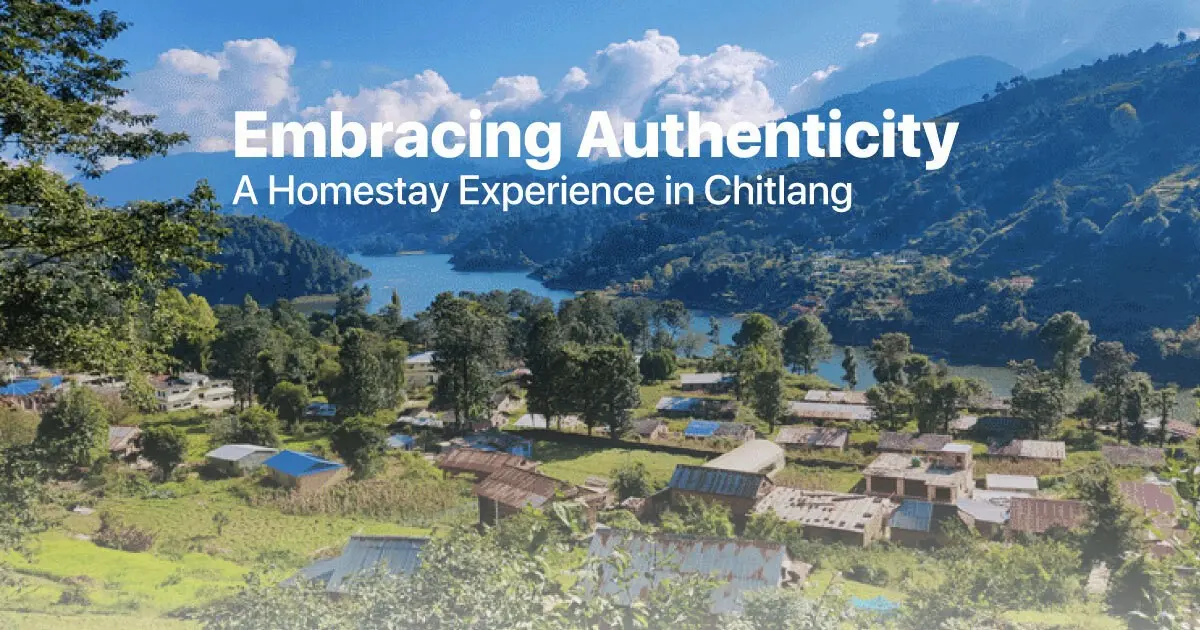
Nepal study tours in Chitlang offer the most integrated homestay experience wherein students live with a local family, having daily meals and participating in daily work. To be totally immersed in such an experience gives rise to:
- Cultural Sensitivity- Cultural respect and sensitivity towards varied lifestyles
- Communication Skills: Developing the capability to communicate across cultural and linguistic barriers
- Independence and Adaptability – Very confident through personal navigation of foreign environments
- Global Awareness: Gaining an understanding of different socioeconomic conditions and ways of life.
For Some Extra Practical Skills Development
Leadership and Teamwork Developing
Chitlang Usage Activities give students time to exercise leadership skills and collaborative problem-solving skills. Students commonly organize themselves into research teams, each of which is investigating different aspects of village life:
- Project Management: Coordinating group research projects on sustainable agriculture or cultural preservation.
- Communication: Presenting findings to peers or members of the local community.
- Conflict Resolution: Working with group dynamics and creating solutions to logistical problems.
- Resource Management: Learning to manage time, money, and materials during extended fieldwork.
Planning Your Visit to Chitlang for Education
Best Timing and Duration
Learning tours to Chitlang in Nepal have certain seasons and times of the year that favor them:
- Best Seasons: October-November and February-April offer the best weather.
- Duration options: Varying in time, the length of the program is one day to one week, and extremely intensive.
- Group Size: 15-30 students to one faculty member is optimal for learning.
- Advance Planning: Book 3-6 months in advance so that accommodations are guaranteed and the program can be customized.
Future of Educational Travel in Nepal
Emerging Trends and Technologies
Educational travel in Nepal is undergoing an evolution with a variety of digital new approaches and technologies.
- Digital Integration: Using apps and devices to enable learning and to make it real.
- Research Collaborations: Ongoing interdisciplinary research with school and university collaborations.
- Skill-based Learning: Practical skill-building in entrepreneurship, environmental management, and cultural interpretation.
- Global Connectivity: Virtual global connections with schools of similar research issues.
What Makes Chitlang Organic Village Resort Special?
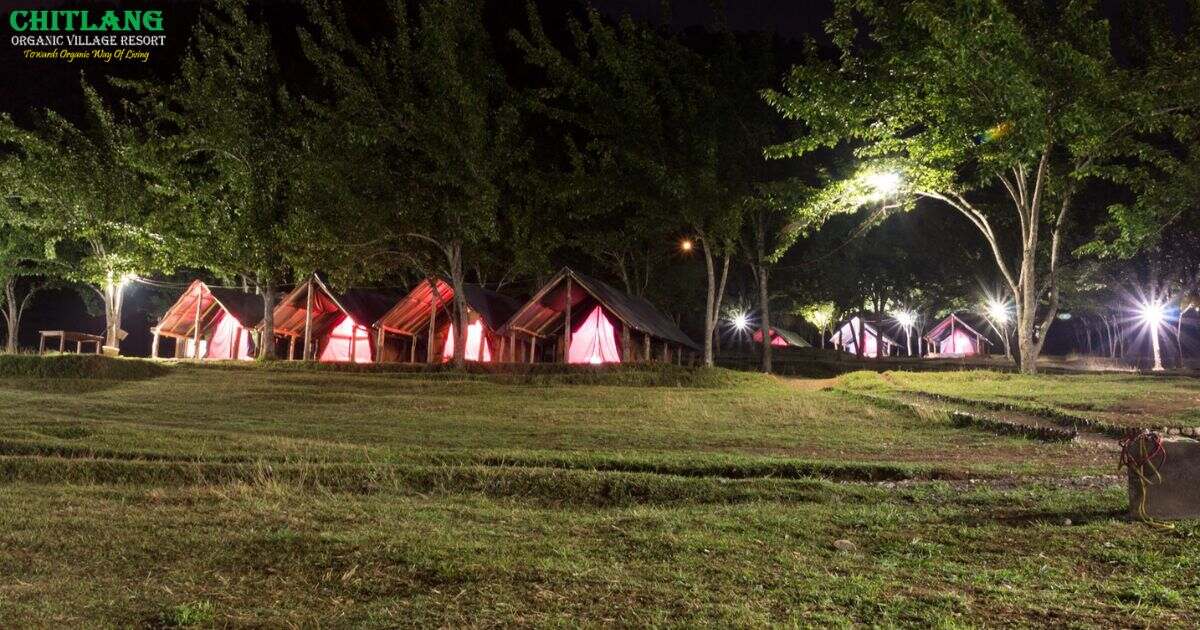
It requires expertise to organize and run educational travel without compromising on safety and rewarding activities, and that’s where Chitlang Organic Village Resort comes into play.
- Customized itineraries: Designed according to individual student needs embedded within the curriculum.
- Affordable: Massive reduction of charges for school groups.
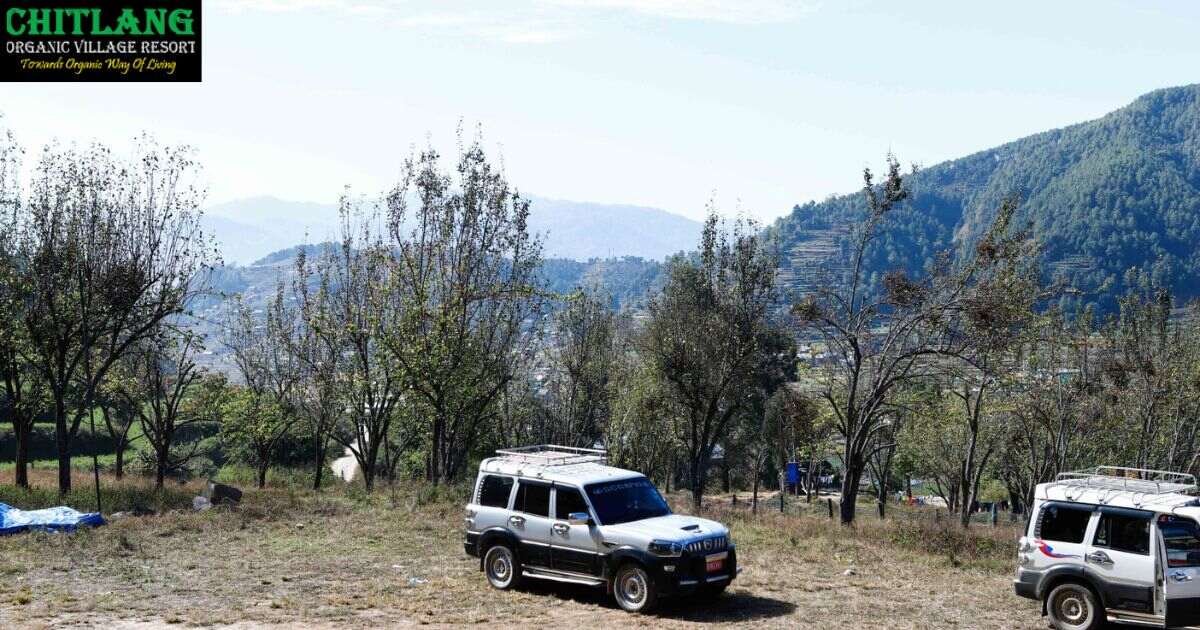
- Safety on High: Safety precautions – well-experienced guides, safe transport, support of teachers.
- Balanced Approach: Equal emphasis on learning and fun.
Booking with Chitlang Organic Village Resort essentially ensures that students will teach an inevitable yet very memorable lesson in the history of learning.
Conclusion: Chitlang-The Place Where Education Meets Adventure
The Chitlang Student Educational Tour Package is far more than a trip-an investment in experiential learning as education intersects with self-enrichment. Students return with notepads and notes and with tales, poise, and priceless wisdom regarding Nepalhood and the heritage of landscapes.
Chitlang is the top choice for 2025 and beyond if you are a school administrator, parent, or teacher searching for an outstanding learning experience for students.
Book your next Chitlang Educational Tour with Chitlang Organic Village Resort Nepal, and let your students dive into out-of-classroom learning bliss.
Frequently Asked Questions (FAQs)
1. What does the Chitlang Educational Tour package include?
Ans. Typically, the package covers transportation, guided tours, meals, accommodation if overnight, and educational activities covering farm visits, cultural sites, and nature hikes.
2. How far is Chitlang from Kathmandu?
Ans. Chitlang is about 22 km southwest of Kathmandu, an easy short trip to have for schools and student groups.
3. Are Chitlang educational tours safe for students?
Ans. Absolutely. Under proper guidance and supervision, it is really safe. Reputed tour operators like Chitlang Organic Village Resort make sure that their guides receive good training, provide sound transport, and carefully plan itinerary arrangements.
4. What do students learn in Chitlang?
Ans. Students will learn about the cultures of Nepal, sustainable farming, and local traditions, as well as natural ecosystems and social and collaborative skills.
5. For which grades is this tour most useful?
Ans. This trip is mainly for the benefit of grade 9 and grade 10 students, but it would be useful for younger and university groups, also focusing on experiential learning.