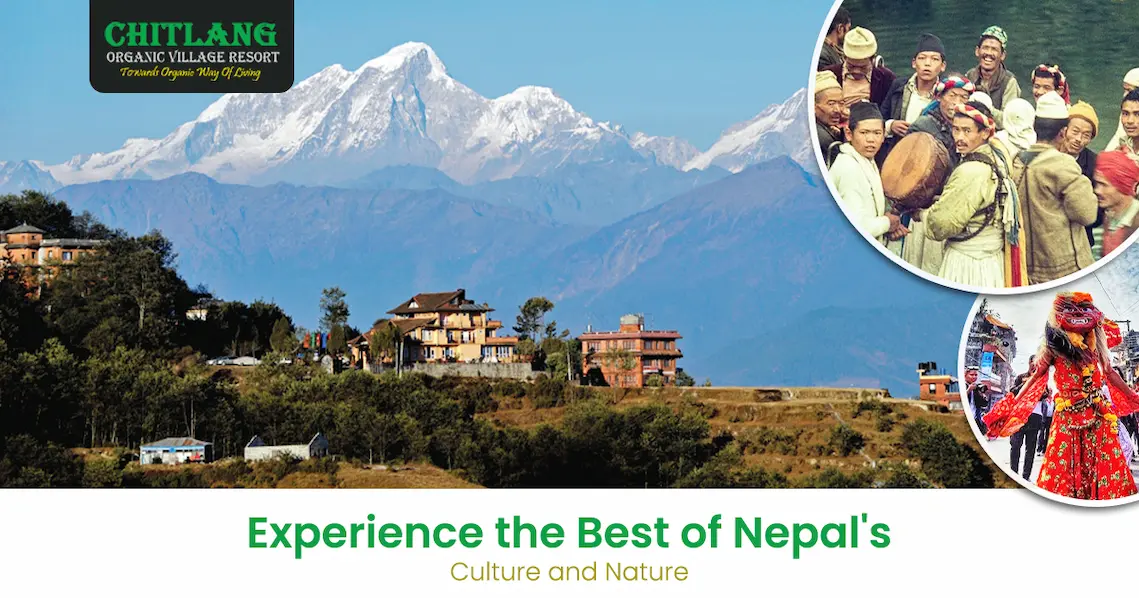
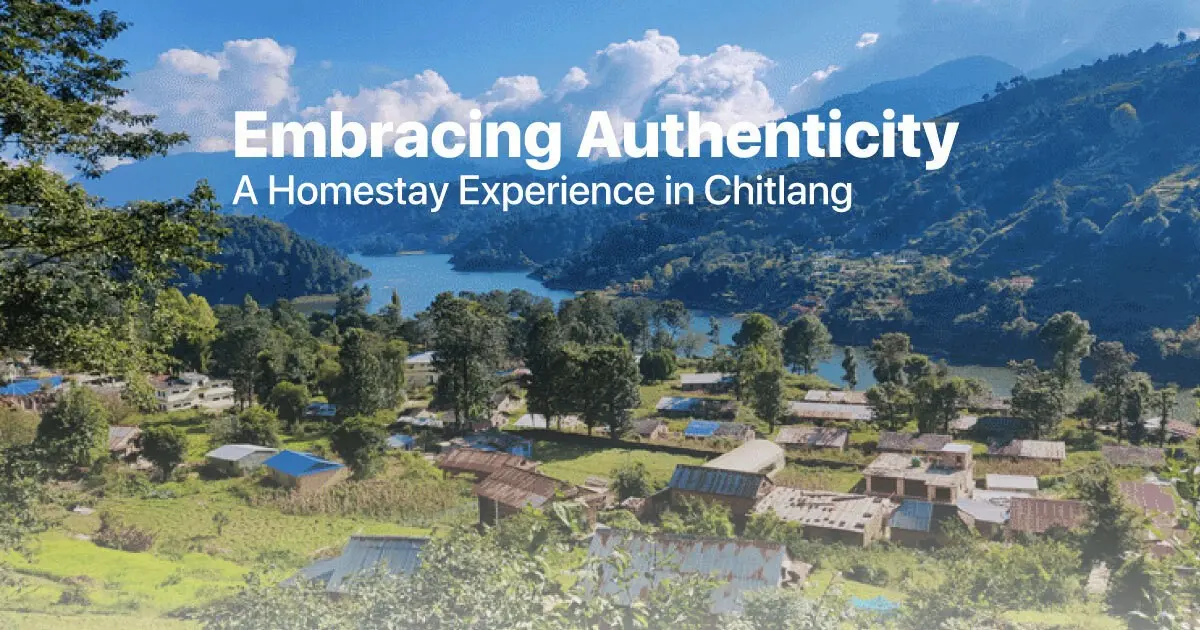
Within a 60-kilometre radius of Kathmandu lies this picturesque loop blending ancient trails and panoramic hilltops with lakeside serenity. More than just a quick weekend getaway from the city, the Chandragiri–Chitlang–Kulekhani 3-Day Circuit Adventure is a carefully put-together route going from misty hilltops to heritage villages and Nepal’s largest man-made lake.
Imagine the moment you get up in Kathmandu, within hours, you are able to get on a cable car up to Chandragiri Hill and enjoy some breathtaking Himalayan vistas; walk along centuries-old trade routes to the Newar village of Chitlang; and have time left to relax beside the tranquil waters of Kulekhani Reservoir. That is to say, it is a very rare combination of ease and depth: easy trails, deep local culture, and lakeside relaxation-the perfect mix for starry-eyed aspiring trekkers, families, or anyone seeking a serene weekend trip away.
This guide will walk you through the entire itinerary day by day, highlight essential packing tips, offer a comparison of travel options, and uncover the cultural gems that make this route truly special. Whether you are in the mood for history, culture, nature, or the adrenaline rush of a low-effort high-reward trek, this 3-day circuit delivers it all.
Why Choose This 3‑Day Circuit?
| Day | Activities |
|---|---|
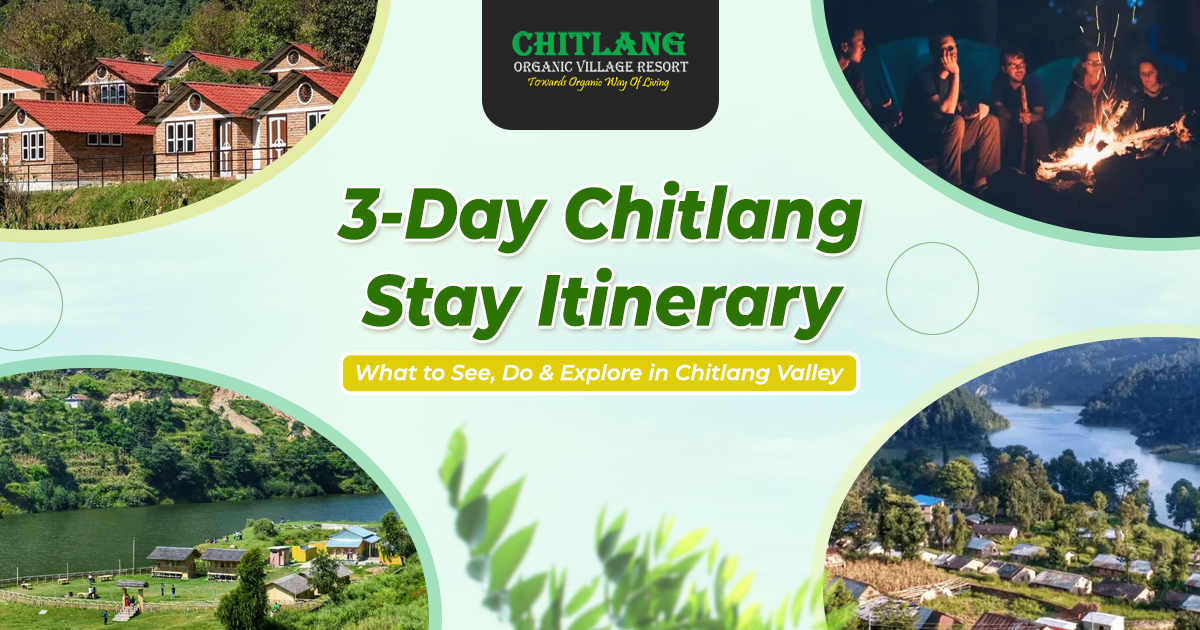
| Day 1 | Ride the Chandragiri Cable Car → Enjoy Himalayan & valley views → Trek down to Chitlang |
| Day 2 | Explore Chitlang (Newar culture, goat cheese tasting) → Hike to Markhu/Kulekhani reservoir |
| Day 3 | Relax by the lake → Go boating → Return to Kathmandu via jeep or bus |
Itinerary Overview
Day 1: Kathmandu → Chandragiri → Chitlang
- Drive early from Kathmandu to Thankot (about 45 minutes), then board the famed Chandragiri Cable Car for quick and lovely views at 2551 meters up; buying just the return ticket around USD 16 makes for a stress-free ascent. With 38 glass cabins operating at a pace of 1,000 passengers per hour, hardly ever is there a queue except on festival days.
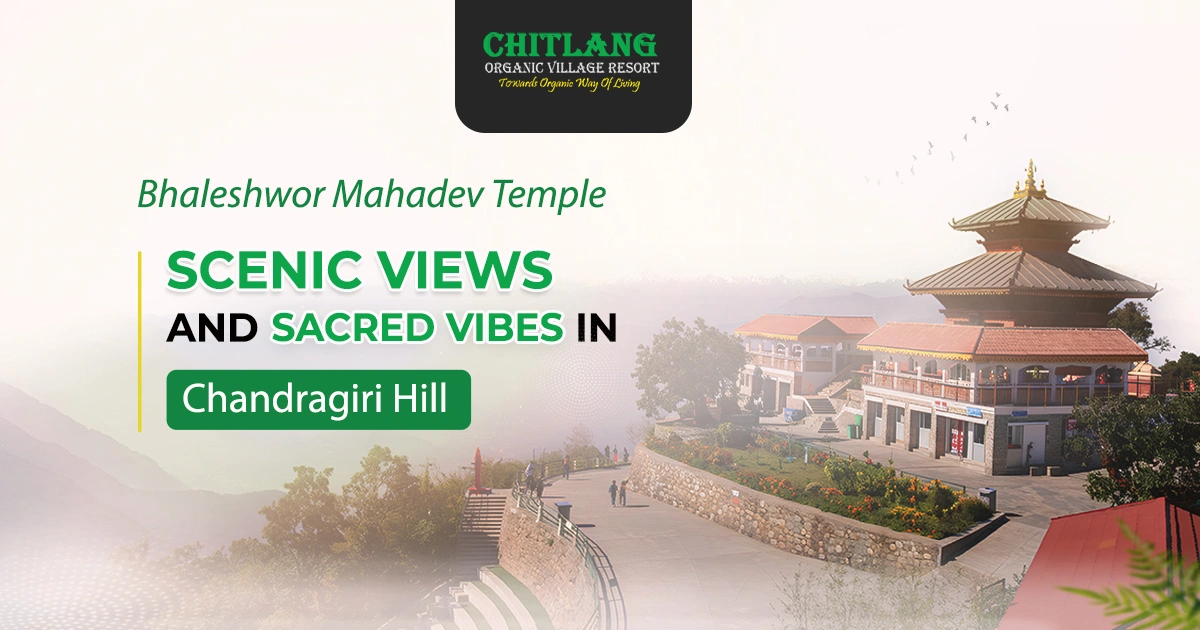
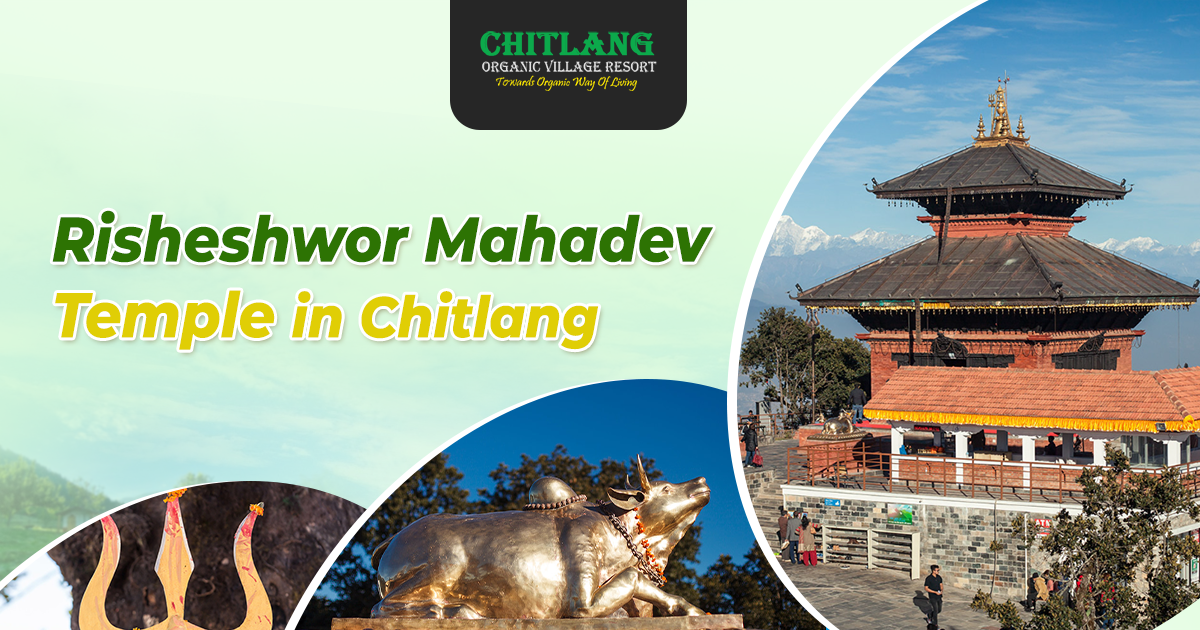
- At the summit, the 18th-century shrine of Bhaleshwor Mahadev anchors the plaza where King Prithvi Narayan Shah sat and strategised his attack on the three kingdoms of the Mallas, ultimately unifying Nepal. The Temple is one of those sites full of mythological and historical energy, famous for its connection to Shiva and Sati Devi. On a clear day, views stretch all around from the Himalayan range of Annapurna to Everest.
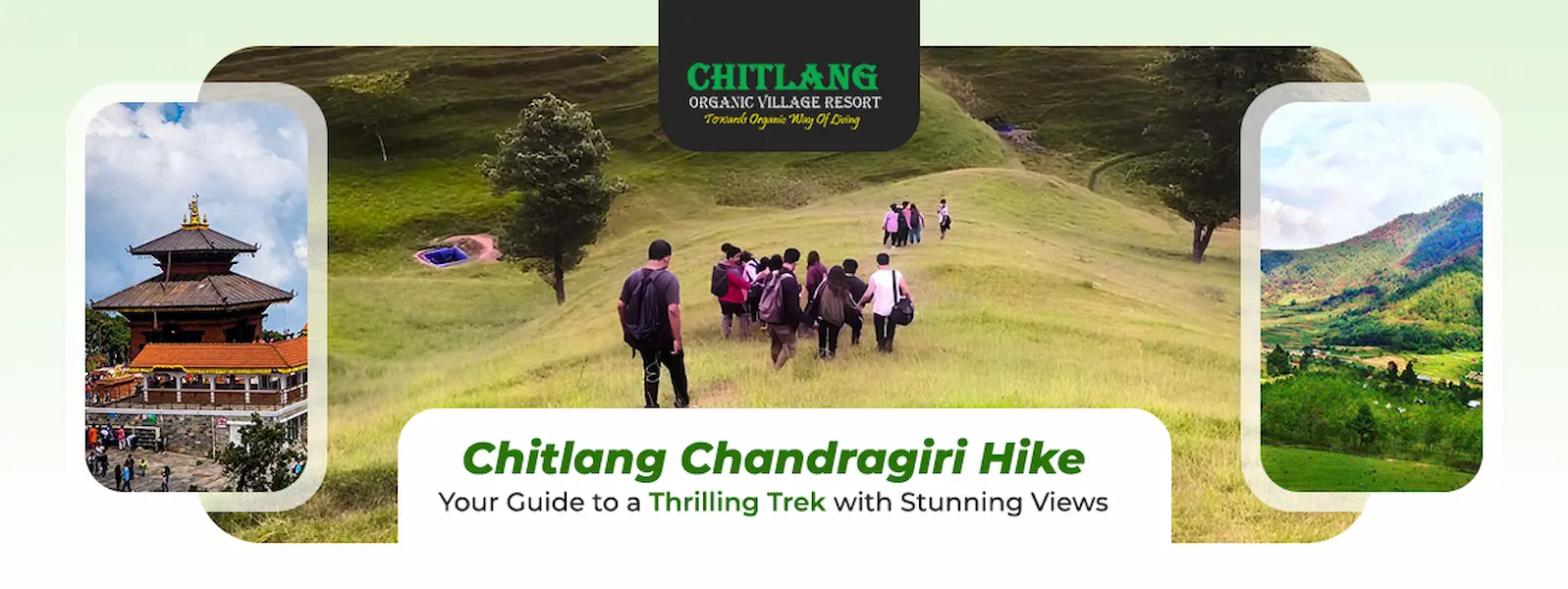
- You can have lunch at one of the nearby hilltop cafes and begin a 2-3 hour walk down through pine and rhododendron forests toward Chitlang Village.
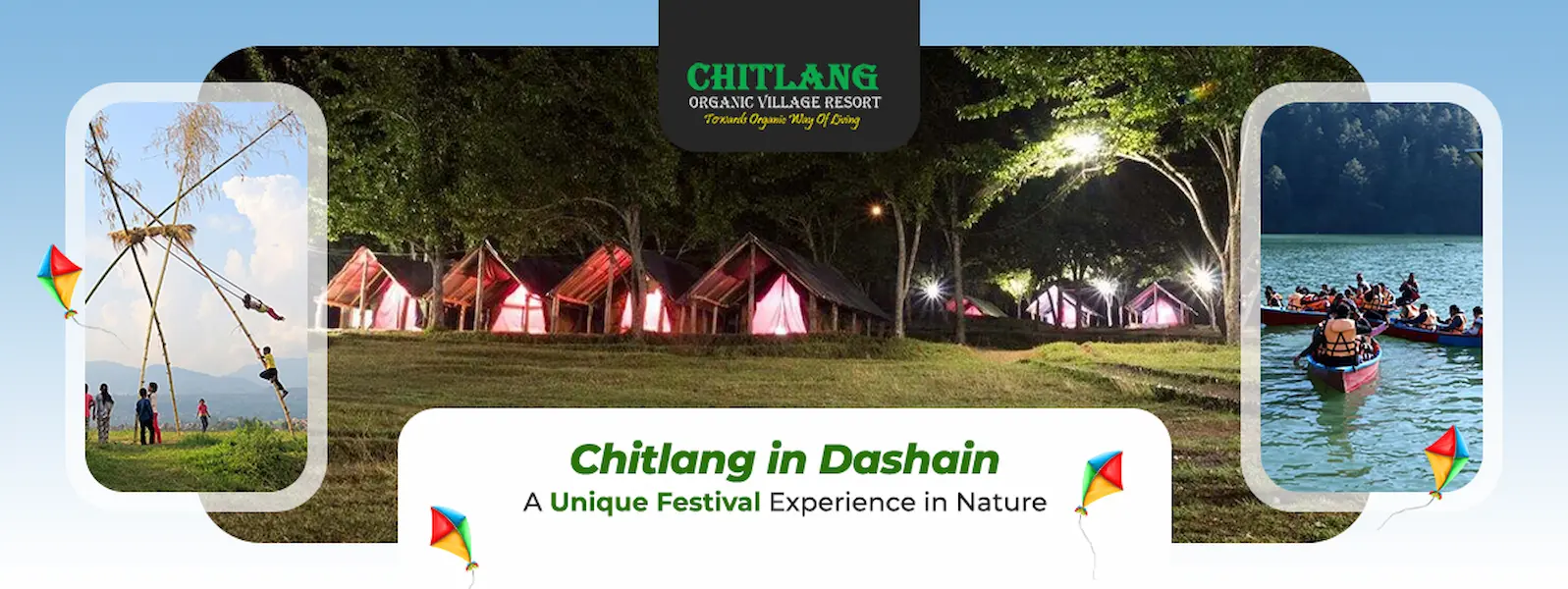
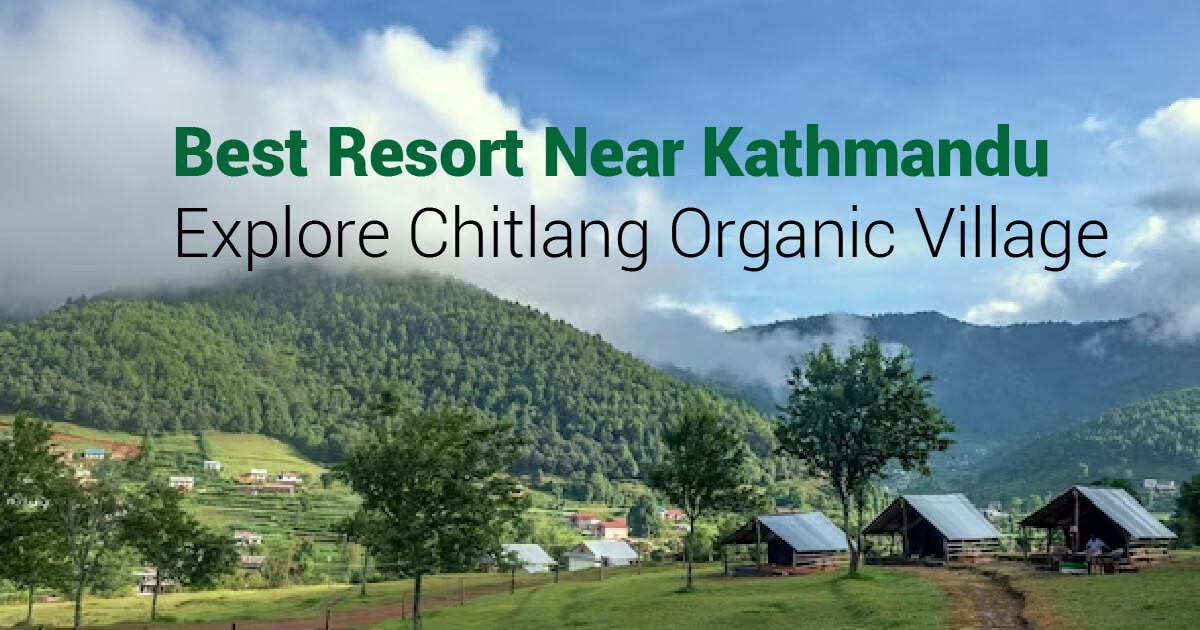
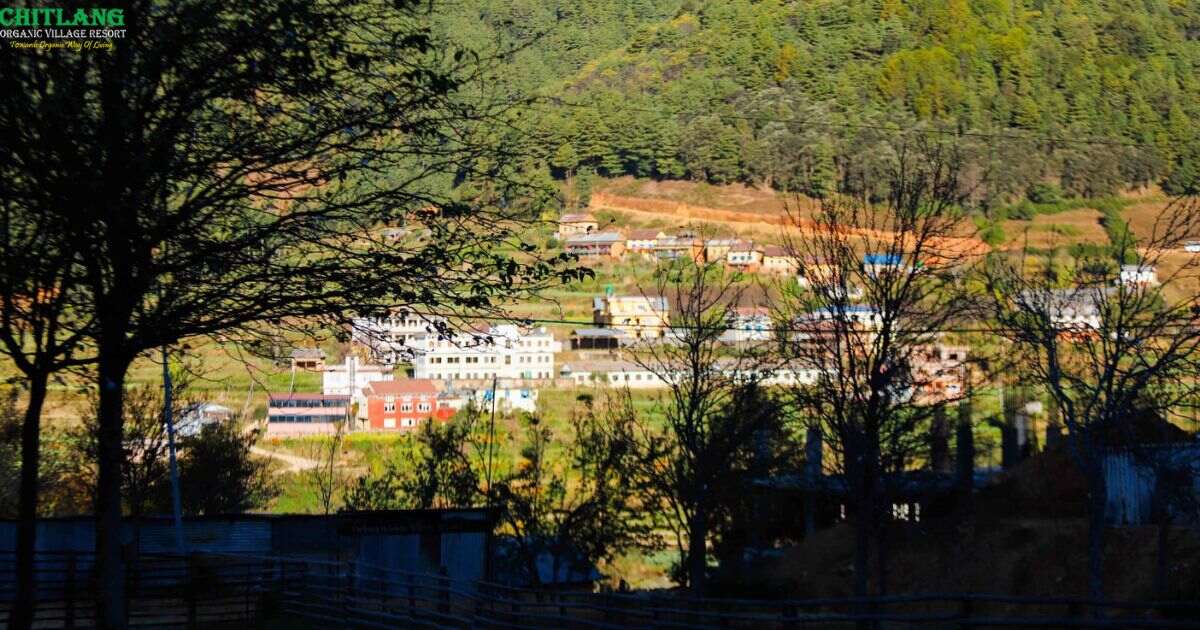
- Arrive at the village just in time to unwind at a homestay or lodge, where you’ll enjoy cheese-making, campfires, and local drinks — the ultimate cultural experience.
Day 2: Chitlang → Markhu → Kulekhani
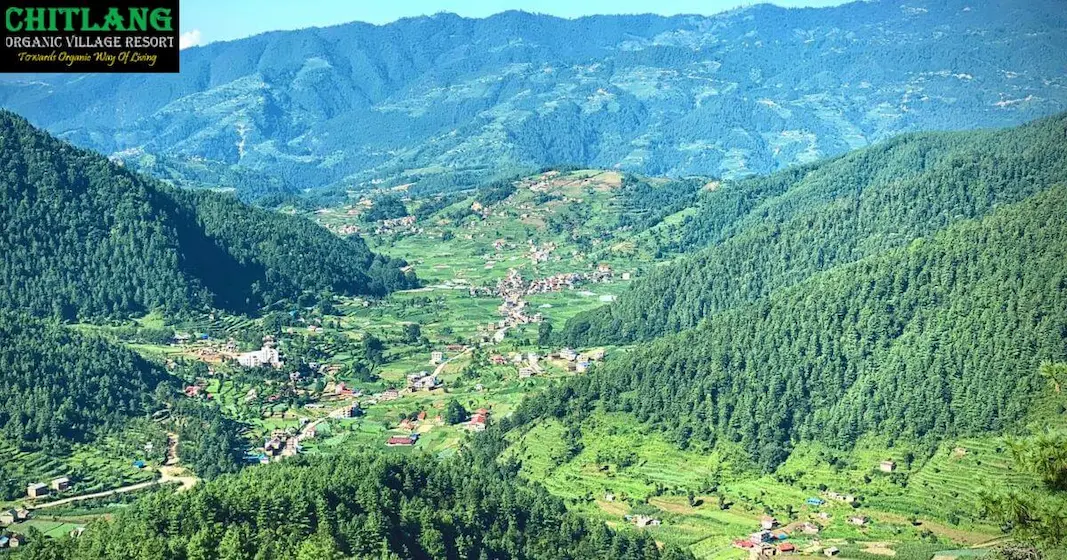
- Skip going back on the cable car, and take the old trade route southwest. The path descends through rhododendron and oak trees, passing stone rest stops at Chhap Bhanjyang before reaching the Chitlang Valley. Even if you take it easy, you’ll get to the village in time for a fresh lunch.
- Goat Cheese Factory: Start your day by going to the Goat Cheese Factory in Chitlang. It was the first one in Nepal. People visiting can find out about how they make cheese the old way and the European way, try different goat cheeses, and eat fresh food from the farm.
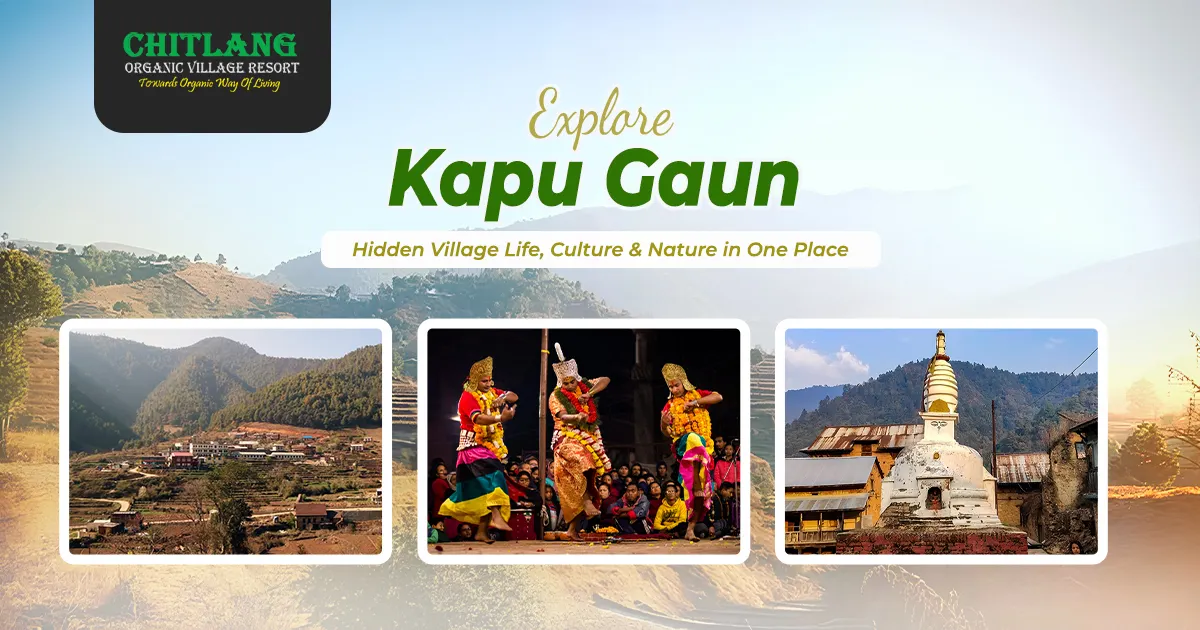
- Ashoka Chaitya: Before you walk on, make a short stop at the Ashoka Chaitya, a stupa that they say is from when Emperor Ashoka lived. This quiet, old monument is in the village, showing that Chitlang is important to the soul and was on old trade routes.
- After eating a traditional breakfast, walk for about 1.5–2 hours through farmland and quiet hills to Markhu. Stop to see great views at places like Bhedi Chaur to enjoy the Himalayan mountains.
- Keep going to Kulekhani/Indra Sarovar, which is a water source for electricity surrounded by forests. Arrive there in time to enjoy boating and eat lunch by the lake. They cook trout and locally farmed carp from the lake—try the fried fish (machha-bhuteko) and then chilli-sauce momos for the full Markhu experience.
- In the afternoon, take a bus back to Kathmandu (about 2–3 hours). Or, you can hire a private jeep or jeep-bus if you want to make extra stops.
Day 3: Return to Kathmandu
- Most people drive back through Pharping and the Dakshinkali area. If you want, you can stop at the temples there.
- You’ll probably be back in Kathmandu in the early evening, so you’ll have time to think about your trip and look around Thamel or places nearby.
Trekking Difficulty: Relaxed but Rewarding
- Although classified as easy, this trek includes some gentle uphill and downhill stretches:
- Chandragiri: The cable car ride up to Chandragiri is quick and comfortable, offering an easy, moderate walk along the hill, bypassing the hard climbs.
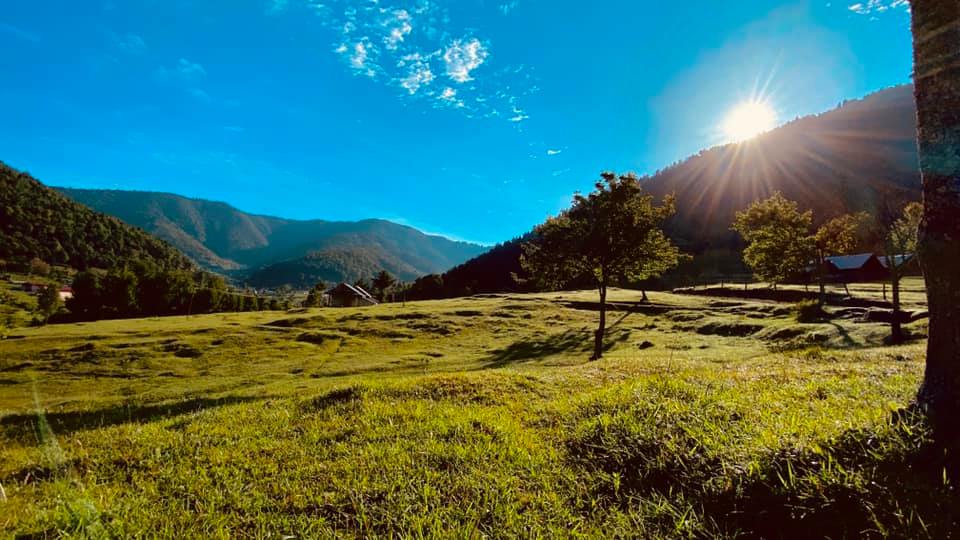
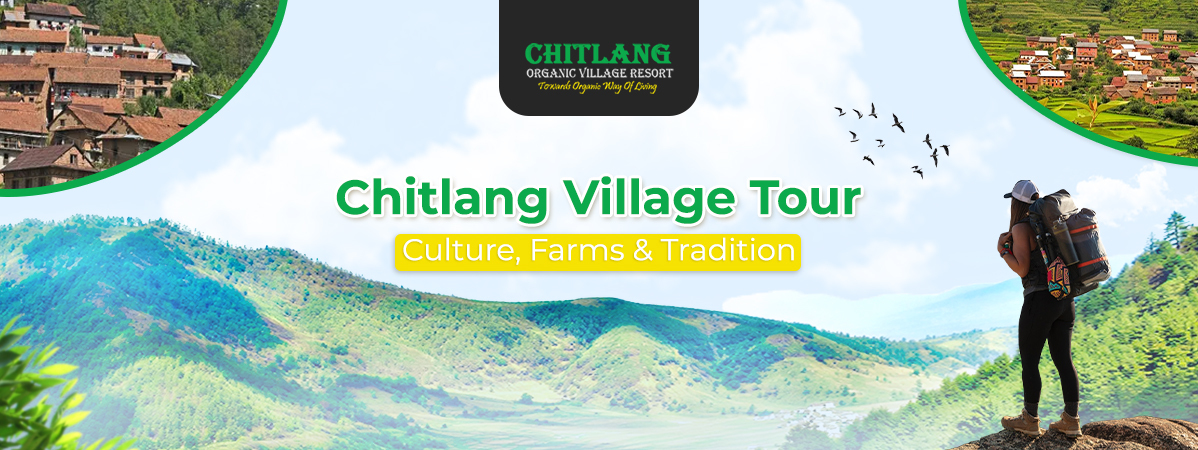
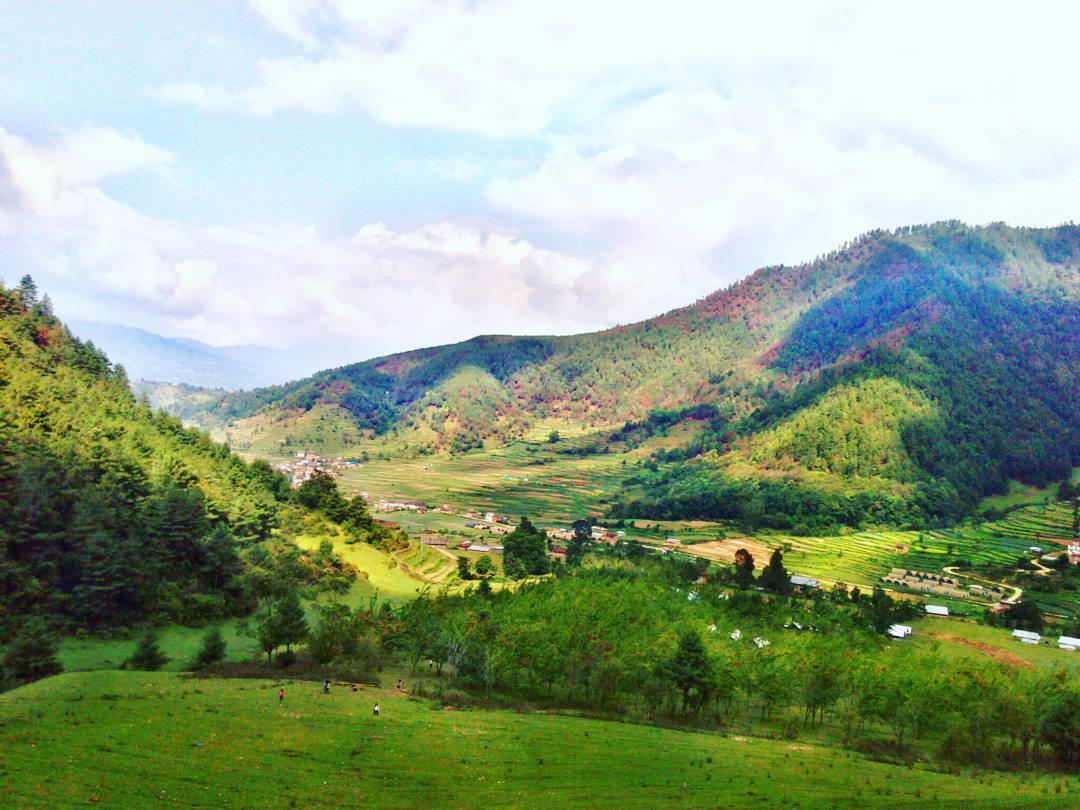
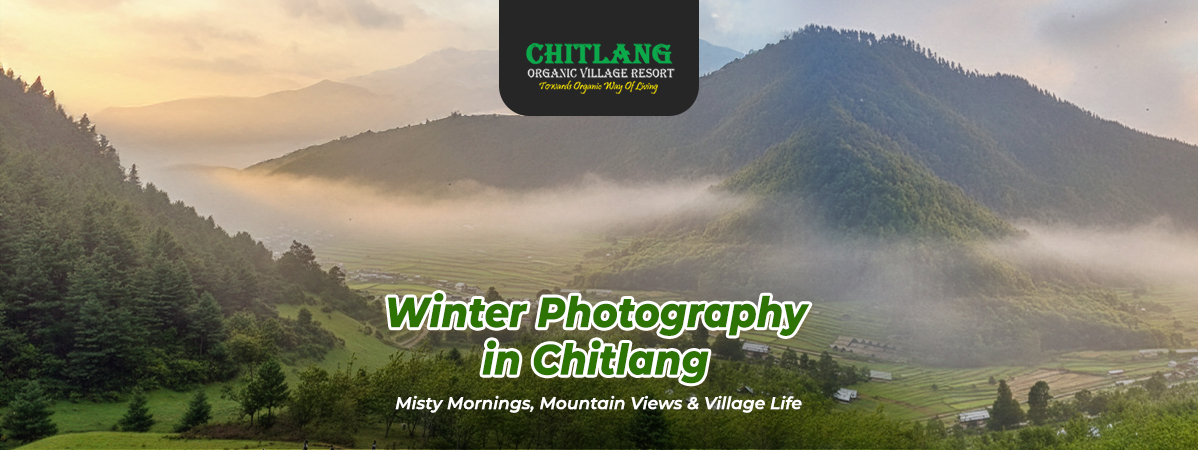
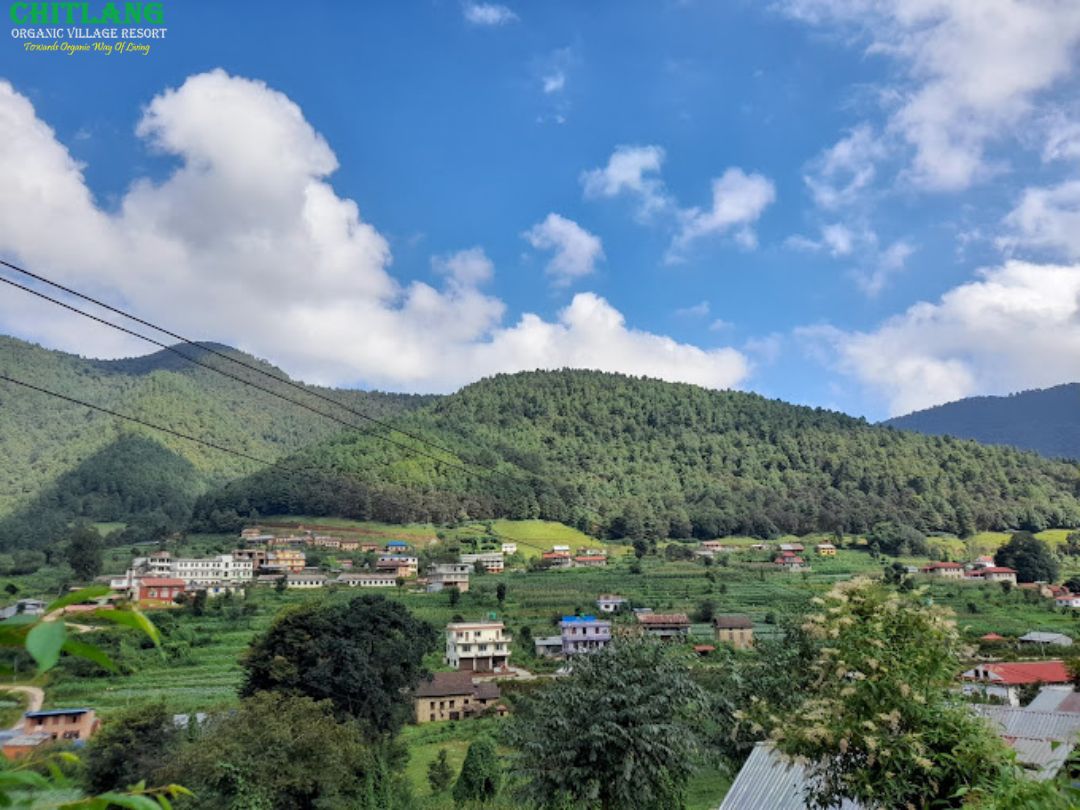
- Chitlang: Serene farmland trails in Chitlang offer gentle elevation, allowing for a slow-paced walk.
- Markhu to Kulekhani: The gentle walk from Markhu down to Lake Kulekhani is steeped in unspoiled tranquillity with no technical challenge.
- This circuit would be ideal for easygoing trekkers, families, and beginners, as it features a nice blend of forest trails, vibrant village scenes, and lakeside tranquillity, all without a prerequisite of hiking skills.
Local Life & Cultural Immersion
1. Chitlang: A Newar Heritage Hub
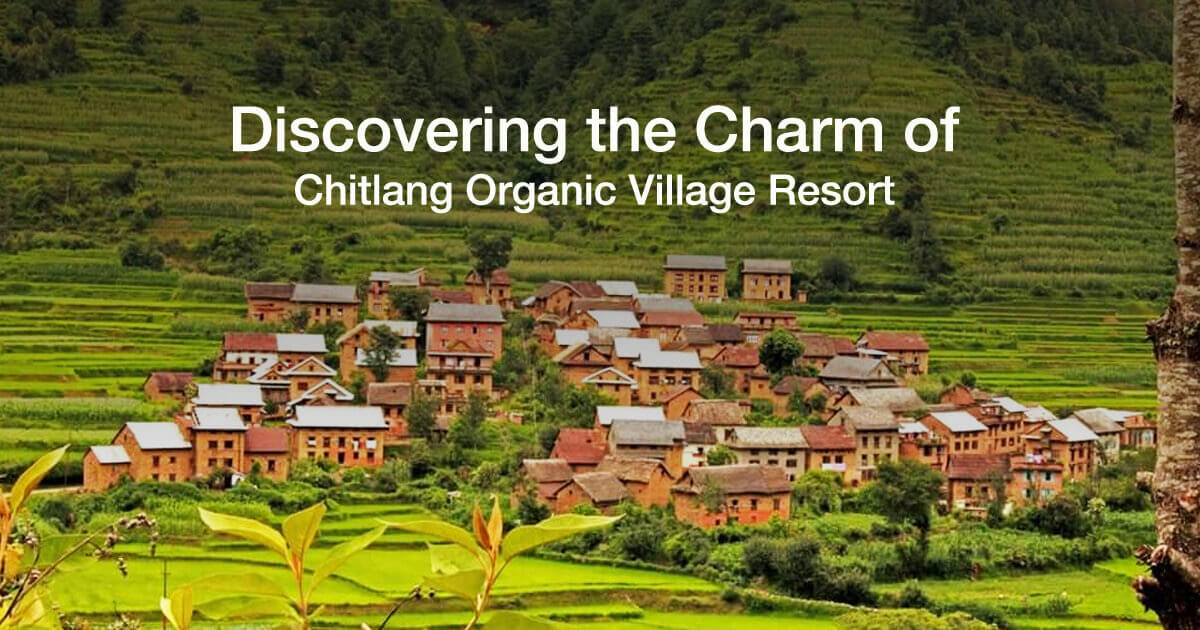
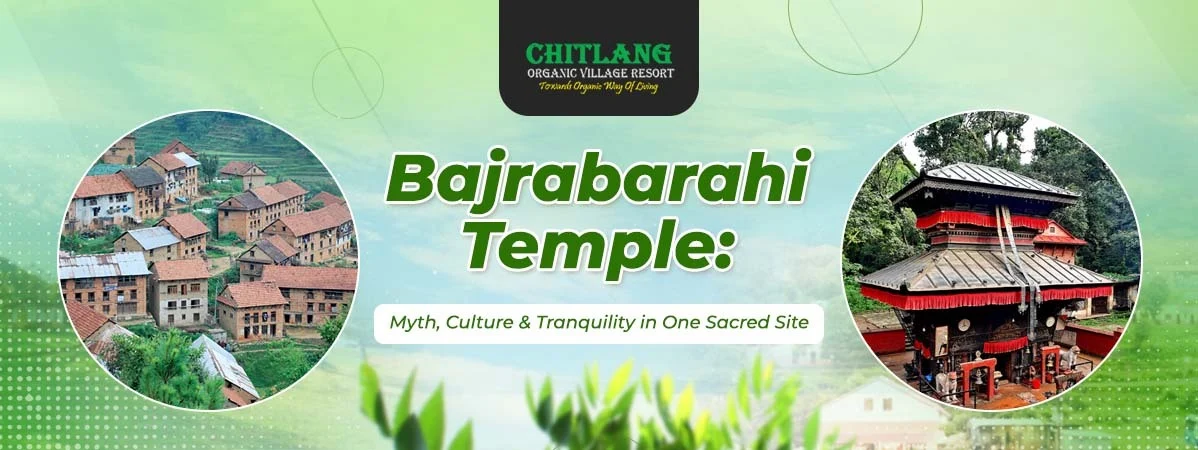
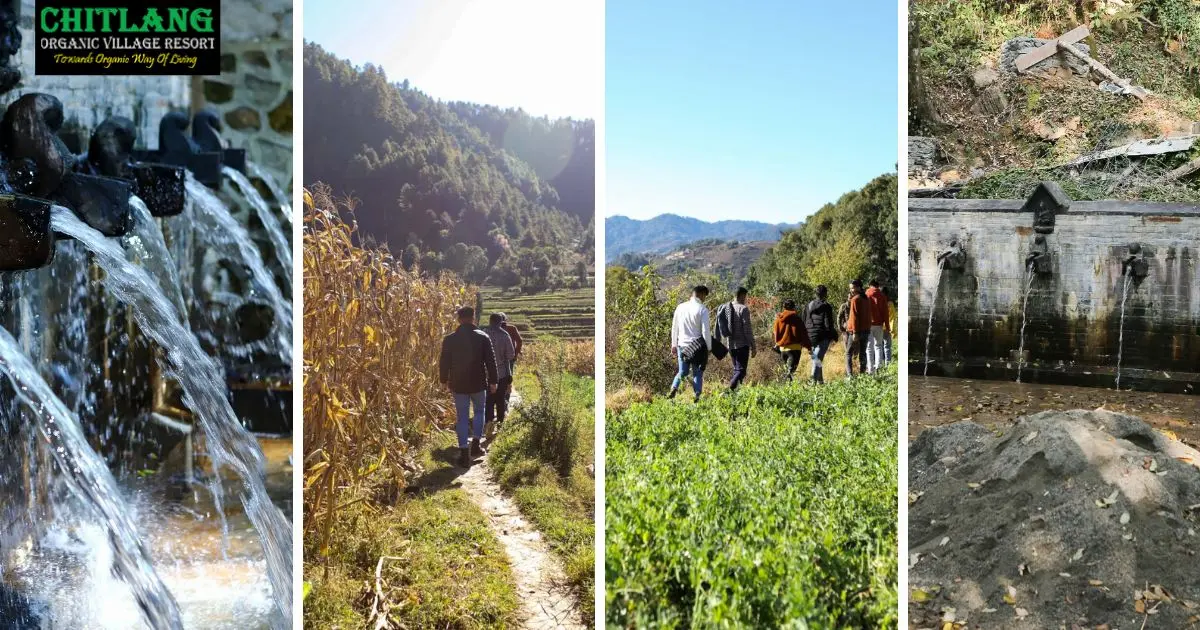
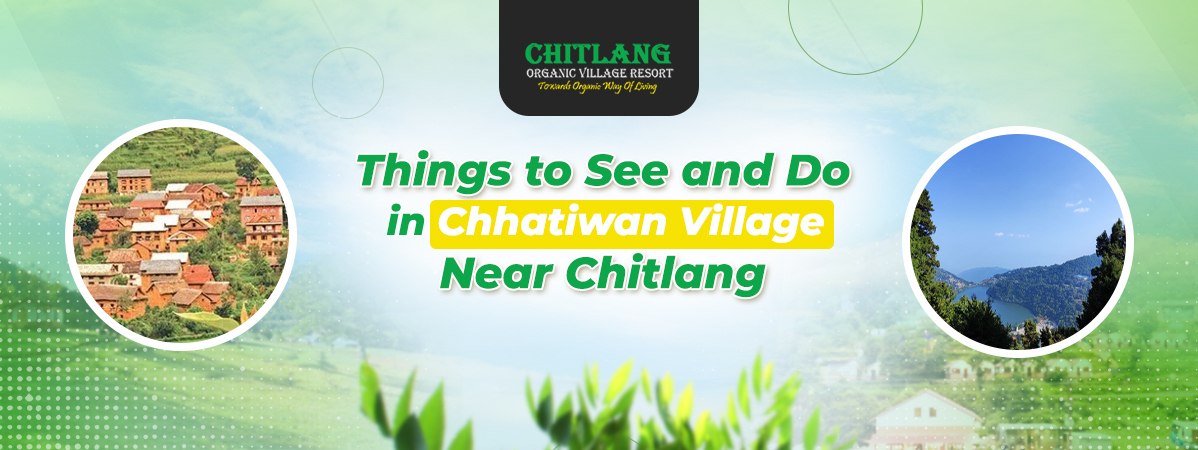
- Dating back to the Lichchhavi period, Chitlang is dotted with historic temples (Ashoka Stupa, Bhairab Temple), stone taps, and centuries-old architecture.
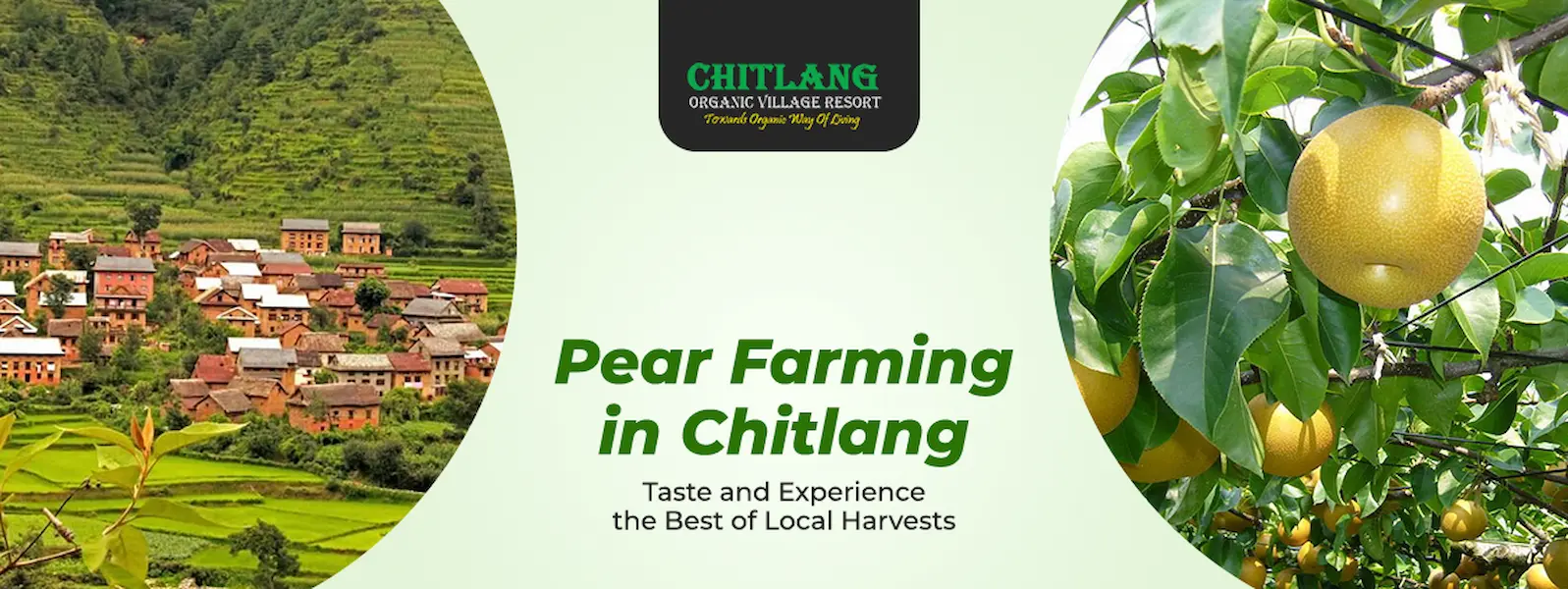
- The village is known for artisan goat cheese, local wines (pear, plum), and cheese-making tours, launched by homestay owners.
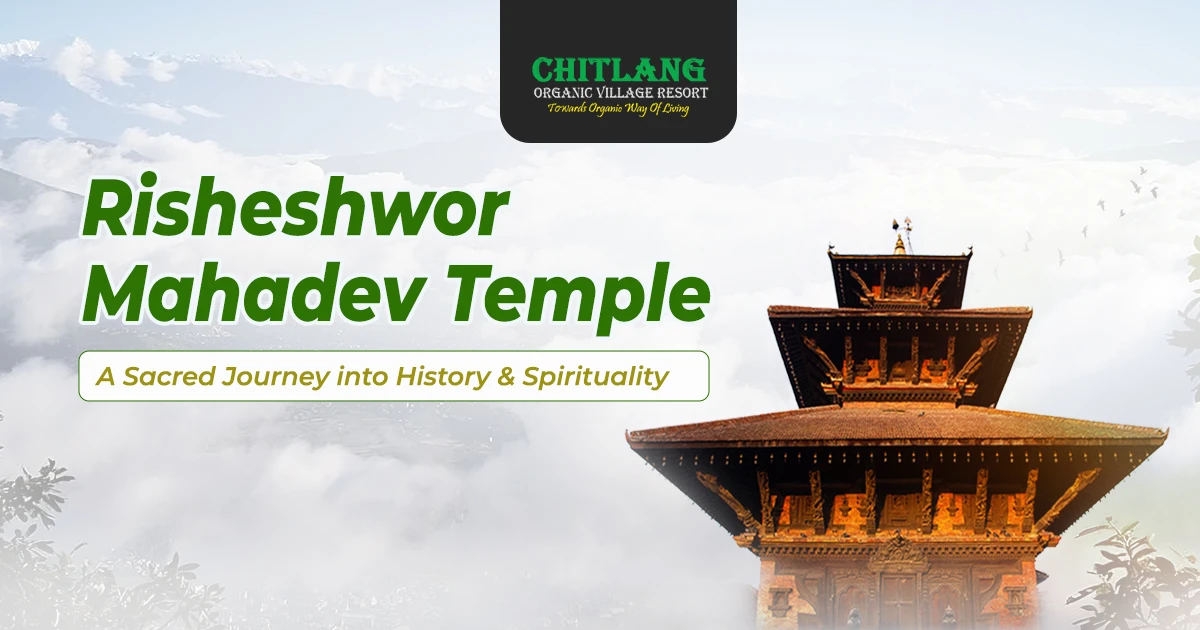
- The Bhaleshwor Mahadev Temple on this hilltop is an important spot on the Shivaratri pilgrimage circuit of Nepal.
- Historical connections: The birthplace where the idea for Kathmandu unification by Prithvi Narayan Shah.
3. Kulekhani Reservoir: Peace & Power
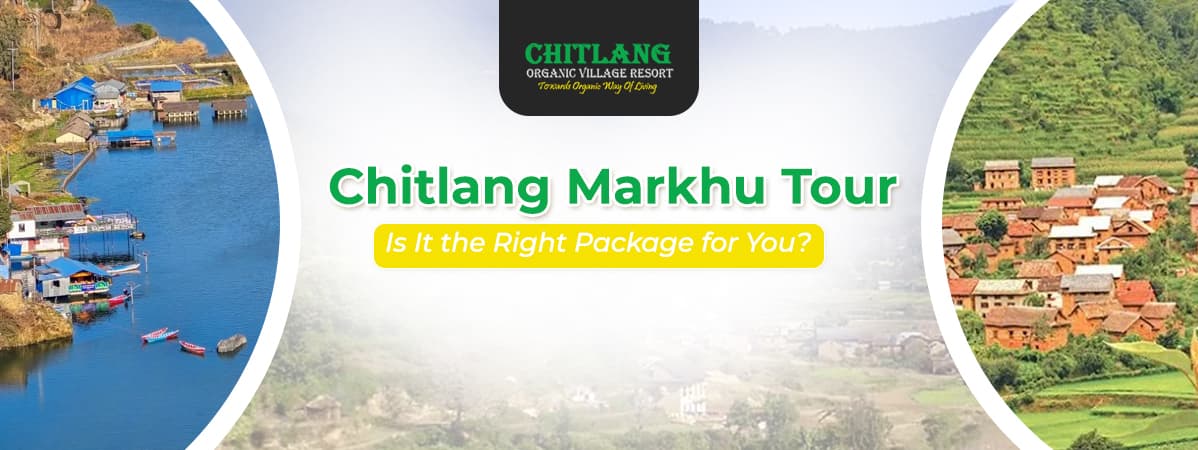
- Also known as Indra Sarovar, Nepal’s largest man-made lake was constructed for hydroelectric power purposes in 1980.
- It offers fabulous sightseeing opportunities; enjoying rides on motorboats and paddle canoes, or picnicking on the lakeside, are some nice ways to unwind.
Accommodation Options
1. Camping in Chitlang or Markhu
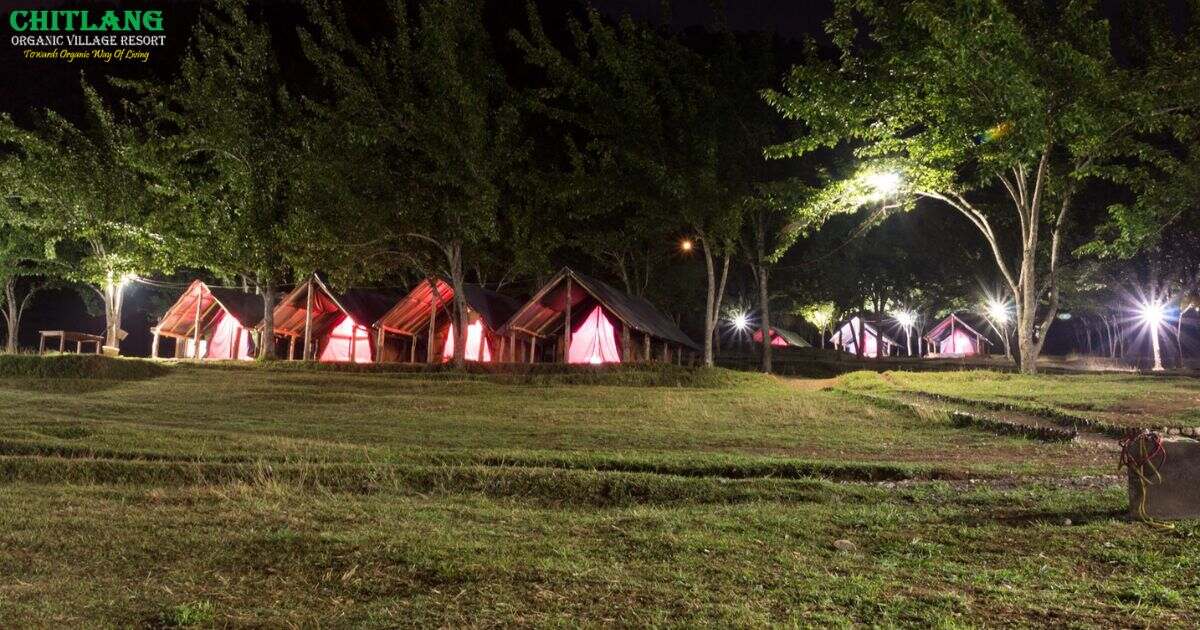
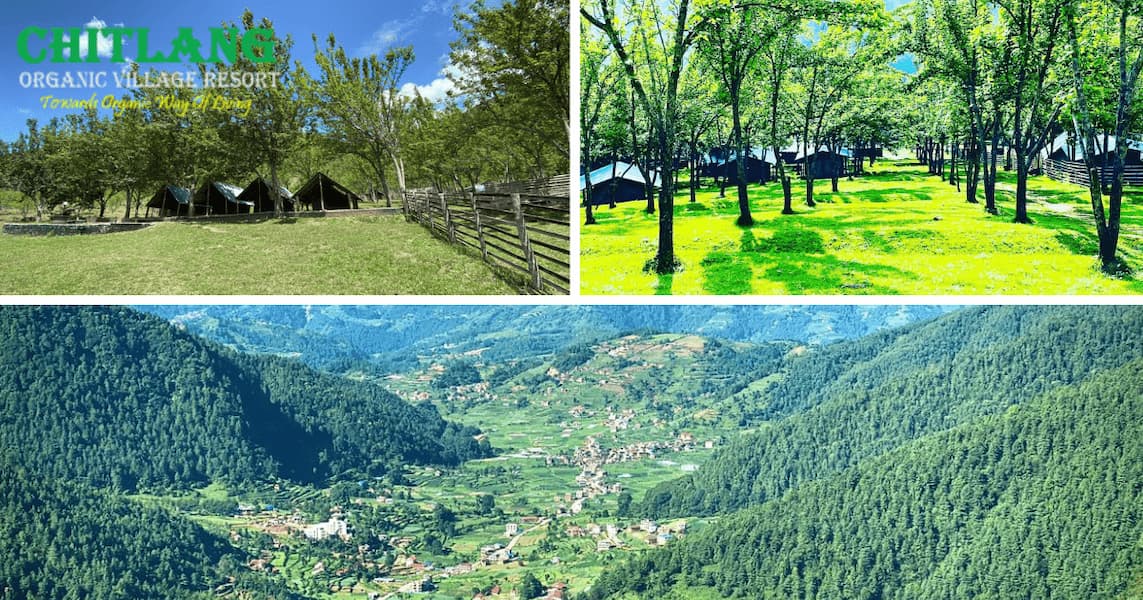
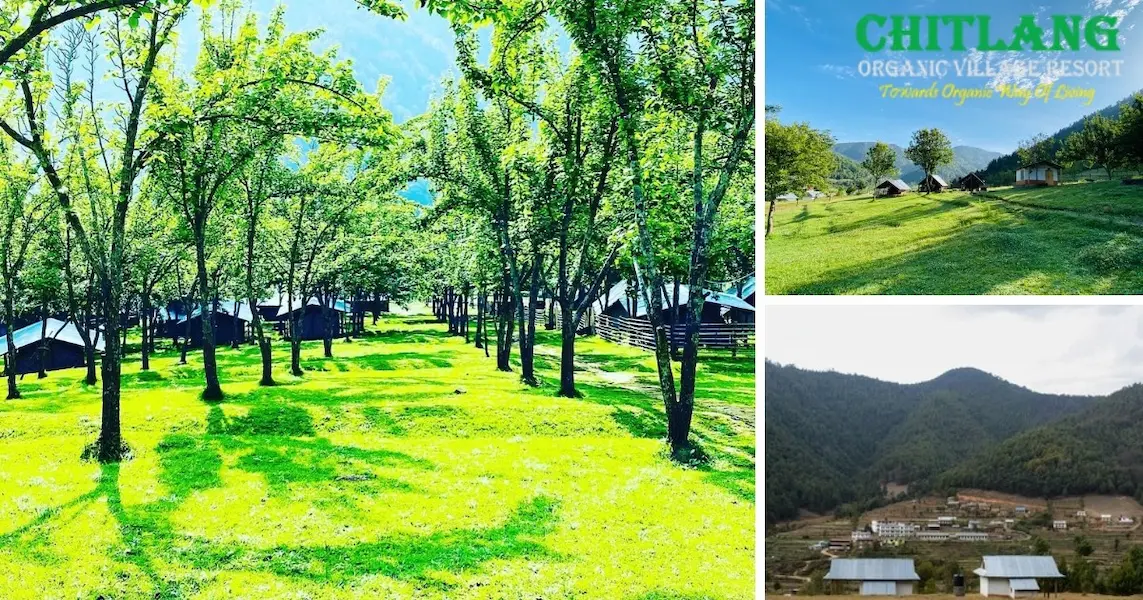
For truly rugged adventure experiences, camp near Chitlang village or beside Markhu Lake and renew your spirit in the bosom of nature. Some lodges offer camping packages, or you can bring your equipment. Nights under the stars, bonfires with buddies, and lakeside serenity make this a top pick for minimalist trekkers.
Best for: People who love thrills, travellers on a tight budget, and photographers.
Pro tip: Bring a sleeping bag and a headlamp. It gets cold at night, even when it’s spring.
2. Local Homestays: Culture & Comfort in One
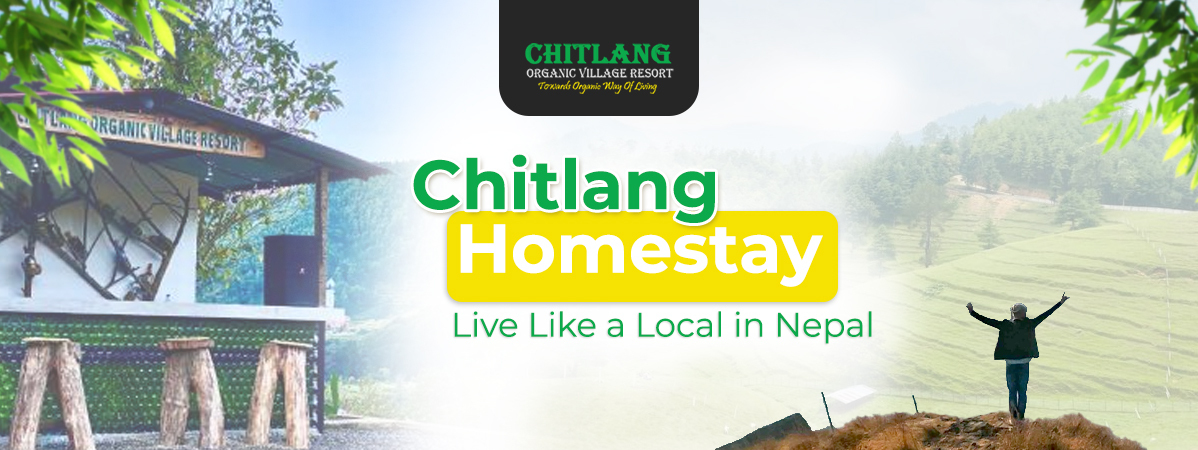
Want to see how the local Newar people live and eat real homemade food? Staying in a homestay in Chitlang is all about diving into the culture. You’ll probably stay in a family-run place, learn about farming, and maybe even try some goat cheese or pear wine made right there.
Best for: People who want to get into the culture, solo travellers, and anyone watching their spending.
Popular picks: Chitlang Homestay, Goat Cheese Homestay.
3. Resort Stay: Comfort Meets Convenience
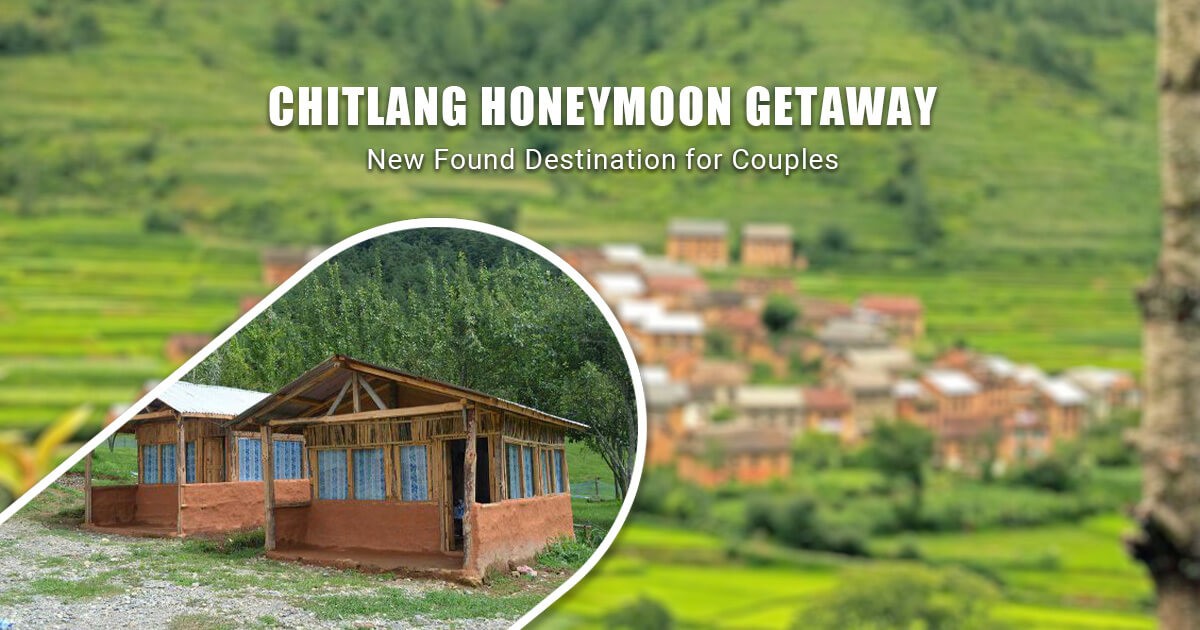
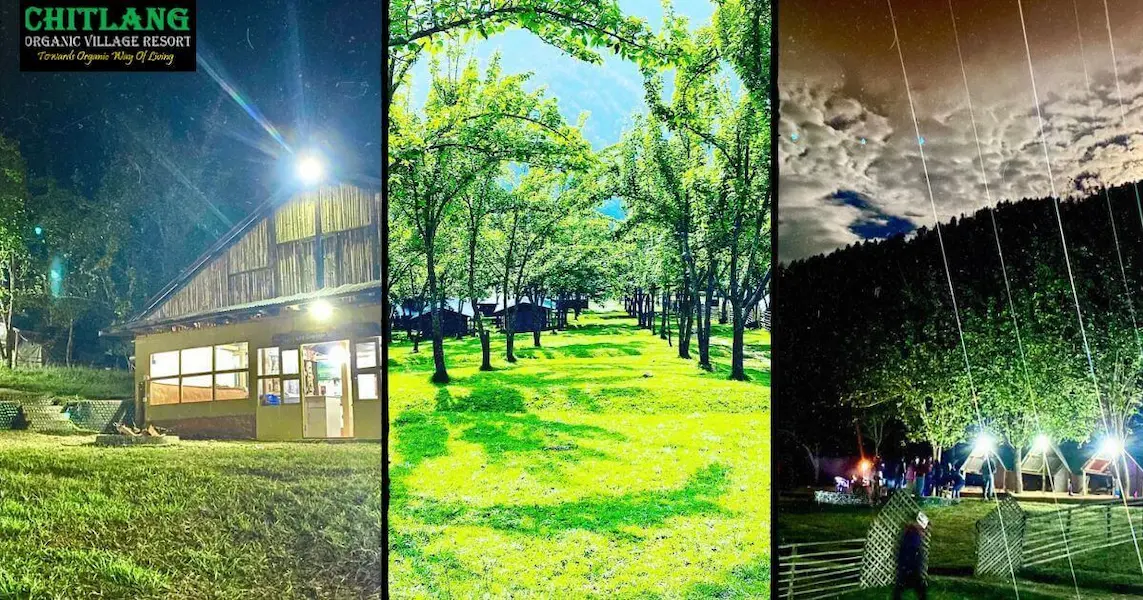
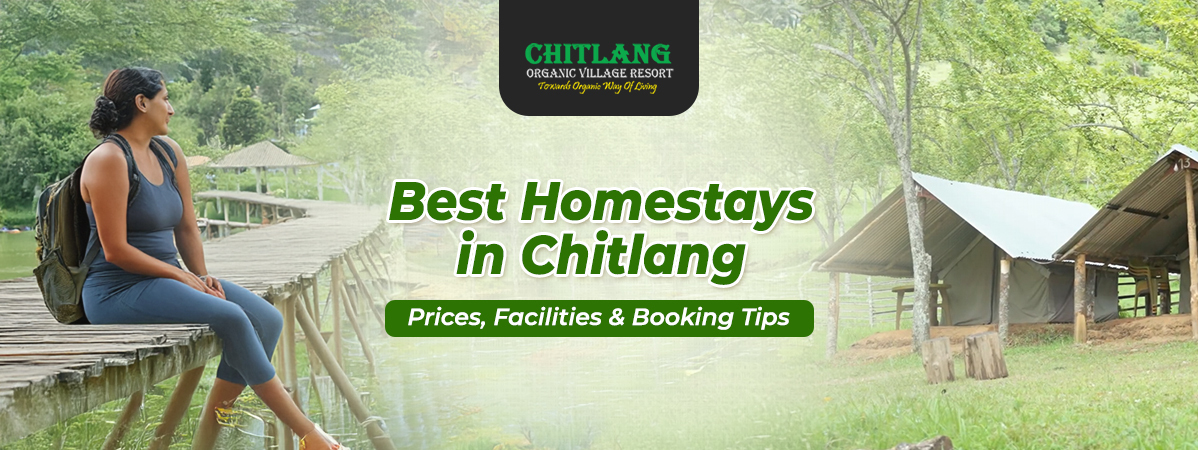
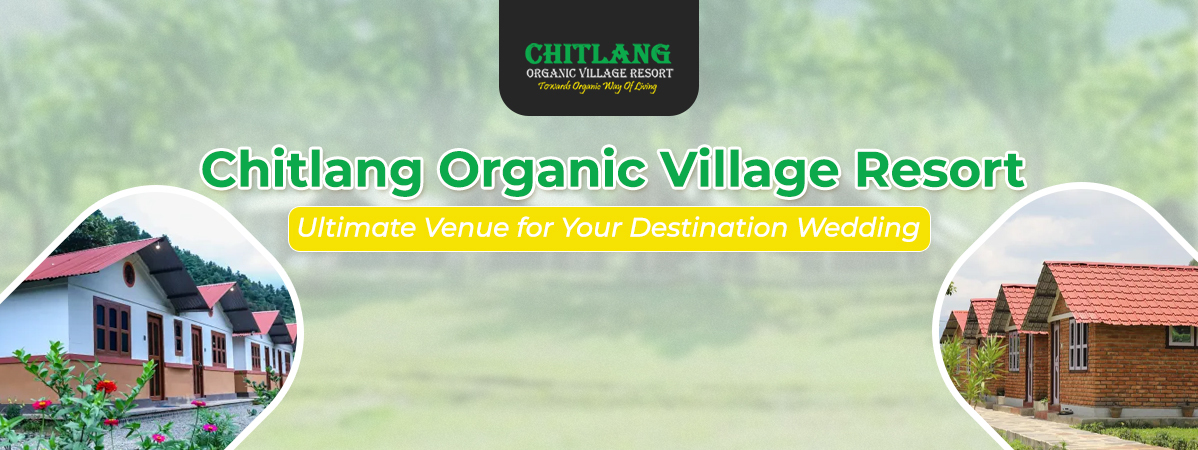
If you want things to be easy and comfy with nice views, try Chitlang Organic Village Resort or Indrasarovar Resort (near Markhu/Kulekhani). They have private rooms, bathrooms, and things to do like boating and barbecues. They even do company trips.
Best for: Families, groups, and couples on their honeymoon.
Amenities: Hot showers, electricity, food, and lawns.
Pro tip: Book early if it’s a weekend or holiday. These places get full fast!
Conclusion
If your travel goal is to immerse yourself in Nepal’s landscapes, heritage, and light adventure within a short escape, the Chandragiri–Chitlang–Kulekhani circuit delivers an unforgettable experience. In just 72 hours, you move from panoramic Himalayan views and sacred hilltop shrines to quiet farmsteads and tranquil lakeside villages. It’s a journey that captures Nepal’s essence—where myth meets mountain, where orchards hum with life, and where the rhythm of rural traditions meets the promise of sustainable tourism.
Whether you’re drawn by skyline vistas, handcrafted goat cheese, or the peaceful reflection of Kulekhani’s waters, this three-day loop offers a compelling blend of culture, nature, and narrative—seamlessly connecting Nepal’s storied past with its eco-conscious future.
Ready for a weekend escape that blends mountains, culture, and lakeside serenity? Pack your bags and let the Chandragiri–Chitlang–Kulekhani circuit redefine your next adventure!
Frequently Asked Questions (FAQs)
1. What is the best time to do the Chandragiri–Chitlang–Kulekhani circuit trip?
Ans. The ideal seasons are spring (March to May) and autumn (September to November), when the skies are clear, temperatures are mild, and the views are at their best. Winter is also doable with proper clothing, but the monsoon season (June to August) should be avoided due to slippery trails and landslide risks.
2. Do I need any permits for this 3-day trek?
Ans. No, official permits are required for this specific circuit. However, if you plan to explore the extended Shivapuri–Nagarjun area on foot, you may need a national park entry fee.
3. How difficult is the trek from Chandragiri to Chitlang and then to Kulekhani?
Ans. This is an easy-to-moderate trek, suitable for beginners, families, and casual hikers. The trails are well-marked, with gentle ascents and descents. The use of the Chandragiri cable car also minimises uphill trekking.